Construction
Jul 2, 2026
WA Home Building Contract Reform: 10 Things You Should Know Before June 2026
WA Home Building Contract Reform: 10 Things You Should Know Before June 2026

WA Home Building Contract Reform: 10 Things You Should Know Before June 2026
If you’ve been keeping an eye on the WA construction landscape lately, you’ve probably noticed the ground is shifting. Between supply chain headaches and high-profile builder collapses, the Western Australian Government has decided it’s time to tighten the screws.
The Building Services Legislation Amendment (Financial Oversight) Bill 2026 and a comprehensive review of the Home Building Contracts Act 1991 are currently on the table. With the public consultation period wrapping up in late June 2026, we are looking at a massive overhaul of how residential projects are managed, documented, and protected.
Whether you’re a builder trying to stay compliant or a homeowner planning a custom build, these changes will affect your bottom line. Grab a coffee, and let’s break down the 10 most critical things you need to know before the new rules fully take flight.
The most significant change in the 2026 Bill is the expanded authority of the Building Commissioner. Previously, financial scrutiny mostly happened at the point of registration or renewal. Under the new laws, the regulator can scrutinise a builder’s financial capacity at any time. If there is a "sniff" of financial distress, they can compel the builder to open their books immediately.
Regulators aren't just waiting for a complaint anymore. They now have the power to intervene early. This "Financial Oversight" model is designed to prevent "phoenixing" and to stop builders from trading while insolvent. For builders, this means your internal accounting and solvency records need to be "audit-ready" at all times.
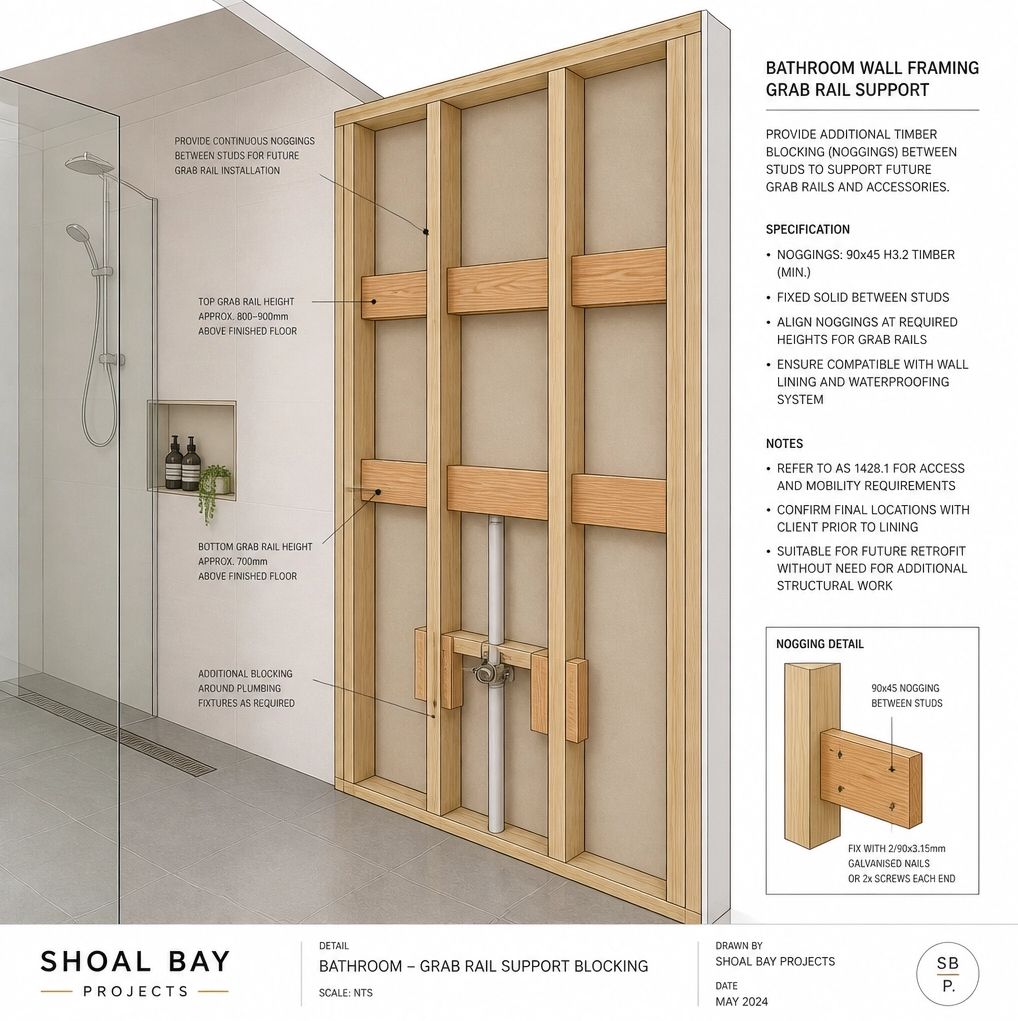
The reform proposals include a push for better consumer education. We expect to see a mandatory "Homeowner’s Guide" that must be provided before any contract is signed. This isn't just a brochure; it’s a compliance document that outlines the rights, responsibilities, and risks of the build. Failing to provide this could lead to heavy penalties for builders.
Historically, many high-end residential projects fell outside certain protections of the Home Building Contracts Act due to monetary thresholds. The 2026 reforms aim to raise these caps, bringing more luxury custom builds and major renovations under the protective umbrella of the Act. If you are building a $2M+ home, the rules of engagement are about to get a lot stricter for your builder.
We’ve all seen the "price hike" headlines over the last few years. The new reform seeks to provide clearer rules on when and how price increases can be passed on to the homeowner. You can expect to see more rigid requirements for documenting cost increases and a higher bar for justifying variations related to "unforeseen" circumstances.
Shoal Bay Projects frequently steps in to interpret compliance when things get "grey." One of the reform themes is the potential for mandatory accreditation of building inspectors. This ensures that site reviews: like the ones we perform: are backed by a high standard of technical accuracy, referencing Australian Standards like AS 4349.1 (Inspection of Buildings) with forensic precision.
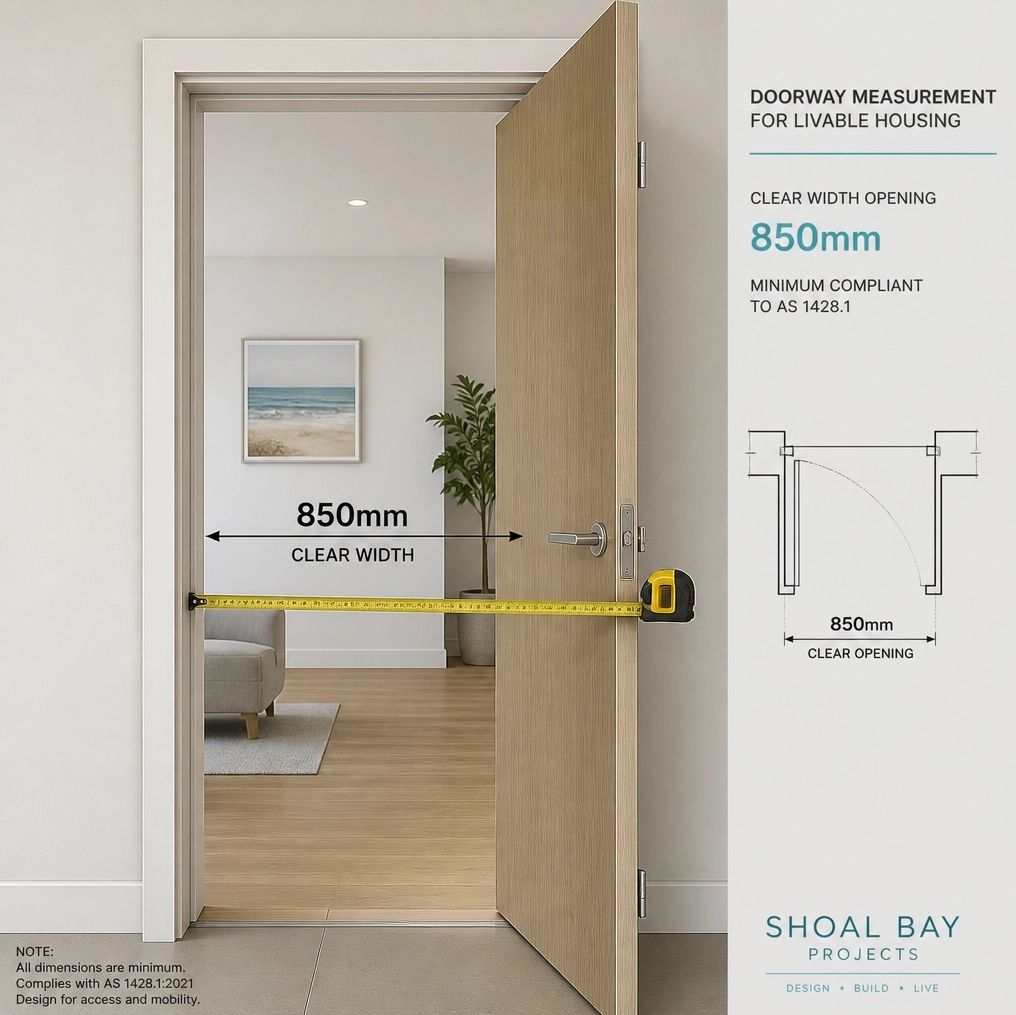
Nobody wants to end up in the State Administrative Tribunal (SAT). The reforms are looking to improve the Building Services (Complaint Resolution and Administration) Act 2011 to make dispute resolution faster and less "lawyer-heavy." The goal is to resolve workmanship and contractual spats before they stall a project for six months.
Under the new Bill, if a builder shows signs of financial instability, the Building Services Board doesn't have to just "cancel" them. They can impose conditions: such as limiting the number of active contracts or requiring a third-party monitor. This is a "yellow card" system designed to protect existing homeowners while the builder gets their house in order.
In the past, if a builder’s registration was cancelled, homeowners often faced a bureaucratic nightmare trying to trigger their Home Indemnity Insurance. The 2026 reforms aim to streamline this trigger. If the regulator pulls a builder’s ticket due to financial risk, the HII pathway should open up much faster, allowing you to appoint a new builder and keep the project moving.
Expect a push toward digital lodgement of contracts and compliance certificates. The move toward a "Golden Thread" of information means that every variation, structural change, and inspection report needs to be documented digitally. From a structural perspective, referencing diagrams and CAD-level details will become the standard for proving compliance.
At Shoal Bay Projects, we operate at the advisory level. We don't swing hammers; we interpret the rules to make sure you don't get hit by them.
For Builders, we provide the structured advisory you need to align your contracts and site practices with these 2026 reforms. We help you interpret compliance (such as AS 1684 for timber framing or AS 2870 for residential slabs) to ensure your quality expectations match regulatory requirements.
For Homeowners, we act as your technical eyes and ears. We review your contract before you sign, interpret the builder's variations, and perform site reviews to ensure the project stays aligned with the approved plans and national standards.
Don't wait until June 2026 to figure this out. The consultation period is the perfect time to review your current project risk. Check your contract thresholds, specify your quality expectations in writing, and document every site variation with photographic evidence.
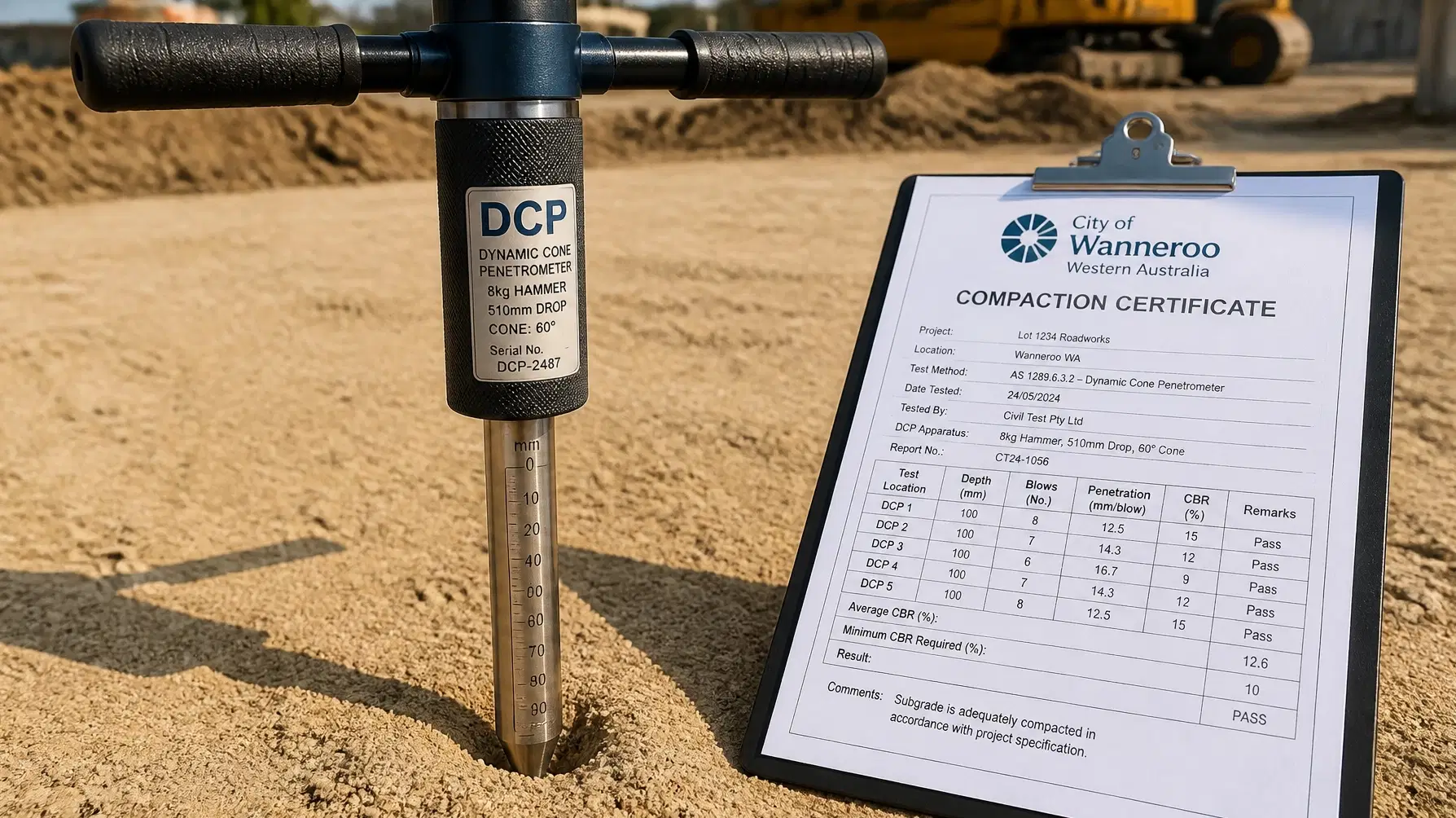
Staying ahead of the curve in the Australian building industry requires more than just reading the news; it requires a community of experts. We invite you to explore "The Hive," our community hub where we dive deeper into compliance, risk management, and the future of construction.
Join us in the Vault to access exclusive resources and stay updated on how these WA reforms will impact your next project.
Phone: +61 8 6149 7396