Construction
Jul 2, 2026
The Residential Building Consultant's Guide to Wind Region B Compliance in WA
The Residential Building Consultant's Guide to Wind Region B Compliance in WA

The Residential Building Consultant's Guide to Wind Region B Compliance in WA
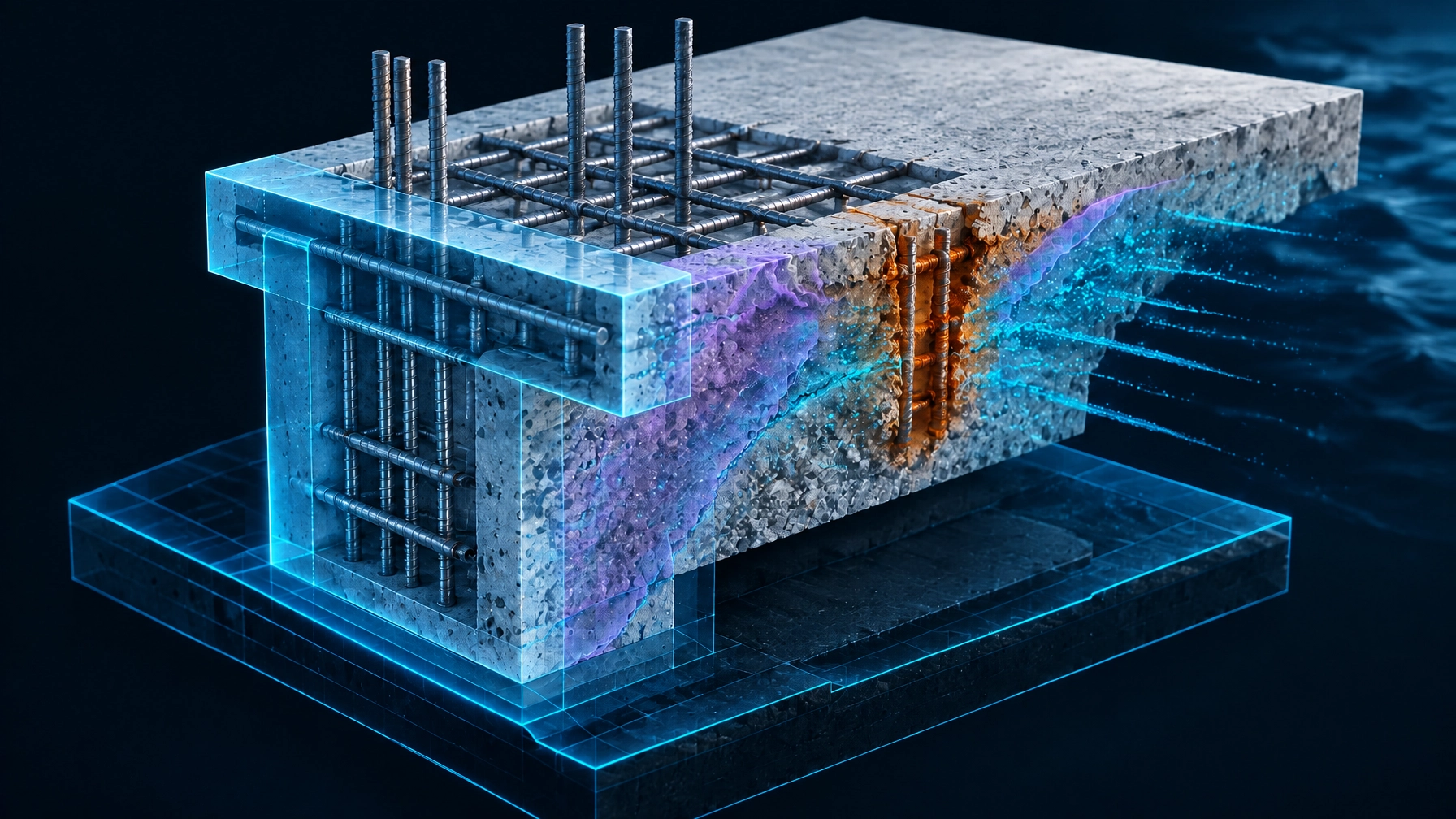
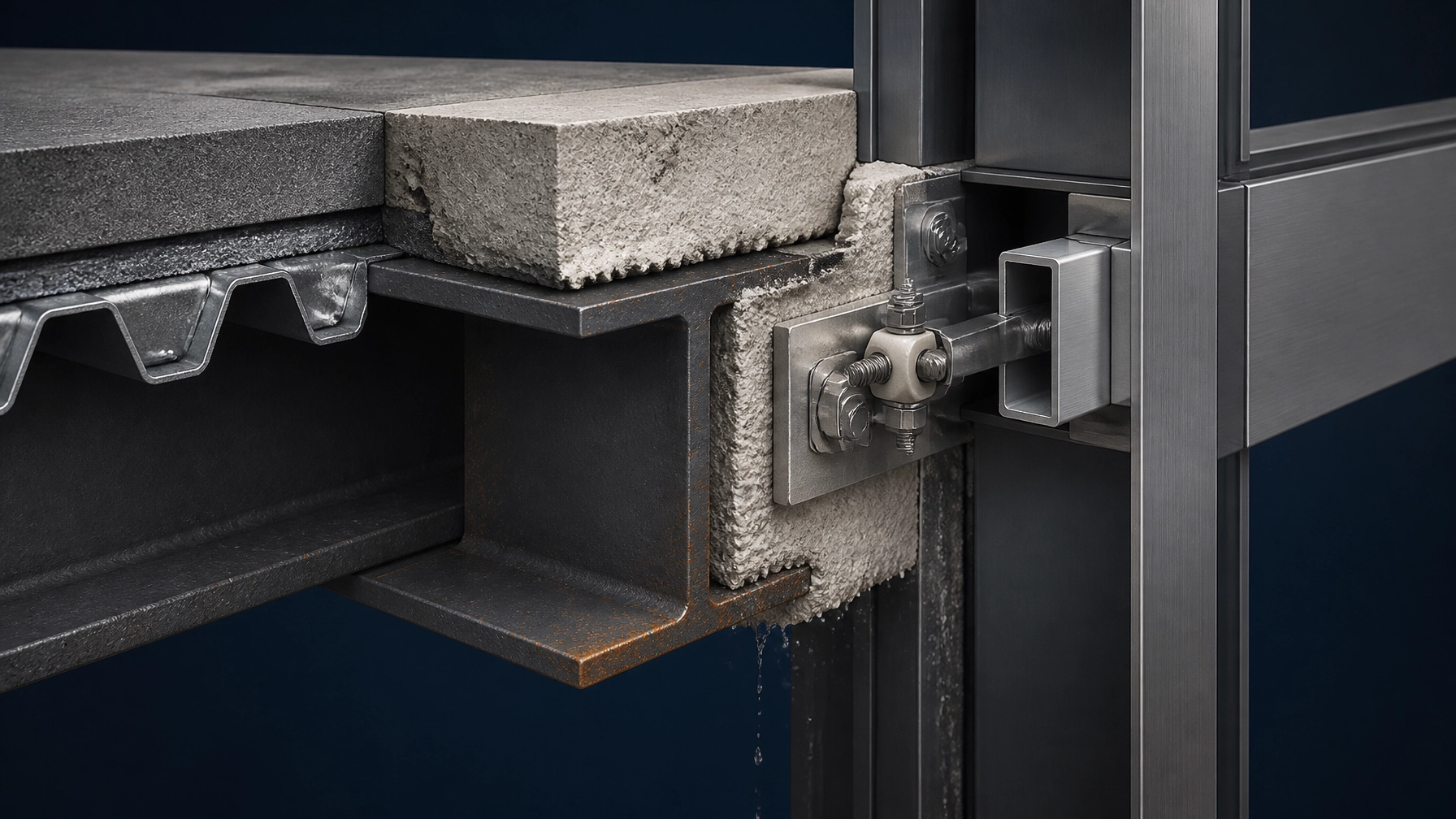
If you are building along the Western Australian coastline: spanning from the Perth metropolitan area up through the mid-west: you are likely operating within Wind Region B. In the specialized field of construction compliance, "Region B" is far more than a geographical designation on a map. It represents a critical threshold in structural engineering. It is the definitive boundary between a residence that maintains its structural integrity and one that suffers catastrophic failure during a seasonal storm.
At Shoal Bay Projects, we dedicate significant resources to auditing site classifications. A wind rating is the foundational variable in a complex structural equation. Getting it wrong at the inception of a project creates a "butterfly effect" for future non-compliance, insurance disputes, and structural degradation.
The majority of residential construction in Australia is governed by AS 4055 (Wind loads for housing). This standard provides a simplified framework for determining wind speeds and the resulting pressures on a structure. However, AS 4055 is not a universal tool; it has strict geometric boundaries.
Check your building's dimensions against these limits. If your custom build exceeds any of the following, AS 4055 ceases to apply:
When a project falls outside these parameters, compliance must be achieved through AS/NZS 1170.2 (Structural design actions – Wind actions). This requires a more intensive, first-principles engineering approach. For the standard WA suburban lot, however, AS 4055 remains the primary reference. Ensure your designer has clearly documented which standard is being applied to the project.
In Region B, the industry typically discusses N2 or N3 classifications. These are not arbitrary codes; they are derived from a calculation involving four distinct environmental factors. Understanding these factors is essential for any builder or homeowner looking to mitigate risk.

In many burgeoning WA subdivisions, sites often begin as N3 due to a complete lack of shielding. While a site might technically transition to N2 once the street is fully developed, building to N3 specifications from day one is a strategic decision. We view this as "structural insurance": the cost of upgrading from N2 to N3 during the framing stage is negligible compared to the cost of retrofitting or dealing with a failure later.
Once the wind classification is established, the structural requirements of AS 1684 (Residential timber-framed construction) or relevant steel framing standards take over. In Region B, the uplift forces are substantial.
Tie-Downs and Connectors
In Region B, the requirements for roof tie-downs (triple grips, cyclone straps, and threaded rod connections) are significantly more robust than in Region A. A common point of failure we observe in audits occurs when trades accustomed to building in the wheatbelt or inland regions bring those "standard" habits to the coast.
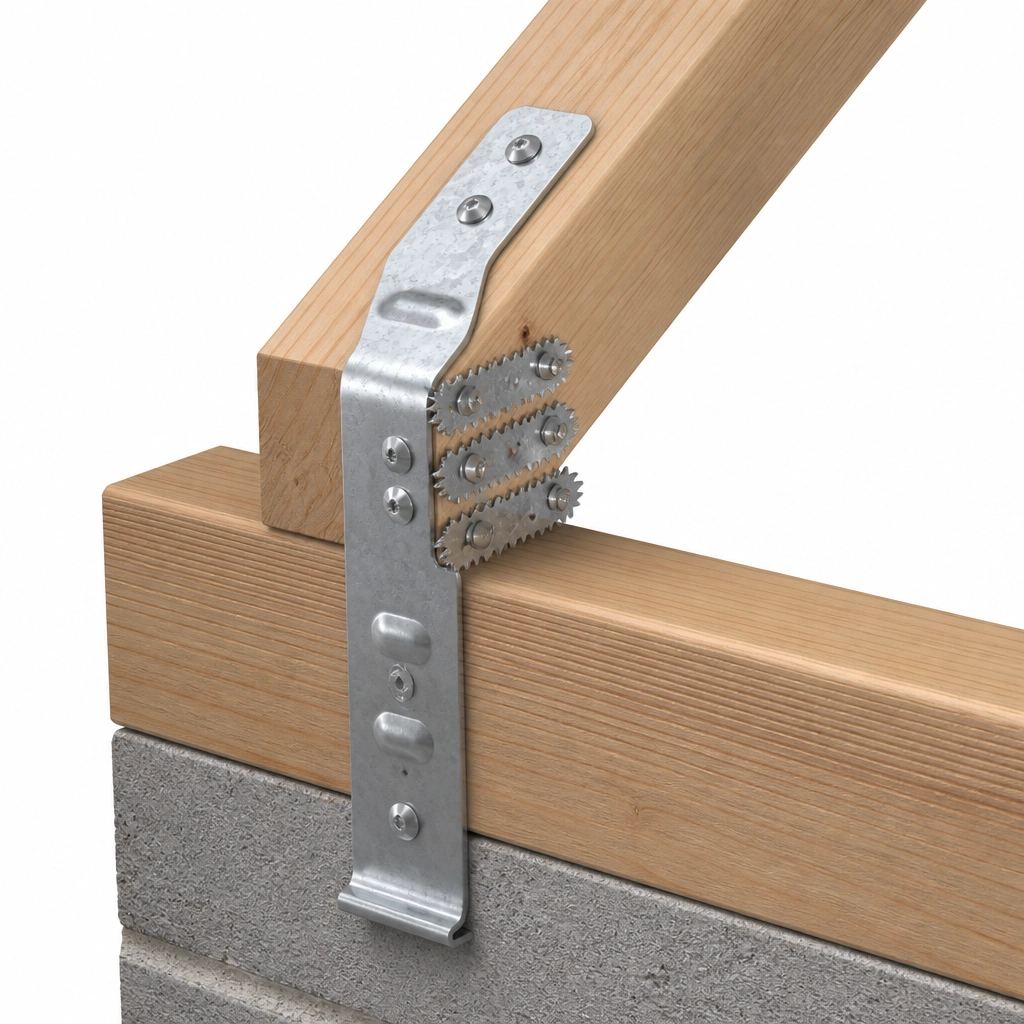
Specify and document the following:
Glazing is frequently the "weak link" in coastal compliance. Your windows and sliding doors must be rated for the specific wind pressures (both positive and negative) of your site. This is where "off-the-shelf" or budget-tier products often fail to meet the grade.
Check the AS 2047 Tag
Every window and external glazed door must carry a compliance tag or certificate stating it meets AS 2047. For a Region B, N3 site, the product must be explicitly rated for N3 or higher.
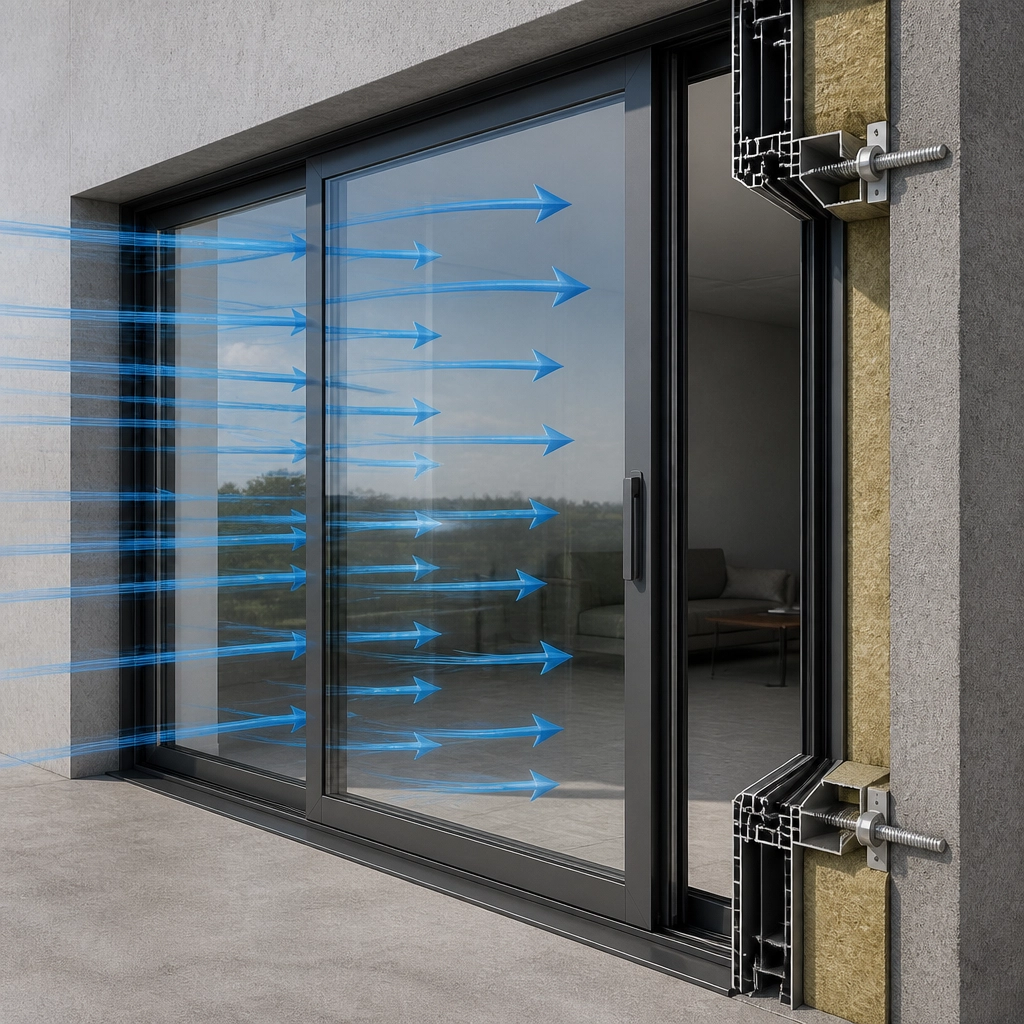
Why does this matter? It isn't just about the glass shattering. Under high wind loads, a frame that lacks sufficient rigidity (deflection) will bow. This deflection breaks the weather seals, allowing water ingress that can destroy internal finishes, custom cabinetry, and flooring. Always verify that your glazing supplier has provided a site-specific wind pressure certificate.
At Shoal Bay Projects, we have inspected the aftermath of N2-rated windows being installed in N3 zones. The results are rarely a single "event" but rather a slow degradation of the building's envelope.
Compliance is not a bureaucratic hurdle designed to satisfy a council building surveyor. It is a fundamental component of protecting the terminal value of your asset. A home that is built to the correct wind classification is a home that remains dry, quiet, and structurally sound for decades.
If you are a builder looking to sharpen your compliance processes or a homeowner concerned that your coastal build might be under-specified, we invite you to explore The Hive. This is our central hub for technical resources, compliance guides, and expert advisory.
We operate at the advisory level, ensuring that your decisions: from the initial site classification to the final glazing install: are backed by Australian Standards and professional oversight.
Explore the community hub and watch our introduction here: Welcome to the Hive
Build smart. Stay grounded.
For a site-specific wind classification audit or structural compliance review, reach out to our team at shoalbayprojectshive@outlook.com.
Shoal Bay Projects: Residential Project Support & Advisory.