The Australian construction industry is currently staring down the barrel of a regulatory bottleneck. As of May 2026, the National Construction Code (NCC) 2025 officially hits the books, but if you think that means a uniform national standard for your next residential project, you are mistaken. We are entering the "Confusion Trap": a period of staggered adoption, state-specific deferrals, and a complex interplay between delayed energy mandates and immediate safety requirements.
For residential builders and homeowners, navigating this patchwork isn't just an administrative hurdle; it’s a significant risk to project compliance and long-term liability. If you specify materials or design systems based on the "wrong" version of the code for your site approval date, the forensic fallout during a building audit or dispute can be devastating.
The 1 May 2026 Milestone: A Fragmented Start
The official release of NCC 2025 on 1 May 2026 marks the beginning of a two-speed regulatory environment in Australia. While the Australian Building Codes Board (ABCB) sets the national benchmark, the actual "law" is determined by when each state and territory decides to pull the trigger.
Currently, we are seeing a significant divide:
- The Early Adopters (VIC/ACT): Victoria is moving aggressively, with 1 May 2026 serving as the mandatory commencement date. The ACT follows suit with an optional 12-month transition starting on the same day.
- The Deferrers (NSW/QLD): New South Wales and Queensland have notably pushed their mandatory adoption back to 1 May 2027.
This means that for a full year, a builder in Albury might be working under NCC 2025 while their counterpart across the border in Wodonga is still legally bound by NCC 2022. This fragmentation creates a trap for national building groups and consultants who must now manage two sets of compliance documentation simultaneously.
The 'Residential Safety Catch': Quality Over Quantity
There has been significant industry chatter regarding a "pause" in residential requirements. It is critical to distinguish between what is being delayed and what is being fast-tracked.
While some states, particularly NSW, are flagging a "pause to 2029" for new, high-stringency energy efficiency rules (Class 1 housing and Class 2 apartments), this does not apply to structural safety, fire safety, or moisture management.
The "Safety Catch" refers to the fact that NCC 2025 introduces strict new mandates for condensation management and water management that are exempt from these deferrals. Even if your state isn't moving on 7-star energy ratings just yet, you cannot ignore the new forensic requirements for building envelopes.
Condensation & Moisture: The New Forensic Frontier
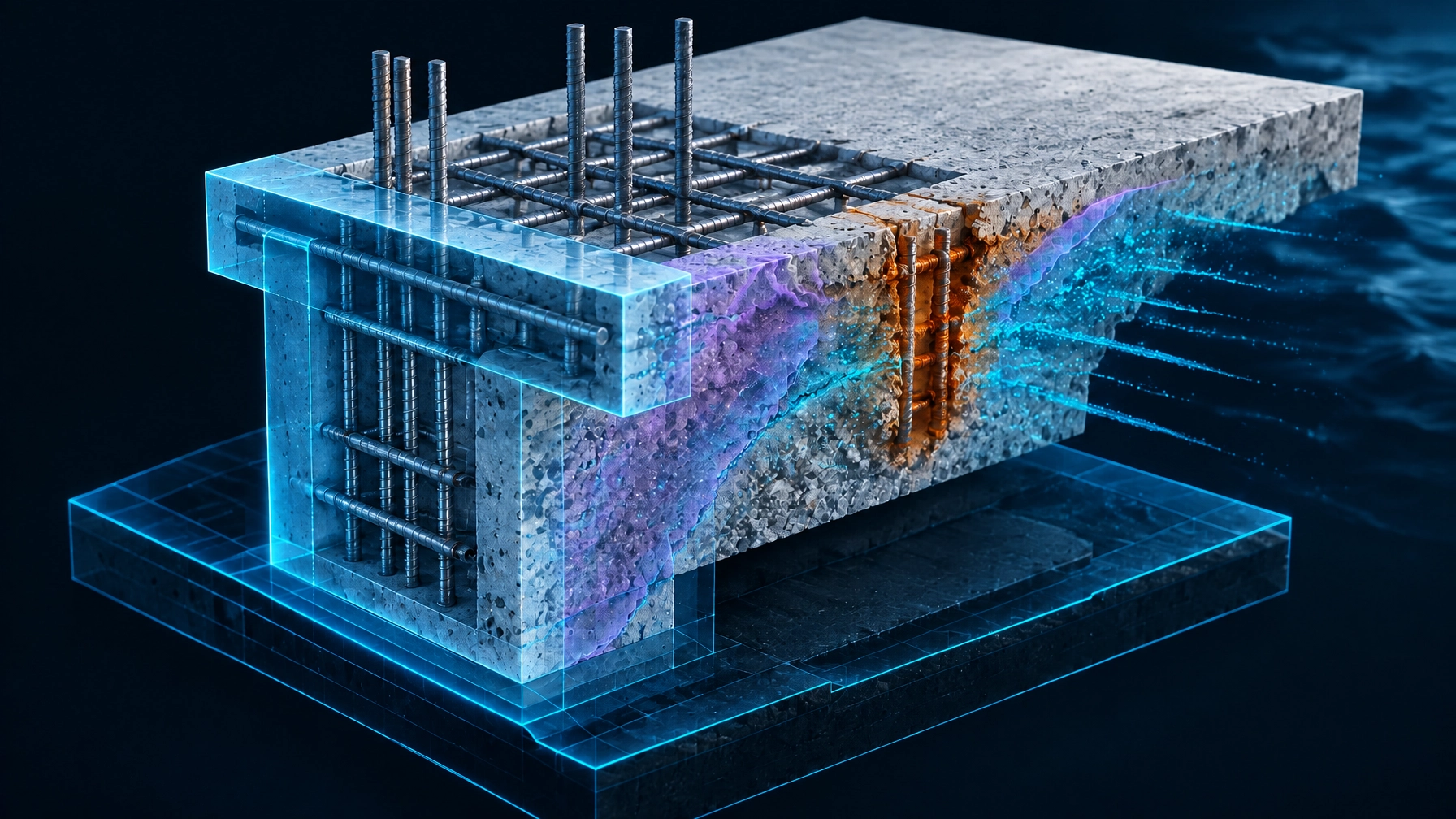
NCC 2025 doubles down on the "leaky building" crisis by tightening the rules around vapour control and ventilation. The industry is moving away from simple "breathable" wraps toward sophisticated, climate-specific vapour-permeable membranes.

Key technical mandates include:
- Vapour Control Strategies: Mandatory use of vapour-permeable sarking in specific climate zones to prevent interstitial condensation.
- Mechanical Ventilation: Increased flow rates for exhaust fans in wet areas (laundries, bathrooms) and specific requirements for discharging air directly to the outside: no more venting into the roof space.
- Roof Space Ventilation: Refined requirements for "whirlybirds" or ridge vents to ensure the roof cavity doesn't become a breeding ground for mould.
Check your wall build-ups now. If you are designing for a project likely to receive approval after the 2026 or 2027 milestones, these systems must be baked into the architectural drawings today.
Strategy: The 'Site Approval Date' as Your Compliance Anchor
The most common mistake we see in construction advisory is the belief that the date you sign a contract or the date you lodge a Development Application (DA) locks in the NCC version. This is false.
The compliance anchor is the Site Approval Date: the date the Building Permit (VIC), Construction Certificate (NSW), or Building Approval (QLD/ACT) is officially issued.

Document your strategy using these three steps:
- Identify the Likely Approval Window: If your project is in the design phase now but won't hit "shovels in the ground" until mid-2027 in NSW, you must design to NCC 2025.
- Reference the Correct Standards: Ensure your specifications cite the updated standards. For example, while AS 3740 (Waterproofing) and AS 4654.2 (External Waterproofing) remain the baseline, NCC 2025 introduces specific "Deemed-to-Satisfy" (DTS) variations that overrule standard industry practice.
- Audit Your Subcontractors: Most trades build "the way they’ve always built." A carpenter in 2027 might still be using 2022 flashing techniques. Document these expectations in the scope of work to avoid back-charging and rectification costs later.
Navigating the Water Management Tsunami
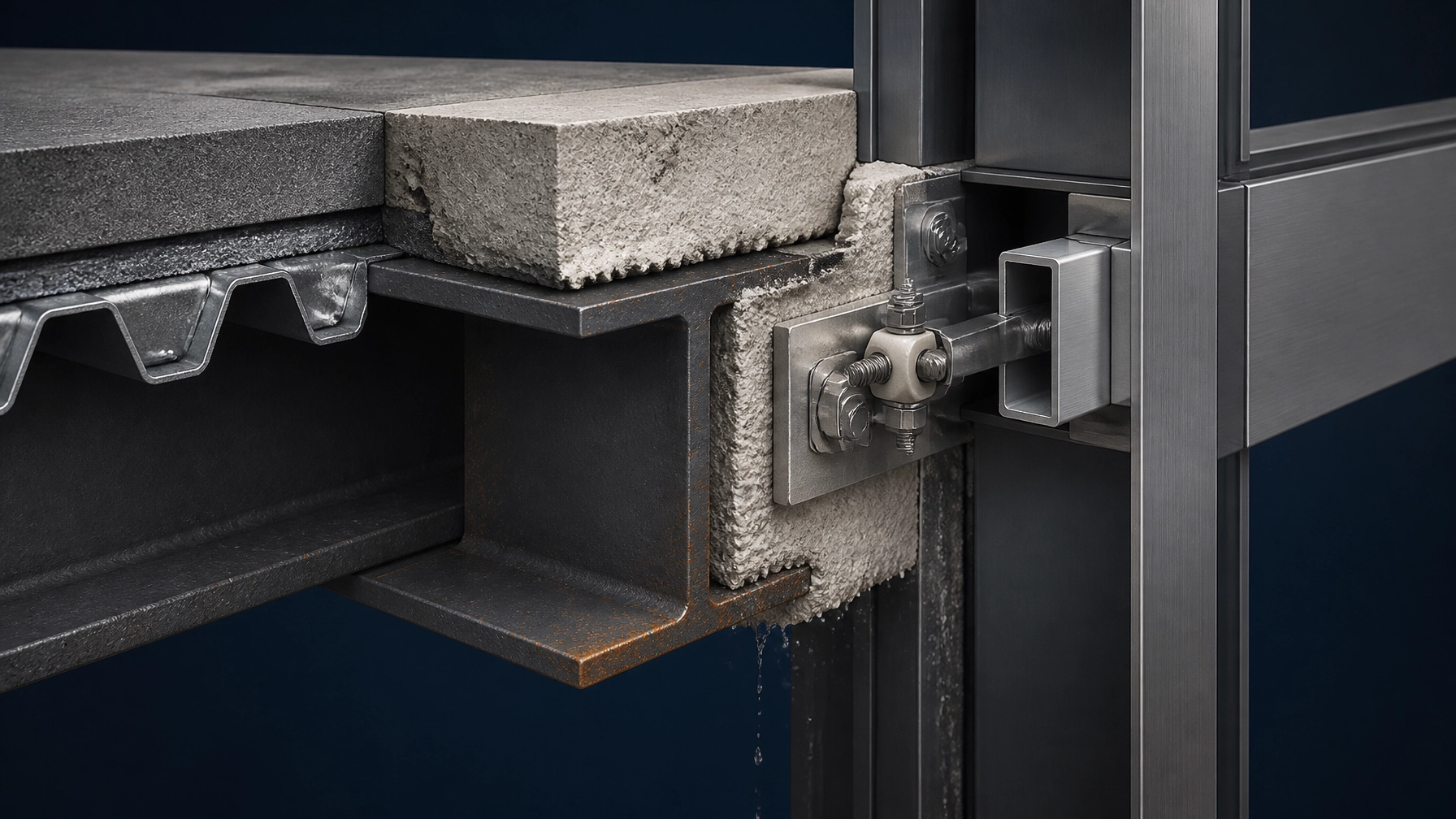
Waterproofing remains the #1 cause of building disputes in Australia. NCC 2025 introduces forensic-level detailing for external moisture management that leaves little room for "builder's discretion."
We are seeing a move toward mandatory overflow provisions in internal wet areas and more rigorous detailing for balconies and planter boxes. The "Confusion Trap" here is that while the energy rules might be on pause, a failure to meet the 2025 water management standards will be treated as a major defect by insurers and regulators.

Specify the following to stay ahead of the curve:
- Step-downs: Ensure balcony-to-interior transitions meet the 2025 DTS requirements for height and drainage.
- Membrane Selection: Verify that your waterproofing membranes are tested to the latest versions of AS 4858.
- Flashing Details: Document clear, 3D-detailed flashing intersections at all wall-to-roof and window-to-wall junctions.
Conclusion: Don't Get Caught in the Transition
The next 24 months will be the most confusing period for Australian residential construction in a decade. The "trap" is assuming that "delayed" means "stopped." By the time the industry catches up to the 2025 (and eventually 2027) mandates, many projects currently in the pipeline will already be non-compliant.
At Shoal Bay Projects, we specialize in forensic technical depth. We help you navigate these staggered milestones, ensuring that your project is not only compliant on the day it's approved but resilient for decades to come.
Welcome to the Hive
The regulatory landscape is shifting fast. We invite you to join "The Hive": our community hub for builders, developers, and homeowners who value precision and compliance. Explore the Vault for deep-dive technical resources and stay ahead of the NCC confusion.
Explore the Hive here: https://www.youtube.com/watch?v=_B-IyahViBc