Construction
Sep 20, 2026
The Evidentiary Threshold: Why Missing Documentation Is the Real Failure Mode in Construction Compliance
The Evidentiary Threshold: Why Missing Documentation Is the Real Failure Mode in Construction Compliance

The Evidentiary Threshold: Why Missing Documentation Is the Real Failure Mode in Construction Compliance
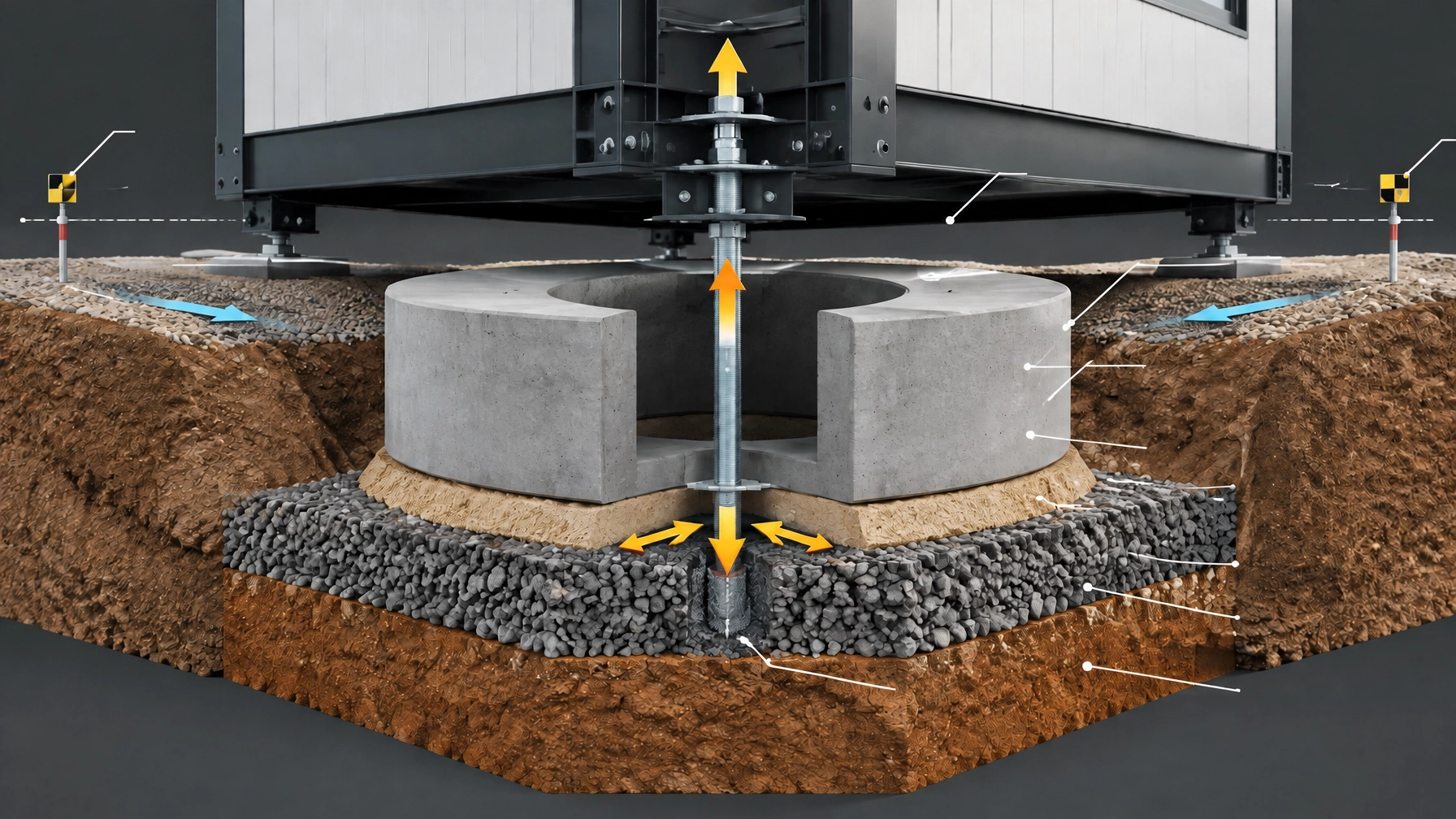
⚠️ The image in this post is used for illustration purposes only, designed to encourage thoughtful discussion. It is not intended to represent a prescriptive detail of any installation or construction method.
A completed element can be physically correct and still fail a compliance review.
The concrete may have achieved the required performance. The waterproofing may be intact. The framing may be correctly installed. The finish may be exceptional.
But if the inspection record is missing, the material certificate cannot be verified, the laboratory result is detached from the tested item, or the as-built record cannot be reconciled with the work, the project has entered a compromised evidentiary state.
In a dispute, that broken trail can decide the outcome.
This is the evidentiary threshold: the minimum level of authentic, reliable, complete, and retrievable information required to demonstrate that a construction obligation was met. It is where physical site execution meets construction compliance, audit scrutiny, contractual accountability, and forensic review.
Construction teams often treat documentation as an administrative by-product of the work.
That assumption is strategically weak.
A project does not become defensible merely because an element appears sound at completion. It becomes defensible when the responsible parties can show:
Consider a structurally satisfactory slab with no contemporaneous inspection record. Consider a compliant façade product supported only by an unverified certificate. Consider a test result stored in a laboratory folder with no specimen number, project reference, or chain of custody.
The physical condition may be acceptable. The evidentiary position is not.
That distinction becomes critical in London, Dubai, Singapore, and other high-value markets where projects involve multiple contractors, consultants, specialist suppliers, client representatives, certifiers, lenders, insurers, and legal advisers.
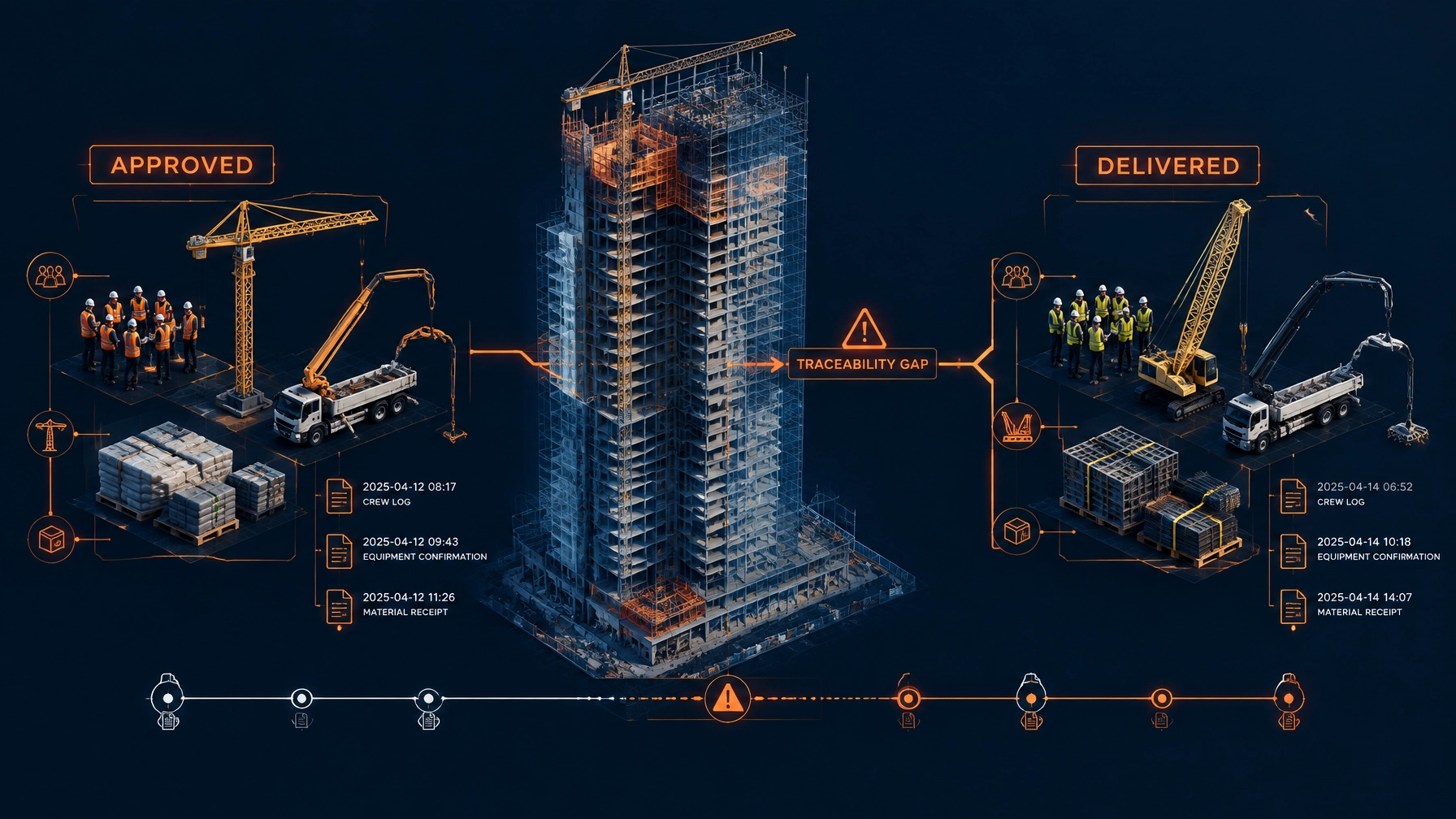
A missing record does more than create an administrative gap. It interrupts causation.

⚠️ The image in this post is used for illustration purposes only, designed to encourage thoughtful discussion. It is not intended to represent a prescriptive detail of any installation or construction method.
A dispute requires more than an assertion that something was done. It requires a traceable connection between requirement, activity, result, acceptance, and final condition.
The following records commonly break that connection:
When these records are absent, an investigator may be unable to determine whether the relevant work was completed under the correct specification, inspected at the correct stage, or altered after approval.
That uncertainty affects causation.
If a defect later appears, the question is not simply whether the final element looks acceptable. The question is whether the project team can prove the sequence of decisions and controls that produced it.
Where the sequence is broken, responsibility becomes harder to allocate. The result is often expanded testing, destructive investigation, delay, commercial pressure, and legal escalation.
Classify every evidence gap. Do not describe all missing information as “incomplete.” Different failure classes carry different forensic consequences.
The record does not exist or cannot be located.
Examples include a missing hold-point inspection, an undocumented change approval, or a test that was allegedly completed but has no report.
Treat absent evidence as an unproven activity. Do not replace it with assumption or retrospective confidence.
A record exists but lacks information needed to establish context or reliability.
Examples include:
Incomplete evidence may be recoverable, but only if the missing context can be independently verified.
The document exists, but its authenticity, origin, status, or technical basis cannot be confirmed.
Examples include:
Do not confuse possession with verification.
Two or more records conflict.
Examples include an approved drawing that differs from the installed condition, a delivery certificate that identifies a different product than the test report, or a site photograph that predates the stated inspection.
Contradictory evidence is often more damaging than absent evidence because it creates an affirmative question: which record is reliable, and who knew about the conflict?
The audit model determines when evidence is examined and how much recovery remains possible.
A completion-stage audit is efficient for reviewing a compiled file, but it is late for recovering concealed work, verifying original data, or reconstructing decisions from personnel who have left the project.
A progressive audit examines evidence at defined intervals. It tests whether records are being created, linked, approved, and retained while the work remains observable and recoverable.
A forensic audit is different again. It begins with a disputed condition, alleged failure, or contested obligation and works backward through the evidence chain.
Each model has a legitimate role. The failure occurs when a project assumes that a completion review can provide the same protection as contemporaneous verification.
Set the engagement model before works commence. Define which evidence must be reviewed before concealment, before release of payment, before approval of a variation, and before handover.
Digital documentation can improve traceability, but only when its controls are understood.
Review:
Preserve chain of custody when records may become disputed evidence. Do not rely on screenshots when the original record, audit trail, or message history is available.
Control records stored in cloud platforms, email accounts, project management systems, and messaging applications. A message stating “approved” may be relevant, but its evidentiary value depends on who sent it, what document it referred to, whether the sender had authority, and whether the message can be linked to the final work.
Use a controlled common data environment and maintain revision discipline. Under ISO 19650-2, delivery-phase information management depends on structured information exchanges, defined responsibilities, and controlled information status. A model or drawing that cannot be placed within that sequence is not a reliable as-built record.
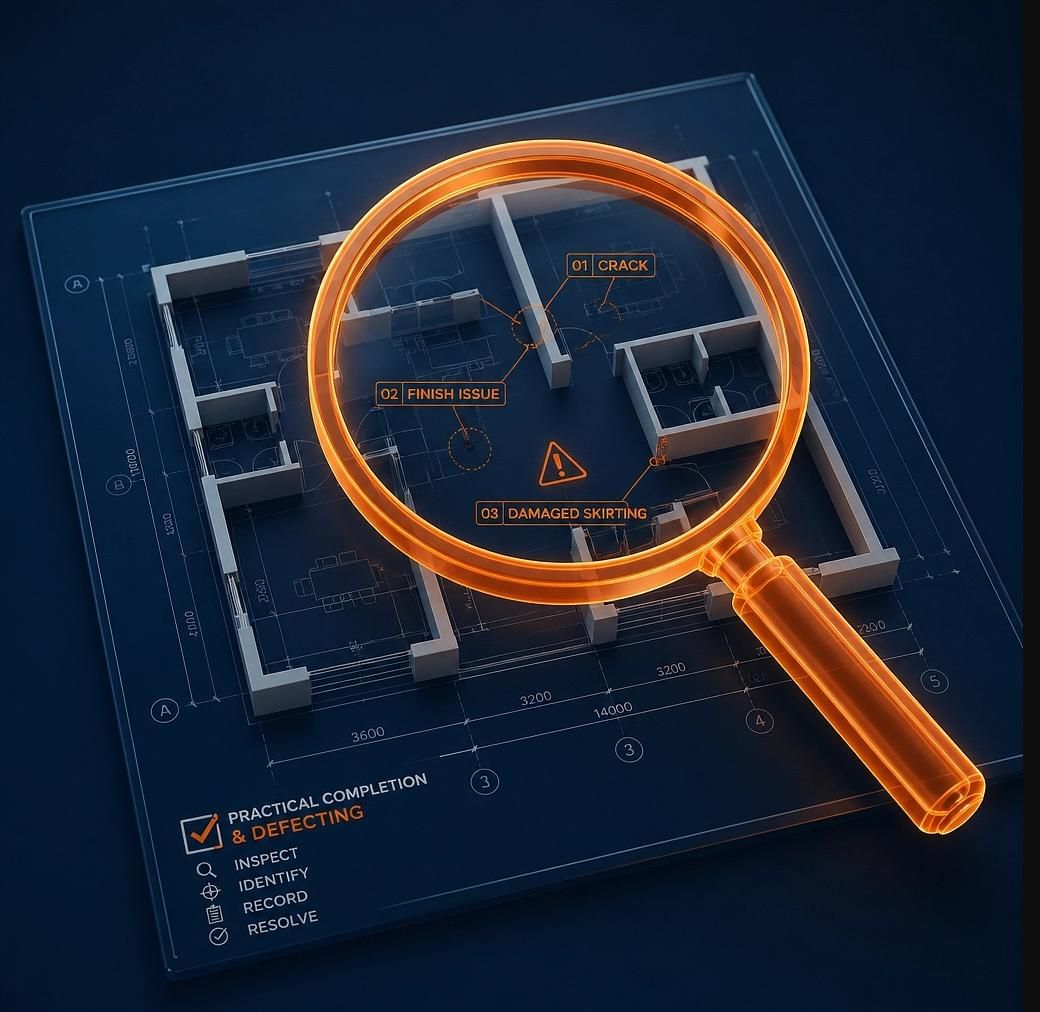
⚠️ The image in this post is used for illustration purposes only, designed to encourage thoughtful discussion. It is not intended to represent a prescriptive detail of any installation or construction method.
Contractors are focused on production, sequencing, access, labour, procurement, and completion.
Oversight bodies, client representatives, insurers, lenders, and legal advisers are focused on proof, independence, traceability, and accountability.
The friction occurs at the interface.
A contractor may regard a photograph, verbal confirmation, or internal checklist as sufficient. An oversight party may require a signed inspection record, verified certificate, approved revision, and traceable test result.
Neither side benefits from discovering that difference after the work is concealed.
A construction consultant, residential building consultant, or Client Side Project Management team should define the evidence interface in advance. Specify who creates the record, who reviews it, who authorises release, and where the final version is stored.
The following standards provide a coherent international reference framework for construction records, inspection, testing, information management, and forensic reporting.
ISO 15489-1 establishes concepts and principles for creating, capturing, and managing records as evidence of business activity.
Its relevance is direct: design the record before the activity occurs. Define its required content, metadata, retention, access, authenticity, integrity, reliability, and usability.
ISO 30301 sets requirements for a management system for records.
It moves evidence control from individual project habit into organisational governance. Establish policy, assign responsibility, monitor performance, and continually improve the recordkeeping system.
ISO/IEC 17020 addresses the competence, impartiality, and consistent operation of bodies performing inspection.
Use it as a reference point when evaluating whether inspection outputs are properly controlled, attributable, and supported by reliable records.
ISO/IEC 17025 addresses the competence of testing and calibration laboratories.
For construction projects, its importance lies in the traceability of samples, methods, observations, calculations, equipment, results, and reports. An isolated result without this supporting structure has limited forensic strength.
ISO 19650-2 specifies information-management requirements during the delivery phase of an asset using BIM.
Apply its principles to models, drawings, approvals, information exchanges, revision status, and the common data environment. Treat the final information set as an evidentiary asset, not merely a handover package.
ASTM E2713 provides an introductory reference to the professional practice of forensic engineering, including practitioner roles, qualifications, and investigative scope.
Use it to structure the investigation and define the limits of the technical opinion.
ASTM E3176 provides guidance on the purpose, content, limitations, and electronic representation of forensic engineering expert reports.
Use it when converting project records, inspections, testing, photographs, calculations, and technical conclusions into a report that can be examined by opposing experts, insurers, adjudicators, or courts.

⚠️ The image in this post is used for illustration purposes only, designed to encourage thoughtful discussion. It is not intended to represent a prescriptive detail of any installation or construction method.
List every critical obligation and define the record that will prove completion.
Specify:
Do this before procurement and site mobilisation.
Maintain a single register for inspections, tests, certificates, approvals, variations, non-conformances, photographs, correspondence, and as-built information.
Assign each record a unique reference. Link it to the relevant drawing, specification, location, trade package, activity, and revision.
Do not release a critical activity solely because the physical work appears complete.
Require the evidence package before concealment, release, or progression. Reject records that lack identity, authority, timing, or technical context.
At each review, classify evidence as:
Record the consequence, owner, recovery action, and deadline. Escalate unresolved evidence gaps before they become inaccessible.
Do not stop at a defect list.
State:
This is the role of forensic advisory.
Whether engaged as a construction consultant, building dispute consultant, home renovation consultant, or custom home build consultant Australia, the objective remains the same: convert fragmented project information into a structured, defensible position.
For medium- to high-end residential builders, developers, investors, and homeowners, disciplined evidence management is a core construction risk management service. It supports residential project management, construction compliance, and informed decision-making long after the site team has demobilised.
Shoal Bay Projects operates as the forensic advisory bridge between physical execution and oversight. Our building consultancy services are designed to identify the gap before it becomes a dispute, a delay, an insurance issue, or a legal and financial liability.
For further technical briefings and forensic construction intelligence, visit The Hive YouTube channel.
The Vault. The App. The Community. We're opening the doors to a select group of Foundation Members : free, for a limited time. Foundation Membership includes full access to The Vault (our forensic intelligence archive) and early access to the Hive app.
Once the charter window closes, this tier is gone permanently. Foundation Members retain access for life. This is not a trial : it's a permanent invitation to the founding cohort.
Claim Your Foundation Membership →
⚠️ The image in this post is used for illustration purposes only, designed to encourage thoughtful discussion. It is not intended to represent a prescriptive detail of any installation or construction method.
The physical work can be correct and the project can still be exposed.
This briefing examines why missing, incomplete, unverifiable, or contradictory records become the decisive failure point in construction disputes and compliance reviews.
Watch The Hive briefings: Shoal Bay Projects on YouTube
Claim your exclusive charter opportunity: Claim Your Foundation Membership →