Construction disputes rarely begin when a claim is formally issued. They begin earlier : when a decision is made without a controlled record, when a design change is accepted through an informal message, or when a visible defect is documented without establishing its cause.
The physical work may be incomplete, defective or disputed. But the decisive forensic battleground is usually the information surrounding that work.
For clients, builders, developers and professional advisers in Dubai, Singapore, London and other complex construction markets, Client Side Project Management is therefore not simply a coordination service. It is an evidence-control function.
A capable construction consultant does more than observe progress. Effective building consultancy services establish a reliable chain between the contract, the design, the site activity, the inspection record, the decision-maker and the completed condition.
Problem: The project is built in the field but judged through the record
The 2026 Arcadis construction disputes data provides a clear warning signal:
- Average reported dispute value: approximately US$56 million
- Average resolution period: approximately 12.16 months
- 75% of respondents expect dispute volumes to increase during 2026
The available commentary indicates that the US$56 million and 12.16-month figures relate to the North American dataset rather than a universal global average. That distinction is important. It demonstrates why dispute data must be read with the same discipline expected of project records.
Arcadis continues to identify familiar leading causes:
- Failure to comply with contractual obligations
- Errors and omissions in contract documents
- Delays and disruption
These causes are not independent of documentation. They are often created or amplified by it.
A contractor may say that an instruction was issued verbally. The client may say that the instruction was never approved. The designer may say that the drawing was superseded. The oversight body may assess the completed work against an approved design that the site team no longer used.
At the same time, the client may be focused on quality of finish. The contractor may be focused on programme and practical completion. The oversight body may be focused on regulatory submissions, inspection points and prescribed evidence. These are different operating priorities.
A polished surface does not prove structural conformity. A completed room does not prove that the concealed work was installed correctly. A signed checklist does not prove that the person signing it had the authority, information or competence to approve the condition.
This is where residential project management, construction compliance and evidence control converge.

Forensic Analysis: The documentation deficit
1. A dispute is a timeline problem before it is a workmanship problem
When a dispute escalates, the central questions are usually chronological:
- What information was issued?
- Which revision was current?
- When was the risk identified?
- Who was notified?
- What response was required?
- Who authorised the change?
- What work proceeded before the issue was resolved?
- Was the completed condition inspected, tested and accepted?
If the project cannot answer these questions through controlled information, the dispute becomes a contest of recollection.
Emails, messaging applications, photographs stored on personal devices and unstructured site notes may provide fragments of evidence. They rarely provide a complete evidentiary chain.
A residential building consultant or independent client-side project manager should create that chain before the dispute exists.
2. Physical execution and regulatory compliance operate at different speeds
Site work progresses continuously. Regulatory and contractual decisions often move through slower review cycles.
This creates predictable friction:
- The contractor needs a rapid answer to maintain production.
- The designer needs sufficient information to assess the technical consequence.
- The client needs to understand cost, time and quality implications.
- The oversight body may require formal evidence before accepting the change.
- The contract may require notice within a defined period.
When those obligations are not integrated into one information workflow, the site may continue while the decision remains unresolved.
The result is not always an obvious defect. It may be a concealed departure from design intent, an unverified material substitution, an incomplete inspection record or an unsupported assumption about approval.
For example, a visually high-quality concrete finish may coexist with unresolved questions about reinforcement placement, curing, strength or dimensional compliance. Appearance is relevant to client expectations, but it is not a substitute for technical evidence. Where applicable, records such as concrete testing under ASTM C39 and design conformity assessed against ACI 318 are more probative than visual acceptance alone.
3. Audit engagement models create different levels of evidence
Not all inspections provide the same forensic value.
Reactive defect inspection usually occurs after completion. It identifies visible symptoms but often lacks reliable information about what was concealed, changed or rejected during construction.
Periodic oversight inspections provide useful snapshots. However, gaps between visits can leave critical events undocumented. A defect may exist between inspections, be covered, altered or repaired before the next review.
Contractor-controlled quality records can be valuable, but they may not independently resolve questions about impartiality, completeness or contractual entitlement.
After-the-event expert investigation can interpret the available material, but cannot recreate evidence that was never captured.
Client Side Project Management operates differently. It establishes the information protocol, monitors decision pathways, tracks unresolved matters and preserves the client’s independent position throughout the project.
This does not replace the contractor’s quality system, designer’s obligations or statutory oversight. It creates the bridge between them.
4. ISO 19650 turns information management into a project control
Under an ISO 19650-aligned approach, the project should operate through an agreed information source : commonly referred to as a Common Data Environment.
The objective is not merely to store files. It is to control information containers through defined processes:
- Work in Progress
- Shared information
- Published information
- Archived information
Each drawing, report, instruction, inspection record, test result and decision should have an identifiable status, revision and responsible origin.
This changes the role of the client-side project manager. The function is no longer limited to reporting whether work appears to be progressing. It becomes the active control of what information may be relied on, by whom and for what purpose.
The project manager should be able to demonstrate:
- Which document governed the work at a particular date
- Which revision was superseded
- Whether a technical query was answered before installation
- Whether an inspection condition was closed
- Whether a variation altered the compliance pathway
- Whether an approval was conditional or final
That record can determine whether a later allegation is established, weakened or defeated.

Standard Reference: International frameworks for evidence control
ISO 19650-1 and ISO 19650-2 : Information management using BIM
ISO 19650 provides the framework for managing information across the life cycle of a built asset.
For the delivery phase, the relevant principles include:
- Defining information requirements before production begins
- Allocating information-management responsibilities
- Using agreed naming and classification methods
- Controlling revisions and suitability status
- Moving information through defined states
- Retaining a traceable history of decisions and approvals
Client-side management should apply these principles even when the project is not a full BIM environment. Drawings, schedules, contracts, photographs, inspection records and correspondence are still information containers requiring control.
ISO 9001:2015, Clause 7.5 : Documented information
The ISO guidance on documented information distinguishes between information maintained to support processes and records retained as evidence of results.
Applied to construction, this means controlling:
- Inspection and test records
- Approved drawings and specifications
- Nonconformity reports
- Corrective-action records
- Material and product documentation
- Approval and concession records
- Calibration and verification records
The control objective is clear: make information available when required, protect its integrity, identify its status and preserve evidence of conformity.
ISO 31000:2018 : Risk management
ISO 31000 treats risk management as a structured, dynamic process based on the best available information.
A client-side risk register should connect each material risk to:
- Its source and potential consequence
- The current control
- The responsible owner
- The required treatment
- The evidence needed to demonstrate closure
- The date of review
This is the difference between a risk register used for presentation and one used for governance.
Actionable Fix: Build the evidence architecture before construction starts
Implement the following controls at project commencement.
1. Establish a controlled information environment
Define one agreed location for current drawings, specifications, schedules, reports, approvals, photographs and correspondence.
Set rules for:
- File naming
- Revision identification
- Approval status
- Access permissions
- Superseded information
- Archiving and retention
Do not allow critical project decisions to exist only in private inboxes or informal messaging channels.
2. Create an information responsibility matrix
Identify who creates, reviews, approves, issues and relies on each information type.
Include the client, contractor, designer, specialist consultants, inspectors and relevant oversight participants.
Make authority visible. A record is weaker when it is unclear whether the person issuing an instruction had the power to issue it.
3. Link every site observation to a requirement
For each material observation, record:
- Location
- Date and time
- Relevant drawing or specification
- Photographic evidence
- Condition observed
- Required action
- Responsible party
- Due date
- Closure evidence
Use consistent inspection, request-for-information and nonconformity workflows.
4. Separate visual acceptance from technical acceptance
Record quality of finish separately from structural, services, fire, moisture and performance requirements.
Ask the correct question for each condition:
- Does it look acceptable?
- Does it comply with the approved information?
- Has it been inspected at the correct stage?
- Has it been tested where required?
- Has the responsible authority accepted it?
- Is the evidence retrievable?
Do not allow visual completion to close a technical risk.
5. Review unresolved matters at executive level
A client-side project manager should issue a regular decision and risk report showing:
- Open technical queries
- Overdue responses
- Unapproved changes
- Repeated quality failures
- Delayed inspections
- Missing certificates
- Potential contractual notices
- Risks approaching concealment or irreversible work
Escalate before the physical work removes the opportunity to inspect or correct it.
6. Preserve the record through handover
Handover is not the moment to start collecting evidence. It is the final stage of a record that should have been built progressively.
Retain the approved information, inspection history, test records, change register, defect closure evidence and final asset information in a structured archive.
Whether the client requires a home renovation consultant, a custom home build consultant Australia, a building dispute consultant or broader construction risk management services, the underlying requirement is the same: establish a defensible information trail before positions harden.
Shoal Bay Projects provides the forensic advisory bridge between physical execution, contractual obligations and construction compliance. For clients searching for construction advisory australia or specialist building consultancy services in international markets, the principle remains universal:
Document the decision before the dispute asks you to prove it.
Explore further forensic construction intelligence through The Hive YouTube channel.

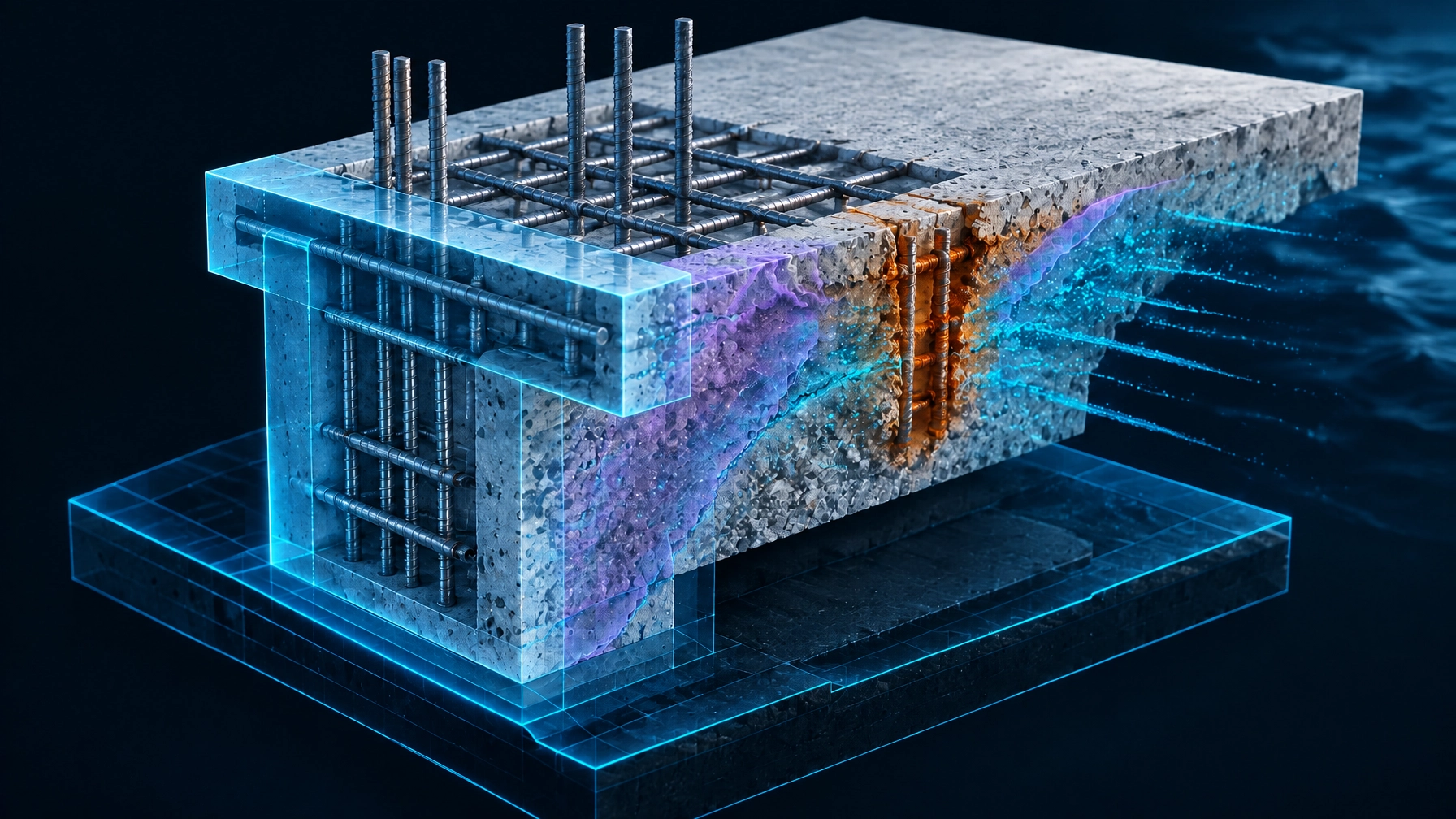
⚠️ The image in this post is used for illustration purposes only, designed to encourage thoughtful discussion. It is not intended to represent a prescriptive detail of any installation or construction method.
Claim Your Foundation Membership
The Vault. The App. The Community. We're opening the doors to a select group of Foundation Members : free, for a limited time. Foundation Membership includes full access to The Vault (our forensic intelligence archive) and early access to the Hive app.
Once the charter window closes, this tier is gone permanently. Foundation Members retain access for life. This is not a trial : it's a permanent invitation to the founding cohort.
Claim Your Foundation Membership →
Circle-Ready Pack
Community Introduction
A construction dispute is often decided long before lawyers, experts or adjudicators become involved.
The decisive issue is usually not whether someone remembers what happened. It is whether the project can prove what information was issued, which revision governed, who made the decision and whether the completed work was inspected against the correct requirement.
This post examines why Client Side Project Management, aligned with ISO 19650 information-management principles, acts as the project’s evidence-control function.
Title and Full Link
The Documentation Deficit: Why Client Side Project Management Determines Whether a Construction Dispute Is Won or Lost Before It Starts
Read via Shoal Bay Projects →
Key Forensic Takeaways
- The primary dispute battleground is often the project record, not the visible defect. Uncontrolled revisions, informal instructions and missing inspection evidence weaken contractual and technical positions.
- ISO 19650 principles convert project information into a controlled workflow, with defined status, revision history, responsibility and traceability.
- Client Side Project Management provides the independent bridge between site execution, contractor quality systems, contractual obligations and oversight expectations.
Image Assets
⚠️ The image in this post is used for illustration purposes only, designed to encourage thoughtful discussion. It is not intended to represent a prescriptive detail of any installation or construction method.
Continue the Discussion
Watch further forensic construction intelligence on The Hive YouTube channel.
Claim Your Foundation Membership
The Vault. The App. The Community. We're opening the doors to a select group of Foundation Members : free, for a limited time. Foundation Membership includes full access to The Vault (our forensic intelligence archive) and early access to the Hive app.
Once the charter window closes, this tier is gone permanently. Foundation Members retain access for life. This is not a trial ; it's a permanent invitation to the founding cohort.
Claim Your Foundation Membership →