Construction
Jul 20, 2026
The Certifier's Liability Gap: Why Builders Need Forensic Advisory Between BCA Compliance and Trade Workmanship
The Certifier's Liability Gap: Why Builders Need Forensic Advisory Between BCA Compliance and Trade Workmanship

The Certifier's Liability Gap: Why Builders Need Forensic Advisory Between BCA Compliance and Trade Workmanship
For senior construction professionals, the distinction between a 'passed' inspection and a 'quality' build is often the difference between a profitable project and a decade-long liability trail. In the current Australian regulatory landscape, a Building Certifier’s primary mandate is the verification of minimum statutory compliance as defined by the National Construction Code (NCC) and the Building Code of Australia (BCA). However, there exists a profound "Liability Gap" where physical site execution meets regulatory sign-off: a gap that often swallows builders who mistake certification for quality assurance.
Shoal Bay Projects operates within this gap, providing the forensic building consultancy services required to bridge the distance between what is legally "compliant" and what is technically "correct."
The fundamental friction point in modern residential project management is the misunderstanding of the certifier's role. A certifier is a statutory regulator, not a quality control officer. Their involvement is limited to critical stage inspections: foundation, slab, frame, and final. If a detail is "readily observable" and meets the minimum performance requirements of the NCC, it passes.
However, the NCC is a minimum standard. It does not govern the "quality of finish," the precision of a mitre joint, or the long-term durability of a waterproofing membrane beyond its immediate statutory requirement. Builders often find themselves in a precarious position: they have an Occupation Certificate (OC) in hand, yet they are facing litigation from homeowners or developers over workmanship that, while technically "compliant" in the eyes of a busy certifier, fails the test of Australian Standards or contractual specifications.
This discrepancy creates a false sense of security. A builder may engage a private certifier who, under the pressure of commercial timelines, relies on third-party certificates (Form 15s or equivalent) for hidden elements like internal waterproofing or structural steel. If those certificates are flawed or the execution on-site was marginal, the builder remains the primary party liable for the defect, regardless of the certifier's sign-off.
When we perform construction risk management services, we frequently identify three critical friction points where the certifier's scope ends and the builder's liability begins:
The NCC is increasingly performance-based. Builders frequently adopt "Performance Solutions" to save costs or resolve architectural complexities. While a certifier may accept a performance solution based on a consultant’s report, the forensic reality is that these solutions often lack the historical data of DTS provisions. If the solution fails, the builder: not the certifier: is left defending the engineering logic in a building dispute.
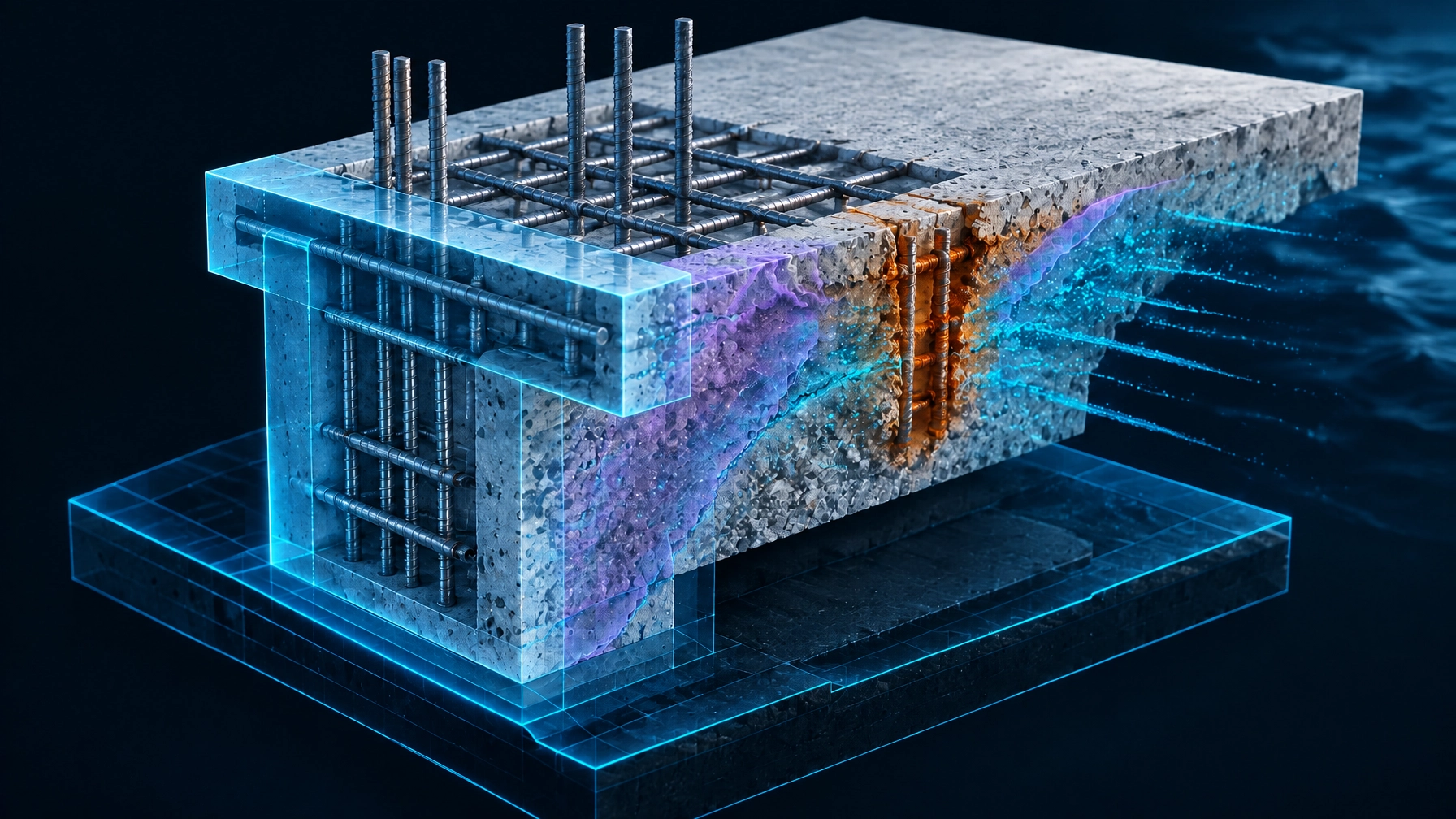
Certifiers are only required to inspect what is visible at the time of inspection. They are not required to move materials, uncover hidden works, or perform forensic testing. A slab may be poured with reinforcement at the bottom of the pile rather than mid-depth; if it looks correct during the brief window of the pre-pour inspection, it passes. The subsequent cracking and structural failure are "latent defects" that the certifier is largely shielded from, leaving the residential building consultant to pick up the pieces.
There is a stark disconnect between AS 3958.1 (Tiling) and the BCA’s structural requirements for wet areas. A certifier checks for the presence of a waterproof membrane and the slope to waste. They do not check for lippage, grout consistency, or the aesthetic alignment of tiles. When a homeowner refuses final payment based on "poor quality," the builder cannot use the OC as a shield. The OC proves the house is safe to inhabit; it does not prove the contract has been fulfilled to a professional standard.

To mitigate risk, senior practitioners must understand the hierarchy of standards. Compliance with the NCC is mandatory, but compliance with Australian Standards (AS) is often the contractual benchmark for "good industry practice."
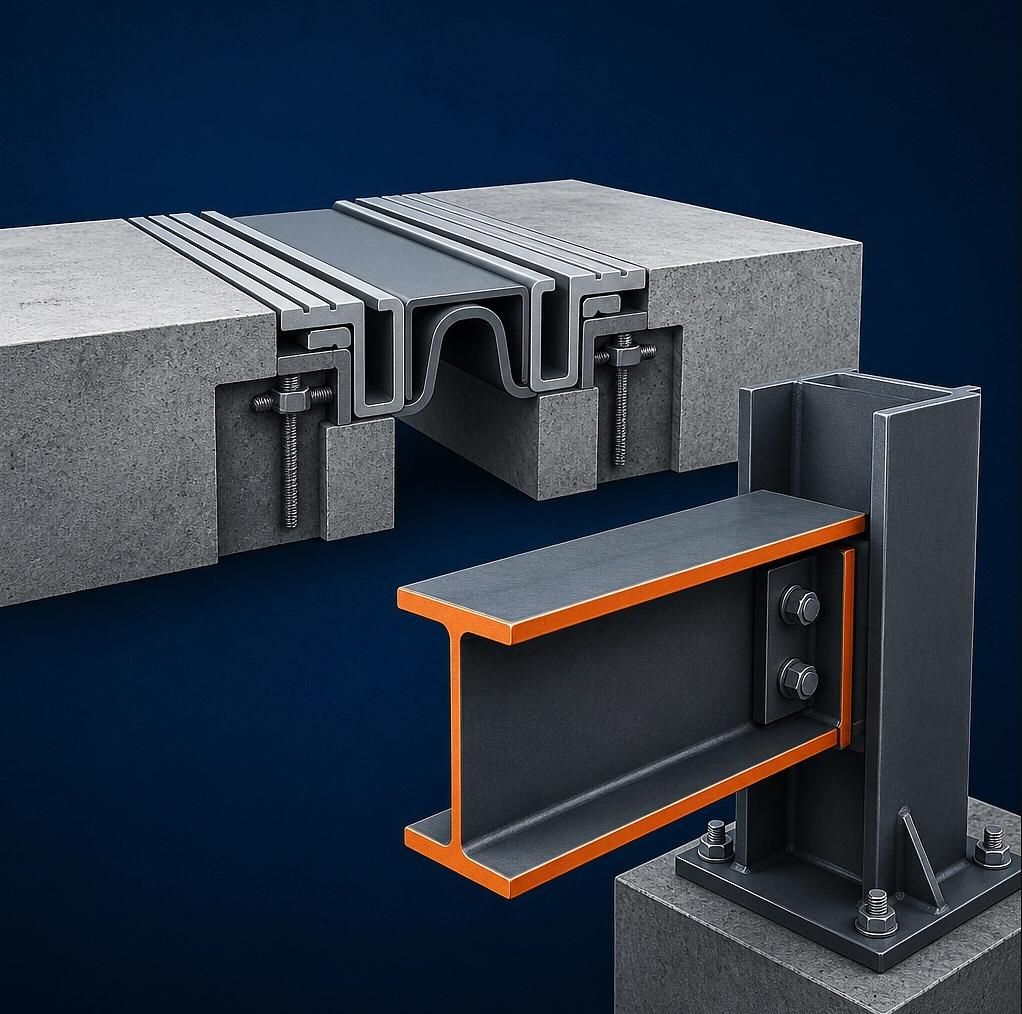
Builders and developers in the Greater Sydney Area and across Australia must move beyond the "Certifier-only" model of compliance. As a specialist building consultancy, we recommend the following forensic protocol to close the liability gap:
Shoal Bay Projects provides the forensic advisory bridge that prevents these friction points from escalating into legal or financial disasters. We don't just check if it's "legal": we check if it's right.
For more technical insights into forensic construction standards, visit the Shoal Bay Projects YouTube channel.

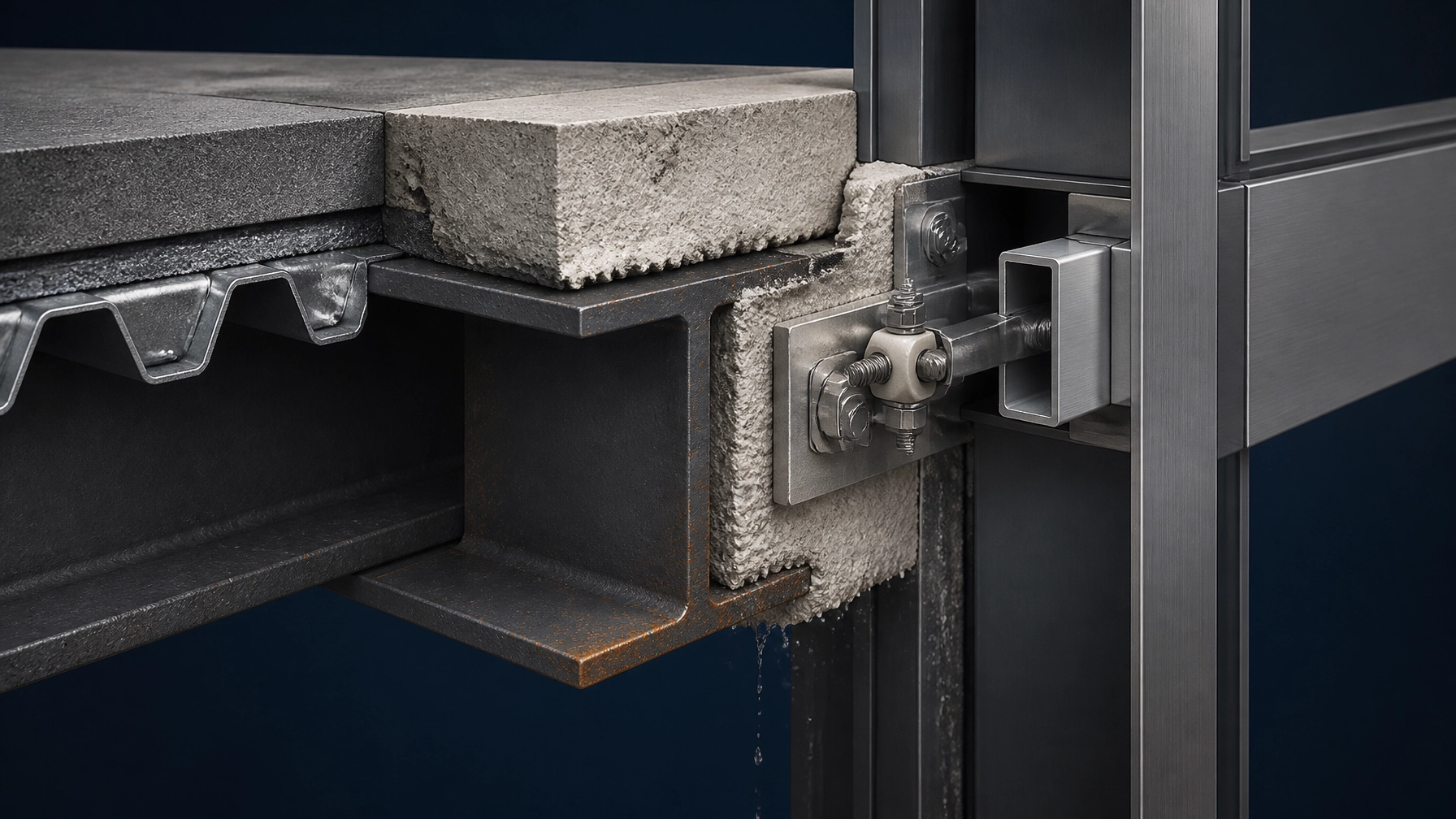
⚠️ The image in this post is used for illustration purposes only, designed to encourage thoughtful discussion. It is not intended to represent a prescriptive detail of any installation or construction method.
Claim Your Foundation Membership
The Vault. The App. The Community. We're opening the doors to a select group of Foundation Members : free, for a limited time. Foundation Membership includes full access to The Vault (our forensic intelligence archive) and early access to the Hive app.
Once the charter window closes, this tier is gone permanently. Foundation Members retain access for life. This is not a trial : it's a permanent invitation to the founding cohort.
[Claim Your Foundation Membership →]
The Certifier's Liability Gap: Why 'Passed' Isn't Enough
Building Certifiers are statutory regulators, not quality control. This week, we dive into the dangerous "Liability Gap" between BCA minimums and the actual workmanship standards required to stay out of court. If you are relying on an Occupation Certificate to prove your build is "quality," you are exposed.
Full Blog Post: [The Certifier's Liability Gap: Why Builders Need Forensic Advisory Between BCA Compliance and Trade Workmanship]
Key Forensic Takeaways:
Check out the technical breakdown of a structural failure vs. compliance sign-off in the attached imagery.