Construction
Jul 2, 2026
Safety First: New Penalties and Conflict Rules for NSW Certifiers
Safety First: New Penalties and Conflict Rules for NSW Certifiers

Safety First: New Penalties and Conflict Rules for NSW Certifiers
The landscape of the New South Wales building industry is shifting, and if you are a builder or a developer, the ground just got a lot firmer. With the introduction of the Building (Approvals and Practitioners) Bill 2026, the NSW Government is sending a clear message: transparency is no longer optional.
At Shoal Bay Projects, we’ve been tracking these reforms closely. The headline acts: a massive jump in penalties to $1.1 million and the introduction of automatic suspensions for certifiers: are designed to purge the "cosy" relationships that have historically plagued the sector. Whether you’re a custom home builder or a homeowner planning a major renovation, these changes impact your risk profile and your project's integrity.
For years, the maximum penalty for a certifier breaching conflict-of-interest rules sat at a relatively modest $33,000. In the context of multi-million dollar developments, many viewed this as a mere "cost of doing business."
That era is over. Under the 2026 reforms, court-imposed penalties for conflict-of-interest breaches have skyrocketed to $1.1 million.
This isn't just about the money; it’s about the message. The NSW Building Commission is signaling that the role of a private certifier is one of public trust. When a certifier signs off on a stage of construction: be it the footing depth or the fire safety systems: they are acting as a proxy for the regulator. If that signature is compromised by a business or personal relationship, the entire safety net of the National Construction Code (NCC) 2022 is pulled out from under the homeowner.
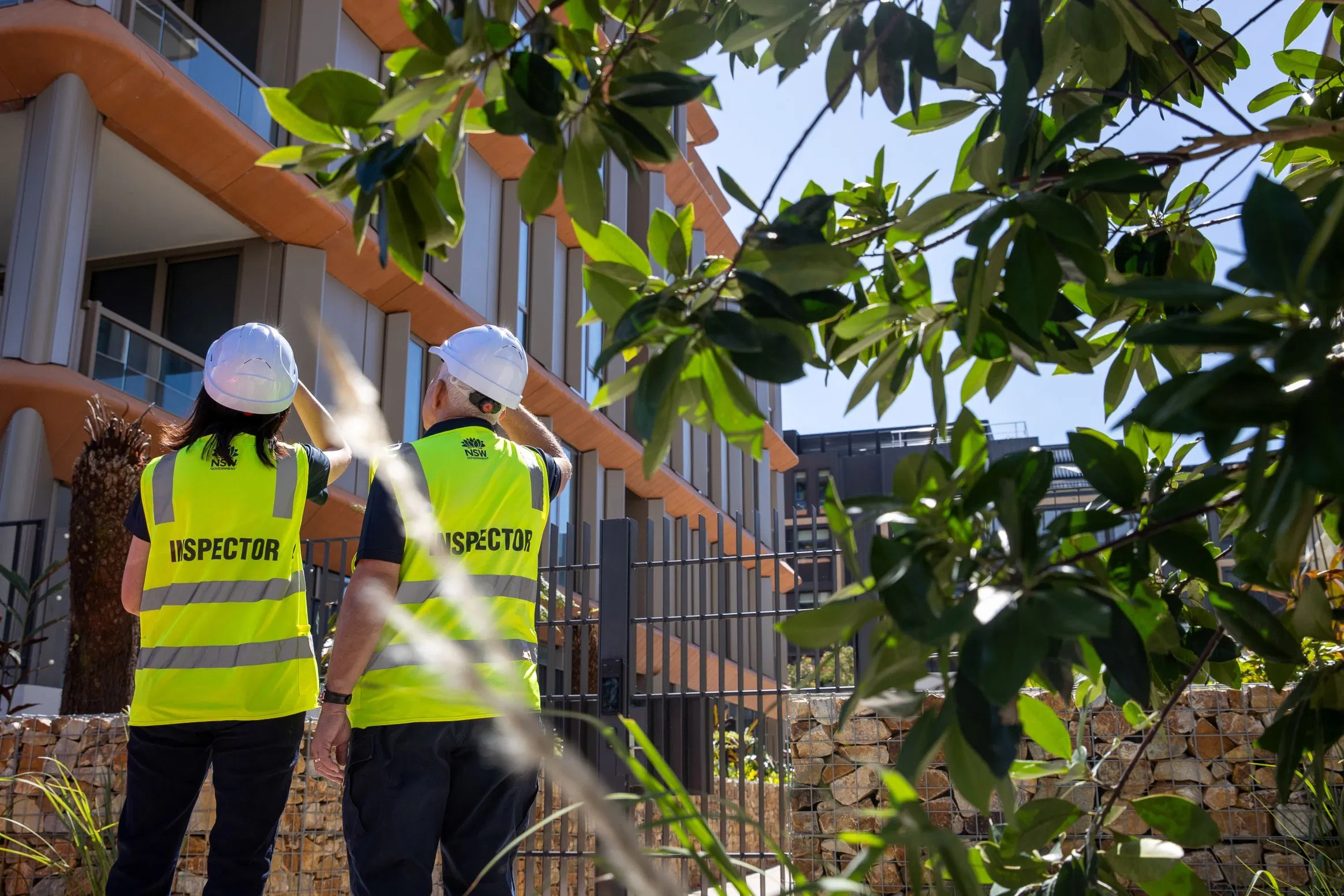
One of the most significant parts of the Bill is the clarification of the "conflict of interest" test. In the past, "grey areas" allowed certifiers to work a bit too closely with builders they had long-standing commercial ties with.
The new test is more rigid. It explicitly sets out when a certifier cannot be involved in a development. This includes:
Check your current partnerships. If you are a builder who consistently uses the same certifier for every project, you need to ensure that the relationship remains strictly professional and documented. Under the new laws, "perceived" conflicts are just as dangerous as actual ones.
Perhaps even more daunting than the seven-figure fine is the automatic suspension rule.
Previously, if a certifier was found to have a conflict of interest, the disciplinary process was often discretionary and lengthy. Under the 2026 Bill, if a court convicts a certifier of a conflict-of-interest breach, their registration is automatically suspended.
They are stood down immediately. No appeals process to stay the suspension, no "slap on the wrist." For a builder, this is a catastrophic project risk. If your certifier is suspended mid-build, your project grinds to a halt. Finding a new certifier to take over a partially completed site is notoriously difficult and expensive, as the new practitioner must take on the liability for everything that came before them.
As a builder, your risk management strategy must now include a forensic look at your certification process. You are no longer just building a house; you are building a compliance trail.
If you are a homeowner, these reforms are a massive win. One of the biggest fears in a custom build is that the "independent" certifier is actually in the builder's pocket.
The new automatic suspension and massive fines act as a powerful deterrent. You can have higher confidence that when a certifier says your foundation is compliant with the approved plans and Australian Standards, they mean it. They simply cannot afford the risk of being wrong.
However, don't leave it all to the certifier. Engaging a consultant like Shoal Bay Projects provides an extra layer of advisory oversight. We help you interpret the certifier's reports and ensure that the "quality" being signed off on actually meets your expectations, not just the minimum regulatory floor.
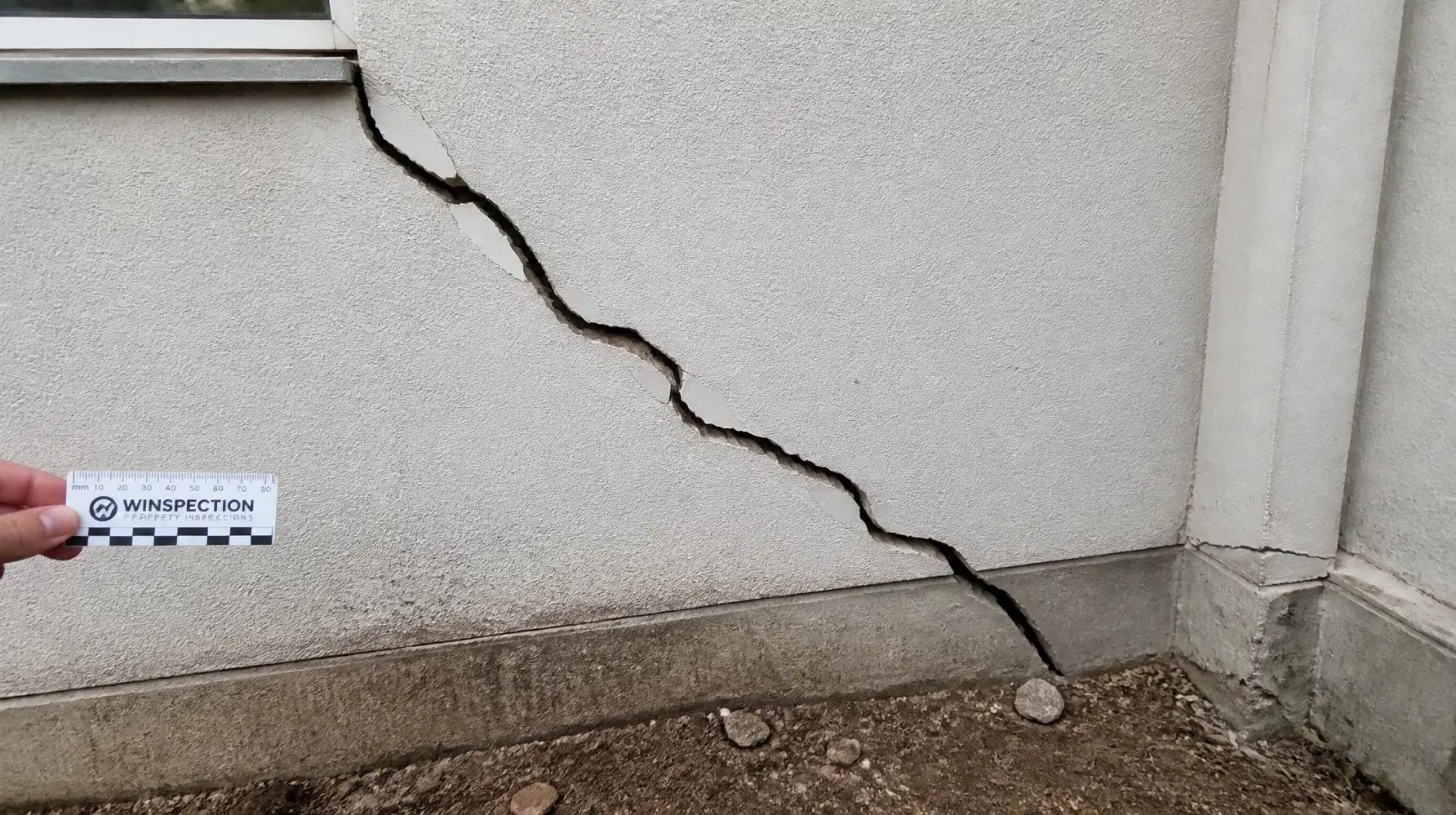
At Shoal Bay Projects, we specialize in the "forensic" side of construction advisory. We don't just look at the surface; we look at the structural integrity and the documentation that supports it.
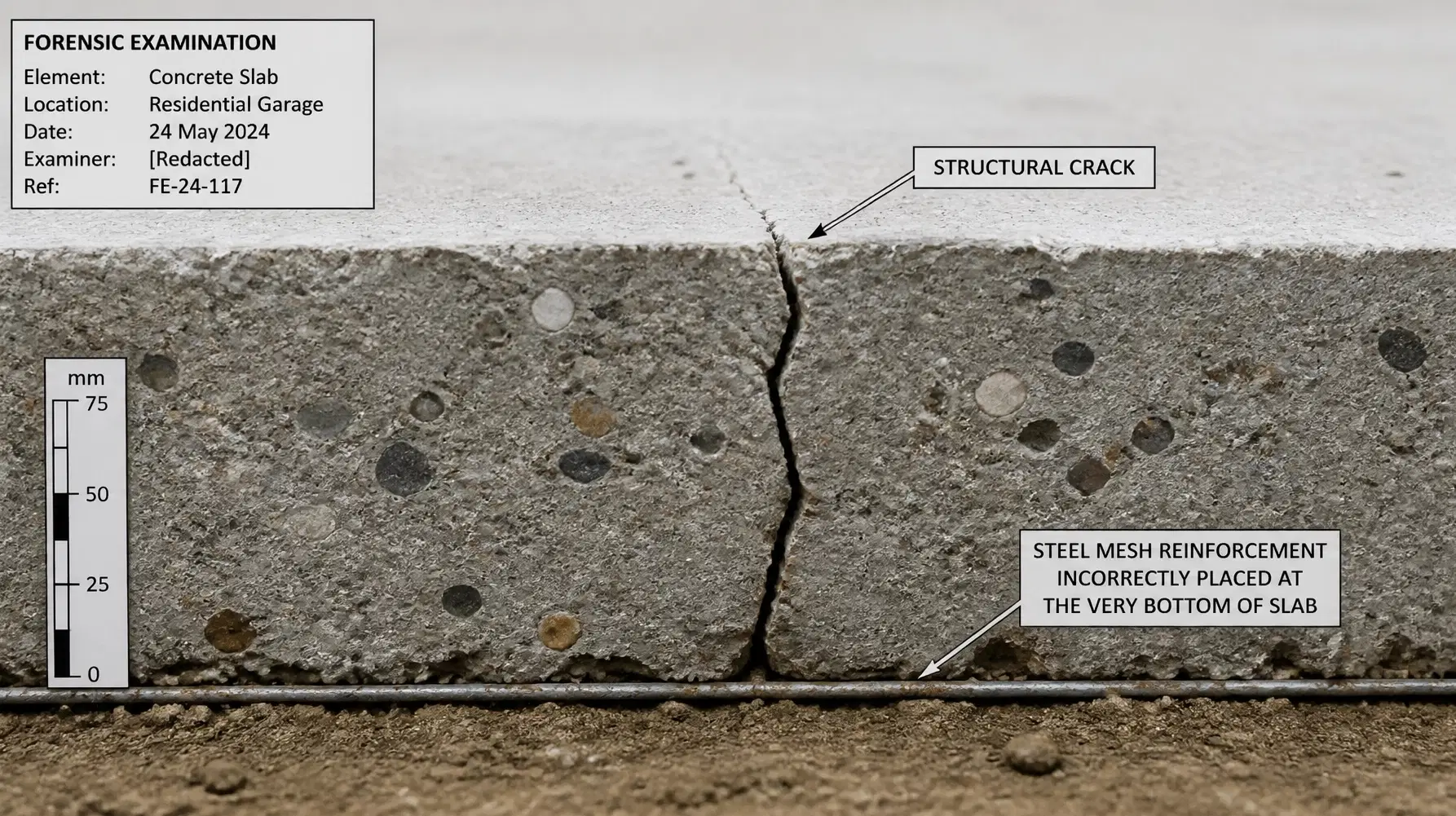
When we see defects like the one pictured above: a major structural crack through a slab with incorrectly positioned reinforcement: it’s often a sign of a breakdown in the inspection process. The new NSW laws are designed specifically to prevent these types of failures by ensuring the person inspecting the work has no reason to ignore the truth.
Navigating these changes can be overwhelming. The Building Productivity Reforms are intended to make building faster and smarter, but they also make the penalties for getting it wrong much sharper.
Whether you are navigating Modern Methods of Construction (MMC) or traditional residential builds, you need an advisor who understands the intersection of the NCC, the Building (Approvals and Practitioners) Bill, and the practical realities of a site.
Specify independence in your contracts. Document your compliance stages. Check the credentials of everyone on your site.
If you’re looking to stay ahead of these legislative shifts and connect with a community of compliance-focused professionals, we invite you to join us. The Hive and The Vault are our dedicated hubs for builders and homeowners who want to build better, safer, and with less risk.
Explore our community hub and see how we are changing the narrative around construction quality in Australia.
Watch: Welcome to the Hive

| Feature | Old Rule | New Rule (2026 Bill) |
|---|---|---|
| Max Penalty | $33,000 | $1.1 Million |
| Suspension | Discretionary / Disciplinary | Automatic upon conviction |
| Conflict Test | General / Subjective | Explicitly defined and tightened |
| Focus | Minimum Compliance | Transparency and Public Trust |
Staying compliant isn't just about avoiding fines; it’s about protecting your reputation and your clients' biggest investments. Let’s build something that lasts.