Construction
Jul 2, 2026
Performance vs. Polish: Why Visual Excellence is No Proxy for Structural Integrity
Performance vs. Polish: Why Visual Excellence is No Proxy for Structural Integrity

Performance vs. Polish: Why Visual Excellence is No Proxy for Structural Integrity
In the high-end residential sector, the distance between a "masterpiece" and a "liability" is often measured in millimeters: specifically, those millimeters of membrane, reinforcement, and structural connection that are buried beneath $400-per-square-metre Italian marble.
As construction directors and senior project leads, the pressure to deliver "visual excellence" is immense. Clients pay for the polish; they expect the performance as a given. However, a forensic analysis of recent litigation and defect trends reveals a dangerous trend: an over-investment in aesthetic finishes at the expense of fundamental structural and regulatory compliance.
Visual excellence is a marketing tool. Structural integrity is a legal and fiduciary shield. Confusing the two is the fastest route to a boardroom-level disaster.
The Australian building industry operates within a performance-based code: the National Construction Code (NCC). While this allows for innovation, it also creates a vacuum where "quality of finish" is often conflated with "building quality."
From a forensic advisory perspective, a building with zero paint defects but a non-compliant slab-to-wall junction is a failure. Conversely, a building with minor plaster cracks but a perfectly executed load path (AS 1684) and a robust, graded waterproofing system (AS 3740) is a technical success.
The risk for directors is that polish masks failure. By the time the "polish" fails: through tiling cracks, efflorescence, or structural movement: the underlying non-compliance has often matured into a multi-million dollar remediation project.
Under the current Australian regulatory landscape, particularly with the introduction of the Design and Building Practitioners (DBP) Act and evolving common law, the veil of corporate protection is thinning. Directors and nominated supervisors can no longer claim ignorance of site-level execution failures if those failures stem from systemic lack of oversight.
When a project prioritizes the "finishing" stage to meet a liquidated damages deadline while cutting corners on "performing" elements, the risk profile shifts from the company to the individual directors. Statutory warranties and the duty of care to future owners mean that a "visual masterpiece" delivered today could become a personal liability five years down the line.
Construction risk management services are no longer optional: they are a prerequisite for protecting director-level assets and professional reputations.
Waterproofing is the most litigated defect in Australian residential construction. It is also the area where "polish" is most frequently used to hide "performance" failures.
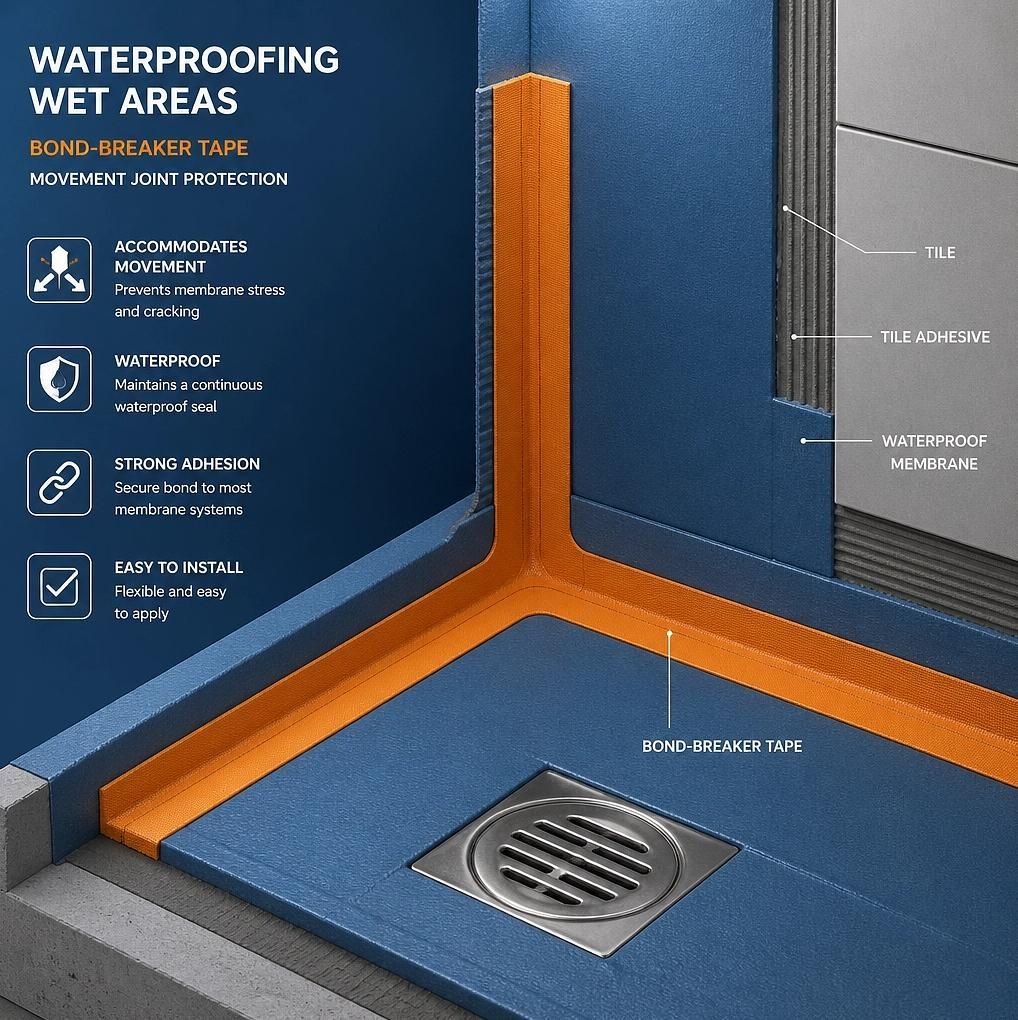
Under AS 3740:2021 (Waterproofing of domestic wet areas), the requirements are clinical. It isn't just about the presence of a membrane; it's about the technical execution of:
Too often, we see "premium" bathrooms where the membrane is applied over poorly prepared substrates or where the waterstop is omitted to achieve a "seamless" floor finish. In these cases, the visual excellence (the seamless floor) is the direct cause of the structural failure (water ingress into the framing).
While waterproofing failures are a slow burn, structural failures are catastrophic. Whether working with concrete (AS 3600) or timber framing (AS 1684), the integrity of the build relies on the invisible connections.
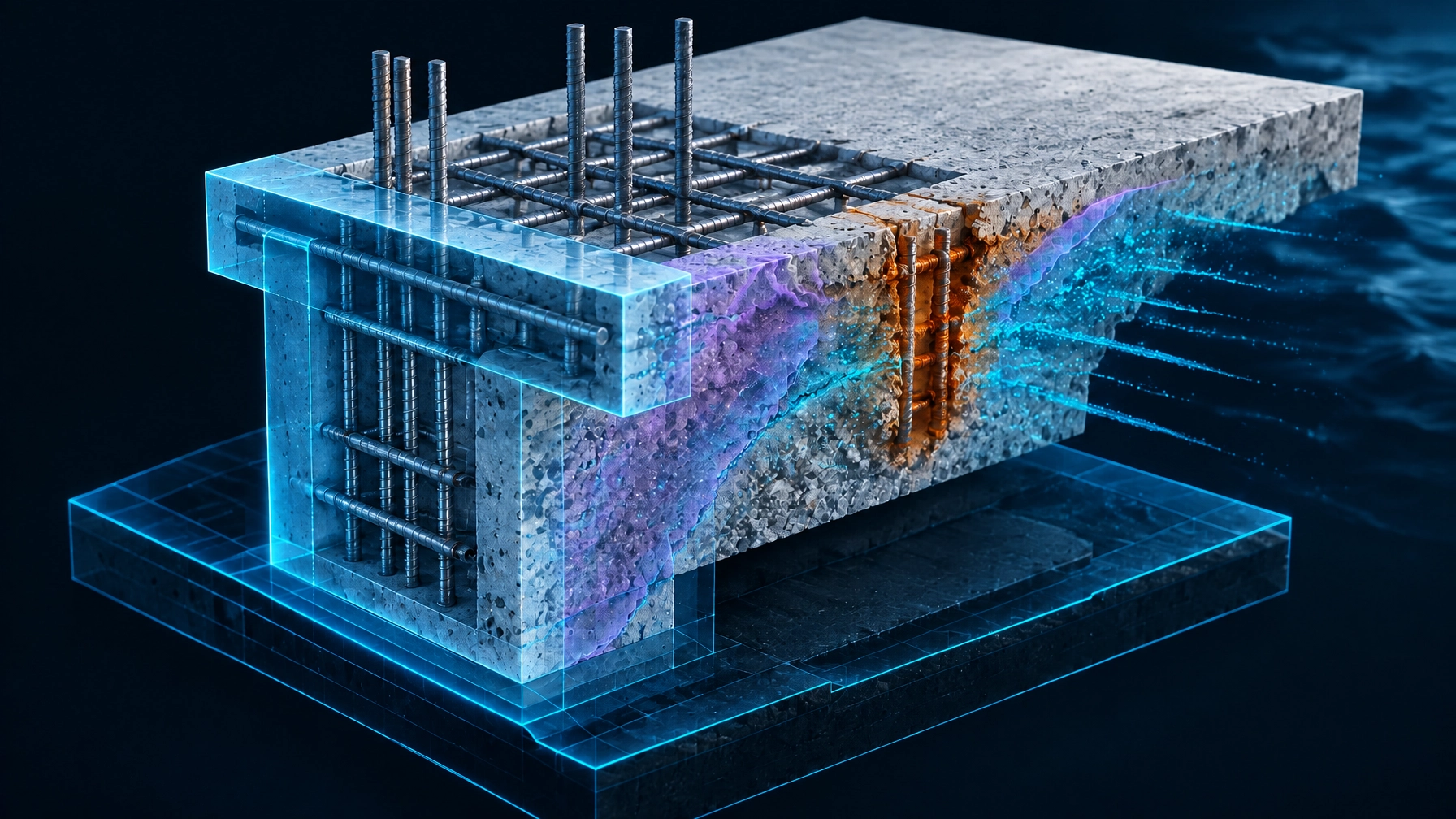
For high-end residential developments, the pressure to achieve thin slabs and wide spans can lead to "value engineering" that pushes the boundaries of AS 3600. Forensic reviews often find that while the visual finish of the concrete is off-form and pristine, the reinforcement placement or the concrete cover is non-compliant, leading to accelerated carbonation and structural degradation.
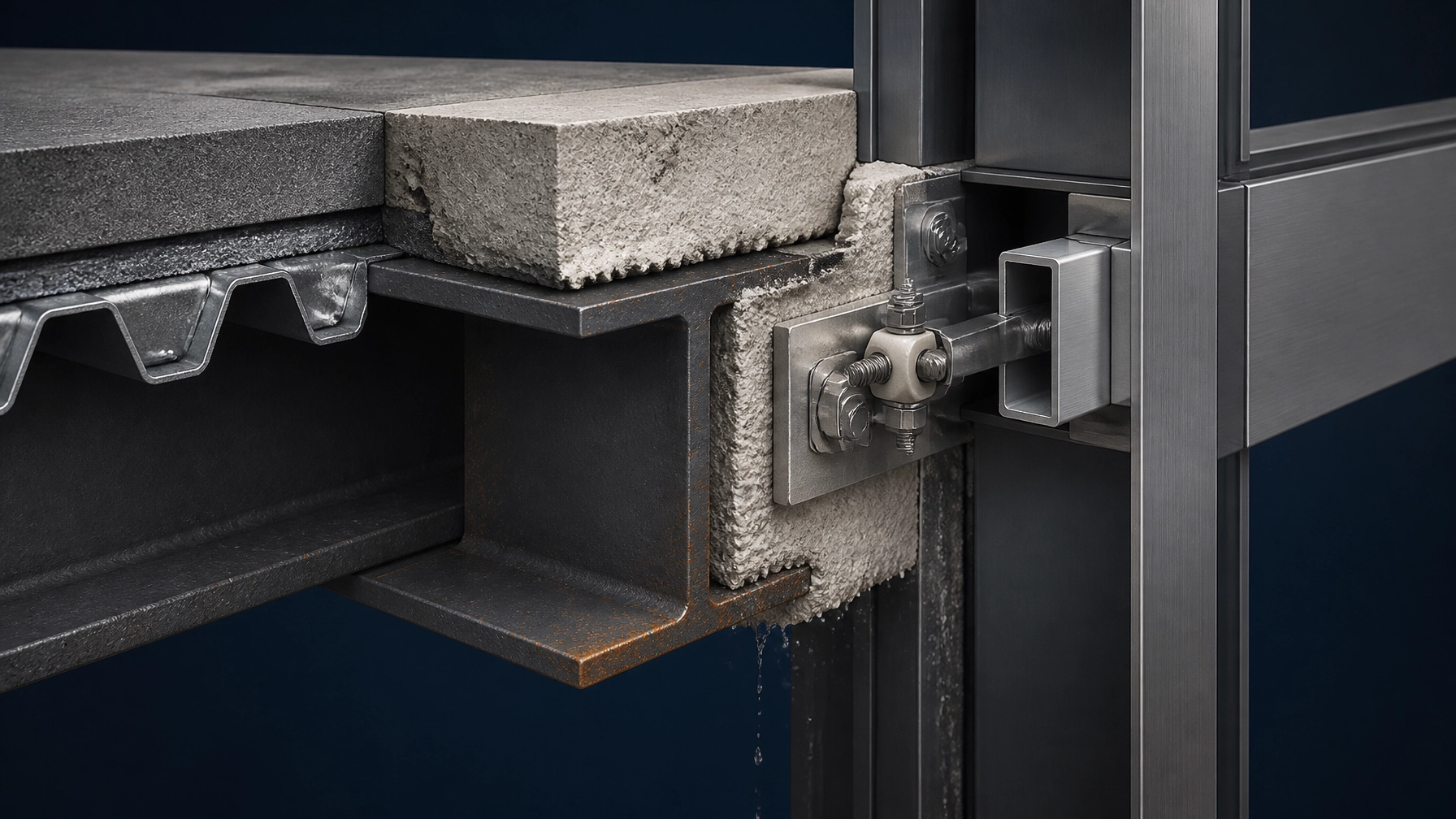
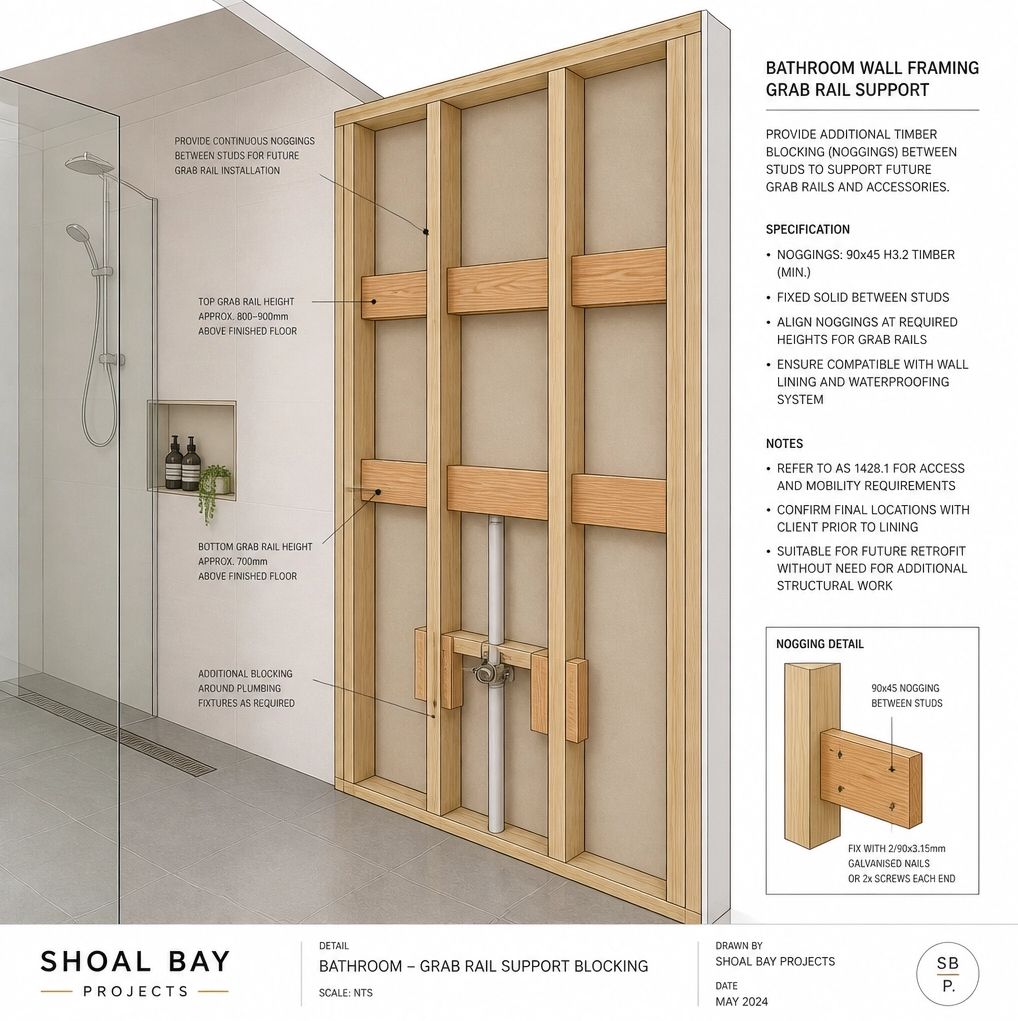
The complexity of modern architectural designs: large voids, cantilevered floors, and massive glazing: places extreme stress on the timber skeleton. The "polish" of high-end cladding can mask:
A building consultancy service focusing on forensic compliance doesn't look at the cladding; it looks at the load path from the roof ridge to the footing.
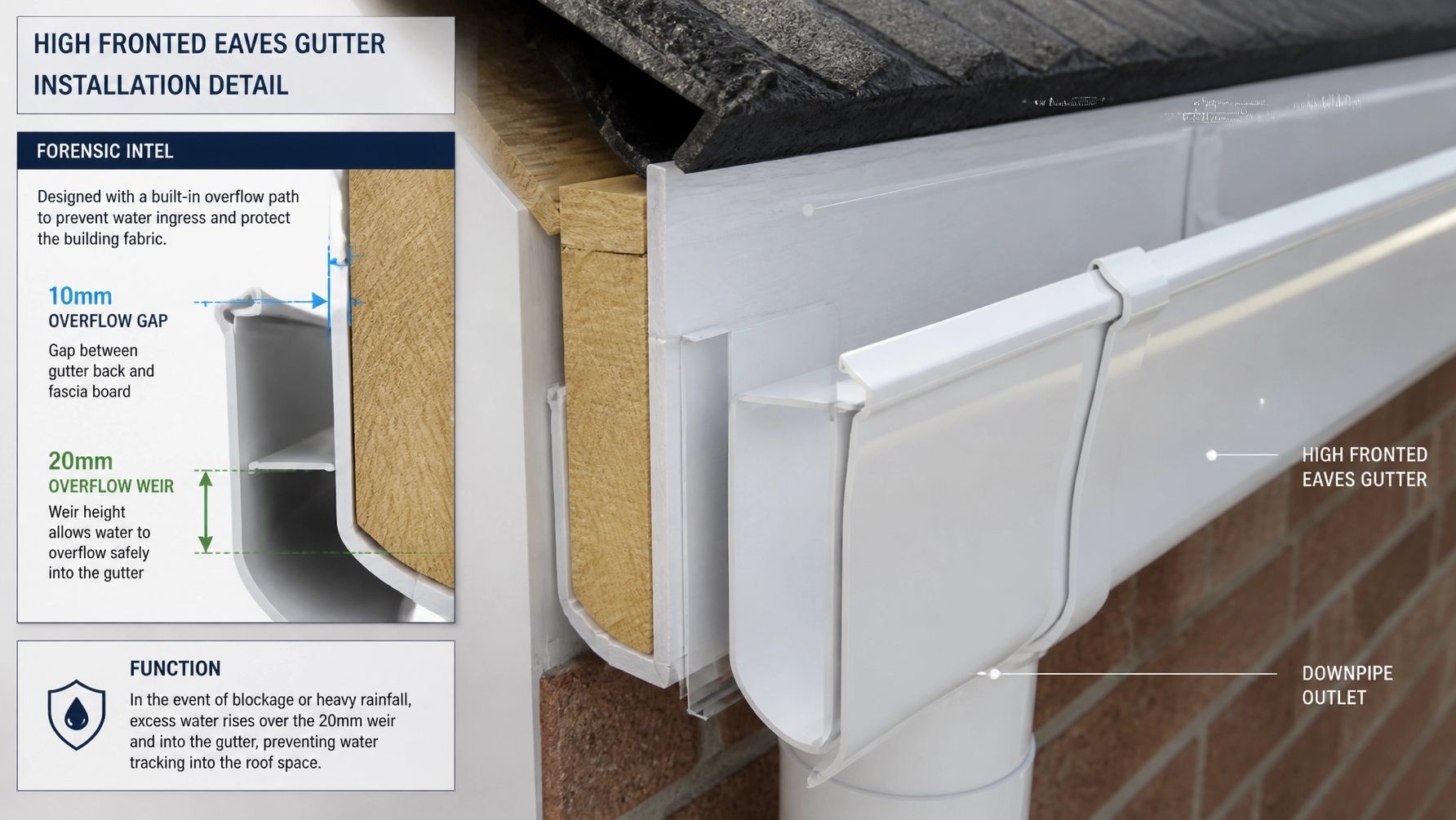
There is a natural friction between the Building Certifier and the Builder. The Certifier is concerned with the BCA/NCC structural requirements: the "performance." The Builder (and the Client) is often focused on the "quality of finish": the "polish."
This friction is where legal and financial disasters are born. If a Certifier identifies a structural non-compliance after the finishes are installed, the cost of rectification is exponential.
Specify a compliance-first approach. Document every critical stage before it is covered by finishes. Check that the "visual excellence" requested by the architect doesn't compromise the "structural performance" required by the NCC.
At Shoal Bay Projects, we operate as the forensic advisory bridge between physical site execution and regulatory compliance. We don't just look for defects; we analyze risk.
Our building dispute consultant expertise allows us to identify the friction points before they escalate into litigation. We support Medium to High-End Residential Builders and Developers by providing structured, compliance-focused advisory that ensures the "performance" of the building matches its "polish."
By engaging in proactive construction compliance strategies, you move from a reactive state of "fixing mistakes" to a proactive state of "managing outcomes."
Construction is a complex ecosystem, and staying ahead of regulatory shifts requires a community of senior professionals dedicated to excellence. We invite you to explore our hub of resources and intelligence.
Visit Welcome to the Hive to see how we are redefining construction advisory for the modern era.
Performance is what keeps a building standing and a director out of court. Polish is just the skin. Invest accordingly.
Phone: +61 8 6149 7396