Construction
Jul 2, 2026
NCC 2022 Amendment 1: The New Compliance Reality for May 2025
NCC 2022 Amendment 1: The New Compliance Reality for May 2025

NCC 2022 Amendment 1: The New Compliance Reality for May 2025
The landscape of Australian residential construction is shifting again. While the industry has been grappling with the primary rollout of the National Construction Code (NCC) 2022, a new milestone is fast approaching. On May 1, 2025, NCC 2022 Amendment 1 officially takes effect.
For builders, developers, and homeowners, this isn't just a minor "housekeeping" update. It represents the formalization of several key variations: particularly in Western Australia: that directly impact design, cost, and onsite execution. As a construction consultant, staying ahead of these changes is no longer optional; it is a fundamental requirement for risk management and project delivery.
The Australian Building Codes Board (ABCB) released Amendment 1 to address drafting errors, update references, and, crucially, incorporate specific jurisdictional variations that were not finalized during the initial NCC 2022 release.
One of the most significant aspects of this timing is the status of NCC 2025. With the 2025 edition now officially delayed, Amendment 1 becomes the definitive compliance benchmark for the foreseeable future. This "holding pattern" means that the technical nuances within Amendment 1 will carry more weight and remain the standard for longer than many industry participants originally anticipated.
While Amendment 1 touches on national corrections, the most practical impact for our local projects lies in the Western Australian State variations. These changes offer additional compliance options that align more closely with local building practices, particularly in masonry construction and stormwater management.
One of the most technical updates involves the integration of AS/NZS 3500.3:2021 (Plumbing and drainage – Stormwater drainage). Under the ABCB Housing Provisions (HP) Part 7.4, Amendment 1 now allows for more flexibility in gutter falls.

Check: Ensure your roofing and plumbing contractors are referencing the 2021 version of the standard, not the superseded 2018 or 2015 versions.
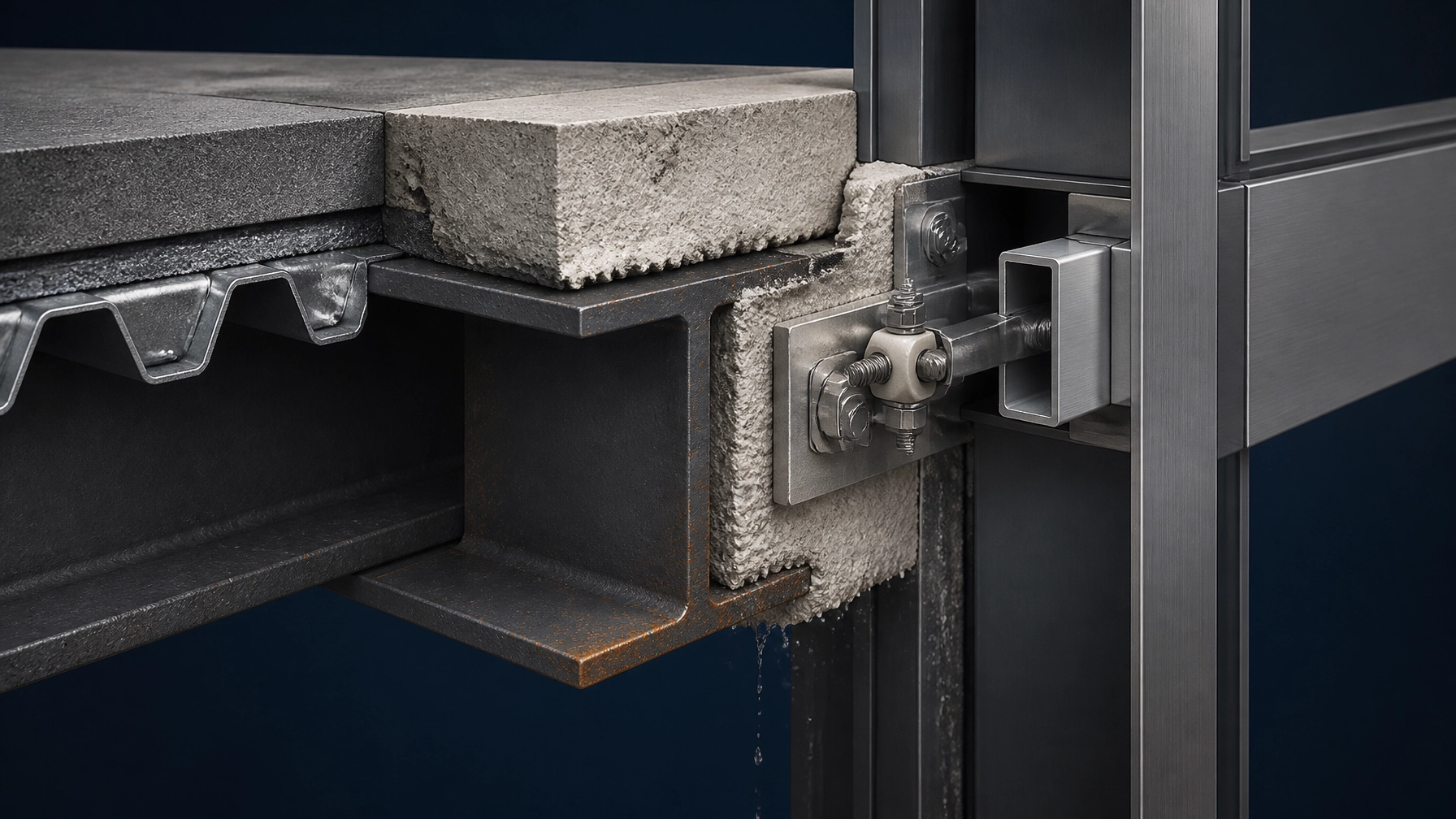
In WA, masonry remains the dominant construction method. A point of friction in NCC 2022 was the strict requirement in HP Part 8.2 for a minimum 10mm gap between the head of a window and the nearest loadbearing element (typically a lintel).

Amendment 1 introduces a critical WA variation to this rule. The 10mm minimum is no longer a hard "one-size-fits-all" requirement for masonry walls. Instead, the requirement is now performance-based: the gap must simply be "sufficient to prevent the transfer of structural loads."
Specify: This allows for tighter tolerances in high-end architectural finishes where a 10mm gap might be aesthetically undesirable, provided that structural engineering can demonstrate no load is being transferred to the window frame. Document these deviations clearly in your compliance schedule.
The mandatory adoption of NCC 2022 energy efficiency requirements (7-star NatHERS and Whole-of-Home) was a major hurdle. Amendment 1 provides some relief for specific WA regions.

The transition to NCC 2022 Amendment 1 is not just about reading a new document; it is about interpreting how these variations interact with existing contractual obligations and quality expectations.
As a residential building consultant, we see the risks of "compliance lag." If a project is designed under the original NCC 2022 but built after May 1, 2025, without accounting for Amendment 1, you may be over-specifying in some areas (like window gaps) while falling short in others (like the specific downpipe requirements of AS/NZS 3500.3:2021).
Strategic consultation bridges this gap. We provide construction advisory services that look beyond the "what" and focus on the "how." How do these changes affect your margins? How do they change your supervisor’s checklist? How do they impact your liability during a dispute?
With NCC 2025 pushed back, the industry has been given a rare period of relative stability: albeit under the new rules of Amendment 1. This is the time to refine your standard operating procedures.
Navigating the complexities of Australian construction standards doesn't have to be a solo effort. We’ve built a community and a resource hub designed specifically for professionals who value technical accuracy and strategic foresight.
Explore our community hub, "The Hive," where we break down complex regulatory shifts into actionable insights. It’s more than just a library; it’s a strategic asset for your business.
Welcome to the Hive - Explore the Community Hub
For expert construction compliance and construction advisory in Australia, Shoal Bay Projects is your partner in protecting outcomes, financial performance, and reputational integrity. Don't leave your May 2025 projects to chance: ensure they are aligned with the new compliance reality today.