Construction
Jul 2, 2026
Insolvency Contagion: Protecting Your Build in 2026
Insolvency Contagion: Protecting Your Build in 2026

Insolvency Contagion: Protecting Your Build in 2026
The Australian construction landscape in 2026 is defined by a paradox: record demand for housing and infrastructure, yet a volatility that is claiming even the most established names in the industry. As the federal government pushes toward its 1.2 million homes target, builders are caught in a pincer movement of rising fuel prices, persistent RBA interest rate pressures, and thin margins that leave no room for error.
At Shoal Bay Projects, we call this "Insolvency Contagion." It is the ripple effect where one company’s collapse triggers a sequence of defaults through the supply chain, eventually landing on the doorstep of the homeowner or developer. In this climate, your builder’s balance sheet is just as important as their building skill.
If you are currently engaged in a major residential project or planning a build, understanding Counterparty Risk is no longer optional: it is a critical survival skill.
As we move through the middle of 2026, the construction sector remains the single most distressed industry in Australia, accounting for approximately 26% of all corporate insolvencies. Several macro-economic factors have converged to create this "perfect storm":
In construction advisory, Counterparty Risk is the probability that the other party in your contract (the builder) will fail to fulfill their obligations. It isn't just about whether they want to finish your house; it's about whether they can.
When a builder fails, the owner isn't just left with an unfinished house. You face a "contagion" of issues: subcontractors placing liens on your site, materials you have already paid for being repossessed under the PPSA, and the grueling process of finding a new builder to take over a distressed site: often at double the original cost.

Forensic observation is key. If you notice any of the following "red flags" on your project, you must act immediately. These are the symptoms of a builder struggling with liquidity:
In Western Australia and across the country, there are specific legal frameworks designed to mitigate these risks. As your construction consultant, we emphasize the importance of knowing these before the crisis hits.
The PPSA is a national law that governs security interests in personal property. In construction, this often applies to materials on site. If you have paid for a kitchen or a stack of bricks, but they haven't been installed, you need to ensure your interest is protected. Without a registered interest, the builder’s liquidator could claim those materials as the builder’s assets to pay off other creditors.
In Western Australia, builders are required to take out Home Indemnity Insurance (HII) for residential works exceeding $20,000. This insurance is your primary protection if the builder becomes insolvent, dies, or disappears. Verify your HII certificate before the first shovel hits the ground. It covers loss of deposit (up to a cap) and the additional cost of completion.
Under the Home Building Contracts Act 1991 (WA), builders are strictly prohibited from demanding a deposit greater than 6.5% of the contract price. If your builder is asking for 10% or 20% upfront, they are in breach of the law and providing a clear signal of financial desperation.

If the red flags become unavoidable, you must move from observation to intervention. Follow this structured protocol to protect your asset:
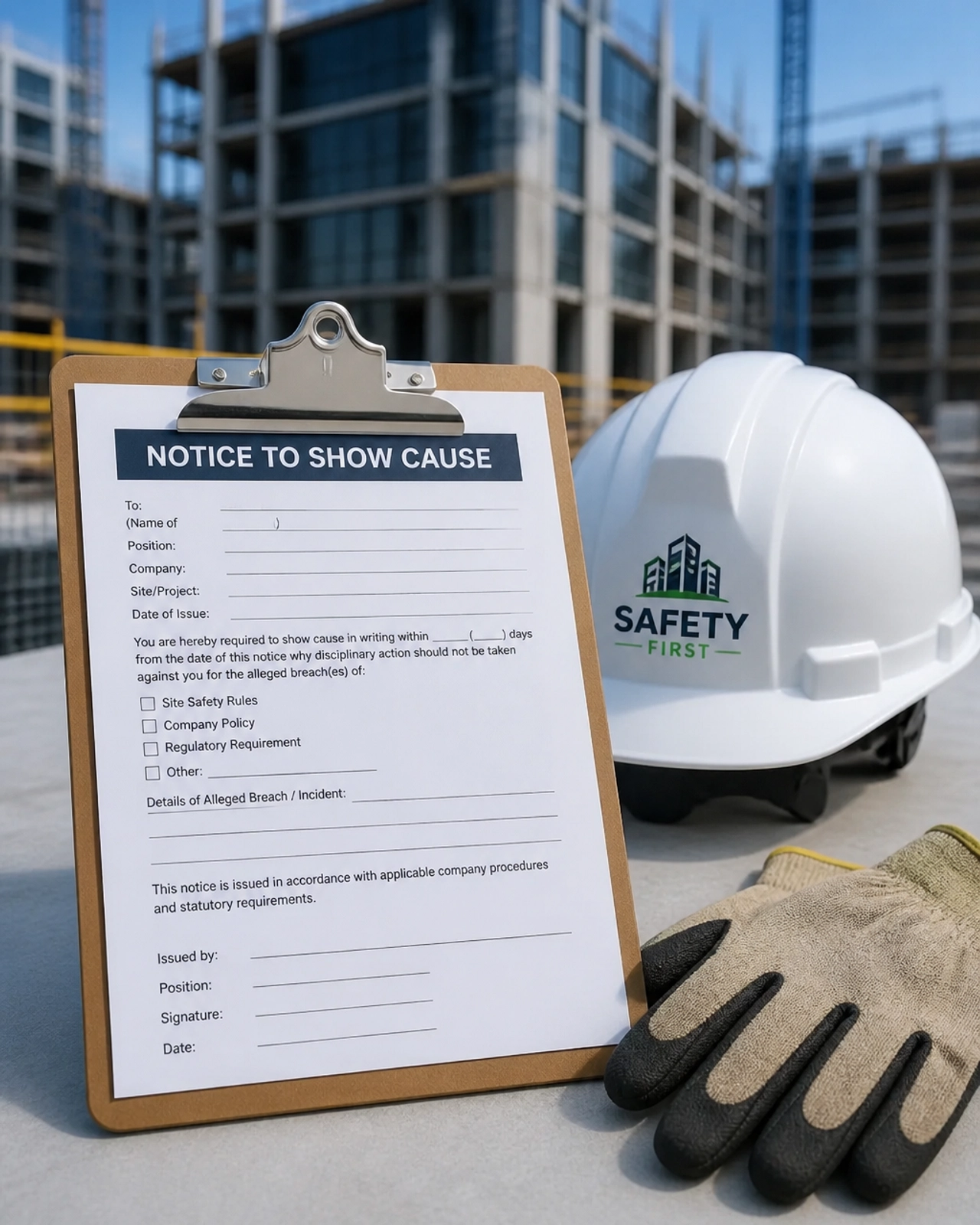
Managing construction risk in 2026 requires more than just checking a builder's references. It requires a forensic understanding of contract law, financial health, and Australian Standards. At Shoal Bay Projects, we provide building consultancy services that act as an early warning system for homeowners and developers.
We don't just wait for the collapse; we help you specify the right contract terms, document every stage of the build, and check the financial red flags before they become a crisis.
Don't let your project become a victim of the insolvency contagion. Whether you are at the planning stage or mid-build, professional construction risk management services are the best insurance policy you can have.
Navigating the complexities of the modern construction industry can be daunting. We invite you to explore The Hive, our community hub designed to give you the tools and insights you need to succeed in your building journey.
Welcome to the Hive – Watch the Video
Explore the Vault, connect with experts, and ensure your project is built on a foundation of compliance and financial security.