Construction
Jul 20, 2026
How to Avoid the Biggest Performance Solution Pitfalls
How to Avoid the Biggest Performance Solution Pitfalls

How to Avoid the Biggest Performance Solution Pitfalls
In the high-stakes world of modern residential construction, the path to compliance is no longer a straight line. For decades, builders and developers relied on the "Deemed-to-Satisfy" (DTS) provisions of the National Construction Code (NCC): the prescriptive "cook-book" approach where following the recipe guaranteed a pass.
But as architectural designs become more ambitious and site constraints more complex, the industry has shifted toward Performance Solutions. These are bespoke engineering or design outcomes that meet the NCC’s mandatory Performance Requirements through alternative methods. While they offer flexibility, they are also the primary source of regulatory friction, insurance headaches, and structural failures.
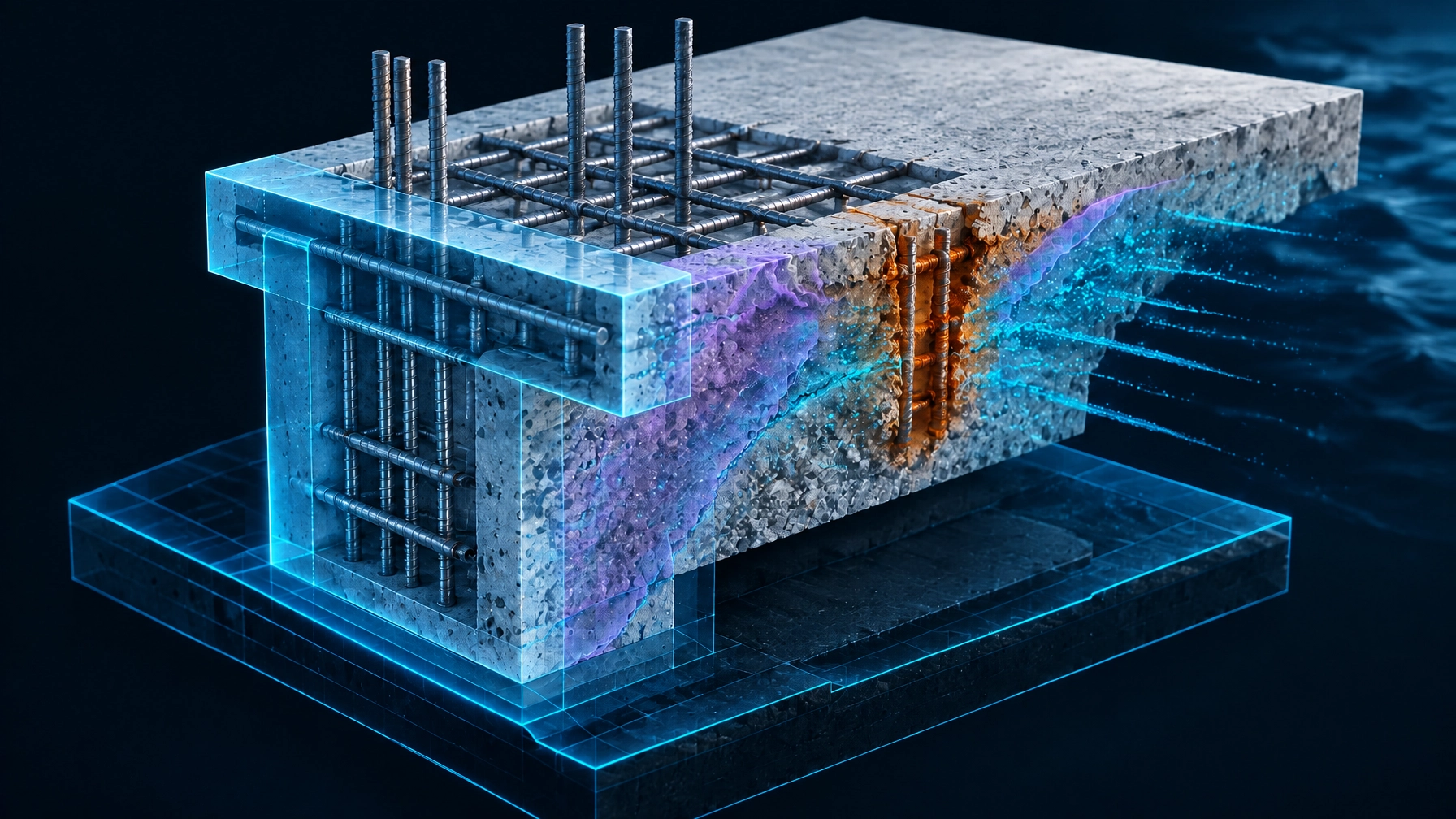
Welcome to the Digital Forensic Lab. Today, we’re dissecting why Performance Solutions fail and how to ensure your next project doesn't become a cautionary tale in a tribunal.
The NCC is a performance-based code. This means the end goal (safety, health, amenity, and sustainability) is mandatory, but how you get there is up to you.
A DTS solution is safe; it’s backed by decades of tested standards like AS 1684 (Residential timber-framed construction) or AS 3660.1 (Termite management). When you step outside these boundaries, you are no longer "deemed" to comply. You have to prove it.
The biggest mistake we see in forensic reviews is a "casual" approach to this proof. A Performance Solution is not just a different way of building; it is a legal and technical argument that must be robust enough to withstand a forensic audit ten years down the track.
Since the update to NCC Part A2.2(4), the requirements for documenting a Performance Solution have become significantly more stringent. You can no longer rely on a "verbal agreement" with a certifier or a two-sentence note on a plan.
To avoid a compliance collapse, you must follow the mandatory four-step process:
If your "Expert Judgement" doesn't have a data-backed trail, it’s not a solution: it’s a liability.

"We’ve always done it this way" is perhaps the most dangerous sentence in the Australian building industry. Tradition is not a compliance pathway.
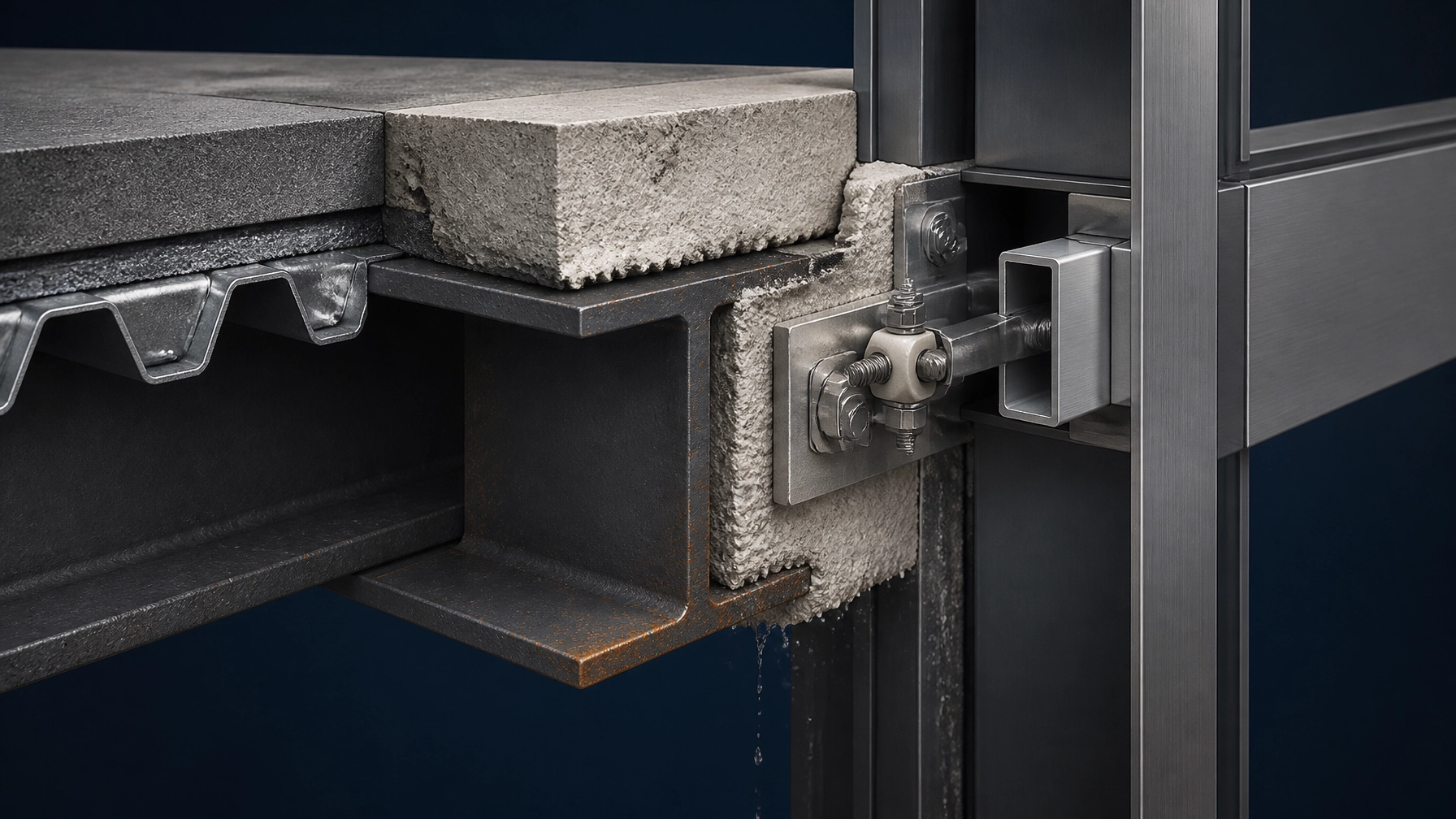
In a forensic setting, "tradition" is viewed as a lack of technical rigour. If a structural junction or a waterproofing detail departs from the referenced Australian Standards: such as AS 3740 (Waterproofing of domestic wet areas): it must be treated as a Performance Solution from day one.
Attempting to retro-fit a Performance Solution after a defect has been identified is nearly impossible. If the PBDB wasn't signed off before construction, the solution is technically non-compliant, regardless of whether it "works" in practice.
For complex Performance Solutions: especially those involving fire safety or structural load paths: an independent peer review is your best insurance policy.
Builders often see peer review as an unnecessary expense or a delay. In reality, it’s a stress test. A forensic consultant looking at your design through the lens of AS/NZS 1170 (Structural design actions) can identify "blind spots" that the original engineer might have missed due to project-specific tunnel vision.
Check the logic. Challenge the assumptions. Document the corrections.

Navigating the NCC’s performance requirements requires more than just a "guy with a clipboard." You need a Building Inspector Consultant: a professional who operates at the intersection of site experience and regulatory law.
When you are looking for an expert to guide your project through the Performance Solution minefield, don't just ask about their fee. Ask the hard questions:
Don't settle for someone who only has a certificate. Look for a consultant with a background as a licensed builder or site supervisor. They need to understand how a design on a screen translates to a slab on the ground.
Ask them to walk you through their process for preparing a PBDB. If they can't explain the four-step mandatory process, they aren't equipped to protect you from future litigation.
A high-level report that says "it looks fine" is worthless. A professional report should cite specific clauses from the NCC and relevant Australian Standards (like AS 2870 for residential slabs). This creates the "paper trail" that insurers and future buyers demand.
Ensure your consultant isn't receiving kickbacks from builders or developers. Their loyalty must be to the integrity of the building and the accuracy of the code.

To keep your project out of the Digital Forensic Lab for the wrong reasons, run this checklist on every Performance Solution:
Building in Australia is getting harder, but you don't have to navigate it alone. We’ve built a community for builders, homeowners, and consultants who are tired of "near enough is good enough."
Welcome to the Hive : This is your invitation to explore our community hub, "The Vault," where we break down complex compliance issues into actionable strategies.
Performance Solutions allow for incredible innovation in the residential space. They allow for more light, better thermal performance, and smarter use of materials. But innovation without documentation is just high-risk gambling.
Treat every departure from the DTS provisions with the forensic respect it deserves. Consult early, document everything, and choose a consultant who knows the difference between a "standard" build and a "compliant" one.