Construction
Jul 2, 2026
Forensic Inter-Trade Warfare: Managing Risk in the Sydney Market
Forensic Inter-Trade Warfare: Managing Risk in the Sydney Market

Forensic Inter-Trade Warfare: Managing Risk in the Sydney Market
Walk onto any high-end residential site in Sydney right now, and you’ll find a silent war being fought. It’s not fought with weapons, but with finger-pointing, non-conformance reports, and the phrase, "That’s not my scope."
In the high-stakes world of Sydney construction, the interface between trades is the primary breeding ground for catastrophic defects. When a multi-million dollar penthouse in Vaucluse or a luxury terrace in Surry Hills leaks, the "Inter-Trade Warfare" begins. The plumber blames the waterproofer, the waterproofer blames the tiler, and the builder is left holding a $150,000 rectification bill and a legal notice.
At Shoal Bay Projects, we operate in the forensic trenches. We see where the lines are blurred and where the compliance gaps live. If you want to protect your profit margins and your reputation, you need to move beyond "hoping for the best" and start treating trade interfaces as a tactical risk.
The most common theatre of war is the wet area. The conflict usually centres around three key Australian Standards: AS 3740 (Waterproofing), AS 3958.1 (Tiling), and AS 3500 (Plumbing & Drainage).
The plumber installs the puddle flange. If it’s set too high, the waterproofer can’t achieve the required fall. If it’s set too low, the tiler ends up with a "swimming pool" of screed that never dries.
The Forensic Reality: AS 3740:2021 is explicit about how membranes must integrate with drainage. If the plumber hasn't recessed the flange into the substrate, the waterproofer is already set up for failure.
Who owns the fall? In many Sydney contracts, the tiler is expected to "fix" the levels with a screed. But if that screed is applied over a membrane that hasn't been properly cured: or worse, if the tiler damages the membrane while shovelling their mix: the system is compromised before the first tile is even laid.

One of the most heated "battles" we see in Sydney involves the wet-area threshold. This is where compliance warfare reaches its peak.
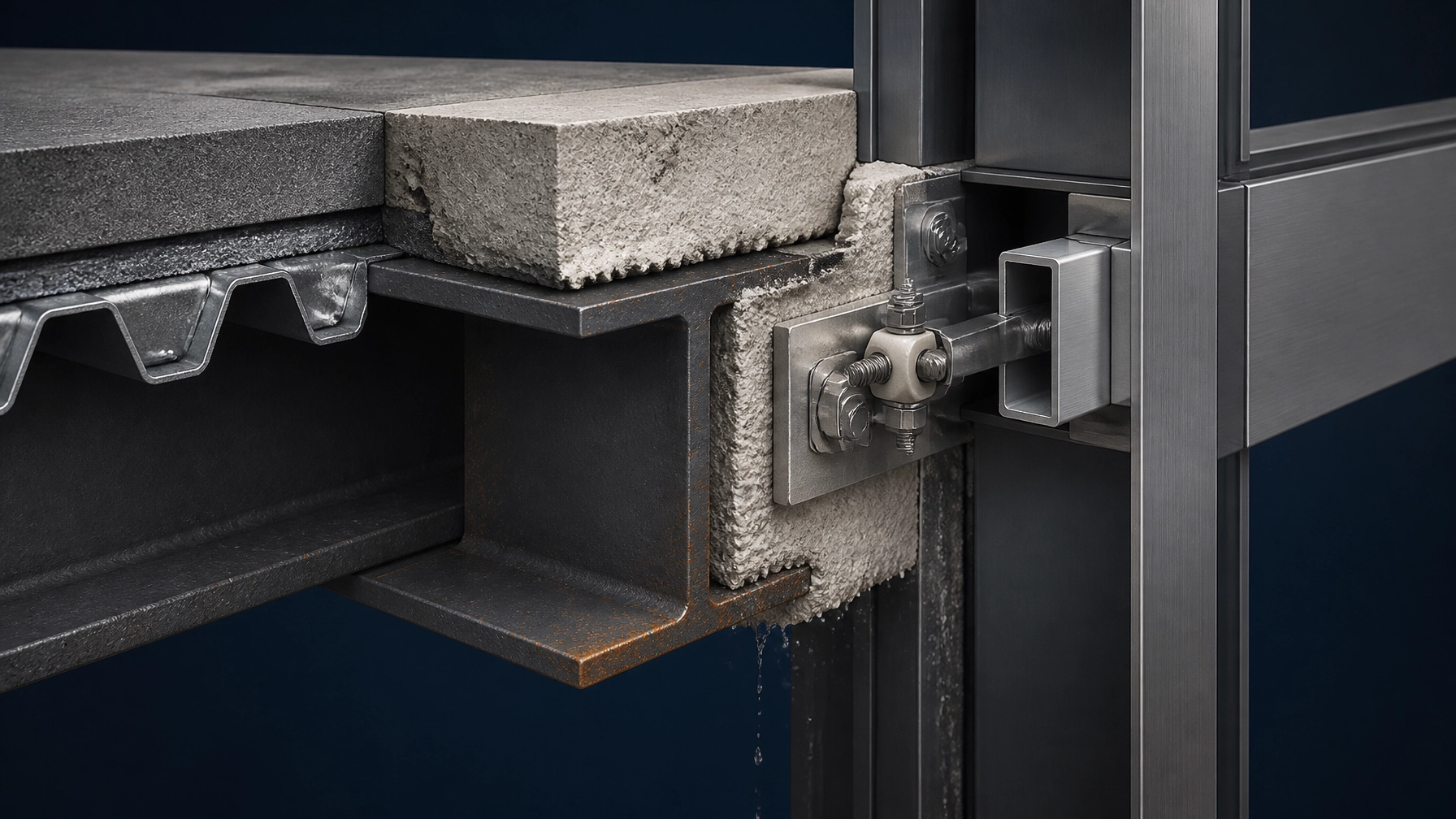
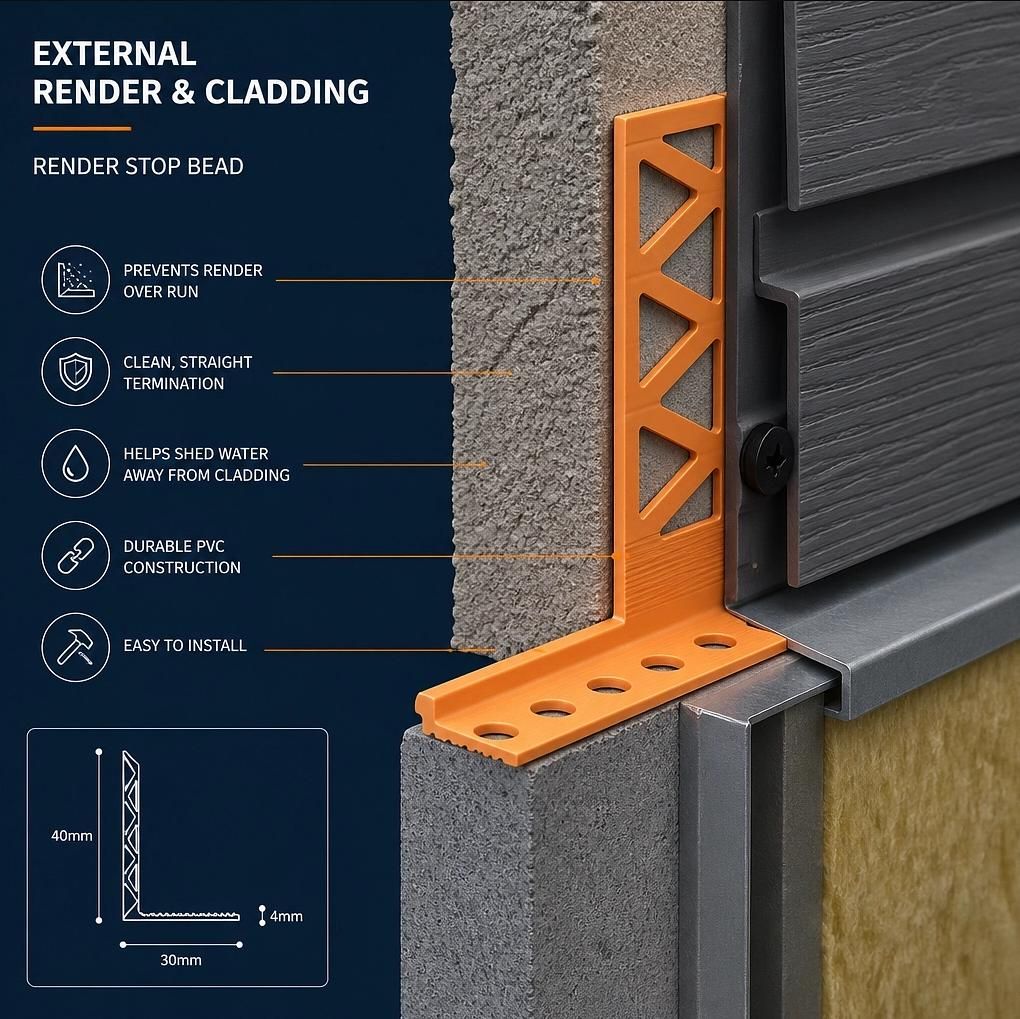
Local certifiers often demand a water-stop angle that sits 3mm above the finished floor level (FFL). They argue this is necessary to contain surface tension. However, the tiler will immediately point to AS 3958.1, which dictates lippage and trip hazard tolerances. A 3mm vertical jump at a doorway is a non-conformance for a tiler and a potential liability for the builder.
The Strategy: You cannot solve this on-site with an argument. You solve it with a Performance Solution. Under the NCC, you can deviate from the Deemed-to-Satisfy (DTS) provisions of AS 3740 if you can prove: via forensic engineering or documented alternative methods: that your solution prevents water escape without creating a trip hazard.
Inter-trade warfare isn't limited to bathrooms. We see it in the "Substrate Killer" scenarios: where structural trades and finishing trades collide.
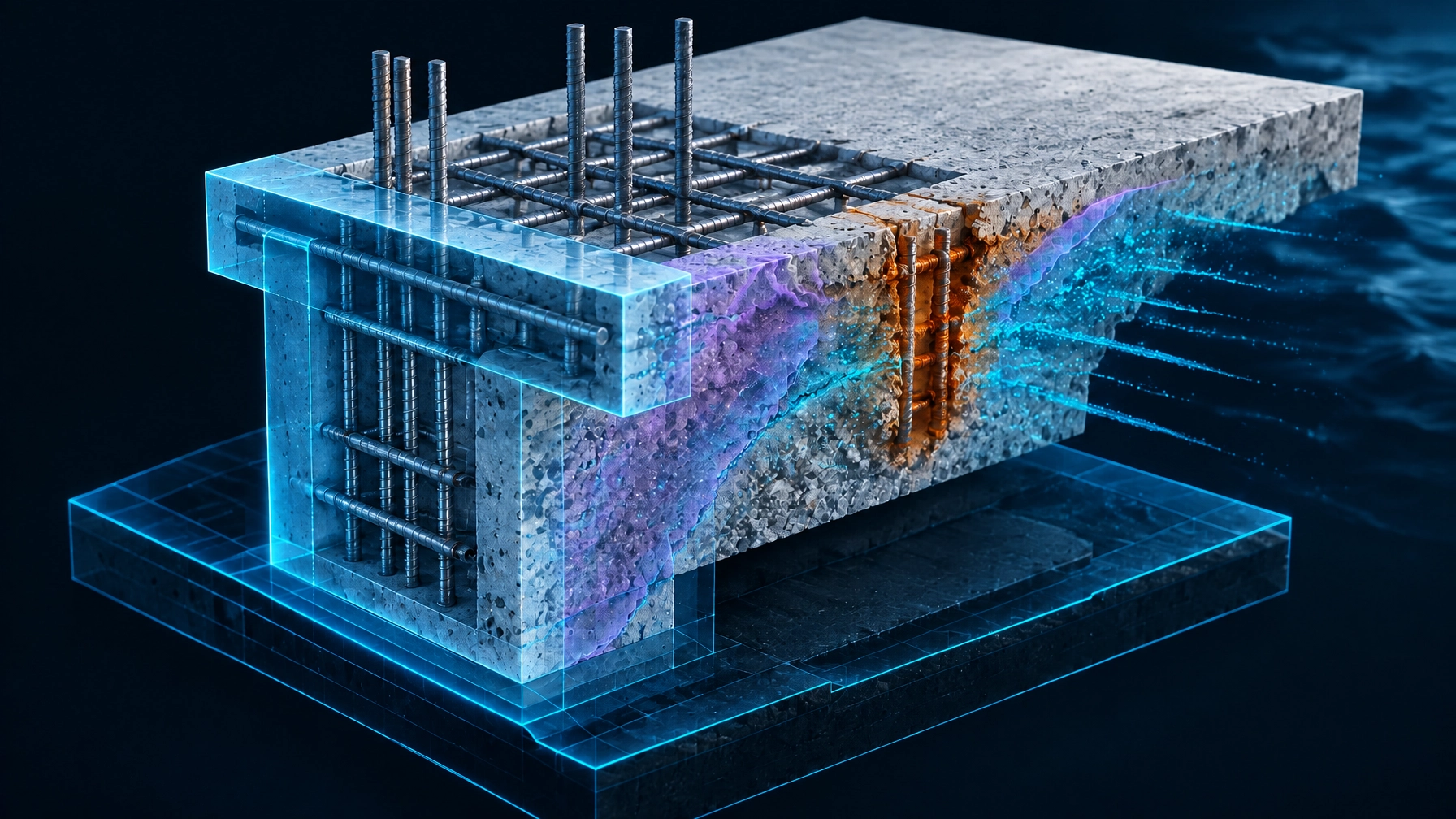
Consider a post-tensioned slab in a Sydney mid-rise. If the concrete crew doesn't achieve the tolerances required for high-format tiles, the tiler is forced to use excessive adhesive (exceeding the manufacturer’s specifications) to level the floor.

When those tiles inevitably crack or de-bond, the forensic audit begins. Was it structural movement? Was it "drummy" tiling? Or was it a failure of the builder to coordinate the substrate tolerance with the finishing trade’s requirements?
Check… the slab levels before the tiler arrives.
Specify… the maximum bed thickness for adhesives.
Document… the moisture content of the slab (per AS 1884) before any finish is applied.
In a dispute, the trade with the best photos wins. Period.
In the Sydney market, "Fair Trading" and NCAT (NSW Civil and Administrative Tribunal) are increasingly focused on the chain of evidence. If you are a builder or a developer, you need to treat your site diary like a forensic logbook.
At Shoal Bay Projects, we advocate for a "Gatekeeper’s Audit." Before any trade covers the work of another, a formal sign-off must occur.
Without this "Forensic Shield," you are essentially self-insuring against the mistakes of your sub-contractors.
Managing inter-trade warfare requires more than just a good site foreman. It requires a strategic understanding of how Australian Standards overlap and where the NCC allows for flexibility.
Shoal Bay Projects provides the technical heavy lifting. We don’t just "inspect" work; we provide the advisory framework that prevents the war from starting. We interpret the grey areas of AS 3740 and AS 3958.1 so you don't have to guess.

If you’re tired of the finger-pointing and want to level up your technical game, you need to get inside The Vault.
We’ve built a community of high-performing builders and industry experts who are done with "standard" and are chasing excellence. It’s where we share the forensic secrets, the compliance hacks, and the strategic advice that keeps Shoal Bay Projects at the top of the food chain.
Explore the community hub and join the conversation here: Welcome to the Hive - Watch the Video
Join Adam’s Circle Community for real-time tactical updates: Join The Vault
Don’t wait for a leak to start thinking about inter-trade risk. In the Sydney market, the cost of being wrong is too high.
Whether you’re a custom home builder or a residential developer, get a specialist in your corner who knows the "Forensic Warfare" better than anyone.
Contact Shoal Bay Projects today.
Phone: [Insert Phone Number Here]
Web: Shoal Bay Projects