Construction
Jul 2, 2026
Capital Protection: The 10-Year Maintenance Plan Guide
Capital Protection: The 10-Year Maintenance Plan Guide

Capital Protection: The 10-Year Maintenance Plan Guide
For many high-end residential builders and homeowners, the term "10-year maintenance plan" conjures up images of dusty binders, bureaucratic red tape, and an annual line item that everyone wants to minimize. But in the world of professional construction advisory, we view the 10-year plan very differently. It isn't a compliance hurdle; it is your most powerful tool for capital protection.
Think of your building as a high-performance machine. You wouldn't expect a supercar to run at peak efficiency for a decade without a rigorous, proactive service schedule. Why should a multi-million-dollar residential asset be any different? Whether you are operating under the specific requirements of Western Australia, New South Wales, or looking across the Tasman to New Zealand, the shift from reactive repairs to strategic asset management is the single most effective way to protect financial performance and reputational integrity.
Regulatory bodies are increasingly mandating long-term planning to protect owners from the "special levy shock" that occurs when major assets: like roofs, lifts, or HVAC systems: fail without adequate funds in reserve.
In WA, the Strata Titles (General) Regulations 2019, specifically Regulation 77, has introduced a rigorous framework for "designated strata companies" (those with 10 or more lots or a replacement value exceeding $5 million). Under these rules, you must have a 10-year maintenance plan that is reviewed at least every five years.
Check your compliance status: If your scheme fits the "designated" criteria, you are legally required to estimate costs for maintenance, repairs, and renewal of common property. This isn't just a list; it requires a condition report for each item, including estimated lifespans and funding strategies.
NSW has long been a leader in structured strata management. The Strata Schemes Management Act 2015 mandates a 10-year capital works fund plan for virtually all owners corporations. The focus here is on the Capital Works Fund (formerly the sinking fund), ensuring that the levies collected today are mathematically aligned with the major repairs needed tomorrow.
While Australia generally sticks to a 10-year look-ahead, New Zealand’s Unit Titles Act 2010 sets a higher bar with a 30-year Long-Term Maintenance Plan (LTMP). This extended horizon forces bodies corporate to consider the full lifecycle of the asset, capturing the "hidden" costs of structural degradation that often don't surface in a 10-year window.

If you are only building a maintenance plan to satisfy a regulator, you are leaving money on the table. A high-quality plan, developed with professional advisory support, serves three primary functions:
A building with a well-funded, professionally managed 10-year plan is a more attractive investment. Prospective buyers and their lawyers now scrutinize the "Capital Works Fund" or "Reserve Fund" during due diligence. A healthy fund indicates a well-managed building with low risk of sudden financial calls.
Insurance companies are increasingly assessing building risk based on maintenance history. Document your proactive maintenance. Provide your 10-year plan to your broker. Showing an insurer that you have a funded plan to address roof leaks or cladding issues (per AS 1530.2 or relevant building codes) can be a significant lever in negotiating premiums in a hardening market.
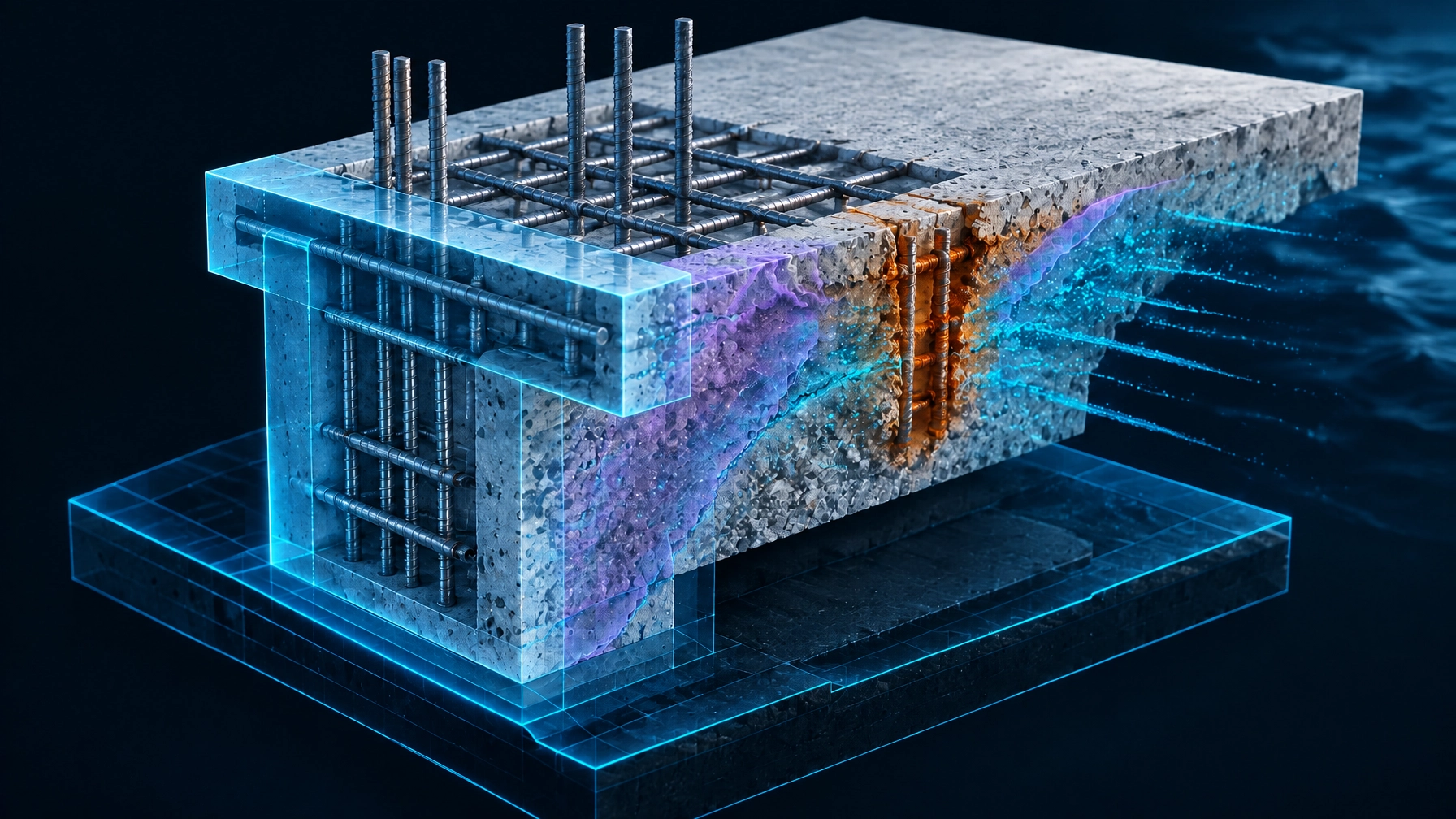
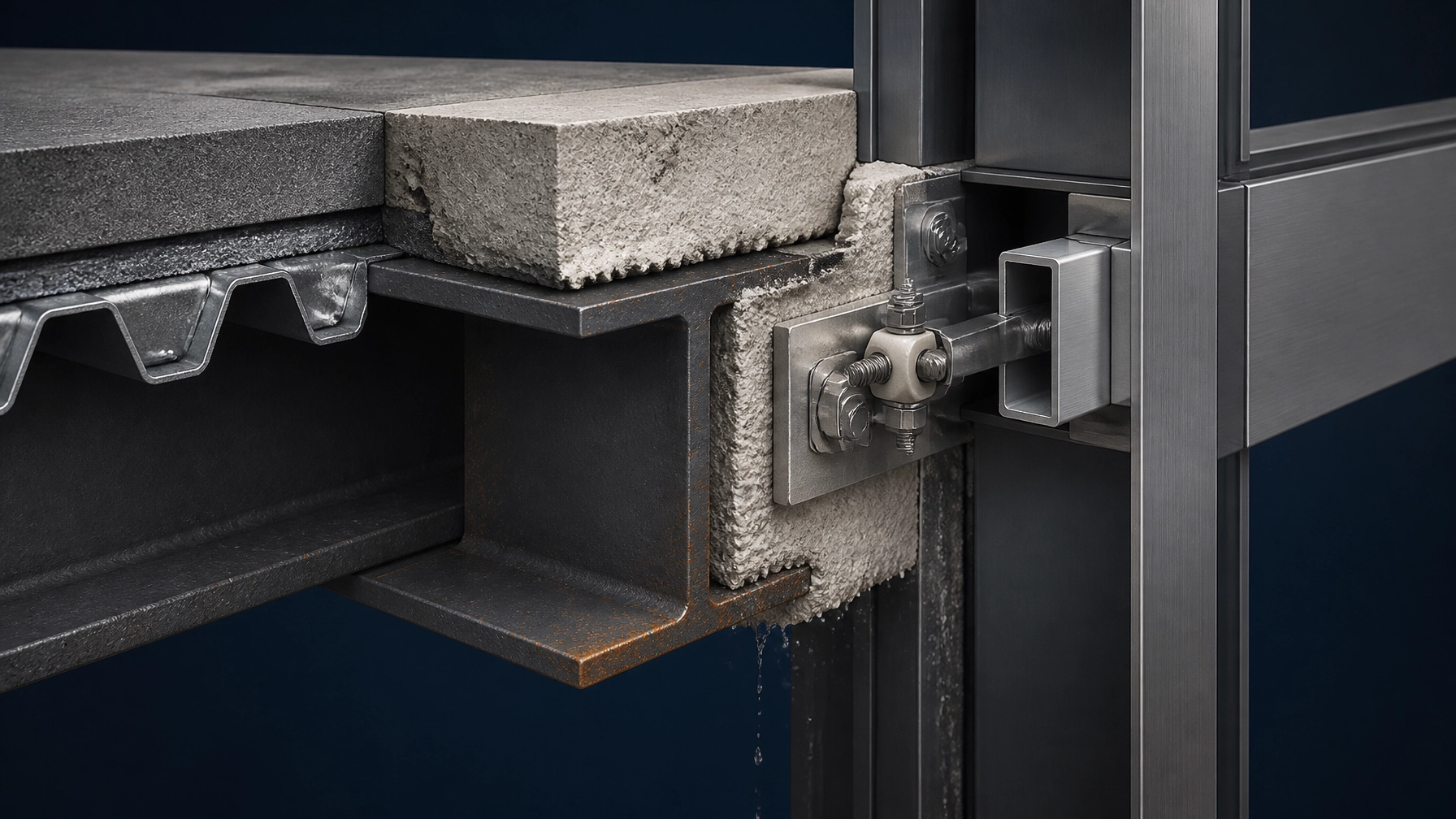
Strategic plans allow you to identify potential issues before they become catastrophic failures. Use technical 3D renders and CAD diagrams to visualize asset lifecycles. For example, understanding the expansion joint details in your cladding system (per technical best practices) can prevent moisture ingress that would otherwise cost hundreds of thousands in remediation.

Navigating the nuances between regions requires a clear understanding of your specific obligations. Use the table below to benchmark your current planning status against regional standards.
| Feature | WA (Reg 77) | NSW (SSMA 2015) | NZ (Unit Titles Act) |
|---|---|---|---|
| Time Horizon | 10 Years | 10 Years | 30 Years |
| Review Cycle | Every 5 Years | Every 5 Years | Every 3 Years |
| Who Must Comply | Designated (10+ lots or >$5m) | Almost all schemes | All bodies corporate |
| Focus | Non-routine maintenance & renewal | Capital works funding | 30-year lifecycle planning |
| Legal Status | Mandatory for designated schemes | Mandatory | Mandatory |
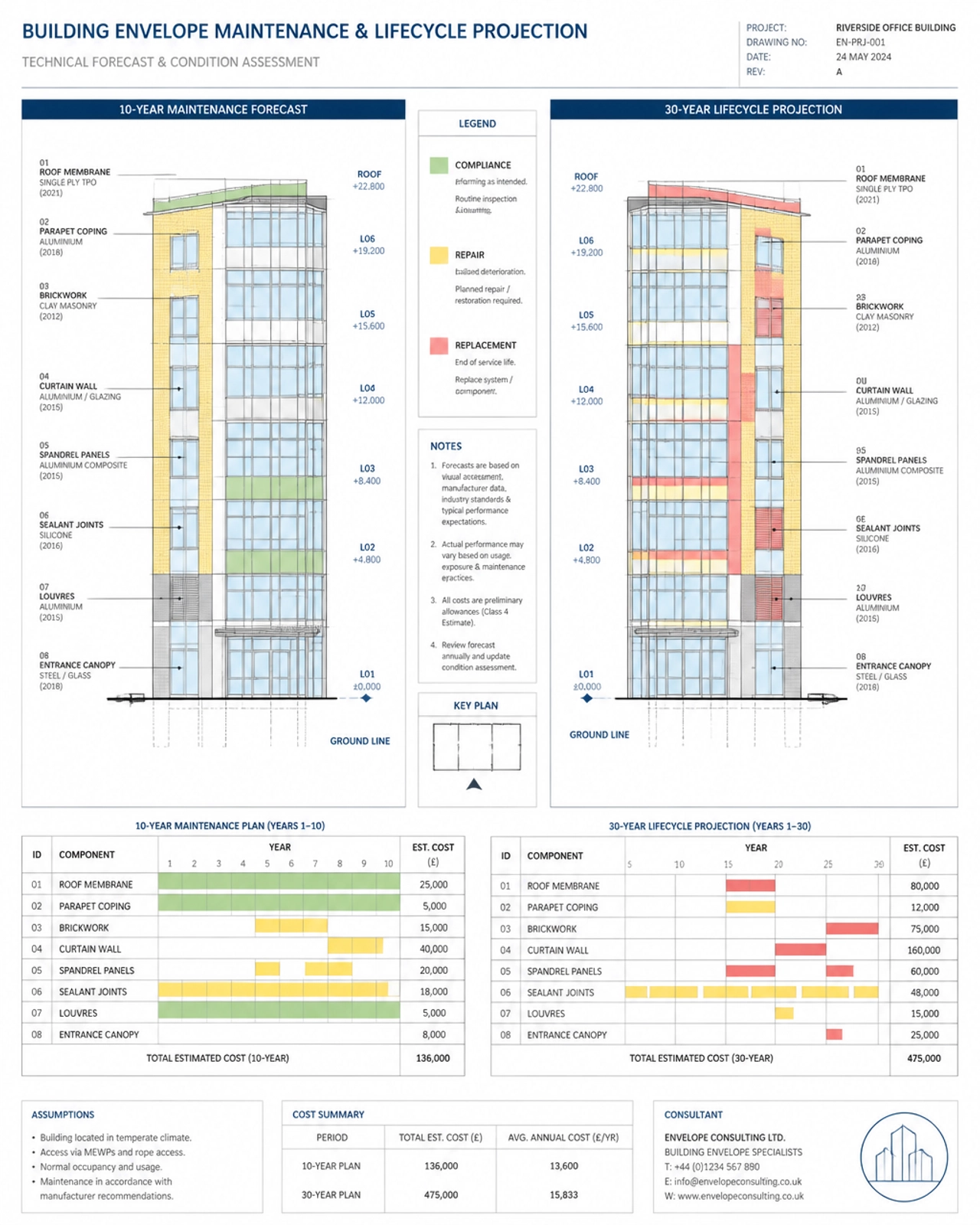
A maintenance plan is only as good as its execution. Here is how Shoal Bay Projects advises builders and homeowners to approach the process:
At Shoal Bay Projects, we don't just "fill in the forms." We operate at the advisory level, helping you interpret compliance requirements and turn them into strategic advantages. Our focus is on risk management and ensuring that your residential project is aligned with contractual and regulatory performance requirements from day one.
We guide our clients through the complexity of construction planning and quality expectations. Whether you are a builder looking to provide superior post-handover support or a homeowner wanting to protect your investment, we provide the structured advisory you need to make informed decisions.
The world of construction compliance and asset management is moving fast. If you want to stay ahead of the curve and connect with a community of professionals who value quality and compliance, we invite you to explore our community hub.
Check your current maintenance strategy. Does it protect your capital, or is it just a box-ticking exercise? Reach out to Shoal Bay Projects today for a strategic consultation on your 10-year maintenance planning and compliance needs.