Construction
Jul 20, 2026
Building Dispute Consultant Secrets Revealed: What Experts Don't Want You to Know About the 2026 Warranty Shift
Building Dispute Consultant Secrets Revealed: What Experts Don't Want You to Know About the 2026 Warranty Shift

Building Dispute Consultant Secrets Revealed: What Experts Don't Want You to Know About the 2026 Warranty Shift
For senior construction professionals, 2026 isn't just a date on the horizon; it is the year the landscape of residential liability fundamentally pivots. While industry talk often circles around rising material costs and labor shortages, the most significant risk to the bottom line is currently brewing in the legislative chambers.
The "2026 Warranty Shift" refers to a massive regulatory overhaul: spearheaded by Victoria but signaling a national trend: that replaces traditional Domestic Building Insurance (DBI) with a "First Resort" model. This change, combined with the introduction of decennial liability frameworks and 2% security bonds for high-rise residential projects, effectively closes the loophole that once allowed builders to "out-wait" minor defect claims.
At Shoal Bay Projects, our forensic analysis reveals that many builders are walking into this new era with a compliance strategy that is ten years out of date.
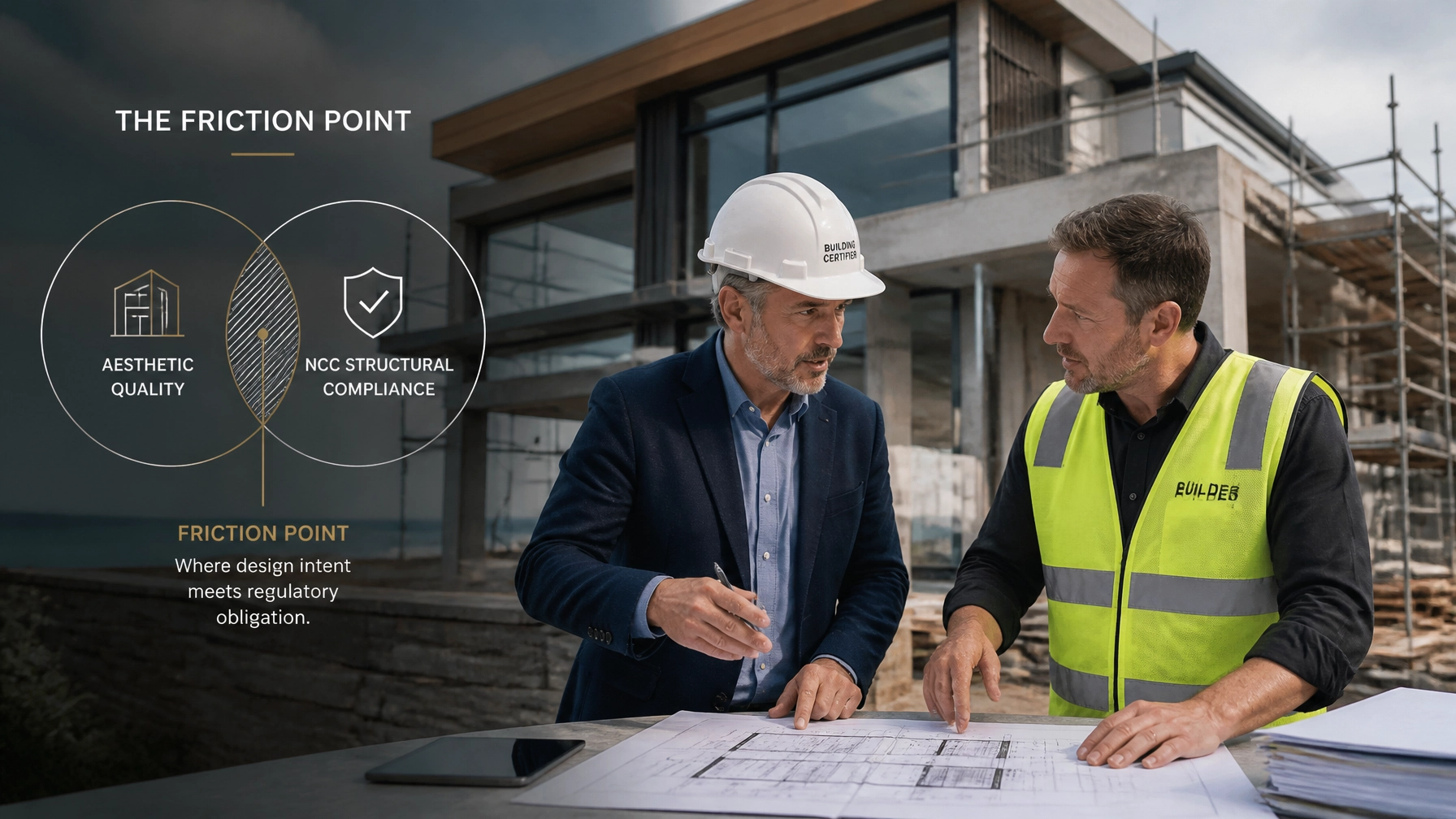
The most common point of friction in high-end residential construction exists in the "grey zone" between a Building Certifier’s tick of approval and the homeowner’s expectation of quality.
A Building Certifier (or Building Surveyor) is mandated to ensure a building meets the minimum performance requirements of the National Construction Code (NCC) and the Building Code of Australia (BCA). They are focused on life safety, structural integrity, and amenity: the "floor" of compliance.
Conversely, the homeowner is paying for the "ceiling": the aesthetic finish, the precision of a shadow line, and the durability of premium materials.
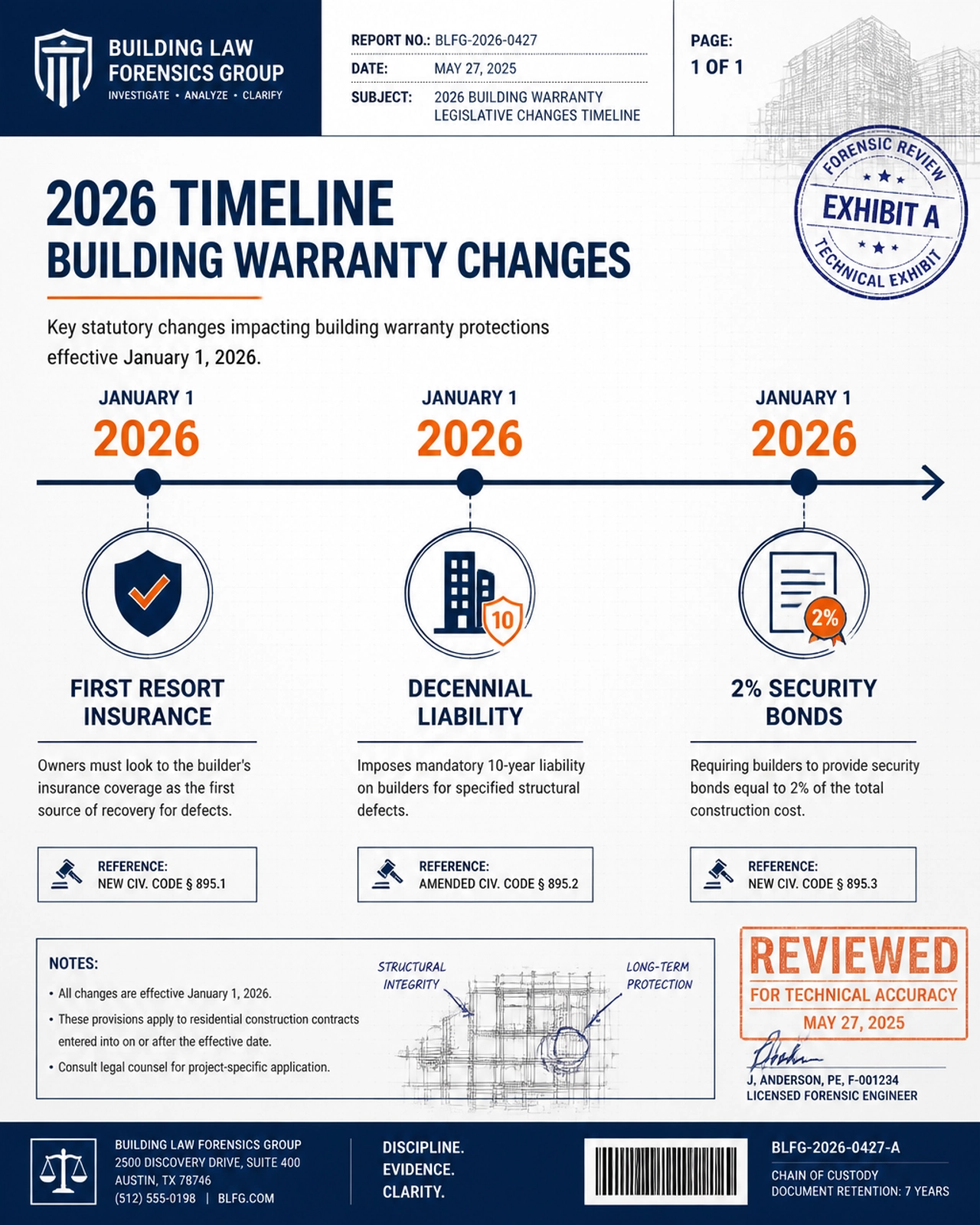
When the 2026 reforms fully take hold, the distance between these two expectations becomes a financial trap. Because the new "First Resort" schemes allow owners to claim for non-compliant or defective work even while the builder is still solvent, the "minimum" standard of the NCC will no longer be a sufficient defense against a determined litigant.
One of the "secrets" of building dispute consultancy is that a Certificate of Occupancy is not a certificate of perfection. In fact, relying solely on a certifier’s staged inspections is a high-risk strategy.
Certifiers generally do not check for:
The friction arises when the builder believes "it’s passed, so it’s finished," while the forensic consultant identifies that the method of installation will fail long before the 6-year structural warranty period expires.
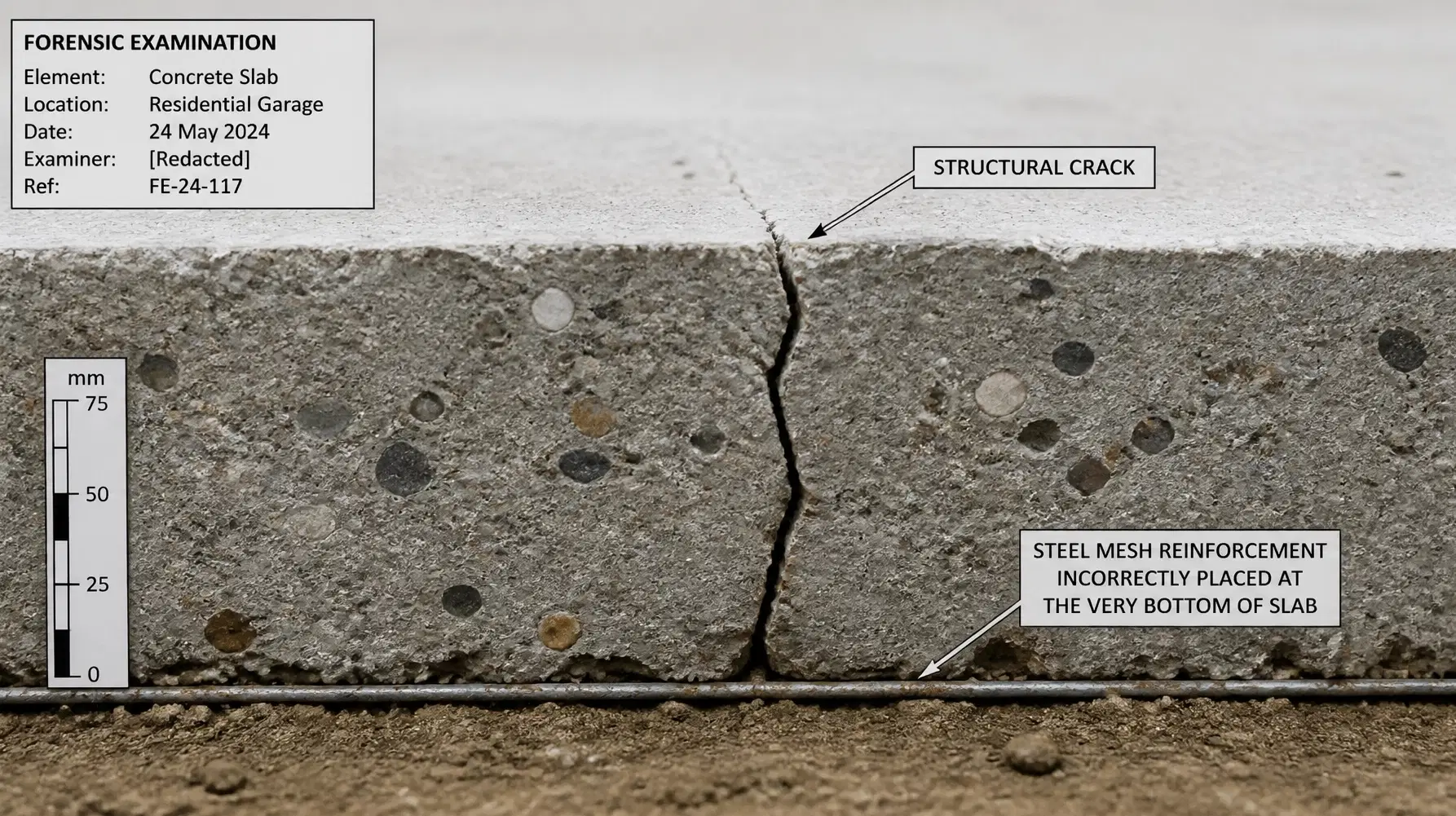
To navigate the 2026 shift, you must move beyond the BCA/NCC and integrate forensic-level adherence to specific Australian Standards. In a dispute, the "Expert Witness" (the role we often fill) looks at the following hierarchy:
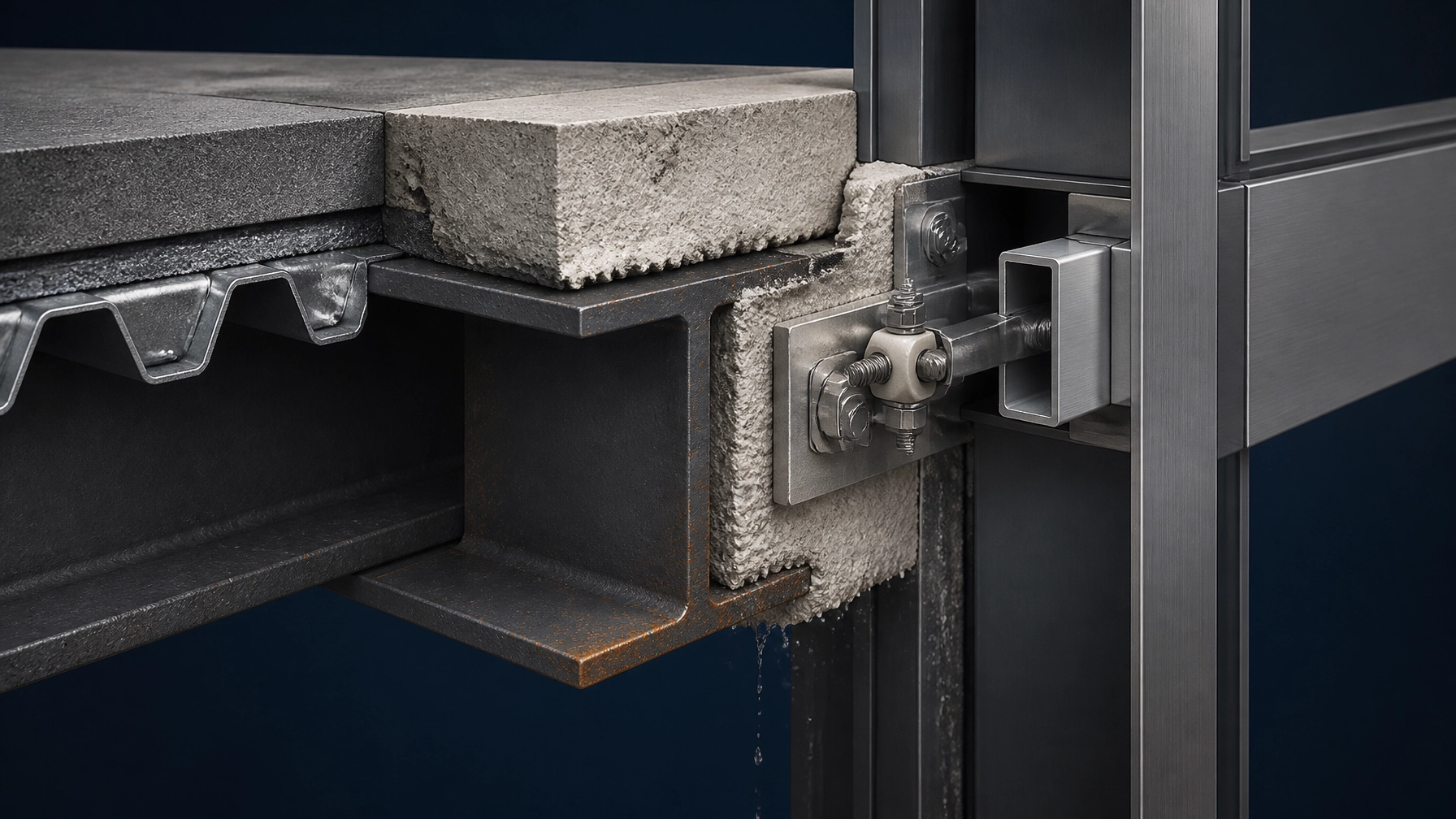
For example, a certifier may approve a balcony's structural framing. However, a forensic consultant will look at the flashing detail against AS 4654.2 (Waterproofing membranes for external above-ground use). If the flashing is technically "compliant" with the code but lacks the forensic durability required to prevent long-term efflorescence or substrate rot, the 2026 warranty shift means the builder is on the hook for a "First Resort" claim much earlier than they expect.
We see two primary engagement models that lead to disaster:
Under the 2026 reforms, these "buried" risks become immediate financial liabilities. The 2% bond requirement for developments over three storeys means that if a certifier finds a late-stage compliance issue, your cash is already held hostage.
To survive the 2026 warranty shift, senior builders and developers must transition from a "Project Management" mindset to a "Compliance Advisory" mindset.
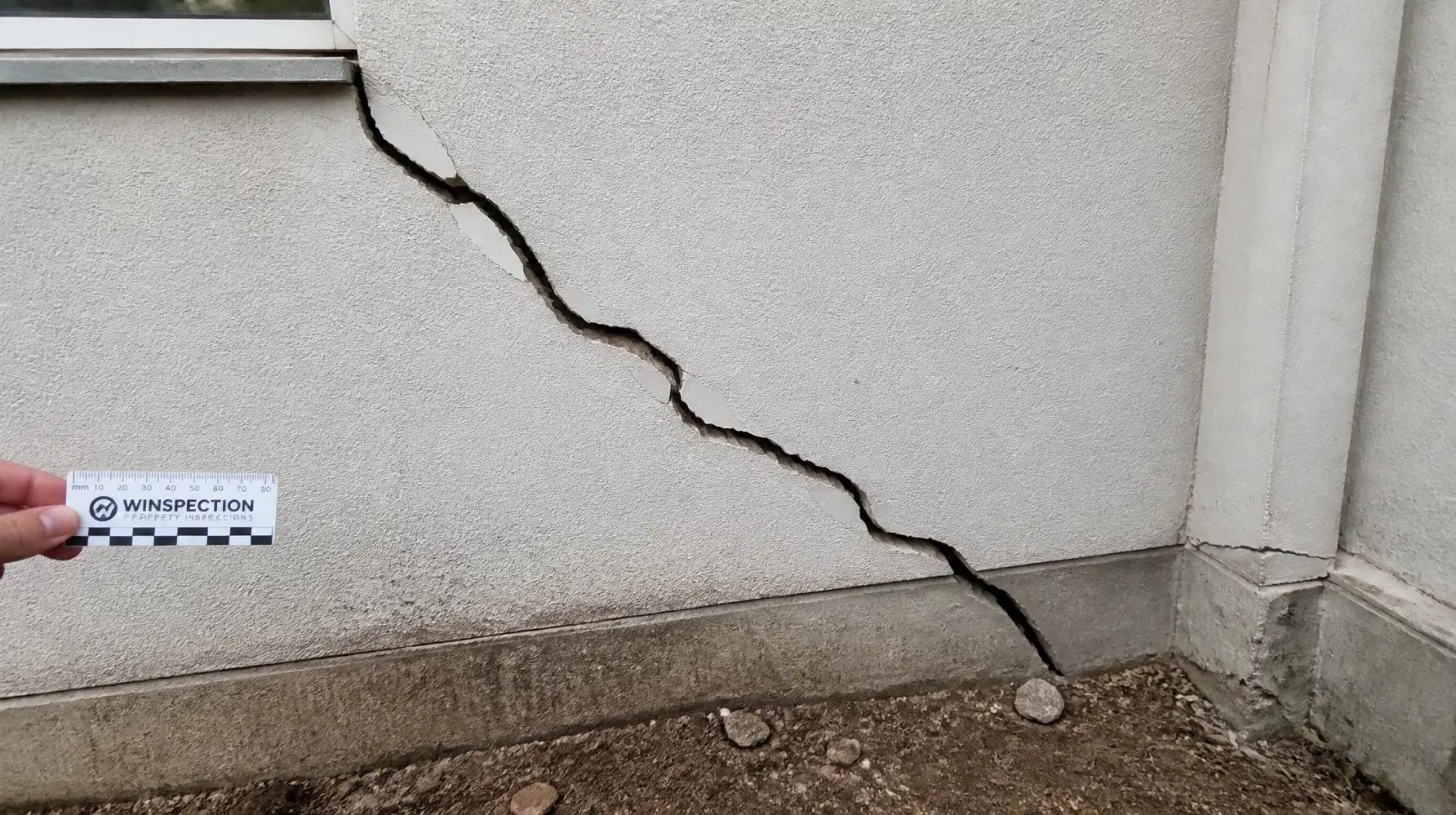
The secret that building dispute consultants know is that most disputes are preventable if you treat compliance as a forensic science rather than a bureaucratic hurdle. As we move toward 1 July 2026, the cost of being "mostly compliant" will become higher than the cost of being forensically perfect.
Stay ahead of the regulatory curve and master the complexities of modern construction.
Welcome to the Hive : our community hub for senior construction professionals seeking clinical, forensic, and strategic advisory.
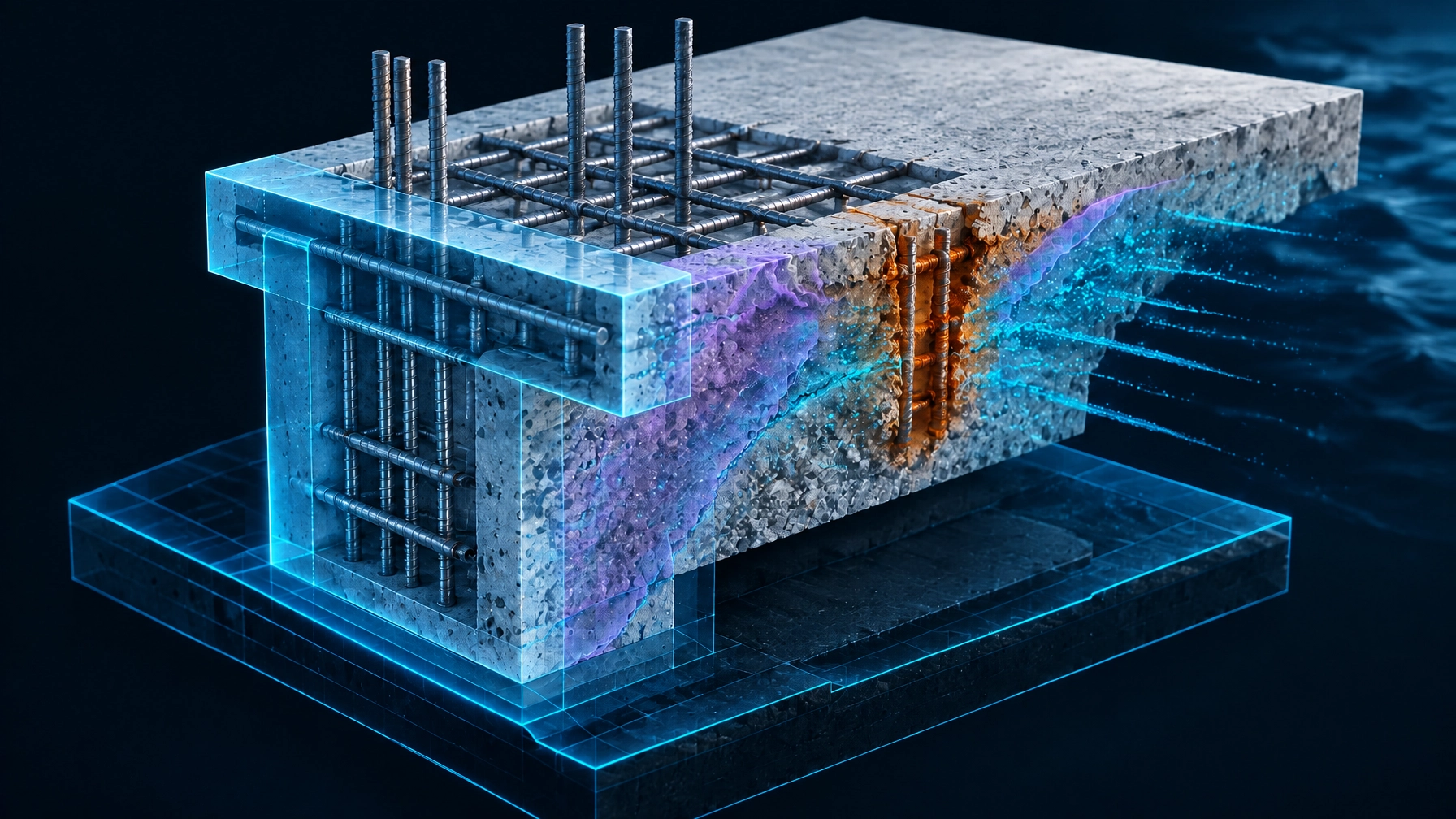
⚠️ The images in this post are used for illustration purposes only, designed to encourage thoughtful discussion. They are not intended to represent a prescriptive detail of any installation or construction method.
Intro: The 2026 Warranty Shift is coming, and it’s not just a Victorian problem: it’s a signal of a national pivot in construction liability. If you're still relying on a "tick and flick" certifier model to protect your profit margins, you're exposed. Here’s a forensic look at what’s changing and why the gap between "code-compliant" and "defect-free" is about to get much more expensive.
Blog Title: Building Dispute Consultant Secrets Revealed: What Experts Don't Want You to Know About the 2026 Warranty Shift Link: [Insert your website URL here once published]
Key Forensic Takeaways:
Featured Assets: