Construction
Jul 7, 2026
Building Dispute Consultant Secrets Revealed: What Experts Don't Want You to Know
Building Dispute Consultant Secrets Revealed: What Experts Don't Want You to Know

Building Dispute Consultant Secrets Revealed: What Experts Don't Want You to Know
In the high-stakes arena of Australian residential construction, the distance between a "completed project" and a "legal dispute" is often measured in millimeters and misunderstood clauses. For Construction Directors and Senior Engineers, a dispute is not merely a legal hurdle; it is a systemic failure of the forensic compliance chain.
When a building consultant enters a site, they are not looking for "poor workmanship" in the layman's sense. They are looking for the structural and regulatory friction points that the National Construction Code (NCC) and Australian Standards (AS) define as non-negotiable.
Here are the forensic secrets of building dispute consultancy: the technical levers used to pivot a project from a stalemate into a resolution.
The most common catalyst for a dispute is the fundamental misunderstanding of the NCC's purpose. The NCC (Volumes 1 and 2) is a set of minimum performance requirements. It is designed to ensure safety, health, amenity, and sustainability: not aesthetic perfection.
A building can be fully NCC-compliant and still be considered "low quality" by a homeowner. Conversely, a builder may deliver a visually stunning project that contains critical systemic failures in waterproofing or fire separation.
The Forensic Strategy:
Shift the narrative immediately from subjective quality to objective compliance. If an owner complains that a finish "looks bad," a senior consultant identifies if it meets the tolerances specified in the Guide to Standards and Tolerances or relevant Australian Standards like AS 3700 (Masonry) or AS 4773 (Masonry in small buildings). If the work sits within the allowable tolerance, the dispute is contractual, not a defect.
Check your contracts: Ensure they define quality benchmarks above the NCC minimums if you intend to deliver a premium product. Without these benchmarks, the NCC is the only yardstick the tribunal will use.
Experts don't win disputes by arguing that a wall is crooked. They win by identifying exactly which clause of the NCC or which referenced Australian Standard has been breached.
When a dispute consultant audits a site, they perform a clinical mapping of the physical structure against the regulatory framework. They don't report "dampness"; they report a "failure of the external building envelope to comply with NCC 2022 Volume 2, Part H2, Performance Requirement F1P1 regarding weatherproofing."

The Forensic Strategy:
For every identified site issue, demand a "Clause Citation." If a consultant or owner representative cannot point to the specific NCC Performance Requirement or Deemed-to-Satisfy (DtS) provision being breached, their claim is significantly weakened. This clinical precision separates emotive complaints from actionable technical defects.
Many construction professionals believe that a "Final Certificate" or "Occupation Certificate" from a Building Certifier (or Principal Certifying Authority) is a shield against future disputes. It is not.
A certifier’s role is to verify that the building meets the minimum regulatory requirements at specific, mandated stages of construction. They are not quality control managers, and they are not forensic auditors. In a tribunal setting, a certifier's "tick" will rarely override evidence of a systemic defect, such as a waterproofing failure or a structural non-compliance.
The Forensic Strategy:
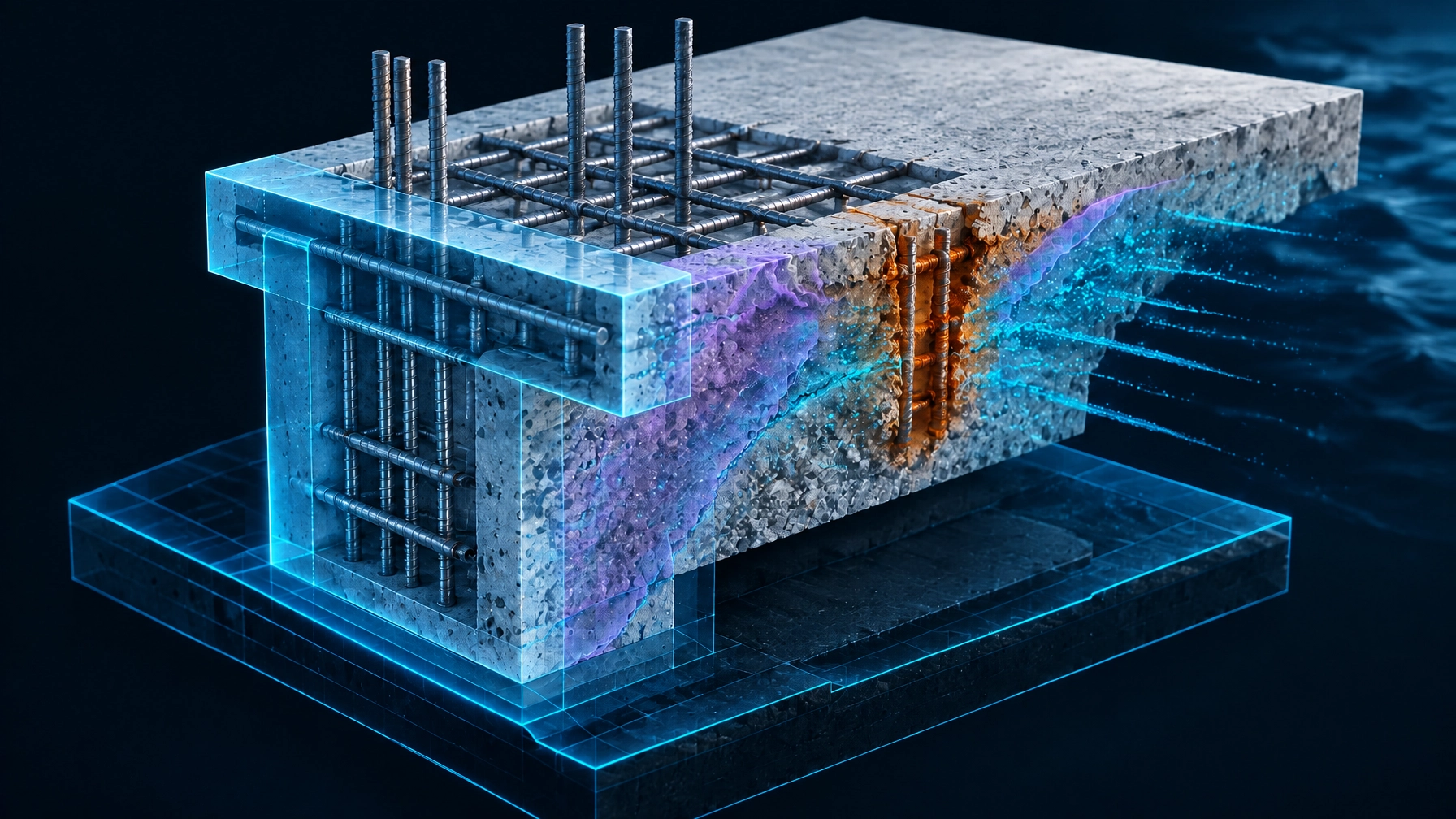
Treat the certifier as a regulatory milestone, not a risk management strategy. Implement independent forensic audits at critical junctions: particularly before "closed-wall" stages. Document the installation of waterproofing membranes (complying with AS 3700 and AS 4654) and structural connections before they are concealed. This internal data is your real defense.
A single cracked tile is a nuisance. A bathroom where the waterproofing membrane was applied without a bond breaker (breaching AS 3740) is a systemic failure.
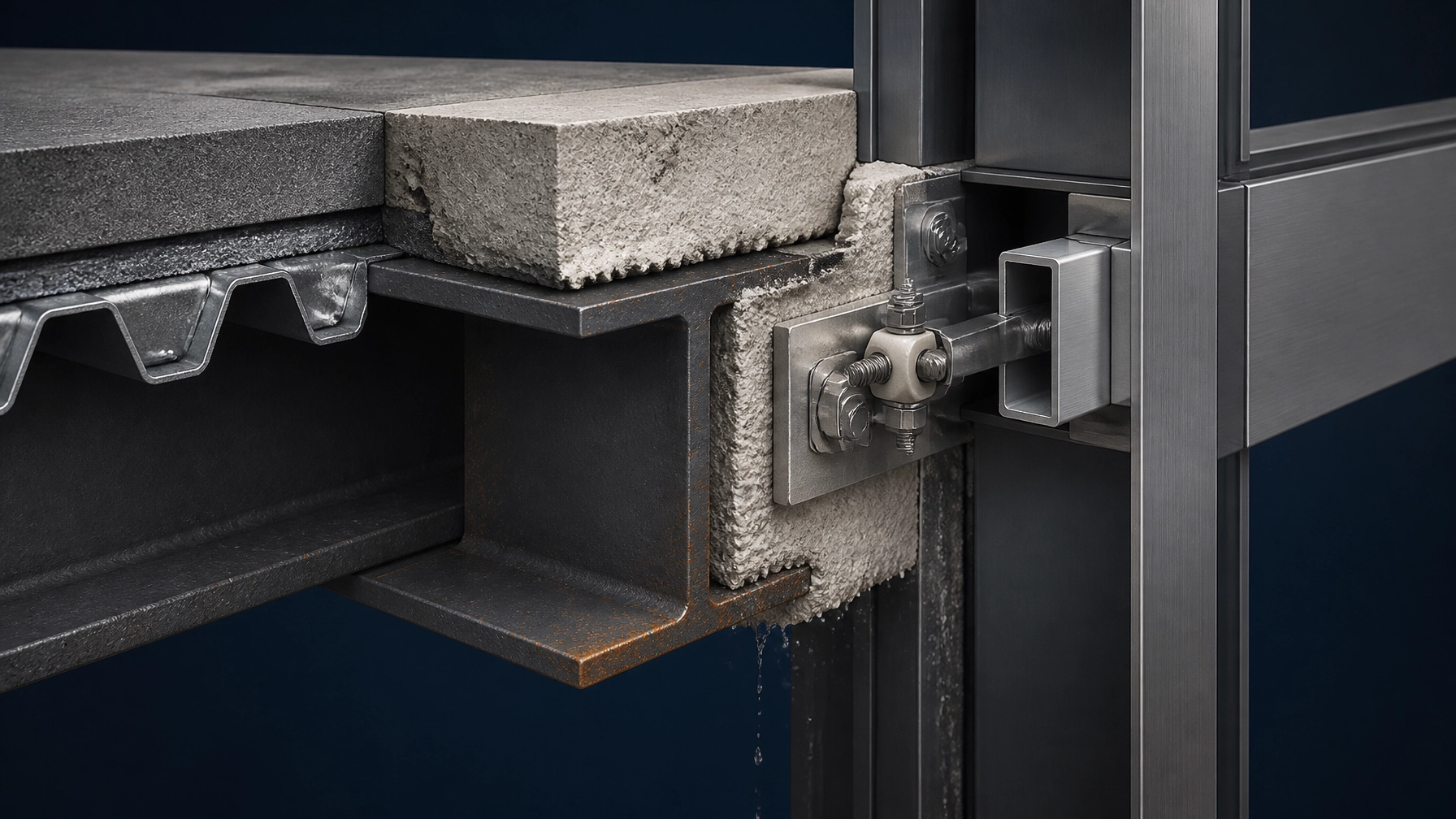
Dispute consultants look for patterns. If they find one non-compliant detail in a balcony drainage system, they will extrapolate that failure across every balcony in the development. This is how a $5,000 repair turns into a $500,000 rectification order.
The Forensic Strategy:
Perform "Spot Check" forensic audits on repetitive details. If your team is installing 50 shower bases, audit the first three with clinical intensity. Correct the systemic error at the source before it becomes a multi-unit liability.
Specify exact installation methods in your subcontractor agreements and require photographic evidence of the "hidden" components: the ones that consultants love to dig for later.
In 90% of disputes, the primary failure isn't the physical construction: it's the documentation gap. When a consultant reviews a file, they look for:
If you cannot produce the paper trail for a technical decision made on-site, a consultant will argue that the decision was never made, and the resulting work is non-compliant by default.
The Forensic Strategy:
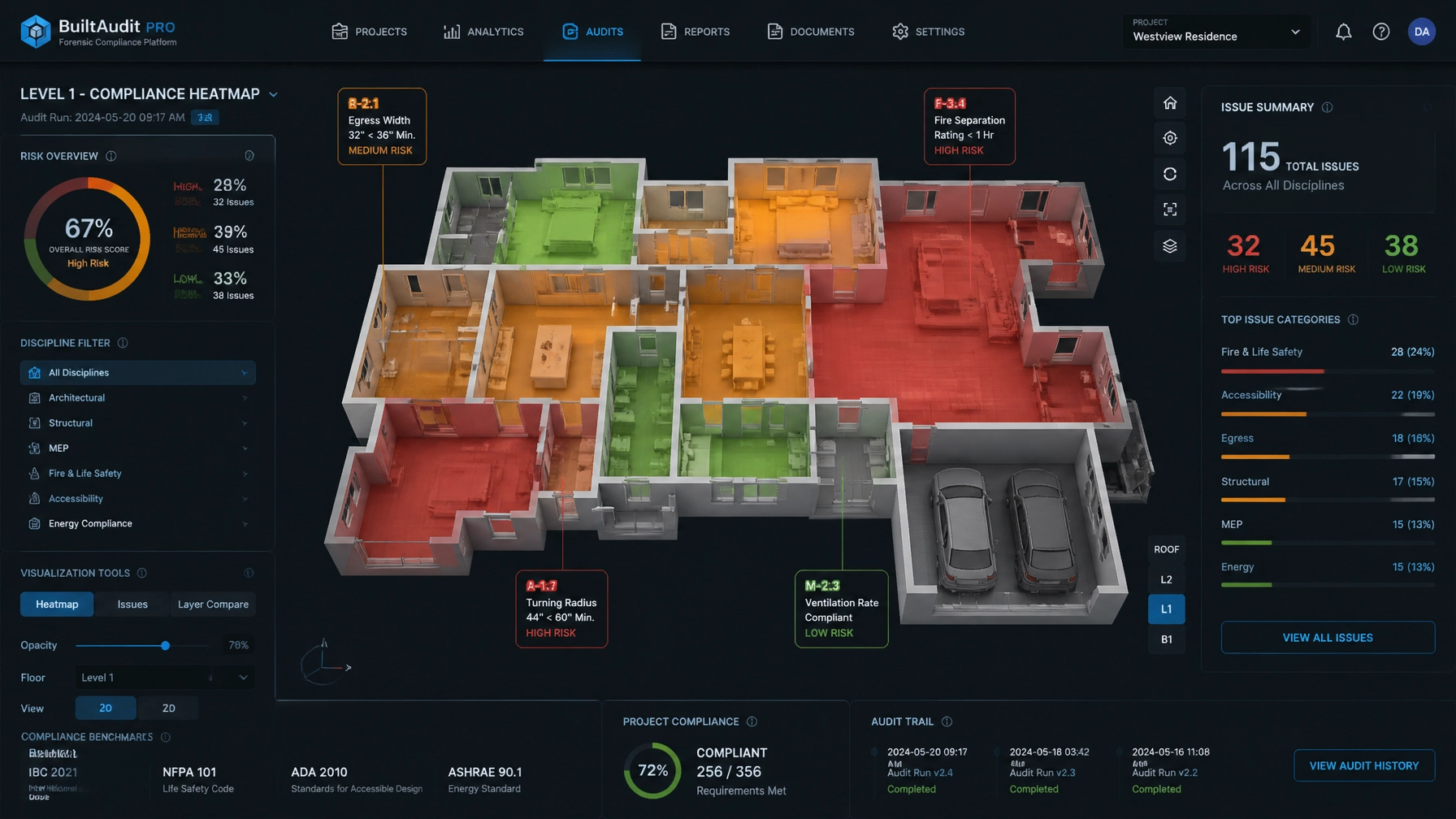
Digitise your compliance trail. Use a project control dashboard to track live compliance checks and document control. Every variation should be linked to its regulatory justification.

The "secret" of building dispute consultants is that they aren't looking for a fight; they are looking for the truth of the build. By adopting a clinical, forensic perspective during the construction phase, you effectively eliminate the friction points that lead to litigation.
At Shoal Bay Projects, we act as the bridge between site execution and regulatory compliance. We don't just identify problems; we provide the structured, compliance-focused advisory needed to prevent them from escalating.
If you are ready to move from reactive dispute management to proactive construction intelligence, we invite you to join our community. Explore "The Hive" and "The Vault" for more in-depth forensic insights and strategic consultation.
Welcome to the Hive - Watch the Invitation

⚠️ The image in this post is used for illustration purposes only, designed to encourage thoughtful discussion. It is not intended to represent a prescriptive detail of any installation or construction method.