The Australian construction landscape in 2026 is moving through a period of intense regulatory transition. While the industry is striving toward the national target of 1.2 million new homes, the financial pressure on builders has never been more acute. High material costs, labor shortages, and the lag effect of fixed-price contracts have created a "perfect storm" of insolvency risks.
In response, we are seeing the rise of what is collectively known as the 2026 Oversight reforms. From Western Australia’s early intervention powers to Victoria’s Building and Plumbing Administration and Enforcement Bill 2026, regulators are no longer waiting for a company to collapse before stepping in. They are looking for red flags early: and as a homeowner or developer, you should be doing the same.
At Shoal Bay Projects, we operate at the forensic level of construction advisory. Identifying a builder’s financial instability before they reach the point of no return can save you hundreds of thousands of dollars and years of legal heartache.
Here are the seven critical signs that your builder is under financial pressure, and how the new 2026 legislative environment changes the game.
1. The "Skeleton Crew" and Site Stagnation
Progress on a construction site should be linear and logical. One of the most immediate signs of financial distress is the sudden disappearance of a consistent workforce. If you notice your site has moved from a bustling hive of activity to a "skeleton crew" or, worse, total silence for weeks without a weather-related excuse, pay attention.
Builders under pressure often "rob Peter to pay Paul," moving their limited labor resources to whichever project is closest to a milestone payment to keep cash flowing.
Watch for:
- Materials being delivered and then sitting unused for weeks.
- Work stopping and starting sporadically.
- Vague excuses regarding "supplier delays" that don't align with industry-wide availability.
2. High Staff Turnover and "Ghosting"
A builder’s internal health is often reflected in their staff retention. In 2026, the administrative burden of compliance is higher than ever. If your Project Manager (PM) or Contract Administrator (CA) disappears and is replaced by someone who has no history of your project: or if the position remains vacant: it’s a major red flag.
When a builder stops answering emails or provides evasive, non-committal answers to direct questions about timelines, they are often in "crisis management" mode behind the scenes.

3. Unusual or Aggressive Payment Demands
The 2026 Oversight Bill frameworks across Australia place a heavy emphasis on "milestone integrity." Builders are legally required to claim payments only when the specific stage of work has been completed to the required standard (e.g., AS 2870 for residential slabs).
Financial pressure often manifests as:
- Front-loading: Asking for a larger deposit than the statutory limit.
- Early Claims: Issuing a "Lock-up" invoice when the windows aren't actually in or the doors aren't hung.
- Urgency: Pressing for immediate payment of variations that haven't been properly documented or agreed upon in writing.
Advisory Tip: Never pay for work that hasn't been completed. If a builder asks for an "advance" to secure materials, ensure those materials are delivered to your site and are clearly identified as your property.
4. Subcontractor Rumblings and Site Walk-offs
Subcontractors are the "canaries in the coal mine." They are usually the first to know when a builder’s cash flow has dried up because their invoices are the first to go unpaid.
If you visit the site and a tradie mentions they haven't been paid for the last three months, or if you see subcontractors removing their equipment and materials from the site, the builder is likely insolvent. Under the expanded oversight powers of 2026, regulators can now take action based on reports of systematic non-payment to trades, even before a formal insolvency event occurs.
5. Material Substitutions and Quality Erosion
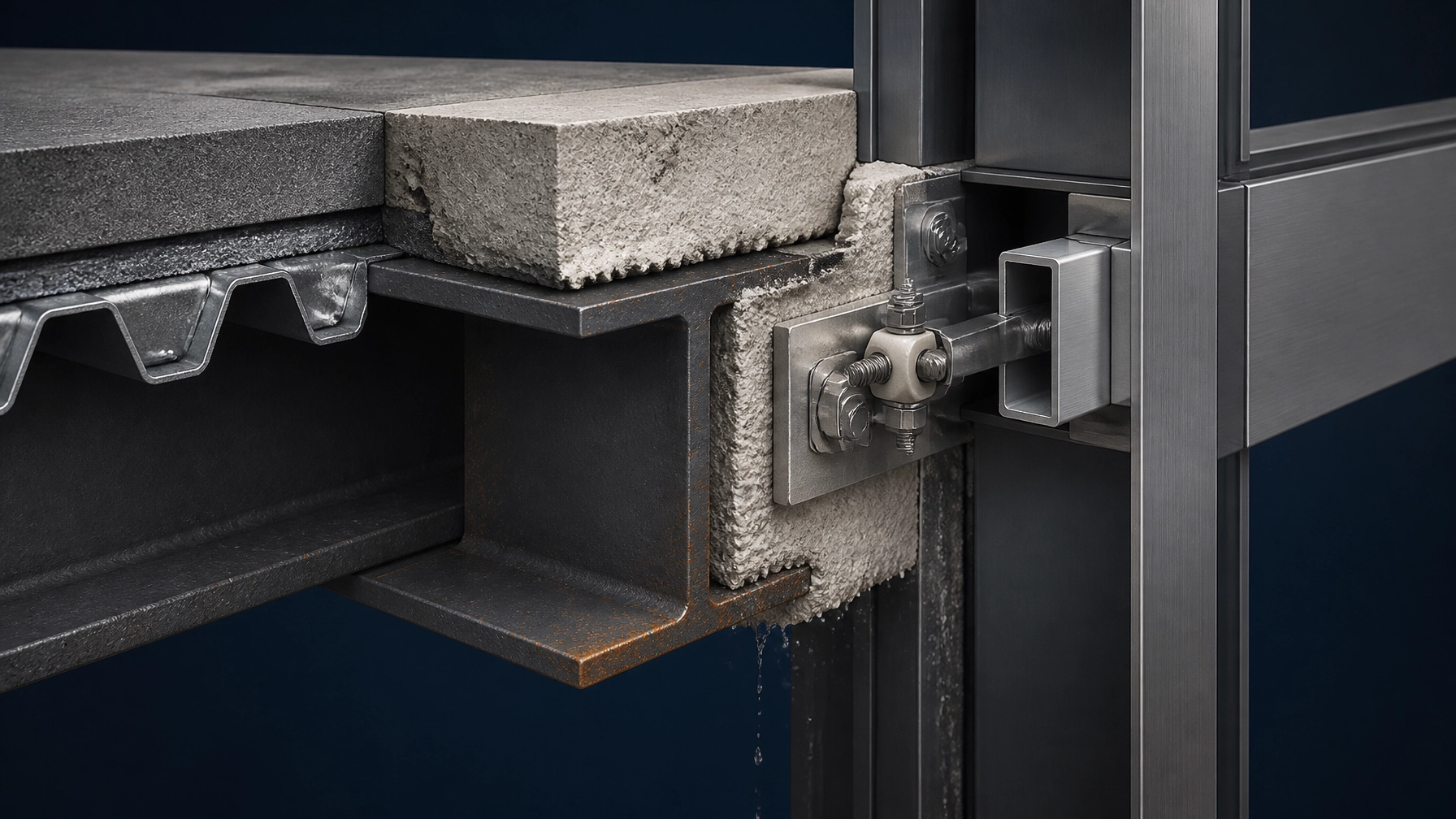
When cash is tight, corners are cut. We frequently see builders attempting to substitute specified high-quality materials for cheaper alternatives without seeking the required variations or approvals.
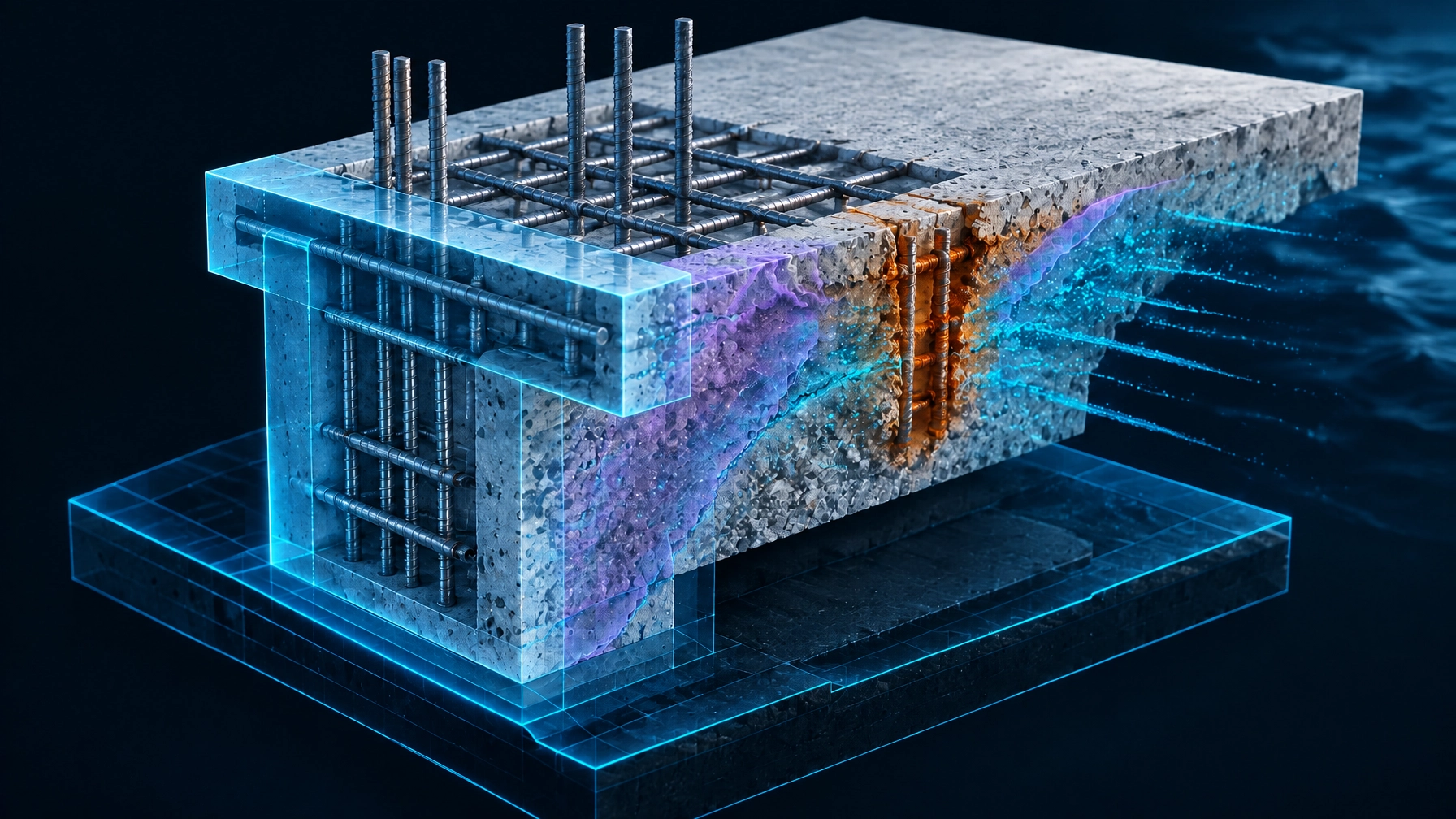
This isn't just a financial issue; it’s a compliance risk. Substitutions in structural elements, such as using lower-grade timber or reducing the specified reinforcement in a concrete slab (violating AS 2870), can lead to catastrophic long-term defects.

Check... that the materials on-site match your specification.
Document... any discrepancies immediately.
Specify... that no substitutions are permitted without written consultant approval.
6. The Appearance of Legal or Regulatory Notices
In the digital age of 2026, transparency is a requirement, not an option. A builder under pressure will often have a trail of legal breadcrumbs:
- ASIC Notices: Check for any "Notice of Application for Winding Up."
- Court Judgments: Look for unpaid debt judgments in the local or district courts.
- Regulator Conditions: Check the state building authority’s register. New 2026 powers allow regulators to place "Financial Monitoring" conditions on a builder’s license if they fail to meet minimum financial requirements.
If your builder’s license shows a "conditional" status regarding financial reporting, they are already on the regulator's radar.
7. Desperation in New Business (The "Discount" Trap)
If a builder is suddenly offering significant discounts for upfront cash payments or "special deals" if you sign immediately, proceed with extreme caution. This is often a sign of a "Ponzi-style" construction model, where the builder needs your deposit to finish the previous client’s house.
The 2026 Oversight Bill is specifically designed to catch this behavior by requiring more rigorous proof of "Net Tangible Assets" and liquidity before a builder can take on new contracts.
What the 2026 Oversight Bill Means for You
The legislative shift in 2026 is designed to move the industry away from "Post-Collapse Cleanup" and toward Active Risk Management.
Key takeaways from the new reforms include:
- Early Intervention Powers: Regulators in states like WA and Victoria can now suspend a builder’s ability to take on new work if they cannot prove their solvency.
- Mandatory Financial Transparency: Builders may be required to provide project-specific bank accounts or trust accounts for larger residential builds to ensure your money stays on your project.
- Expanded Director Liability: It is becoming harder for directors to "phoenix" a company (closing one insolvent business to open another) without facing significant personal penalties.

Action Steps: Protecting Your Build
If you see these signs, do not wait for the "Closed" sign to appear on the site fence.
- Conduct a Forensic Audit: Engage a building consultant to verify exactly what percentage of the work is complete versus what you have paid.
- Audit the Paperwork: Ensure all insurance policies (HBCF/Home Indemnity Insurance) are valid and that the certificates are in your name.
- Issue a Default Notice: If the builder is in breach of contract (e.g., stopping work without cause), issue a formal notice as per your contract's dispute resolution clause.
- Contact the Regulator: If you suspect insolvency, notify your state building regulator. Under the 2026 Oversight Bill, they have the power to investigate and potentially protect your project before a total collapse.
At Shoal Bay Projects, we help you navigate these high-stakes situations. Whether you are a homeowner concerned about site progress or a builder looking to align your operations with the 2026 compliance standards, we provide the structured, compliance-focused advisory you need.
Welcome to the Hive
Building doesn't have to be a gamble. If you want to stay ahead of the curve on construction compliance, risk management, and the latest Australian industry shifts, we invite you to explore our community hub.
Join us at "The Hive" or "The Vault" to access deeper insights and professional support for your next project.