Construction
Jul 2, 2026
7 Mistakes You're Making with NSW Strata Handovers (and How to Fix Them)
7 Mistakes You're Making with NSW Strata Handovers (and How to Fix Them)

7 Mistakes You're Making with NSW Strata Handovers (and How to Fix Them)
If you’re a Director running residential projects in Sydney, you already know that the landscape has shifted. We aren't just building houses anymore; we’re navigating a regulatory minefield where the Design and Building Practitioners Act (DBPA) and the new 2026 strata reforms are the primary tripwires.
The handover isn’t just about giving the keys to the Owners Corporation (OC) and moving on to the next site. In 2026, the handover is a legal, financial, and reputational milestone that can haunt your balance sheet for years if handled poorly. We’ve seen too many builders treat the strata handover as a "box-ticking exercise" only to find themselves in NCAT six months later because their documentation didn't align with the built reality.
Here are the 7 most common mistakes we see in NSW strata handovers right now: and how you can fix them before they become liabilities.
Since 1 April 2026, the NSW government has mandated that every Initial Maintenance Schedule (IMS) must be in a prescribed standard form.
The Mistake: Many builders are still using their own internal templates or generic lists provided by sub-contractors. If your IMS isn't in the official form, you’re technically in breach. This isn't just a slap on the wrist; it’s a specific offence that carries civil penalties for the developer or original owner.
The Fix: Instruct your consultants to use the prescribed standard IMS form only. Ensure it covers all common property systems, including costs and specific maintenance frequencies. This document is the OC’s bible for the first few years; if it’s weak, you’re essentially inviting them to blame you for any maintenance-related failures.
For multi-storey schemes where lots are stacked (the bread and butter of Sydney’s medium-density market), the IMS and initial levy estimates must be certified by an independent qualified surveyor or quantity surveyor.
The Mistake: Using your project’s existing Quantity Surveyor to sign off on the handover pack. The law requires independence from the developer. Using a "friendly" QS who has been on your payroll for the duration of the build is a red flag for NSW Fair Trading and a gift to a litigious Owners Corporation.
The Fix: Engage an independent external QS specifically for the handover certification. Brief them early. They need to certify that the levies are realistic for the first year based on actual projected expenses, not just a low-ball figure to help sales.
Timing is everything in strata. You are legally required to provide the IMS and the independent surveyor’s certification to the Owners Corporation at least 14 days before the first AGM.
The Mistake: Handing over the documents at the meeting or the day before. This is one of the easiest ways to trigger an investigation. It signals to the new owners that you’re rushing the process or hiding something.
The Fix: Treat that 14-day window as a hard contractual milestone. Build it into your Practical Completion (PC) checklist. If you don’t have your paperwork ready two weeks out, you aren't ready for the AGM.
We all want the levies to look attractive during the sales phase, but there is a fine line between "competitive" and "misleading."
The Mistake: Setting artificially low levies that don't reflect the real cost of running a building with lifts, fire systems, and concierge services. When the OC realizes they’re under-funded in six months, their first call won't be to the strata manager: it will be to a lawyer to discuss misleading conduct.
The Fix: Build a bottom-up budget based on the IMS and actual service contracts. If the independent QS won't certify the numbers, the numbers are wrong. Adjust them now to avoid a lawsuit later.
The Design and Building Practitioners Act 2020 (DBPA) requires a precise trail of regulated designs and compliance declarations.
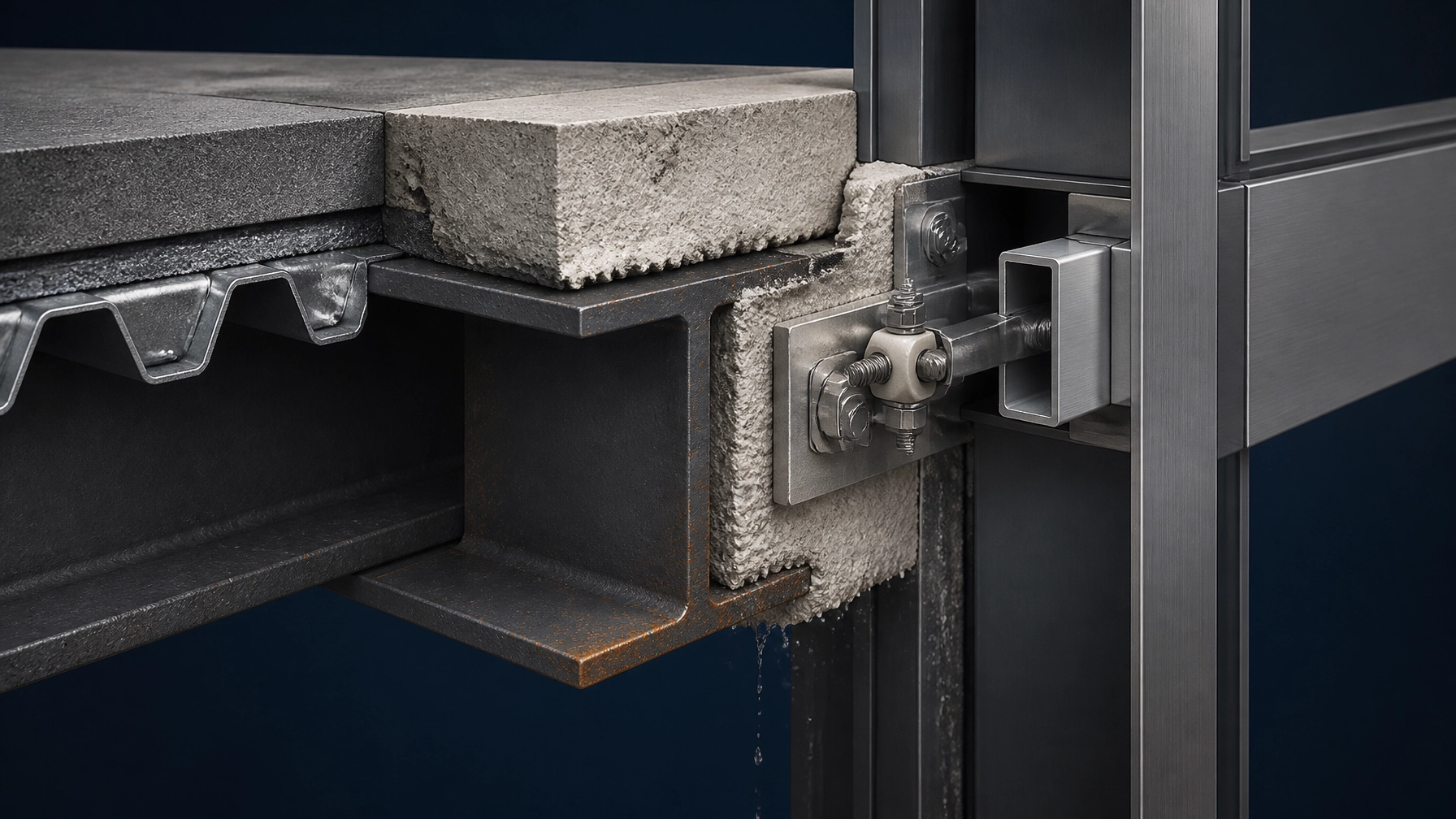
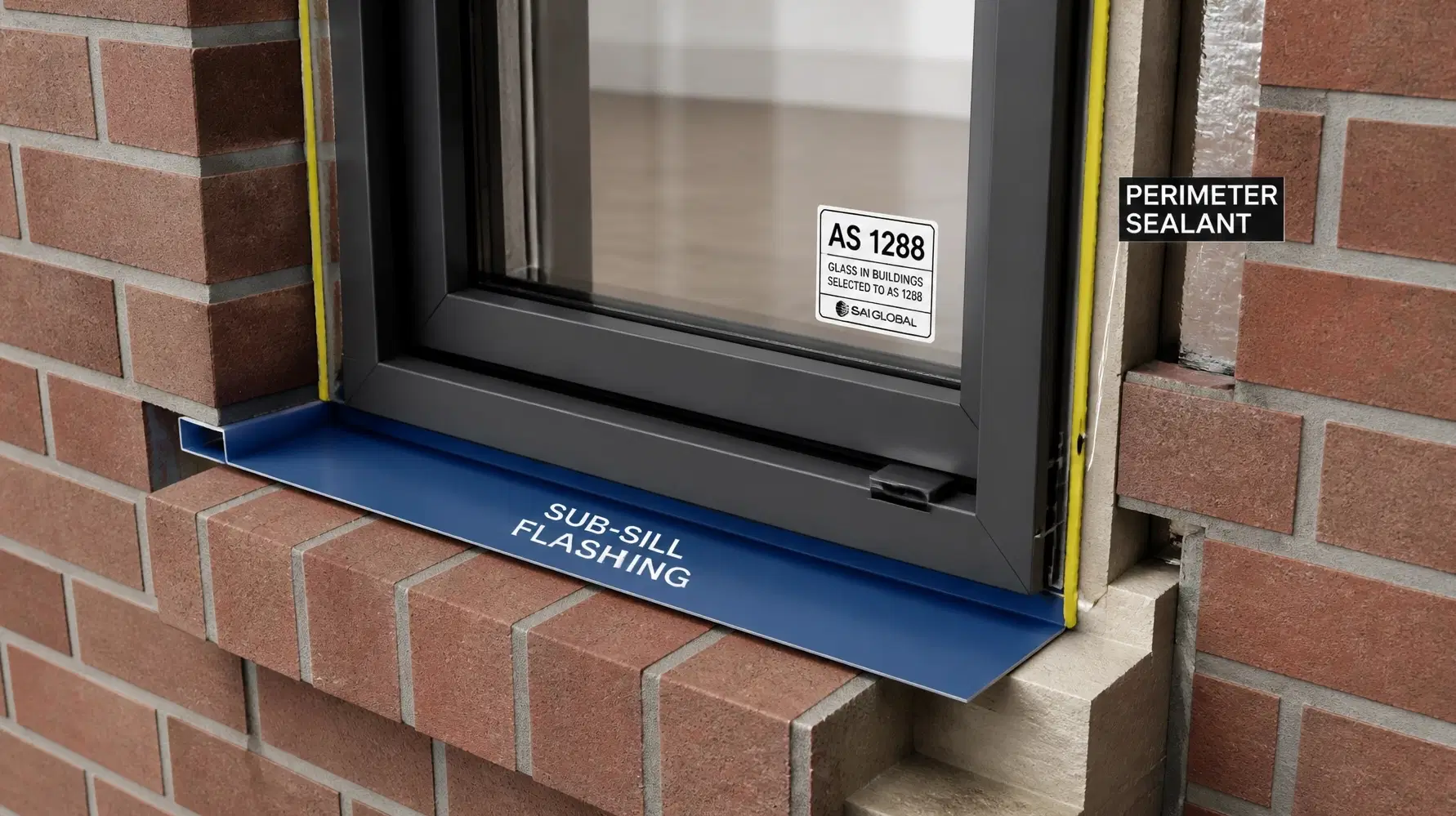
The Mistake: Failing to reconcile your "as-built" reality with the regulated designs lodged on the NSW Planning Portal. If you changed a waterproofing membrane or modified a fire-rated wall junction during construction (Variation) but didn't update the regulated design and declaration, your handover pack is essentially a list of defects waiting to be found.
The Fix: Conduct a forensic reconciliation before handover. Ensure every critical junction: especially waterproofing (AS 4654.2) and fire-stopping (AS 1530.4): matches the declarations on the Portal.
Fire safety is the second most common area for serious defects in NSW strata buildings. In 2026, the requirements for logbooks and record-keeping are stricter than ever.
The Mistake: Providing a "final certificate" but failing to provide the on-site, hard-copy logbooks required under AS 1851. If those logbooks aren't on-site and ready for the OC to take over, the building is technically non-compliant from Day 1.
The Fix: Audit your fire contractors' records three months before completion. Confirm they are maintaining AS 1851-compliant logbooks and that every fire door, hydrant, and smoke alarm is correctly tagged and logged.
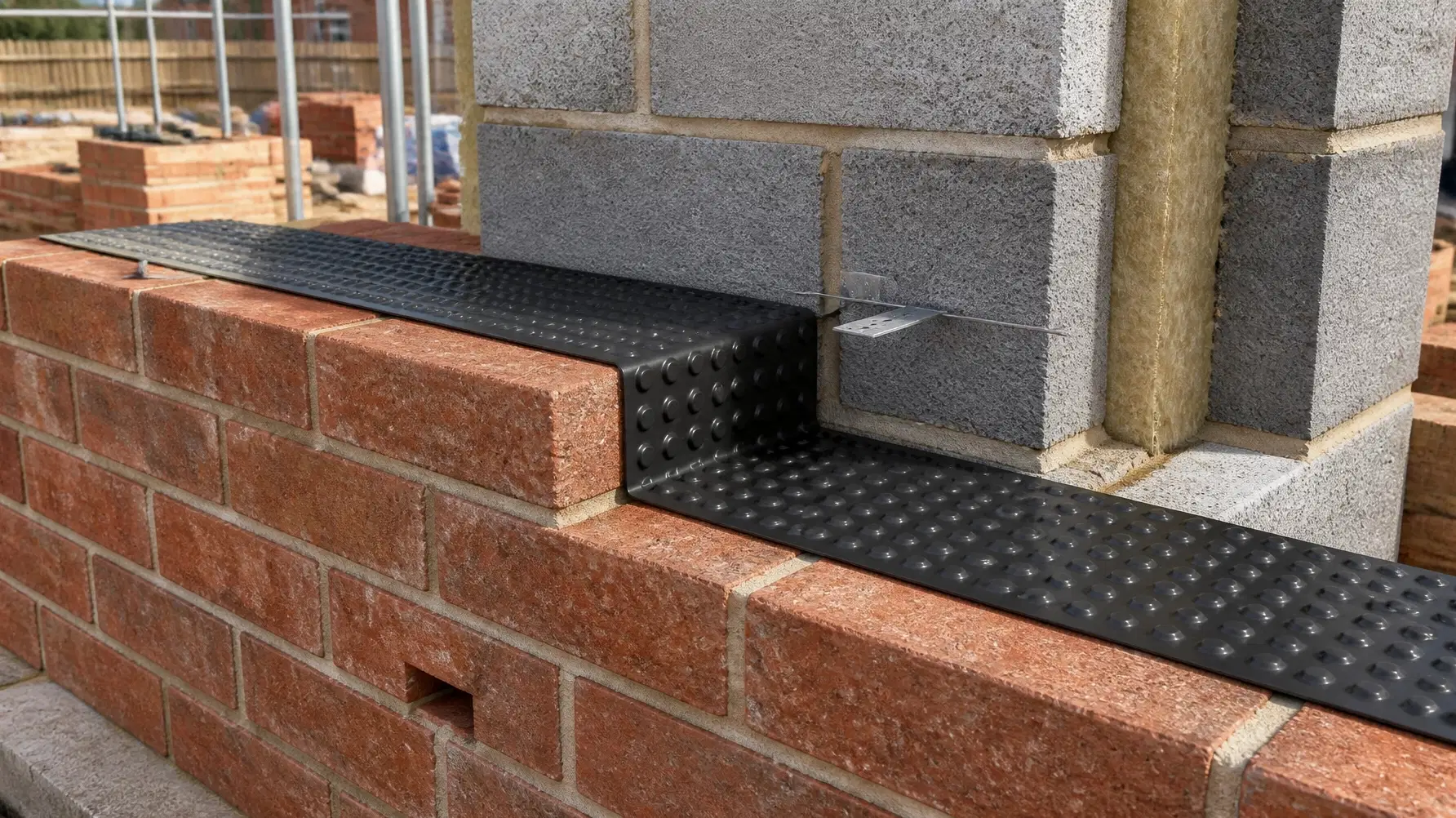
While the Owners Corporation is responsible for the 10-year capital works fund plan, the data you provide at handover dictates its success or failure.
The Mistake: Providing minimal lifecycle data for major assets (lifts, HVAC, roofs). If the OC has to guess how much to save for a roof replacement in 10 years, they will often over-estimate or panic-levy, creating friction between the builder and the owners.
The Fix: Provide a comprehensive asset register with clear lifecycle expectations. Align this with the standard prescribed form for capital works plans. When you provide high-quality data, you demonstrate that the building was designed and built for long-term performance, not just a quick exit.
Handing over a strata building in Sydney is no longer a simple handover of keys. It is a complex transfer of risk. At Shoal Bay Projects, we specialize in bridging the gap between construction completion and compliance certainty.
Whether you're a builder looking to insulate yourself from future defect claims or a director needing a forensic review of your DBPA documentation, we provide the structured advisory you need to close out projects with confidence.
Welcome to the Hive
If you want to dive deeper into the world of construction compliance and strategic project management, we invite you to join our community. It’s where we share the technical insights that keep your projects on track and your reputation intact.
Explore the hub here: Welcome to the Hive