Construction
Jul 2, 2026
7 Mistakes You’re Making with Home Building Contracts in WA (and How to Fix Them)
7 Mistakes You’re Making with Home Building Contracts in WA (and How to Fix Them)

7 Mistakes You’re Making with Home Building Contracts in WA (and How to Fix Them)
In the Western Australian construction landscape, the transition from a single-dwelling mindset to managing a multi-residential strata scheme is a steep learning curve. Whether you are a developer handed over a new project or a strata council member stepping into the cockpit of a $5 million asset, the contract you sign today dictates your liability for the next decade.
At Shoal Bay Projects, we see the fallout when building contracts and maintenance agreements aren't aligned with the Strata Titles Act 1985 (WA) or the National Construction Code (NCC). Many stakeholders treat maintenance as a "fix it when it breaks" hobby, but for schemes with 10 or more lots, it is a statutory minefield.
Here are the seven most common mistakes being made with home building and maintenance contracts in WA: and how to fix them before the first crack appears.
In WA, if your strata scheme has 10 or more lots or a building replacement value of $5 million or more, you are legally required to maintain a 10-year maintenance plan. A common mistake is signing building or service contracts that exist in a vacuum, completely disconnected from this plan.
The Fix: Every contract should be a subset of your 10-year outlook. Before signing a roofing or HVAC service agreement, check your reserve fund projections. Ensure the contract's scope matches the "expected lifespan" and "component inventory" documented in your plan. If your plan says the roof needs a major overhaul in Year 7, don't sign a basic patch-up contract in Year 6.
Disputes often arise because the contract doesn't clearly define the boundary between common property and individual lot property. In strata, if a pipe bursts, who pays? If the contract is vague, the builder or maintenance contractor might charge the strata company for work that was actually an individual owner's responsibility: or vice versa.
The Fix: Reference your specific strata plan and the Strata Titles Act within your contract's "Scope of Works." Explicitly state which areas are common property (usually the building envelope, structural walls, and shared services) and which are lot property. This clarity is essential for residential project management and avoiding inter-trade warfare.
One of the most dangerous mistakes is signing a general maintenance contract that doesn't reference specific Australian Standards. For multi-residential buildings, AS 1851 (Routine service of fire protection systems and equipment) is the gold standard. If your contractor is "checking the alarms" but isn't certifying to AS 1851, your building may be non-compliant and your insurance potentially void.
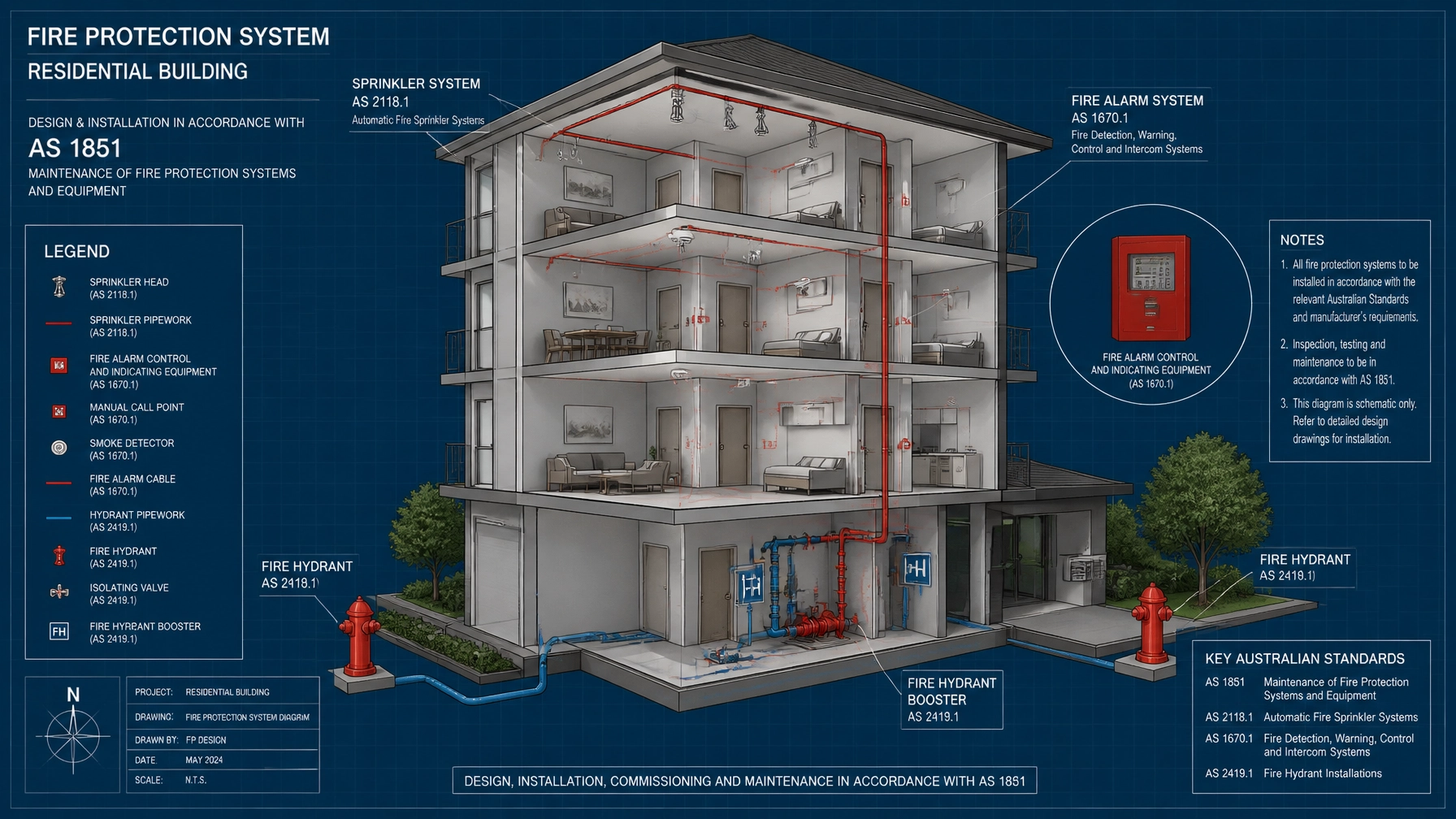
The Fix: Insist that all maintenance contracts for fire, electrical, and structural systems include a "Compliance Clause." This clause must mandate that work is carried out according to the relevant Australian Standards (AS) and the NCC. Require the contractor to provide a certificate of compliance or a testing report upon completion of every service.
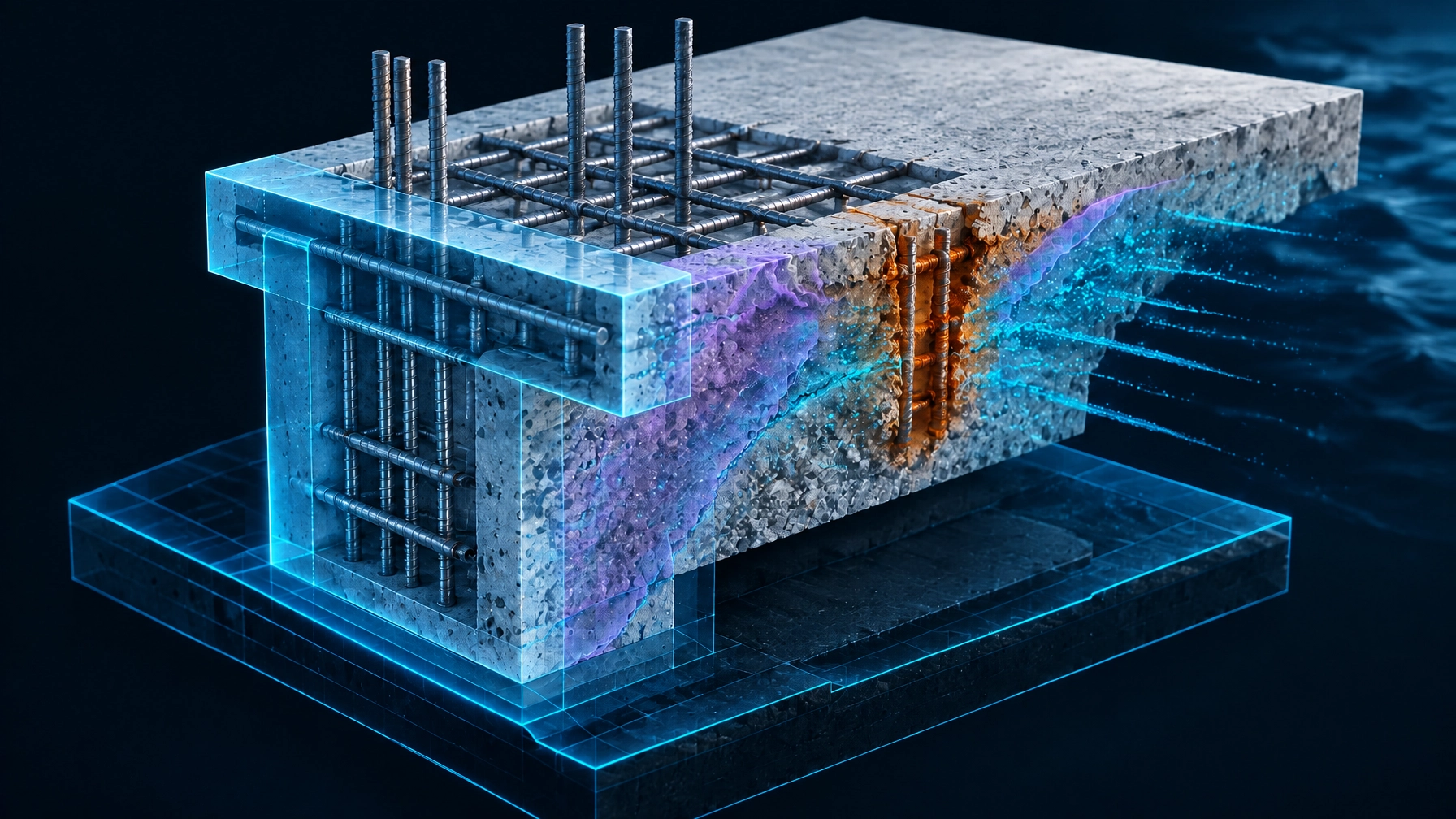
Many contracts fail because they treat all maintenance as equal. When a strata council doesn't understand the hierarchy of maintenance, they might spend the reserve fund on "ongoing" aesthetic issues (like gardening or repainting) while a "critical" structural defect (like water ingress at a substrate level) is ignored.
The Fix: Categorize your maintenance needs into two buckets:
As a construction consultant, we recommend prioritizing any item that appears in the NCC as a safety requirement as "Critical."
It sounds basic, but "handshake" agreements or hiring the cheapest available contractor without vetting their credentials is a recurring disaster in WA. If a contractor is injured on common property and they aren't properly insured, the strata company (the owners) can be held liable.

The Fix: Implement a mandatory contractor pre-qualification process. Before any contract is signed, you must have a copy of their:
In many strata schemes, the manager or council can't authorize a repair above a certain dollar value without a full meeting. If a pipe bursts on a Friday night, waiting two weeks for a meeting to approve the $2,000 repair can result in $50,000 of water damage.
The Fix: Build an "Emergency Authority" clause into your management and maintenance contracts. This empowers the residential building consultant or strata manager to authorize urgent, high-priority repairs (Critical Maintenance) up to a pre-defined limit without immediate council approval, ensuring the building remains safe and compliant.
When a major renovation or construction project finishes, the paperwork often vanishes. Years later, when something breaks, no one knows who manufactured the windows or what the warranty period was for the waterproofing membrane.
The Fix: Make "Documentation Delivery" a condition of final payment in your building contracts. You need the as-built drawings, operations manuals, and all warranty certificates. This data should be uploaded to a central digital vault so that future Client Side Project Management teams have a blueprint to work from.
Managing a residential project: especially a multi-unit strata: requires more than just a toolkit; it requires a strategic understanding of construction risk management services. If you are navigating a complex build or trying to get your 10-year maintenance plan back on track, engaging a custom home build consultant in Australia or a specialist building consultancy service is the best way to protect your investment.
We specialize in construction advisory in Australia, helping owners and builders interpret compliance, manage risks, and ensure that every contract is a shield, not a liability.
Welcome to the Hive
Curious about how we deep-dive into these technical issues? We invite you to explore our community hub and see how we’re changing the game in construction advisory:
Watch: Welcome to the Hive