Construction
May 25, 2026
Winter Mould Part 1: The Invisible Warning Signs
Winter Mould Part 1: The Invisible Warning Signs

Winter Mould Part 1: The Invisible Warning Signs
For many residential homeowners and builders, winter is the ultimate pressure test for a building’s envelope. As the temperature drops across Australia, the physics of moisture changes. What was a minor vapor issue in summer becomes a structural liability in winter.
The problem with mould isn't the visible black spots you see in the corner of a bathroom; by the time you see the "bloom," the colony is already established, and the moisture source is chronic. At Shoal Bay Projects, we approach mould from a forensic advisory perspective. We don't just look for the growth; we look for the strategic warning signs that indicate the building’s moisture management systems: like the Damp Proof Course (DPC) or vapor barriers: are failing.
In Part 1 of this series, we are diving into the "invisible" indicators. These are the forensic clues that tell you a moisture event is occurring beneath the surface, often long before a single spore becomes visible to the naked eye.
The first sign of a hidden mould problem isn't visual; it’s chemical. If you walk into a walk-in robe or open a kitchen cupboard and notice a persistent, musty, earthy smell, you are likely smelling Microbial Volatile Organic Compounds (mVOCs).

Mould is a biological organism. As it grows and consumes organic matter: be it the paper facing on your plasterboard, the timber in your wall plates, or the dust trapped in your carpet: it releases gases. These mVOCs are the byproduct of its metabolism.
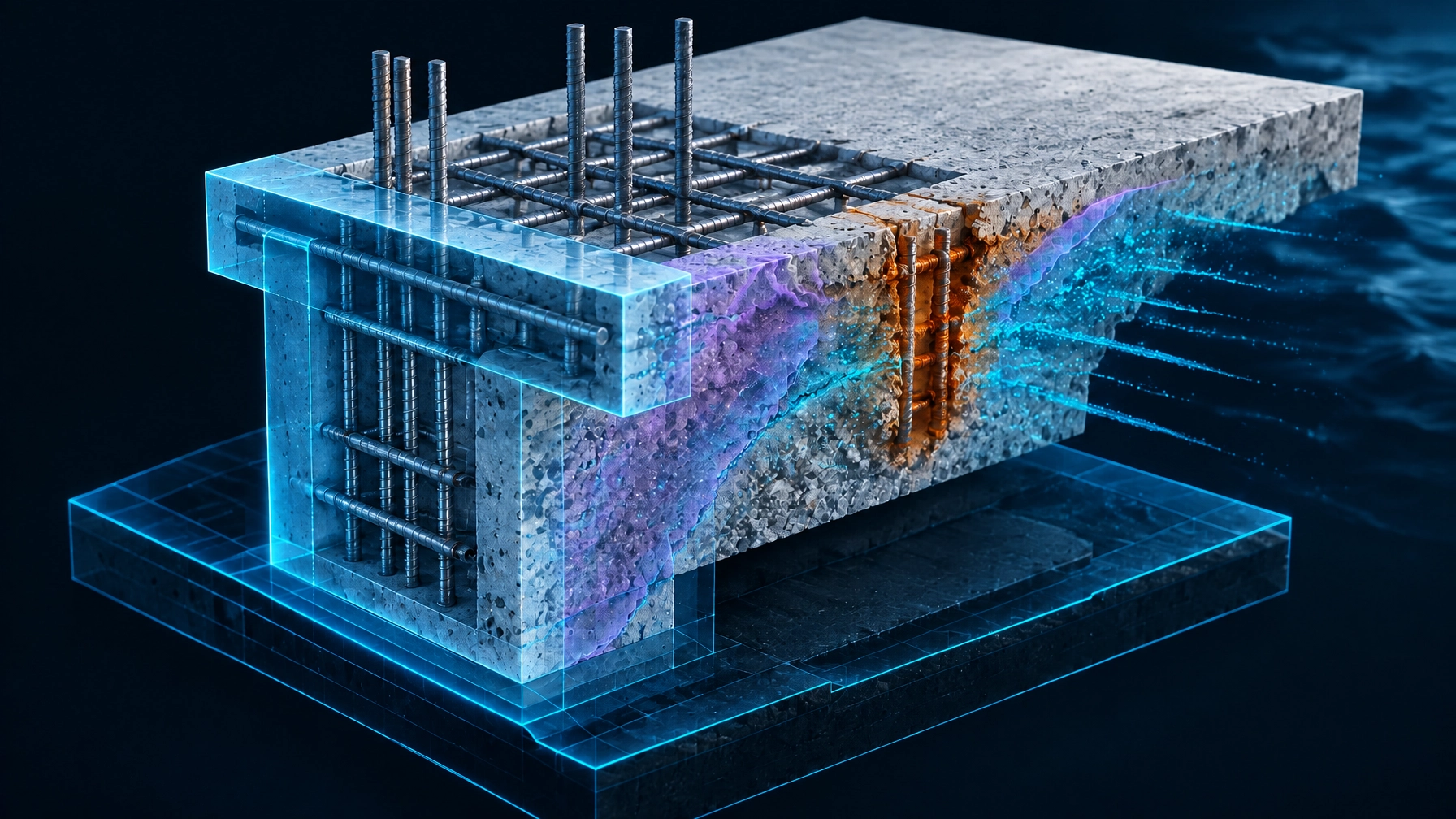
Check your floor coverings. If the odor is coming from the carpet near an external wall, it may indicate that moisture is permeating through the concrete slab via capillary suction: a common issue where the vapor barrier hasn't been correctly extended to ground level per AS 2870 (Residential Slabs and Footings).
Have you ever noticed dark, shadow-like streaks on your walls or ceilings that seem to follow the lines of your timber studs? In the industry, we call this "Ghosting."
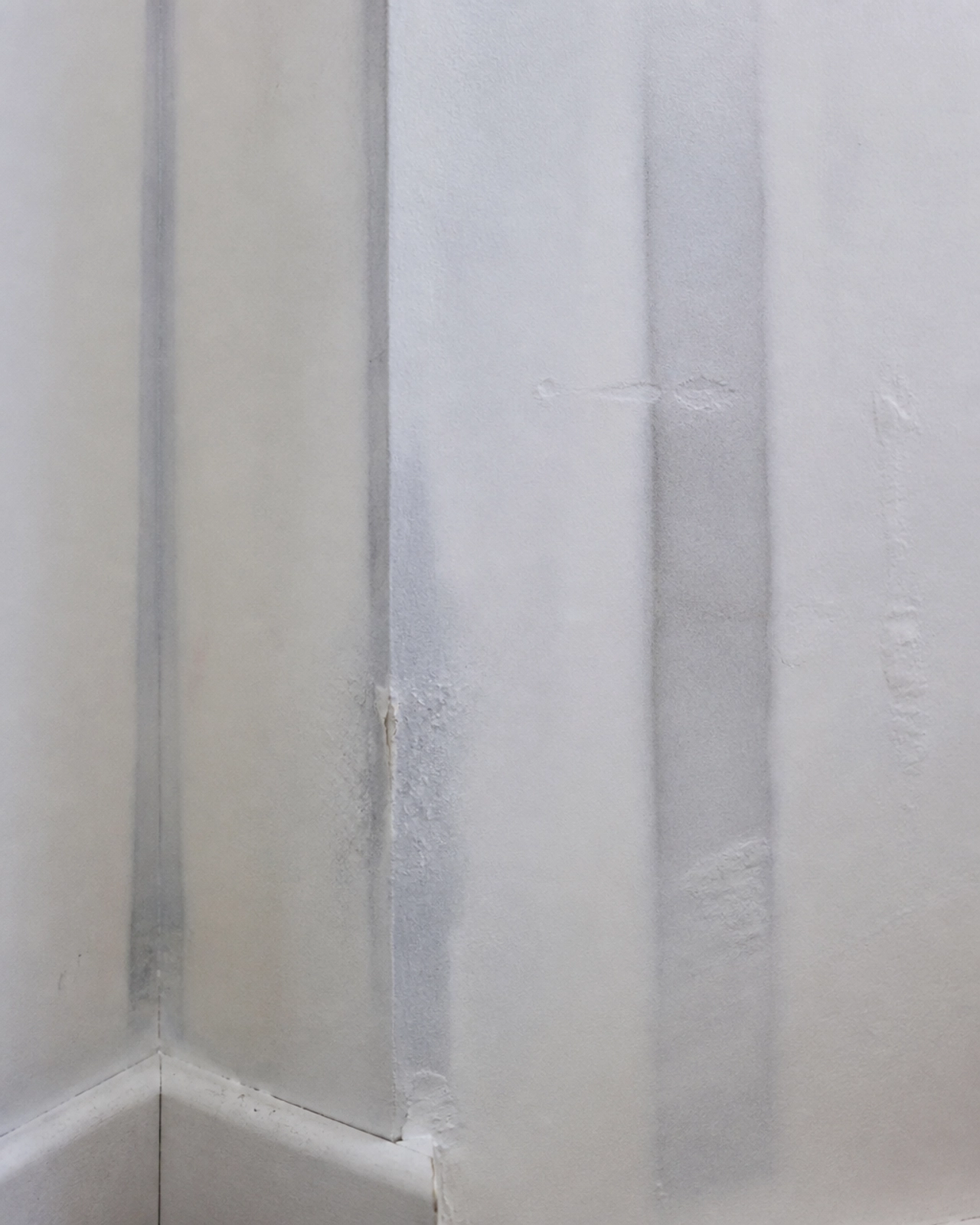
Ghosting is a classic forensic indicator of thermal bridging. In winter, the timber or steel studs within your walls are colder than the insulated cavities between them. These cold spots on the plasterboard surface cause tiny amounts of condensation to form. This moisture then acts as an adhesive for indoor dust, soot, and particles, creating dark "ghost" lines.
Specify a thorough moisture meter test if you see these patterns. Identifying the thermal bridge or the source of the "wicking" is the only way to prevent a full-scale winter outbreak.
When paint begins to bubble or blister, most people assume it’s a bad paint job. From a forensic consultancy standpoint, we see it as a sign of osmotic pressure.
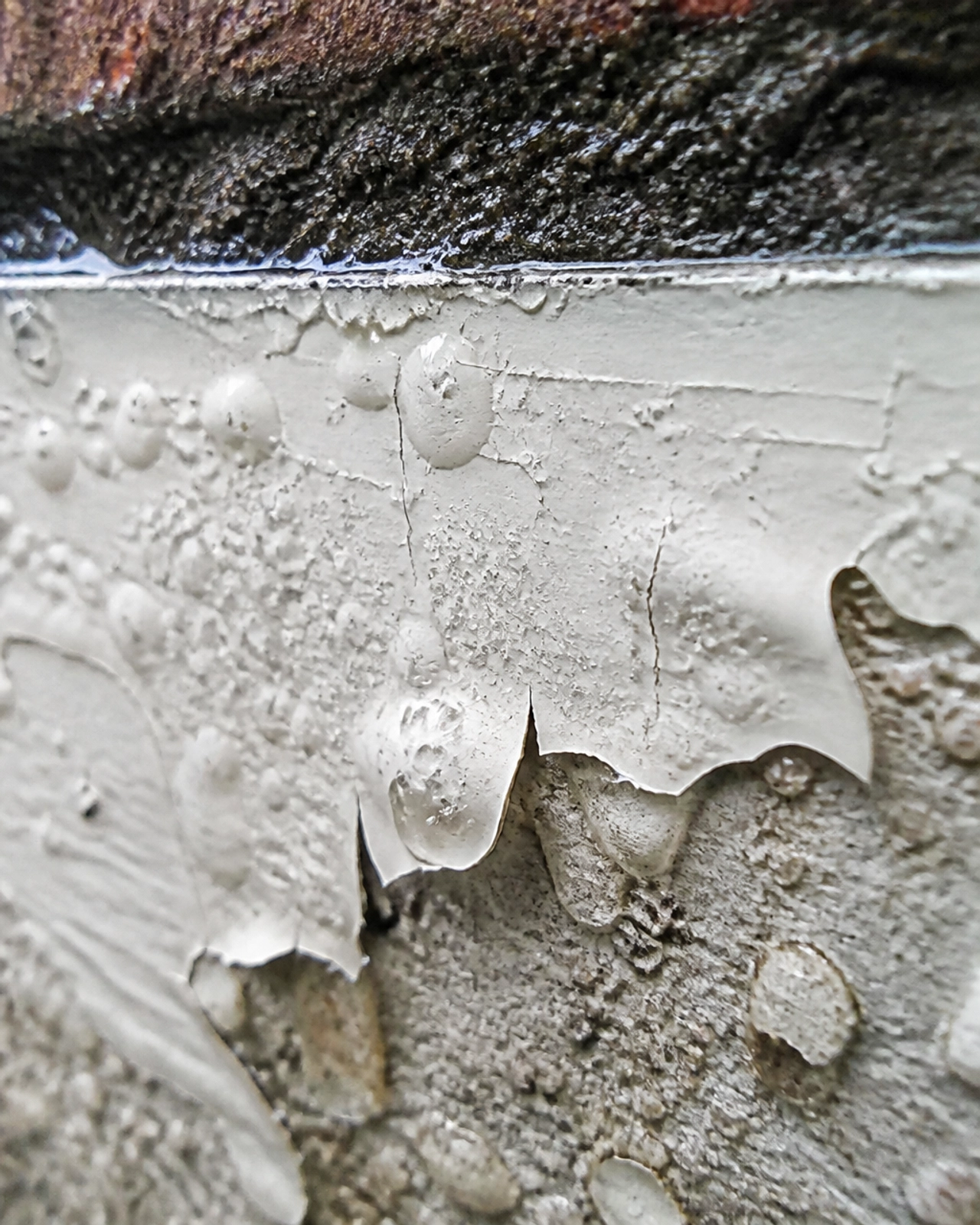
Paint blistering: particularly on external walls or at the base of internal walls below the Damp Proof Course (DPC): is a tell-tale sign that moisture is trapped behind the finish. In masonry construction, moisture can rise from the ground through the bricks via capillary action. If the DPC is bridged (by high garden beds, paving, or render), that moisture continues to rise.
Per AS 3740 (Waterproofing) and the NCC, buildings must provide resistance to moisture rising from the ground. Blistering is the visual evidence that this resistance has failed.
One of the most ignored early warning signs of moisture is efflorescence. This is the white, powdery, or crystalline build-up often found on brickwork, grout lines, or concrete slab edges.
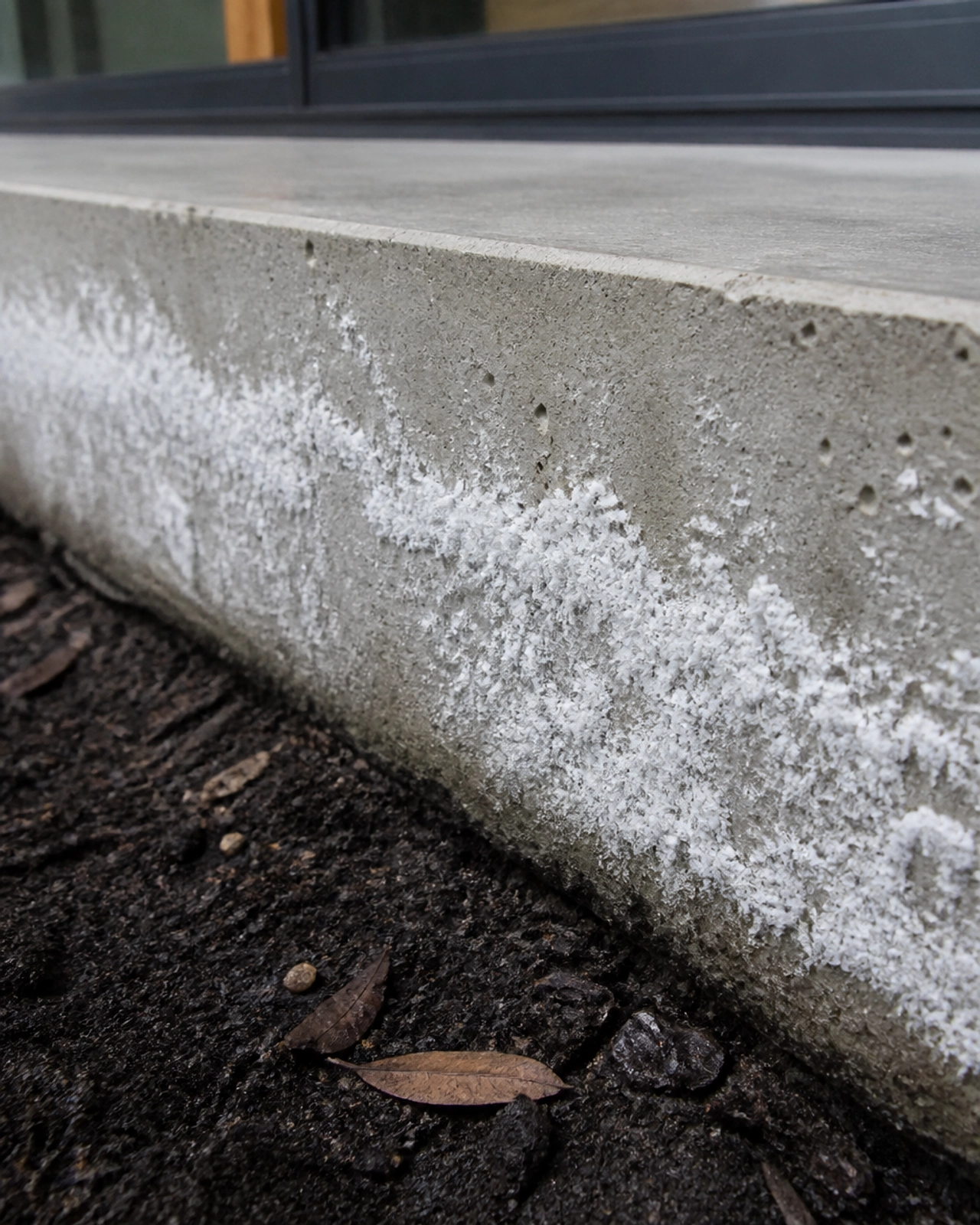
Efflorescence occurs when water moves through a porous material (like concrete or mortar), dissolves the natural salts within that material, and then carries them to the surface. When the water evaporates, the salt stays behind.
Document any white powdery build-up immediately. It is the "canary in the coal mine" for your home’s waterproofing.
Mould is not a mystery; it is a result of physics. Identifying these four invisible warning signs allows for strategic intervention before the damage becomes structural or hazardous to health.
At Shoal Bay Projects, we believe that informed decision-making is the best tool for risk management. Whether you are a builder managing a warranty period or a homeowner planning a major renovation, understanding the forensic clues of your building is the first step toward a compliant, high-quality outcome.
If you want to dive deeper into the world of construction compliance, defect forensic, and strategic building advisory, we invite you to explore our community hub.
Explore the Hive and the Vault here: Welcome to the Hive
This is where we share the technical insights that keep projects on track and homes safe. Stay tuned for Part 2, where we will look at the visible indicators and the strategic remediation of winter moisture.