Construction
Jul 2, 2026
Why Construction Risk Management Services Will Change the Way You Build in 2026
Why Construction Risk Management Services Will Change the Way You Build in 2026

Why Construction Risk Management Services Will Change the Way You Build in 2026
As we move toward 2026, the Australian construction landscape is hitting a critical crossroads. On one hand, the Federal Government’s ambitious target of delivering 1.2 million new homes is in full swing. On the other, the industry is grappling with record-high insolvency rates, a tightening labour market, and increasingly complex regulatory updates like the NCC 2025 rollout.
For medium-to-high-end residential builders and homeowners embarking on major custom builds, the "she’ll be right" attitude is officially dead. In 2026, successful projects aren't just built on good craftsmanship; they are built on a foundation of construction risk management services.
Strategic advisory is no longer a luxury for tier-one commercial sites. It is now a non-negotiable requirement for residential projects that want to avoid the "systemic failure cascade" that has plagued the sector for years.
The term construction advisory australia has evolved. Two years ago, it might have meant hiring a consultant when a dispute arose. In 2026, the most successful stakeholders are engaging advisory services before the first shovel hits the ground.
At Shoal Bay Projects, we’ve seen that the cost of a "pre-emptive strike" against risk is a fraction of the cost of remediation. Whether it's interpreting the nuances of AS 2870 (Residential slabs and footings) or managing the commercial exposure of a subcontractor’s financial instability, the goal is to protect the project’s outcome, the builder’s reputation, and the homeowner's investment.

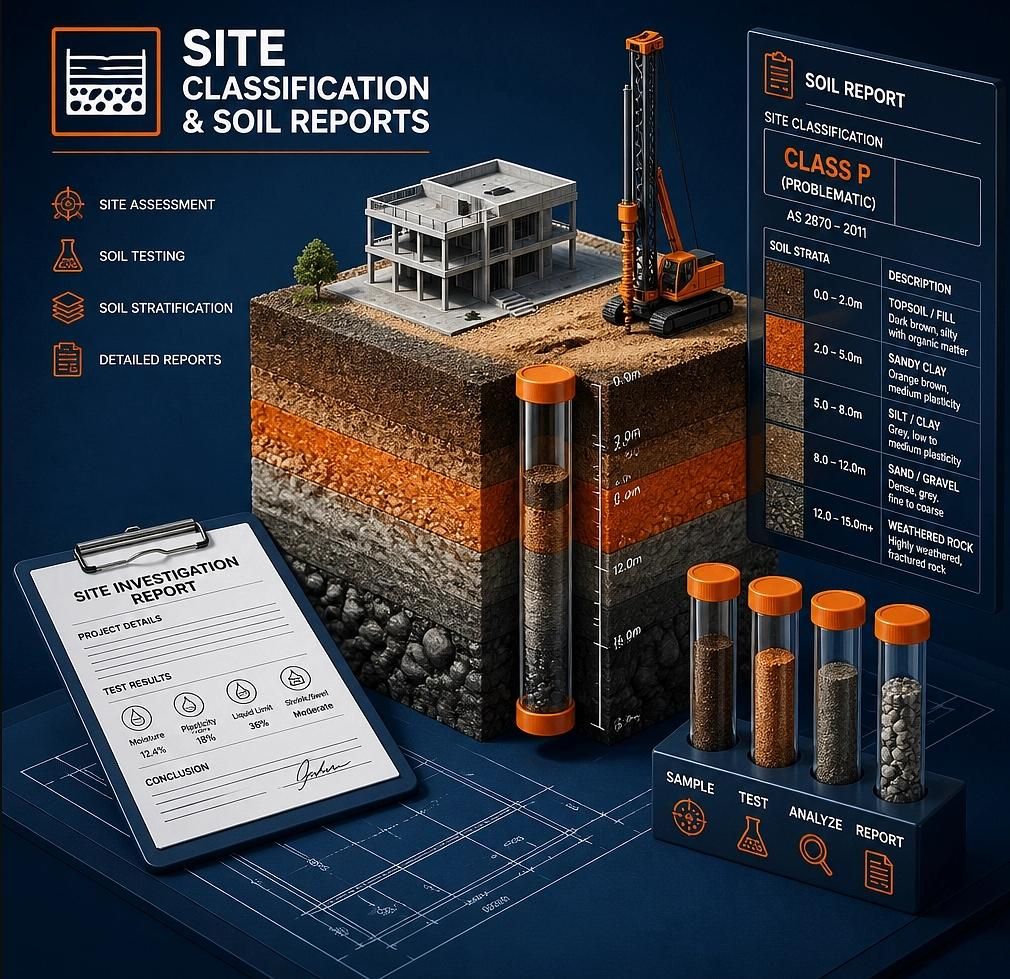
In the residential sector, the most expensive risks are hidden beneath the surface. We often see projects where site classifications are ignored or misinterpreted, leading to slab failures that manifest years down the line.
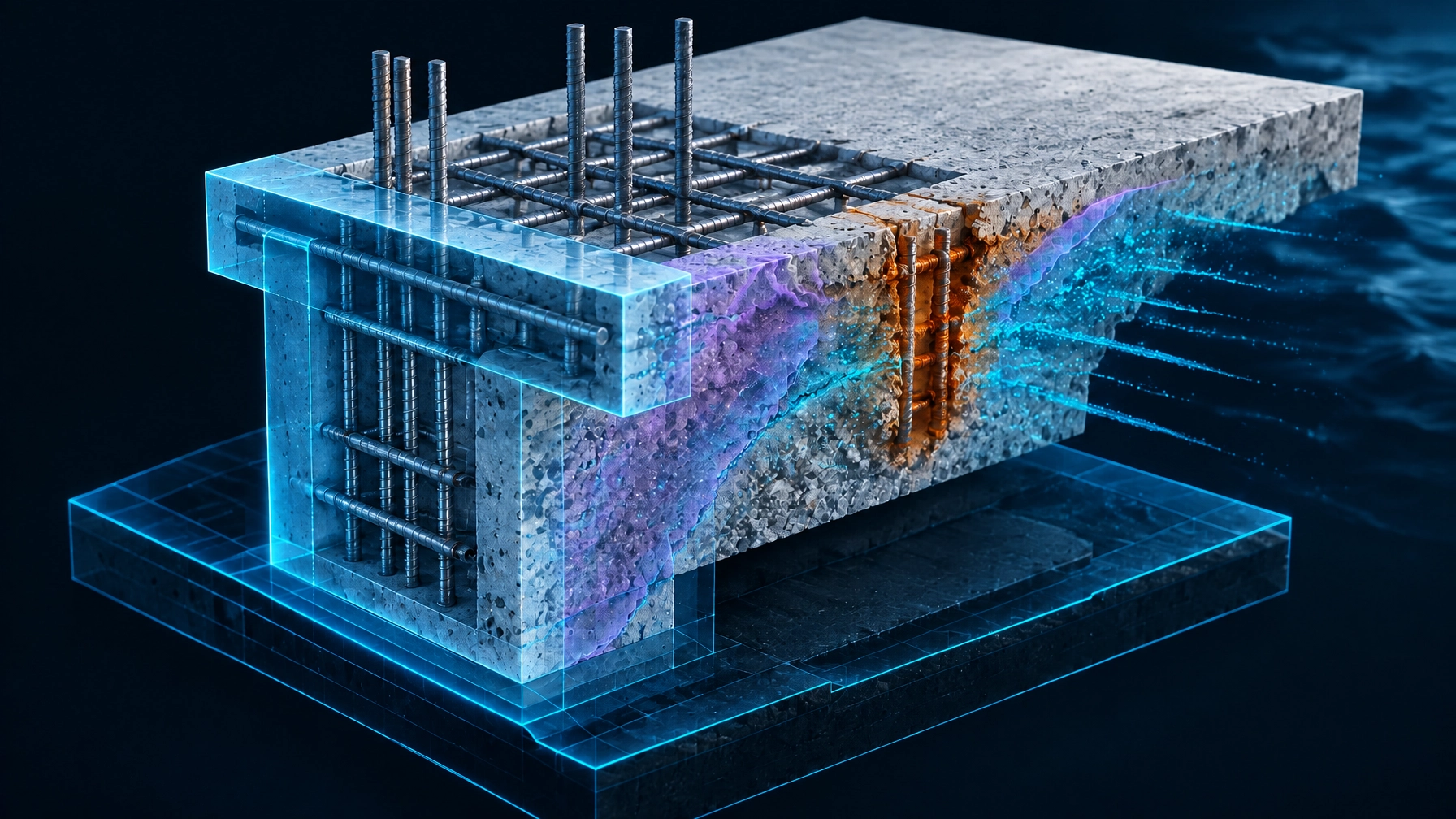
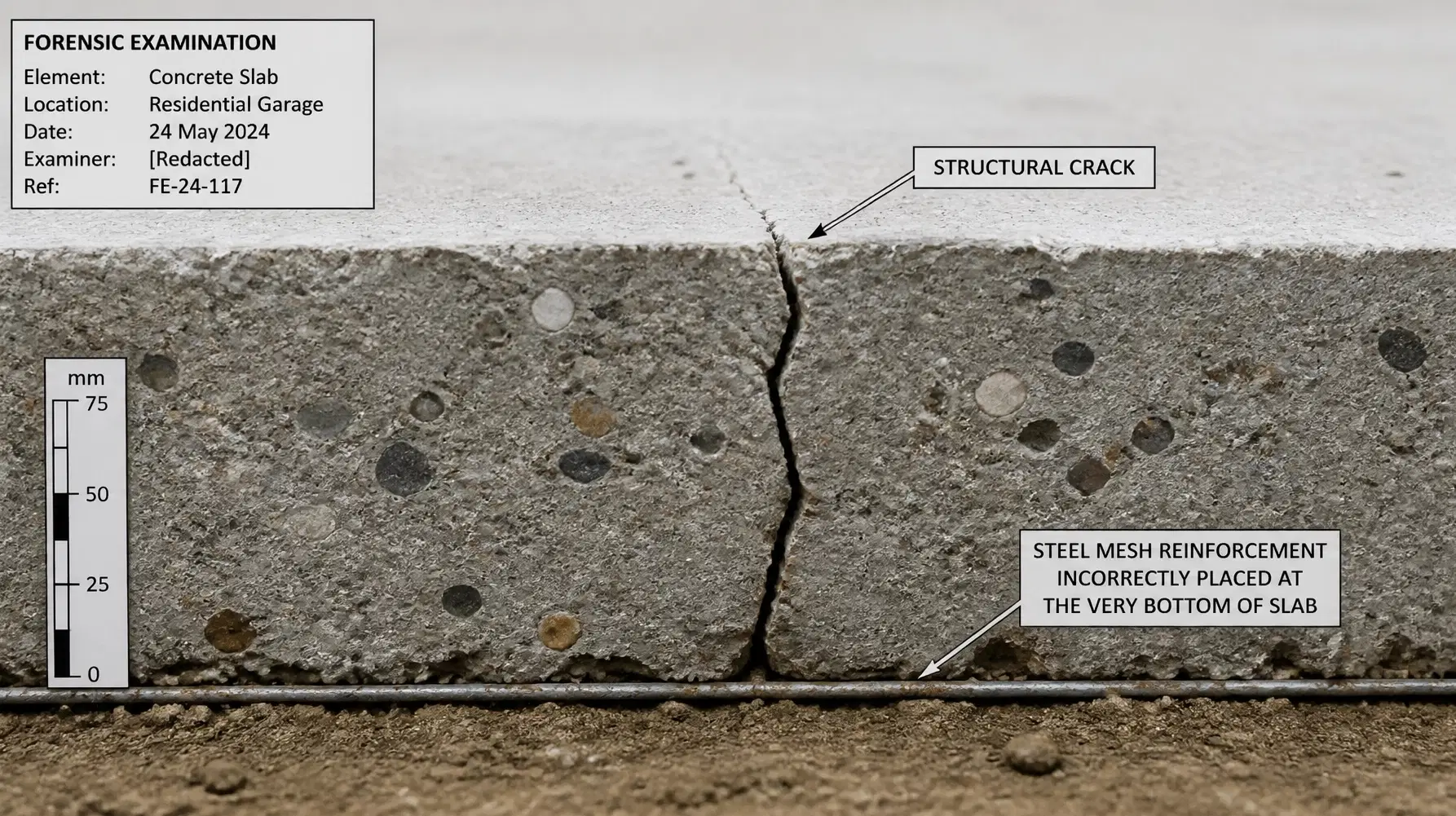
Strategic construction risk management services focus heavily on these "high-stakes" technical areas. For example, ensuring that concrete pours align with AS 3600 (Concrete structures) and that reinforcement is positioned correctly: not at the bottom of the slab where it provides zero structural benefit.
When you look at a project through a forensic lens, you don't just see a slab; you see potential litigation.
By using 3D visualisations and forensic site analysis, builders can identify defects before they are covered by tiles or rendered walls. If you wait until the crack appears on the external render, you’re already in a high-cost remediation scenario.
Risk isn't always about the physical build. In 2026, the financial health of the "chain" is a primary concern. Construction advisory australia now involves rigorous due diligence on subcontractors and suppliers.
If a key joinery supplier or electrical subbie goes under mid-project, the delay costs and the "re-start" premium can blow a project’s contingency in weeks.
We advise builders and homeowners to move away from vague "gentleman’s agreements." In 2026, every variation, every delay notice, and every progress payment must be anchored in the contract and supported by evidence.
We operate at the advisory level because we’ve seen what happens when the advisory is missing. Shoal Bay Projects provides structured, compliance-focused guidance that aligns project goals with contractual and regulatory performance.
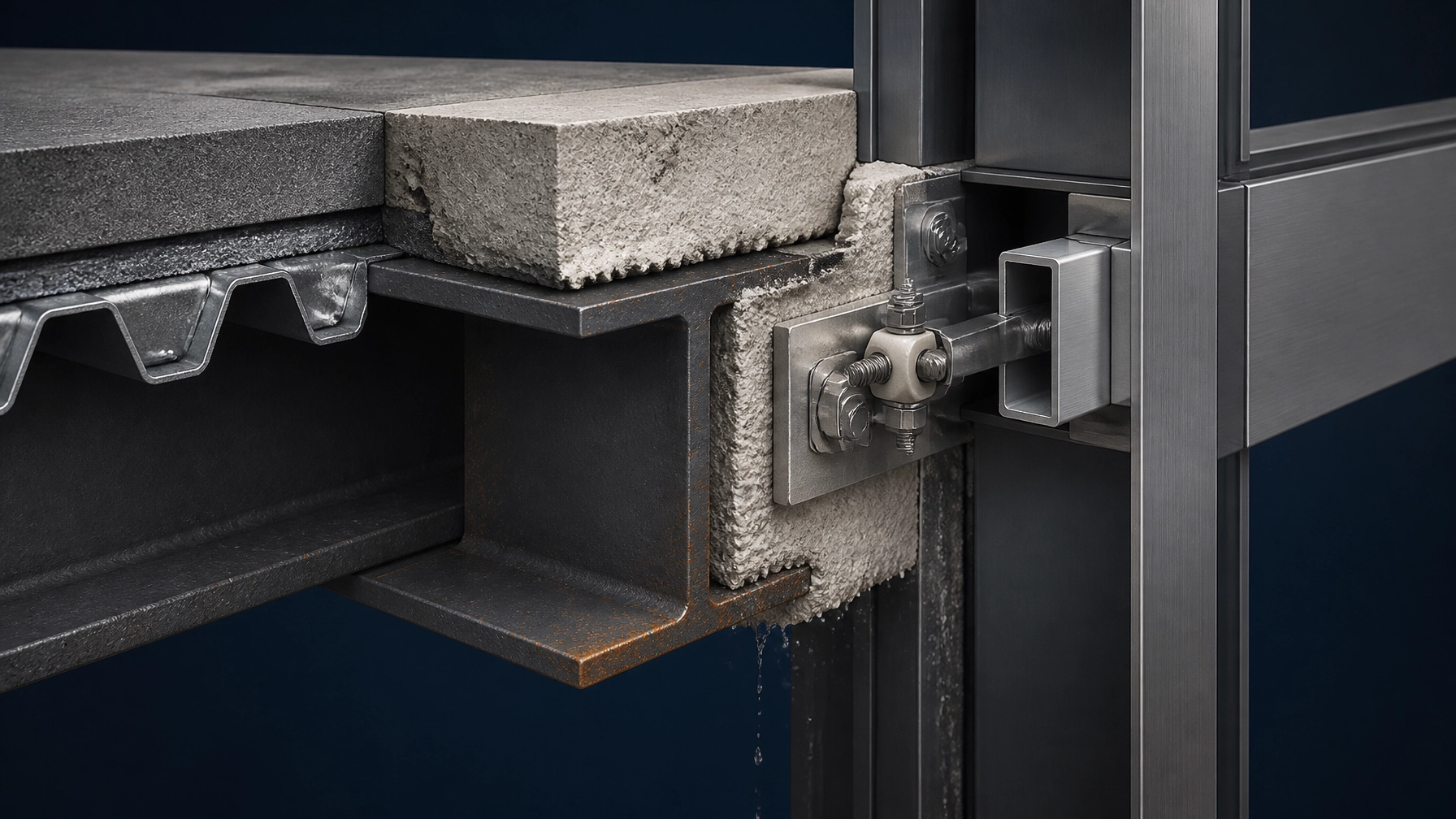
Our focus is on strategic consultation. We help our clients navigate the "gray areas" of the Guide to Standards and Tolerances 2015 and ensure that projects are not just "finished," but compliant.
For the industry to hit national targets without a corresponding spike in building defects, we must adopt better systems. This means:
Risk management can feel like a solitary burden, but it doesn't have to be. We are building a community where technical accuracy and strategic foresight are the standard, not the exception.
Explore our community hub, "The Hive," where we share the tools and insights necessary to navigate the 2026 building landscape. Whether you are a builder looking to tighten your compliance or a homeowner wanting to safeguard your custom build, you are invited to join the conversation.
Welcome to the Hive: Watch the Invitation Here
The days of building by "feel" are over. The industry is too fast, the margins are too thin, and the regulators are too vigilant for anything less than a structured approach to risk.
By integrating construction risk management services into your project workflow, you aren't just ticking a box. You are building a legacy of quality, ensuring financial performance, and protecting your most valuable asset: your reputation.
If you’re ready to move from reactive fire-fighting to strategic project oversight, it’s time to look at your project through a different lens.
Specify the standards. Document the truth. Build with certainty.