Construction
May 25, 2026
Variation Creep: Protecting Your Margin in High-End Construction
Variation Creep: Protecting Your Margin in High-End Construction

Variation Creep: Protecting Your Margin in High-End Construction
In the elite tiers of residential construction, where the 1.2M homes target is driving unprecedented pressure on delivery and materials, the greatest threat to a builder’s profitability isn't typically a single catastrophic event. It is a silent, incremental erosion of profit known as "Variation Creep."
Variation Creep occurs when small, undocumented changes: often requested in passing or necessitated by site conditions: accumulate until the final project cost vastly exceeds the original contract price, leaving the builder to absorb the difference or engage in a damaging dispute with the proprietor.
At Shoal Bay Projects, we specialize in the strategic advisory required to stop this erosion before it begins. Protecting your margin requires more than just good building; it requires a forensic approach to contract administration and compliance.
Variation Creep is the delta between what was promised in the contract and what is actually delivered on-site. In high-end builds, where bespoke finishes and complex architectural details are the standard, the line between "contracted work" and "additional work" is frequently blurred.
A "simple" request from a proprietor: perhaps shifting a recessed lighting track or upgrading a stone selection: can trigger a cascade of secondary variations. These might include structural adjustments, electrical rerouting, or changes to manufacturer-specific installation requirements. Without a formal protocol, these costs are often forgotten until the final reconciliation, at which point the builder's leverage is at its lowest.
The first line of defense against variation creep is a perfectly defined Scope of Work. Many builders rely too heavily on architectural drawings alone. While drawings show where things go, specifications dictate what they are and how they must perform.
To protect your margin, you must:
When the scope is vague, the proprietor naturally assumes the most expensive interpretation is included in the base price. Precision in the planning phase is the only way to ensure "extras" are recognized as variations from day one.
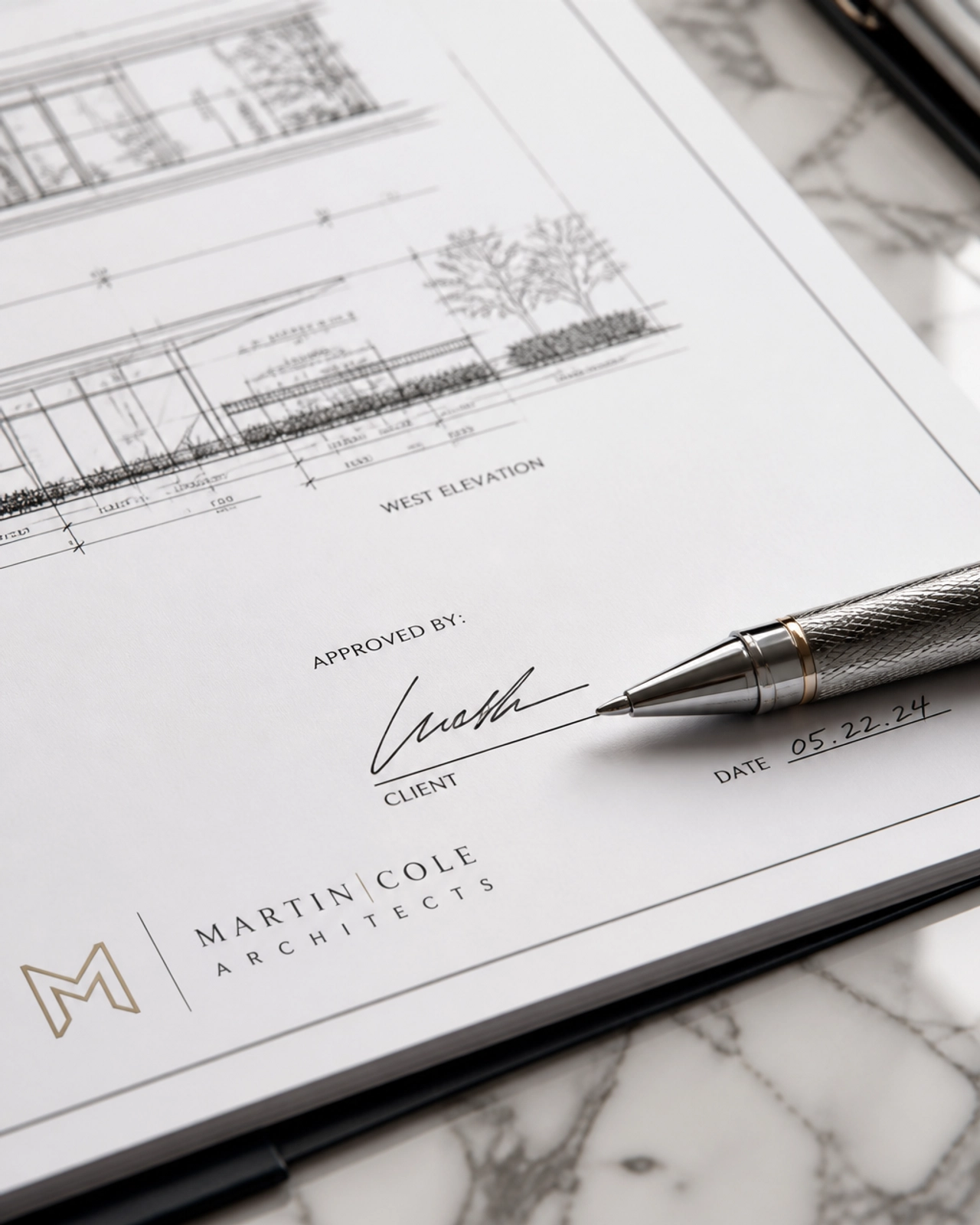
In Australia, the legislative framework is designed to prevent oral-agreement disputes. Under Section 7 of the Home Building Contracts Act 1991, variations to a home building work contract are only enforceable if they meet specific criteria.
Legally, a variation must:
Failing to follow this protocol doesn't just put your margin at risk; it can make the additional work legally non-billable. Document every change, no matter how minor it seems during a Friday afternoon site walk.
Disputes in high-end construction rarely start with a $100,000 disagreement. They start with a $2,000 change that was "agreed" over a coffee.
When a proprietor requests a change, they often see the surface-level cost. They rarely see the compliance implications. For example, changing a tile thickness may require a different substrate preparation or an adjustment to floor wastes to maintain compliance with AS 3740 (Waterproofing of domestic wet areas).
If these secondary costs aren't captured in a written variation, the builder ends up paying for the compliance while the homeowner only pays for the "tile upgrade."
Every variation must still meet the rigorous benchmarks of the National Construction Code (NCC) and relevant Australian Standards. A change in material is never just a material swap; it is a change in the performance solution of the building.
Managing a variation protocol is time-consuming and often creates friction between the builder and the homeowner. This is where a consultant provides a strategic advantage.
By having Shoal Bay Projects manage the variation protocol, we act as the objective third party. We ensure that:
This allows the builder to focus on quality and the homeowner to avoid the "sticker shock" of unexpected costs at practical completion.
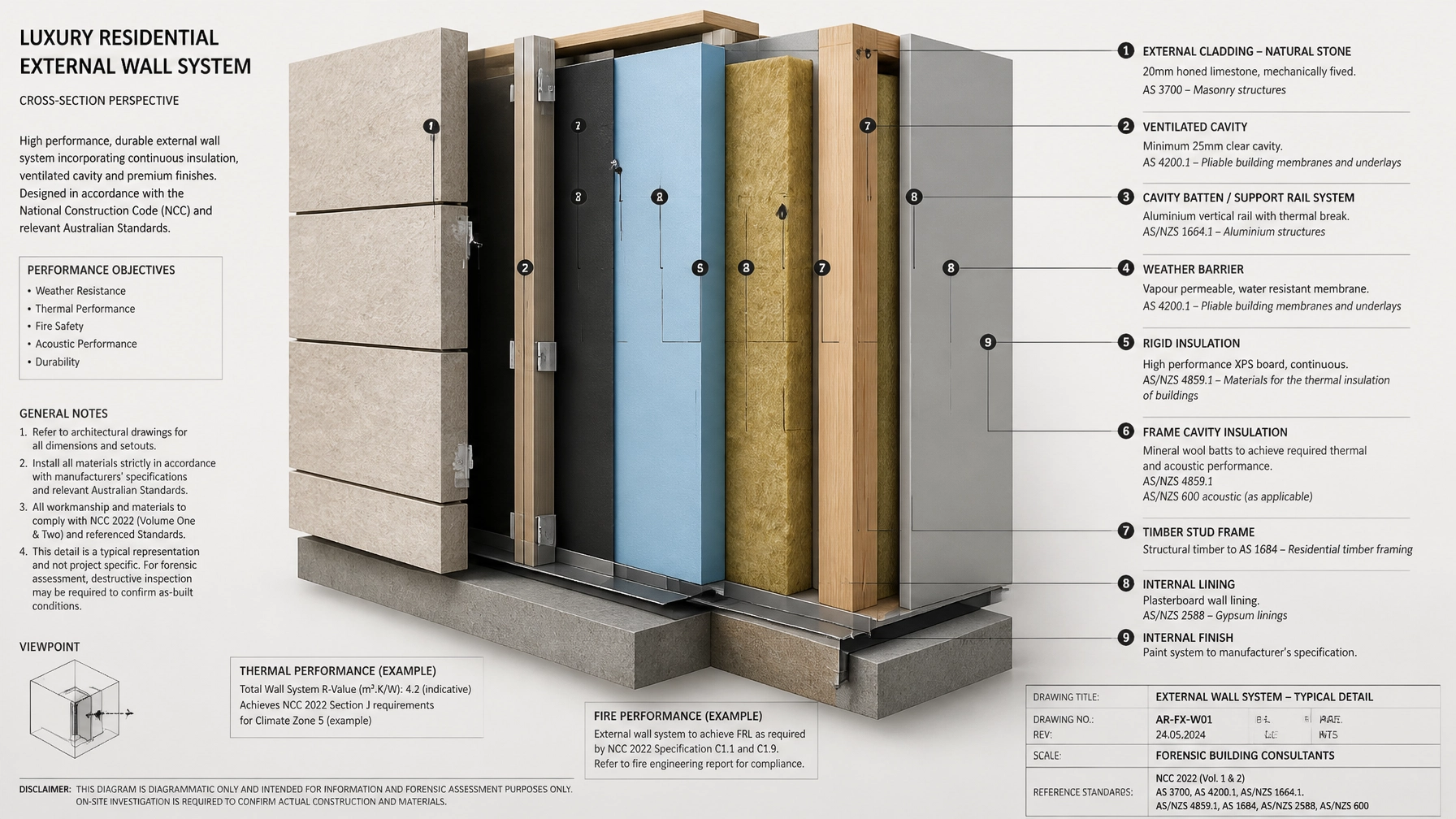
High-end construction is about more than just aesthetics; it is about precision, performance, and professional integrity. Variation creep is a sign of a breakdown in project management that eventually poisons the relationship between builder and client.
Check your contracts. Specify your scopes. Document your changes.
If you are looking to elevate your project delivery and safeguard your financial outcomes, we invite you to join our community of industry leaders.
Welcome to the Hive. Explore our community hub and gain access to the tools you need to master compliance and project advisory: Watch the Welcome Video.
For direct advisory on your next residential project, contact Shoal Bay Projects today.