Construction
Jul 2, 2026
The Truth About WA’s New Builder Oversight Laws
The Truth About WA’s New Builder Oversight Laws

The Truth About WA’s New Builder Oversight Laws
For a long time, the Western Australian building industry operated on a foundation of "she’ll be right." But as projects have grown more complex and consumer expectations have sharpened, the regulatory landscape has had to evolve. Following the national 2018 Building Confidence Report (BCR), WA has embarked on a multi-stage reform journey that is fundamentally changing how homes are designed, approved, and built.
As a construction consultant, I’ve seen the confusion these changes can cause. Whether you’re a high-end builder or a homeowner planning a major renovation, understanding the "why" behind these new oversight laws is critical for effective construction risk management.
Here are 5 things you need to know about the current state of builder oversight in WA.
As of 1 July 2024, Western Australia has officially moved into a new era of engineering accountability. Previously, WA was one of the few jurisdictions where the term "engineer" wasn't strictly regulated in the building sector. That has ended.
Under the first stage of the reforms, all building engineers: including structural, fire safety, and mechanical: must now be registered. This isn't just a bureaucratic hurdle; it’s a structural safeguard. For homeowners, it means that the person signing off on your slab design or your cantilevered roof must prove they have the requisite qualifications and experience. For builders, it means your consultants are now held to a higher standard of professional liability.
If you are entering the planning phase of a custom build, check that your engineering team is registered. This is your first line of defense against structural failure and costly rectification works down the line.
The building surveyor is the "gatekeeper" of compliance. They are the ones who issue the Certificate of Design Compliance (CDC) and the Certificate of Building Compliance (CBC). Under the recent reforms, a new Code of Conduct has been established to set minimum standards for these professionals.
The goal here is transparency. The code addresses potential conflicts of interest and ensures that surveyors are assessing building work against the National Construction Code (NCC) with complete independence. This is particularly relevant given the transition to NCC 2022, which introduced significant changes to energy efficiency and livable housing design.
When we provide residential building consultancy, we often focus on the surveyor’s interpretation of these new codes. The updated forms: specifically the BA3 (CDC) and BA18 (CBC): now require more rigorous statements from surveyors, especially regarding bushfire requirements for Class 9 buildings (Industry Bulletin 170).
Oversight is only as good as the enforcement behind it. The WA Department of Energy, Mines, Industry Regulation and Safety (DEMIRS) has ramped up its Building Services Audit Program. This isn't just about checking paperwork; it’s about auditing building designs, certification, and physical construction.
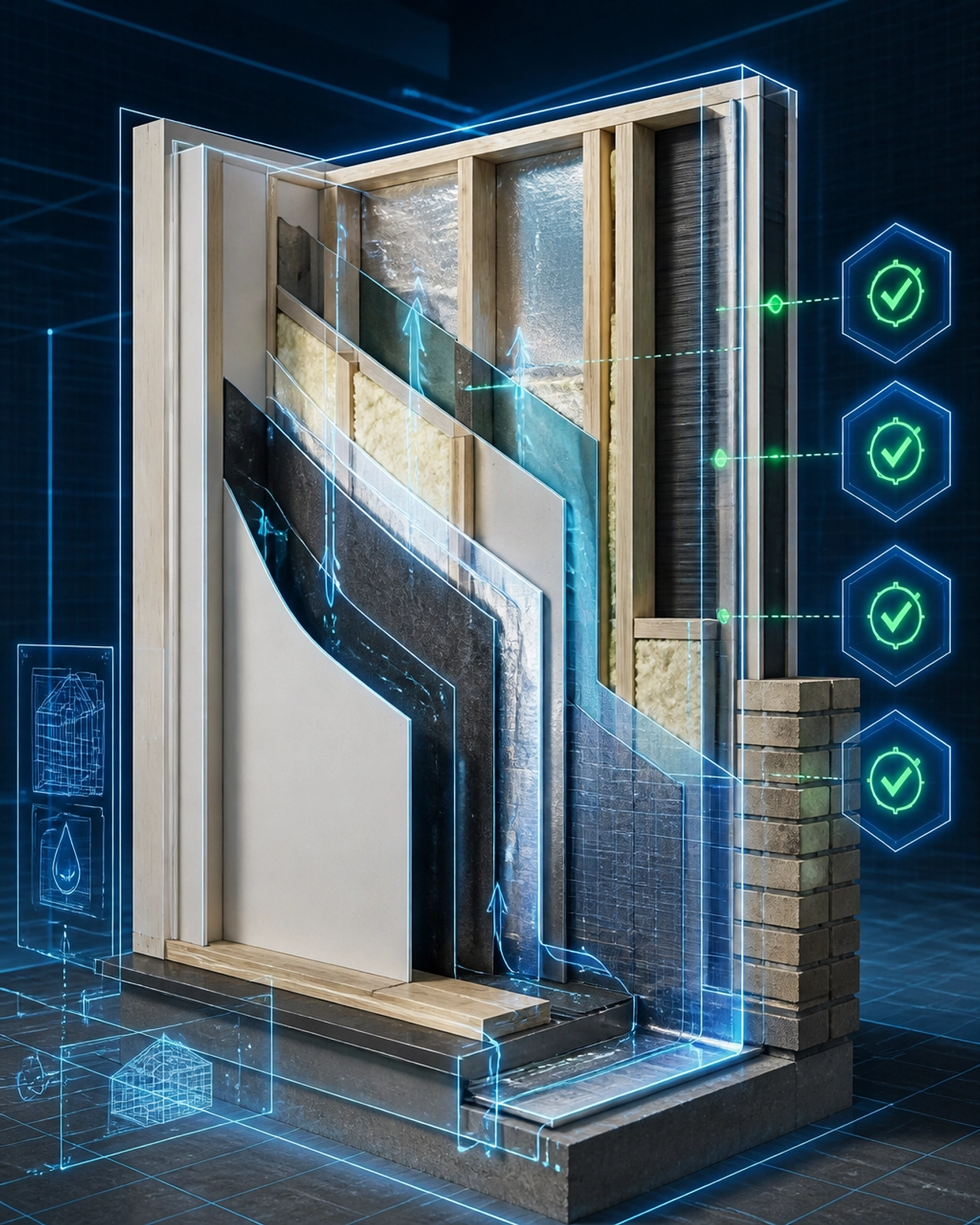
The audit program uses a "risk-based" approach, targeting areas known for compliance failures: such as waterproofing (referencing AS 3740) and slab edge dampness. For builders, this means the likelihood of a state-led inspection on your site is higher than it was five years ago.
For homeowners, this is a win for quality. However, it also means you need a construction risk management service to ensure your project is "audit-ready" at every stage. We recommend documenting every critical junction before it’s covered by plasterboard.
We are currently in the midst of "Stage 2" of the WA Regulatory Reform Map. While Stage 1 focused on registration and conduct, Stage 2 is looking at the actual process of design and approval.
New laws are currently being drafted to improve construction standards across the board. Key focus areas include:
The trend is clear: the state is moving toward a more "forensic" style of oversight. Specify high-quality materials and document their installation to avoid being caught in the transition between old and new legislation.

The truth about these laws is that they are designed to catch the "bottom 10%" of the industry, but they affect everyone. Increased oversight leads to increased scrutiny on site, which can lead to delays if you haven't planned for it.
In our role as a residential project support team, we advise clients to look beyond the minimum. Compliance with the NCC is the minimum legal requirement: it’s not a gold medal. By aligning your project with the new registration requirements and the surveyor’s code of conduct, you aren't just ticking boxes; you are protecting the long-term value of the asset.
Document your progress. Verify your consultants. Engage early with the compliance framework.
If you’re looking to dive deeper into the world of construction compliance, project management, and risk mitigation, we invite you to explore The Hive. It’s our community hub where we share the technical insights that keep projects moving and builders profitable.
Explore The Hive here: https://www.youtube.com/watch?v=_B-IyahViBc
The shift in WA’s building laws represents a national trend toward professionalization. The registration of engineers and the new surveyor code of conduct are just the beginning. By staying ahead of these reforms, you ensure that your project remains a source of pride rather than a source of litigation.
If you’re unsure how the latest Industry Bulletins or NCC 2022 variations affect your next project, reach out for a consultation. We provide the structured, compliance-focused advisory you need to build with confidence.