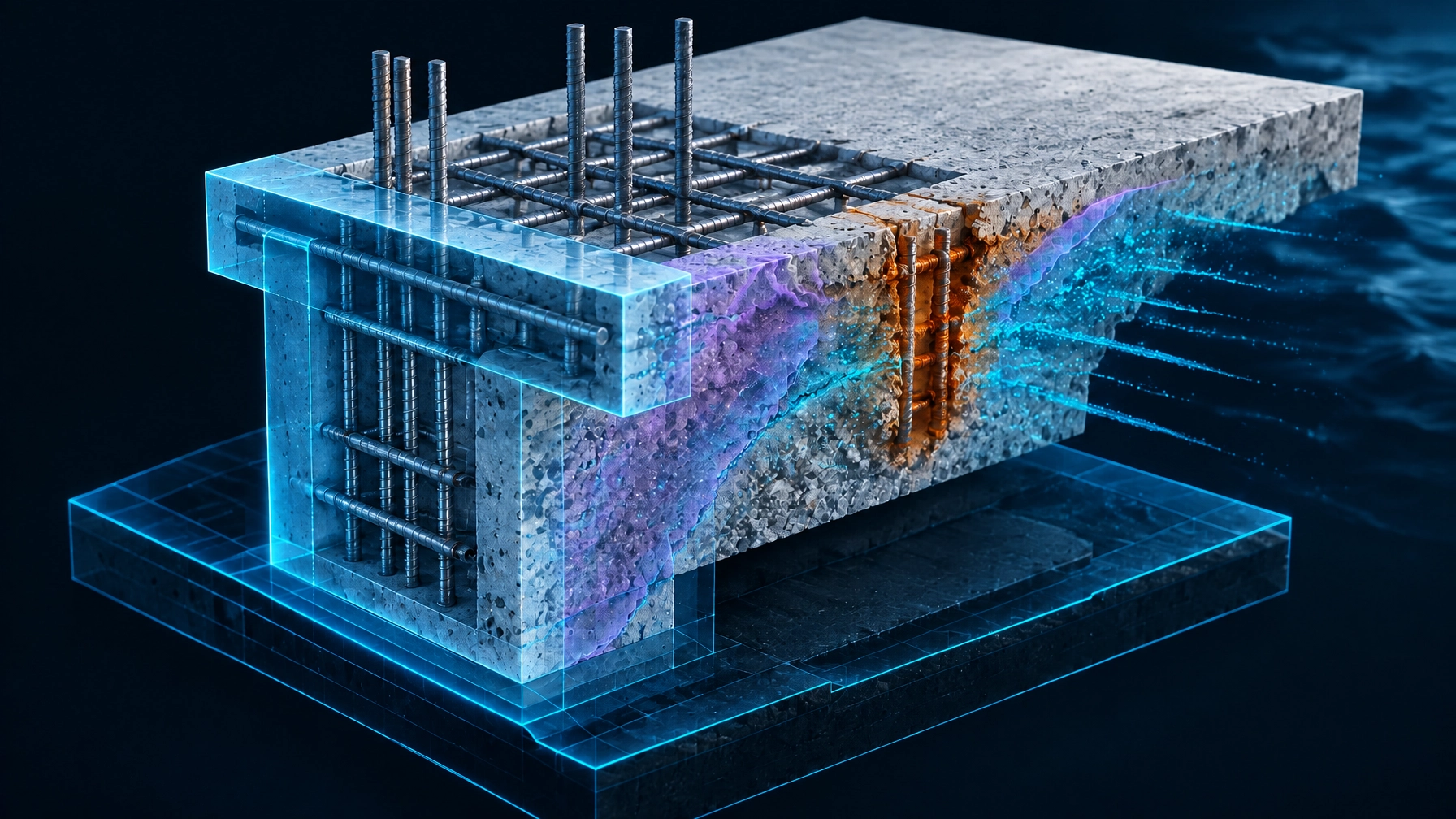
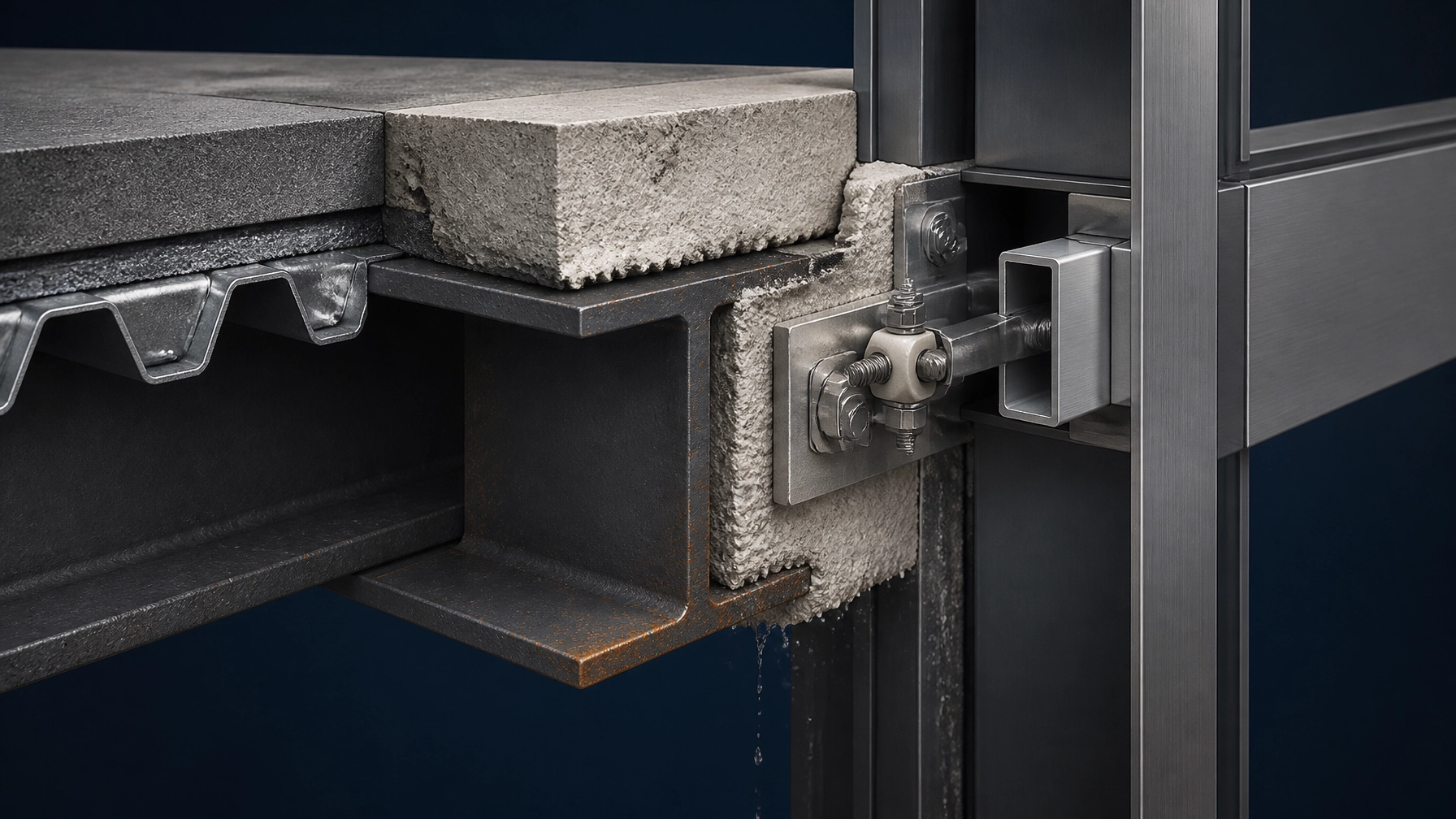
In the high-stakes theater of residential construction, the membrane is often the fall guy. When a bathroom leaks or a balcony fails, the finger points at the applicator or the product. But more often than not, the real assassin is already buried in the structure.
Welcome to the world of The Substrate Killer.
At Shoal Bay Projects, we don't just look at the surface. We perform forensic intelligence on the base build. If the substrate is compromised, the most expensive membrane in the world is just a temporary bandage on a terminal wound. This is technical warfare against defect-prone builds, and the substrate is the primary battleground.
The Silent Assassin: Residual Moisture
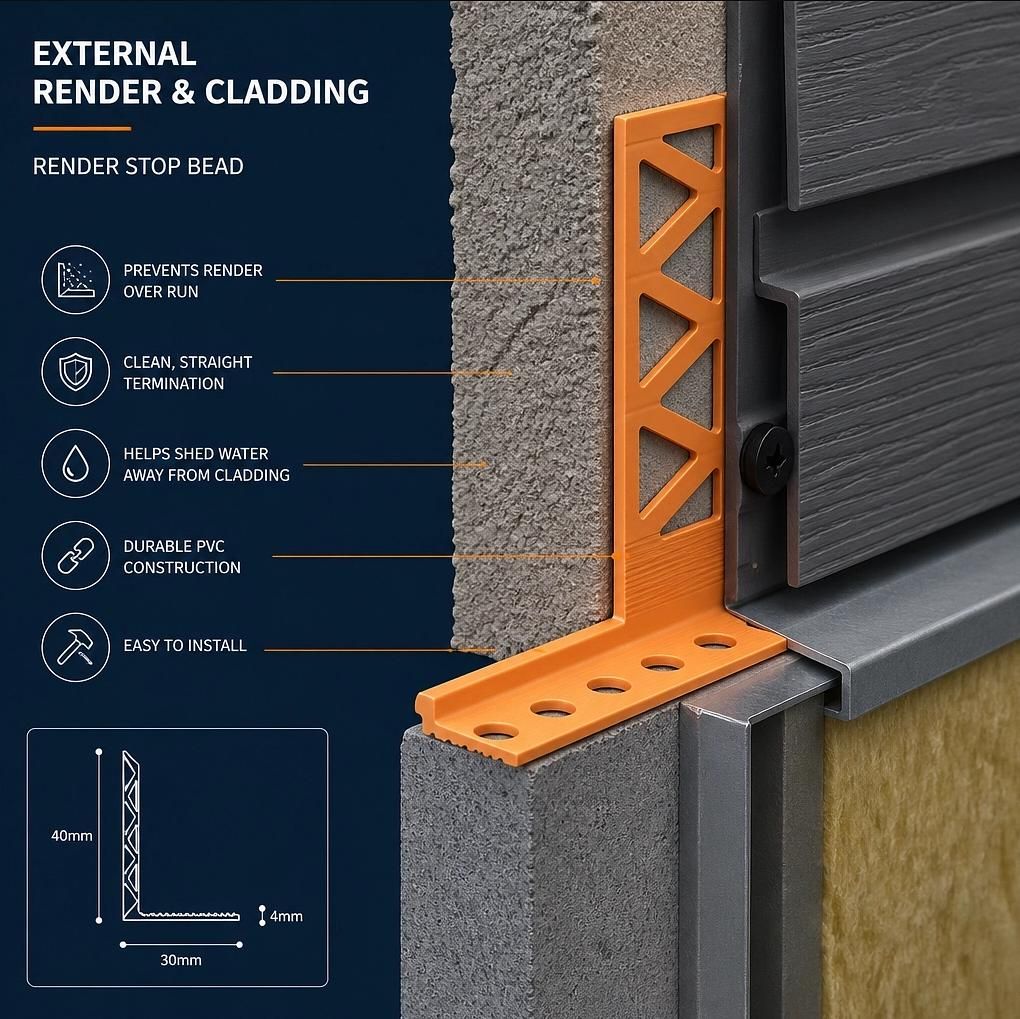
The most common "Substrate Killer" is one you can’t see with the naked eye: moisture. Industry data consistently ranks residual moisture in concrete and screeds as the third leading cause of waterproofing failure in Australia.
When a builder pushes a schedule and installs waterproofing over "green" or damp concrete, they are inviting a disaster. The moisture trapped beneath the membrane exerts vapor pressure. As that pressure builds, it triggers:
- Adhesive Failure: The bond between the membrane and the substrate is chemically severed.
- Re-emulsification: Some liquid membranes soften and revert to a liquid state when trapped against constant moisture.
- Delamination: Large sheets of the system simply peel away, leaving the structure vulnerable.
Technical Directive: Never rely on a visual "dry" check. Use a moisture meter or RH (Relative Humidity) probe. If it’s above the manufacturer’s threshold, the site is a no-go zone.
The Particleboard Plague: AS 3740 Compliance
Historically, particleboard was the go-to substrate for Australian residential wet areas. It was cheap, fast, and: ultimately: fatal. When particleboard gets wet (and it will), it swells, moves, and tears the waterproofing membrane apart.
Under AS 3740:2021, the rules have changed. Particleboard is now explicitly banned as a substrate for waterproofing layers in domestic wet areas. If you are still seeing this on your site or in your older specifications, you are building a liability.
Check the Specs: Ensure all wet area substrates are Fibre-Cement (FC) sheeting, structural plywood, or properly cured concrete. Anything else is a breach of the National Construction Code (NCC) and a fast track to a dispute.
The Fallacy of Falls: Surface vs. Substrate
One of the most frequent errors we see in our forensic audits is the "Flat Substrate" trap. Builders often assume that as long as the tiles are graded to the waste, the job is compliant.
They are wrong.
AS 3740:2021 and AS 4654.2 (External Above-Ground) are clear: the falls must be built into the substrate or the screed below the membrane. If the membrane is laid flat, water will inevitably seep through the tile grout, sit on the membrane, and stagnate. This "ponding" leads to efflorescence, tile debonding, and eventual system failure.
Strategic Command: Build the falls into the structure. The membrane must be graded to the waste. If the substrate is flat, the build is defective before the first drop of membrane is poured.
Technical Knockout: The Fillet Failure
When a substrate transitions from a horizontal floor to a vertical wall, it creates a point of extreme stress. In the forensic world, we call this the "re-entrant corner." Without a proper fillet or bond-breaker, the membrane is forced to bridge a sharp 90-degree angle. As the building naturally moves, that sharp corner acts like a knife, slicing the membrane.
The Forensic Intel:
- AS 4654.2 requires a 40mm x 40mm fillet for sheet membranes and a 15mm x 15mm fillet for liquid membranes at all internal junctions.
- The Verdict: No fillet equals a guaranteed tear. Inspect every junction before the membrane is applied.
Governance at the Drawing Board
At Shoal Bay Projects, we believe that rectification at the finished wall is the most expensive way to build. Governance at the drawing board is the cheapest. We provide the strategic oversight to interrogate the section, confirm substrate compatibility, and hold trades to the documented detail.
We are the technical gatekeepers. Whether it’s a slab-to-sill junction or a high-end balcony, we ensure the "Substrate Killer" never gets through the door.
Document. Verify. Protect.
Take Control of Your Build
The "Substrate Killer" thrives in environments of "assumed compliance." Don't assume. Verify.
If you're a builder, developer, or homeowner looking to de-risk your project, it’s time to engage the oversight. We offer forensic intelligence that keeps your projects on track and out of the courtroom.
Watch: Welcome to the Hive : An invitation to explore our community hub and see how we manage construction risk at the highest level.
Join the conversation and access more technical deep-dives in The Vault:
Join Adam’s Circle Community
Need a forensic audit or strategic advisory?
Direct Line: +61 8 6149 7396
Email: SHOALBAYPROJECTSHIVE@OUTLOOK.COM