Construction
May 25, 2026
The Forensic Truth: Uncovering Objective Evidence in Construction Disputes
The Forensic Truth: Uncovering Objective Evidence in Construction Disputes

The Forensic Truth: Uncovering Objective Evidence in Construction Disputes
In the high-stakes arena of residential construction, a dispute rarely starts with a technical drawing. It usually starts with a feeling. A homeowner feels the floor isn't level. A builder feels the client’s expectations are unrealistic. A subcontractor feels they haven’t been paid for work that was "good enough."
But in the eyes of a tribunal, a court, or even a savvy insurance assessor, feelings don't carry much weight. Neither does anecdotal evidence. "It looks a bit dodgy" isn't a defect; it’s a subjective opinion. To resolve a conflict, manage risk, or successfully claim damages, you need what we at Shoal Bay Projects call the Forensic Truth.
The Forensic Truth is the objective, physical, and verifiable reality of a building's condition. It is the data that remains once you strip away the emotion, the hearsay, and the "he-said, she-said" narratives. As a residential building consultant, my job is to find that truth and translate it into a language that the legal and regulatory systems understand.
Most building disputes fail to reach a quick resolution because they are built on anecdotal foundations. When a homeowner says, "The tiles are uneven," and the builder responds, "They are within standard," you have reached a stalemate.
Without objective evidence, these disputes become a war of attrition. They drag on for months, racking up legal fees and stalling projects. In the current climate, where Australia is pushing toward a target of 1.2 million new homes, the pressure on the residential sector is immense. There is no room for inefficient dispute resolution.
Anecdotal evidence fails because it is:
Forensic truth is found through a quantitative approach. It involves the use of specialized tools: thermal imaging, moisture meters, laser levels, and borescope cameras: to extract data points from a structure.
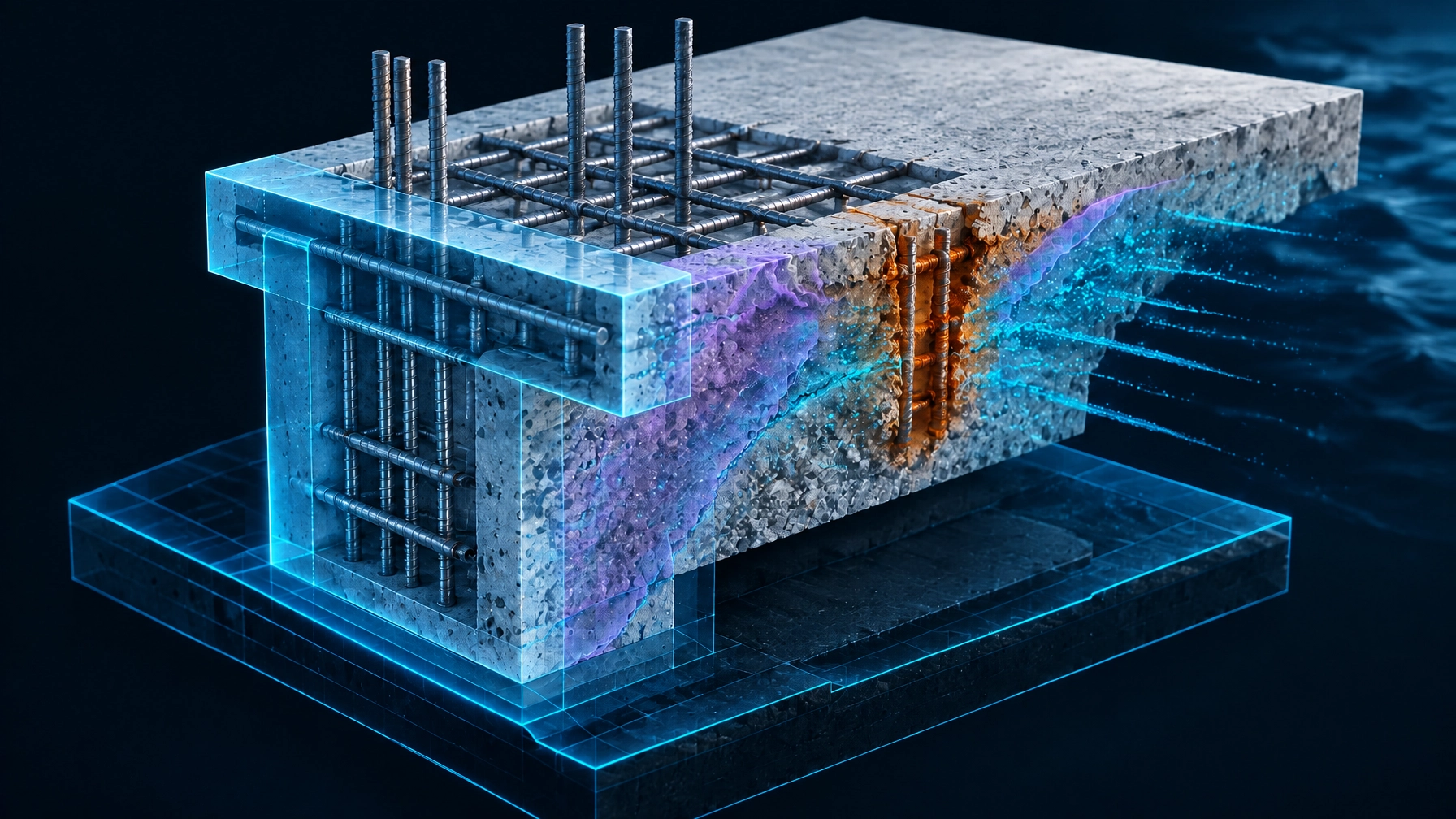
When we investigate a site, we aren't just looking for problems; we are validating the physical state of the building against relevant Australian Standards. For example, rather than saying a slab is "wonky," we refer to AS 2870 (Residential slabs and footings) to measure the actual deviation across the surface. We document the slope, the crack width, and the reinforcement coverage.
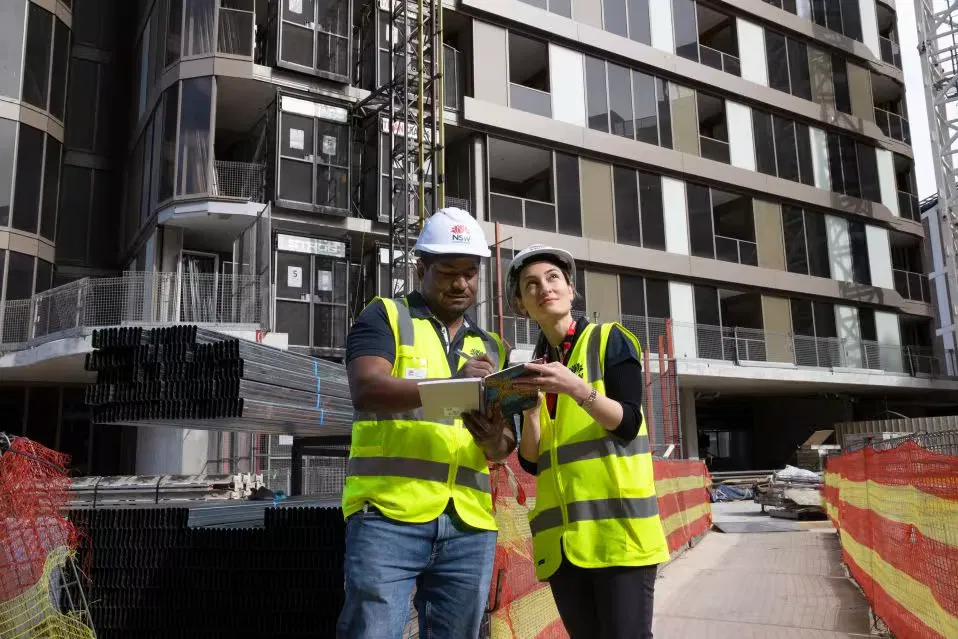
This shift from the qualitative ("it looks bad") to the quantitative ("it deviates by 15mm over 2 meters") is where the dispute is won or lost.
A construction consultant acts as the bridge between the physical defect and the actionable data. Per AS 4349.0 (Inspection of buildings - General requirements), a professional inspection report must contain sufficient data to enable another similarly qualified inspector to verify the conclusions independently.
This is a critical distinction. A "handyman's report" might list 50 things they don't like. A Shoal Bay Projects advisory report provides a forensic roadmap. We:
In our consultancy, we rely on validation. If you cannot measure it, you cannot manage it. This philosophy is the cornerstone of effective construction risk management services.
Consider a dispute over "excessive" foundation movement. A builder might claim it’s "settlement." A homeowner might fear "structural failure." By applying a forensic lens, we look for objective evidence of soil moisture changes, drainage failures, or non-compliance with site classification requirements. We use the data to determine if the movement exceeds the limits set out in AS 2870.

Once the data is on the table, the "argument" often evaporates. The facts speak for themselves, allowing both parties to move toward a rectification strategy or a settlement based on reality, not rhetoric.
Why does this approach save money? It’s simple: It closes the gap of uncertainty.
Uncertainty is the most expensive element of any construction project. It leads to:
By engaging a building dispute consultant early, you invest in a document that serves as a shield and a sword. For the builder, it’s a validation that their work meets the required standards. For the homeowner, it’s the objective proof needed to ensure their largest investment is protected.
At Shoal Bay Projects, we believe that an informed industry is a more efficient one. We are building a community of builders, homeowners, and professionals who value precision over guesswork.
We invite you to explore The Hive and The Vault, our dedicated hubs for construction compliance and advisory resources. This isn't just about finding defects; it's about raising the standard of residential construction across Australia.
Check out our community introduction here: Welcome to the Hive
If you are currently facing a dispute or looking to manage risk on a high-end residential project, follow these imperative steps:
The "Forensic Truth" isn't just a fancy term: it's the only sustainable way to navigate the complexities of modern construction. It turns a chaotic dispute into a manageable technical problem.
In a world where everyone has an opinion, be the one with the data.