Construction
Jul 2, 2026
The Double Duration Crisis: How Governance Failure is Doubling Build Times
The Double Duration Crisis: How Governance Failure is Doubling Build Times

The Double Duration Crisis: How Governance Failure is Doubling Build Times
The Australian residential construction landscape is currently gripped by a quiet, compounding disaster. We call it the Double Duration Crisis.
It’s a phenomenon where the "standard" detached house build: a project that traditionally required a crisp 8-month window: is now ballooning into a 16-month endurance test. For apartments, the data is even bleaker; build times have surged by nearly 80% over the last 15 years. While the headlines often point to "material shortages" or "labour scarcity," the forensic reality is far more clinical.
The primary driver of this inflation isn't just a lack of timber or tradies. It is a systematic governance failure.
With the national target of 1.2 million new homes looming, Australia is already recording shortfalls of over 60,000 dwellings per year. We aren't just building fewer homes; we are building them slower than ever before. To hit these targets, we don't just need more hammers; we need better engineering of the timeline itself.
When a project doubles in duration, the costs aren't merely linear. They are exponential. Extended timelines erode builder margins, explode homeowner holding costs, and fundamentally destroy the trust required for a successful delivery.
At Shoal Bay Projects, we view the construction timeline with a cold, analytical eye. We don't "hope" for a finish date; we look for the governance gaps that are actively pushing that date into next year. If your 8-month build is heading for 16, it’s usually due to three specific culprits.
One of the most pervasive governance failures is the decision to commence site works with an "incomplete design package."
In an attempt to "get started," many projects break ground with architectural plans that lack the necessary technical depth. This leads to a "design-as-you-go" mentality that is fatal to a schedule. When a builder encounters a detail that hasn't been resolved: be it a complex cladding junction or a non-standard structural connection: the project stops.
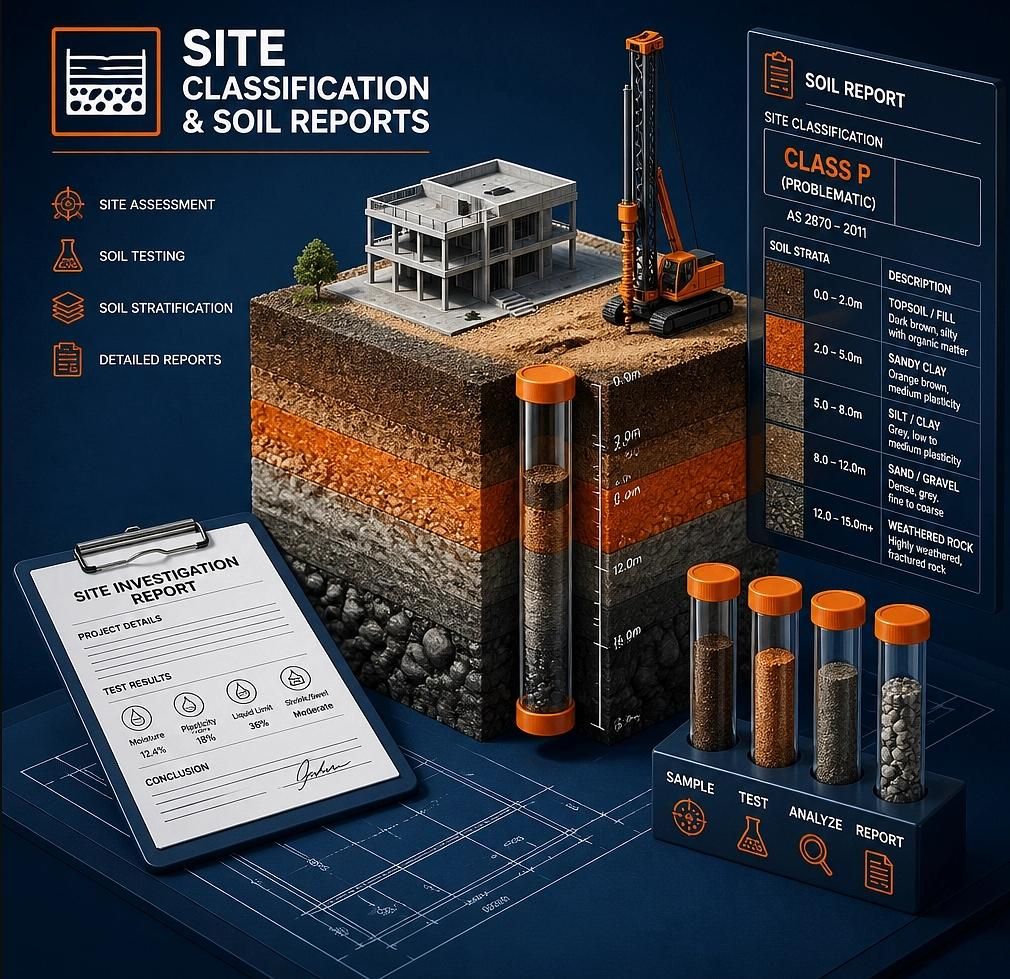
Check your documentation. A high-quality design package should be fully coordinated before the first bucket of soil is moved. This includes ensuring compliance with AS 1684 (Residential timber-framed construction) and AS 3700 (Masonry structures) is detailed in the drawings, not "figured out" on-site. Governance means verifying that the design is buildable, compliant, and complete.
The Request for Information (RFI) is the pulse of a construction project. In a healthy project, RFIs are answered within 24 to 48 hours. In the Double Duration Crisis, RFIs become a black hole.
When a builder sends an RFI and waits seven days for a response, that is seven days of stagnant overhead. If this happens thirty times across a build, you’ve just added seven months of "ghost time" to the schedule.
Specify response protocols. Tight governance requires a Client Side Project Management approach where RFI turnaround times are contractually monitored. Document every query and response. If the design team or the owner is the bottleneck, the schedule will never recover.

Most residential builds follow a rigid sequential path: Wait for A to finish before starting B. While some of this is structural necessity (you can't frame a house without a slab), much of it is a failure of parallel engineering.
Governance failure manifests as a "wait and see" approach. Instead of ordering long-lead items like custom glazing or specialized HVAC units during the foundation stage, many builders wait until the roof is on. By the time the order is placed, the 12-week lead time pushes the handover date by three months.
Engineering the timeline means looking at the critical path and identifying what can be moved to a parallel track. This requires sophisticated residential project management that anticipates the needs of the site three months in advance.
To fix the Double Duration Crisis, we must stop treating construction as a series of fortunate events and start treating it as a governed process. This is where a construction consultant becomes indispensable.
Our role at Shoal Bay Projects is to provide that structured, compliance-focused advisory. We look at the "Forensic Truth" of your project:
Tight governance equals tight timelines. When you remove the friction of unanswered questions and incomplete plans, the 8-month build becomes achievable again.

Navigating the complexities of the modern building industry requires more than just a set of plans: it requires a community of expertise. We invite you to explore The Hive, our central hub for construction advisory and strategic support.
Whether you are a medium-to-high-end builder or a homeowner embarking on a major renovation, understanding the governance of your project is the first step toward a successful outcome.
Don't let the Double Duration Crisis turn your project into a 16-month marathon of overheads and stress. At Shoal Bay Projects, we specialize in Client Side Project Management that prioritizes risk management and contractual alignment.
Document your expectations. Check your compliance. Reclaim your timeline.
Contact Shoal Bay Projects today for an advisory session on how to engineer a finish date that sticks.