Problem
A passing concrete cylinder result is frequently treated as proof that a slab, transfer element, column or foundation has achieved the required strength. That conclusion exceeds what the test establishes.
A standard-cured specimen measures the strength of a separately moulded sample, prepared and cured under controlled conditions. It does not reproduce the concrete element’s placement, consolidation, moisture loss, temperature history or curing conditions. The result is important evidence about the supplied concrete and the specified acceptance process. It is not, by itself, a direct measurement of the strength of concrete in the structure.
The distinction becomes critical when a project team must decide whether to remove formwork, alter temporary support, load an element, end curing protection or investigate a suspected defect. Those decisions concern concrete in the structure at a particular location and time, not simply the potential strength indicated by a specimen tested under different conditions.
In high-end residential construction, this gap can become a dispute. Contractors may point to a compliant laboratory report; an owner, engineer or oversight body may point to a visibly poor finish, cracking, suspected curing failure or site-specific concern. Neither a satisfactory appearance nor a passing cylinder result resolves every structural question. Finish quality and structural performance are related project concerns, but they are not interchangeable forms of evidence.
The issue is global. Whether a project is in Dubai, Singapore or the UK, the technical question is the same: what does the test actually represent, and is that evidence sufficient for the decision being made?
Forensic Analysis
A specimen and an element have different histories
Under ASTM C31/C31M, specimens may be made and cured using different procedures for different purposes. Standard-cured specimens support specified-strength acceptance and quality control. Field-cured specimens are managed to approximate the temperature and moisture environment of the concrete they represent, and may inform construction-stage decisions.
Neither procedure makes a small moulded cylinder identical to a complex structural element. The specimen and the element can differ in geometry, thermal mass, exposure, consolidation and moisture conditions. Even a carefully managed field-cured specimen is an approximation, not proof that every point within the element developed the same strength.
ASTM C39/C39M provides a method for determining the compressive strength of cylindrical specimens. It does not establish how the specimen was cured, whether it represents a particular location, or whether a result authorizes a specific construction activity. Those questions depend on the test plan, project requirements and the engineering basis for the decision.
This is where routine quality assurance can be misapplied. A result prepared for acceptance may be presented as evidence for a different purpose, such as early loading or assessing questionable in-place concrete, without a suitable method or correlation. The number may be accurate for the specimen tested, while the conclusion drawn from it is not.
In-place methods answer different questions
ASTM C1074 describes the maturity method for estimating in-place concrete strength. It requires a strength–maturity relationship developed for the concrete mixture and temperature-history measurements from the concrete being assessed. It can support decisions such as formwork removal or reshoring, but its estimate depends on appropriate calibration and conditions that permit hydration. ASTM also identifies limitations, including its inability to account for the effects of very high early-age temperature on long-term strength.
Other in-place techniques can estimate strength through a measured property correlated with compressive strength. As ACI 228.1R-19 explains, many such methods do not directly measure compressive strength. A valid relationship between the method’s result and concrete strength is therefore essential; the relationship should not be assumed universal across mixtures, sites or testing conditions.
Where there is a concern about hardened concrete in the structure, drilled cores under ASTM C42/C42M can provide direct test evidence from selected locations. Core results still require interpretation. Location, orientation, moisture condition, specimen dimensions and coring practice affect the result. ASTM C42/C42M notes that core strength is generally lower than that of a corresponding properly moulded and cured standard cylinder at the same age, and that there is no single relationship that applies to every concrete.
The forensic question is not “Which result is right?” It is “Which test was designed to answer this decision, and what limitations apply?”
Finish, compliance and audit friction
A polished surface, visible bugholes or local cracking may trigger concern, but appearance alone does not quantify compressive strength. Conversely, a visually acceptable finish cannot establish that the element meets its specified structural performance. Separate each concern: document the observed condition, identify the governing contractual and technical criteria, and select evidence that addresses the actual question.
Audit engagement also affects the quality of the conclusion. A test commissioned solely to confirm a contractor’s production process may have a different scope from an independent investigation commissioned to examine a disputed element. The engagement should make clear who selected the test locations, who controls sampling and custody, which decision the results will support, and who interprets them. A report without this context can be technically correct yet unsuitable for resolving the dispute.
A construction consultant or residential building consultant can help bridge this gap by aligning site observations, test scope, project records and the decision-maker’s requirements. That is a practical role for building consultancy services, residential project management and Client Side Project Management: clarify what is known, identify what remains unverified, and prevent unsupported claims from hardening into contractual positions. It is also relevant to construction compliance, construction risk management services and the work of a building dispute consultant.
Standard Reference
Use the relevant standard for the method performed, and confirm the project’s specified editions and requirements before relying on a result:
These references do not replace the project’s governing contract, design documents or applicable local requirements. They provide a disciplined framework for understanding what test evidence can, and cannot, establish.
Actionable Fix
- Define the decision before ordering a test. State whether the question concerns specified-strength acceptance, an early-age construction activity, or investigation of hardened concrete.
- Match the method to the decision. Use standard-cured specimens for the acceptance purpose they were prepared to support. For in-place estimates, select an appropriate method and establish the required correlation. For a hardened-concrete investigation, plan core locations and interpretation with the responsible professional.
- Control the evidence chain. Record the concrete location and placement time, specimen identification, curing conditions, temperature history where relevant, test age, laboratory and any deviations from the specified procedure.
- Separate observations from conclusions. Photograph and map finish defects, cracking or other site evidence. Do not infer structural strength from appearance, and do not infer local in-place strength from a specimen without a justified basis.
- Agree on interpretation and decision authority. Identify who reviews the results, what acceptance or action criteria apply, and how conflicting evidence will be addressed before testing begins.
- Document the limits. State plainly whether a result is a measured specimen strength, a calibrated in-place estimate or a core-test result. Avoid presenting any one of these as a universal certificate of the whole element.
Shoal Bay Projects provides strategic construction advisory and building consultancy services to help builders, homeowners and project teams close the gap between site execution, test evidence and compliance decisions. Whether a brief comes from a home renovation consultant, a custom home build consultant Australia search, or a construction advisory Australia enquiry, the underlying requirement is the same: make decisions from evidence that is appropriate to the question, not from an assumption about what a passing specimen proves.
Hive YouTube: Explore The Hive on YouTube
Circle-Ready Pack
Community intro: A concrete cylinder can pass while the in-place element still needs its own evidence. The key is to match the test to the decision, and document the limits of what that result can establish.
Article title: The Curing Assumption: Why Specimen Strength Does Not Certify In-Place Concrete in High-End Residential Construction
Article link: The article’s publication URL was not provided. Visit The Hive.
Forensic takeaways:
- Standard-cured cylinder results support specified-strength acceptance; they do not directly measure concrete strength in the structure.
- Maturity estimates require a calibrated relationship for the concrete mixture and the element’s temperature history.
- Core results provide evidence from selected in-place locations, but require careful sampling and engineering interpretation.
Image asset: 3D forensic concrete testing illustration
Hive YouTube: Watch The Hive on YouTube
Claim Your Foundation Membership
The Vault. The App. The Community. We're opening the doors to a select group of Foundation Members. Free, for a limited time. Foundation Membership includes full access to The Vault (our forensic intelligence archive) and early access to the Hive app.
Once the charter window closes, this tier is gone permanently. Foundation Members retain access for life. This is not a trial: it's a permanent invitation to the founding cohort.
Claim Your Foundation Membership →
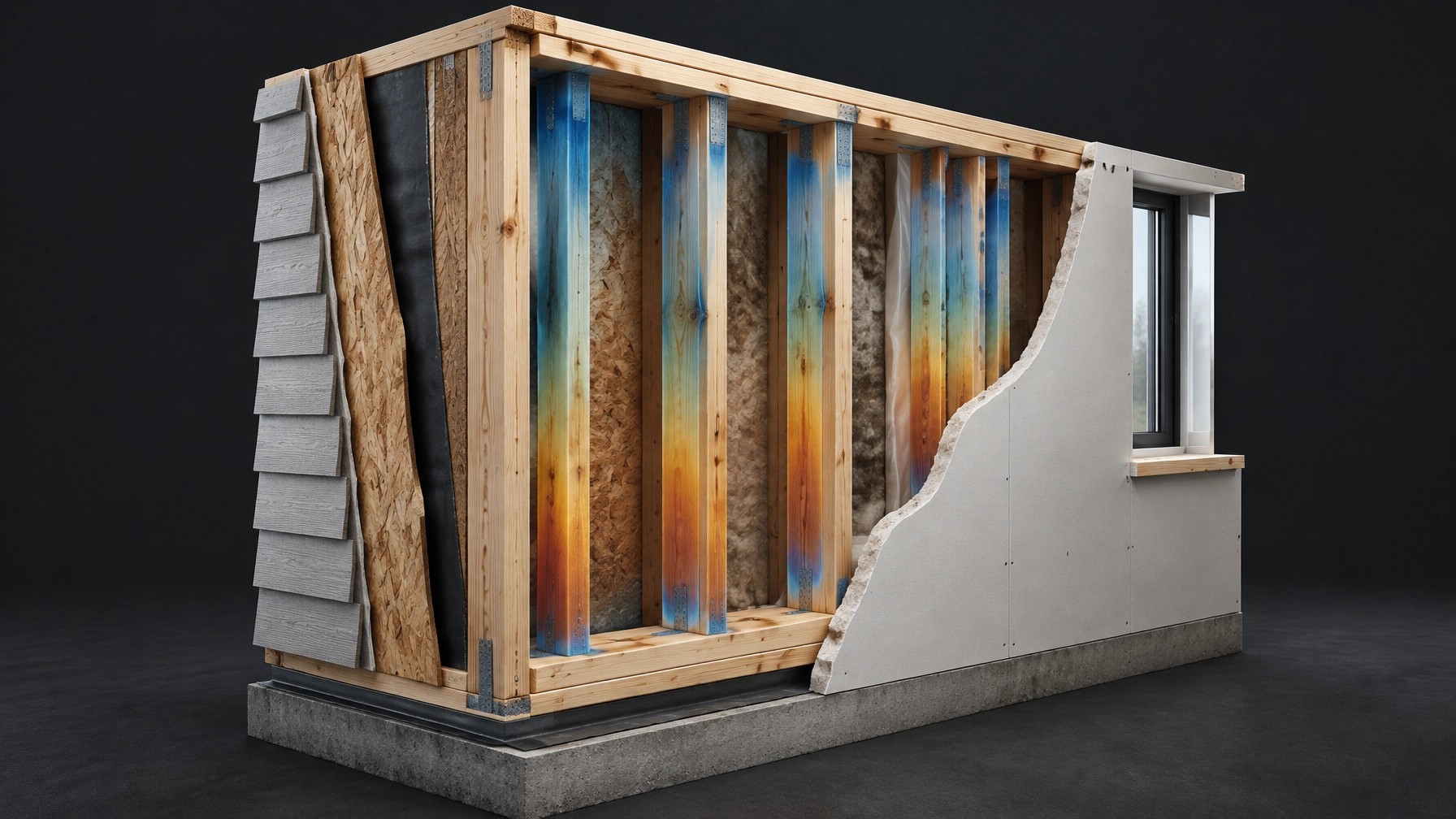
⚠️ The image in this post is used for illustration purposes only, designed to encourage thoughtful discussion. It is not intended to represent a prescriptive detail of any installation or construction method.