Construction
Jul 8, 2026
The Cost of Concrete Cancer: 2026 Repair Ranges for WA Homeowners
The Cost of Concrete Cancer: 2026 Repair Ranges for WA Homeowners

The Cost of Concrete Cancer: 2026 Repair Ranges for WA Homeowners
For homeowners and strata managers in Western Australia, the term "concrete cancer" is more than a structural defect: it is a significant financial liability. As we navigate the 2026 construction landscape, the cost of remediation in the Perth metropolitan area and surrounding coastal corridors has seen a sharp increase, driven by specialized labor shortages and the escalating price of high-performance technical mortars.
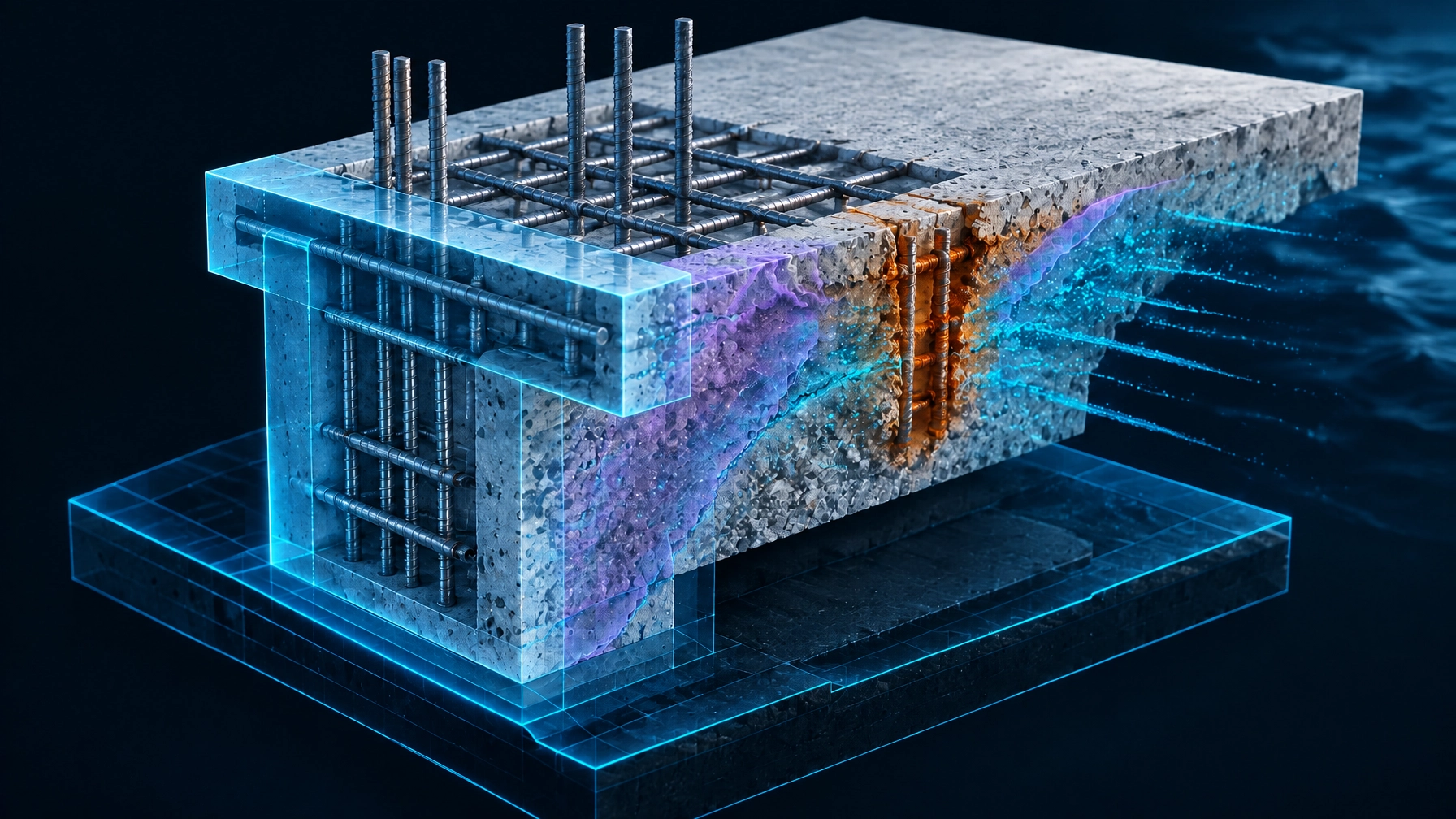
Concrete cancer, or spalling, occurs when the internal steel reinforcement of a concrete structure corrodes. As the steel oxidizes, it expands: up to seven times its original volume: exerting immense internal pressure on the surrounding concrete. This leads to cracking, delamination, and eventually, the ejection of concrete fragments. In the forensic advisory space, we view these surface cracks not as isolated incidents, but as the visible symptoms of a deeper, systemic failure of the concrete's protective alkalinity.
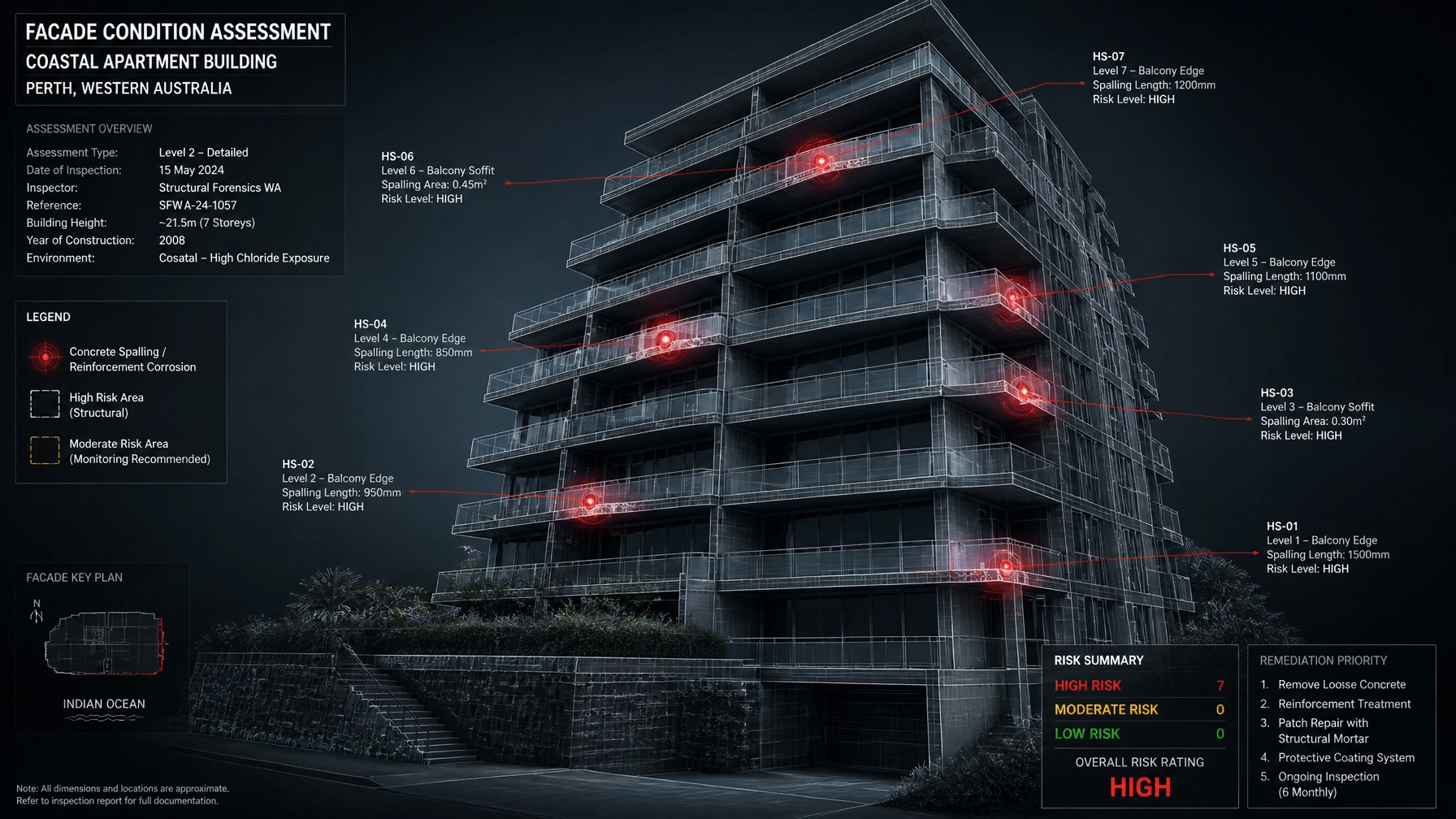
In Perth, our proximity to the Indian Ocean is the primary driver of structural degradation. If your property is located within 1km of the coastline: stretching from Cottesloe and City Beach up to Burns Beach: the risk of chloride-induced corrosion is exponentially higher.
Chloride ions from salt spray penetrate the porous matrix of the concrete, reaching the steel reinforcement and neutralizing the passivating layer that prevents rust. Forensic data suggests that chloride-driven corrosion operates 5-10 times faster in coastal zones than in inland suburbs like Kalamunda or Canning Vale. This "coastal premium" isn't just about the rate of decay; it reflects the requirement for specialized marine-grade repair systems and cathodic protection, which significantly inflates the remediation budget.

Understanding the financial scope of concrete cancer requires a forensic assessment of the damage's maturity. We categorize these costs based on the level of structural intervention required.
This range typically covers localized surface spalling where the structural integrity of the member is not yet compromised. Works include the removal of loose concrete, mechanical cleaning of the steel (to Class 2.5 standards), and application of a zinc-rich primer and polymer-modified repair mortar. This is often the "entry price" for single balcony edge repairs in Perth’s high-density apartment blocks.
When the corrosion has progressed into structural elements like load-bearing beams or columns, the complexity shifts. These repairs often require temporary propping (shoring) to support the structure while the damaged concrete is excavated. This range is common for residential homeowners dealing with failed driveway slabs over subterranean garages or significant lintel failures.
This level of investment is seen in cases where a critical junction: such as a cantilevered balcony or a major structural pier: has experienced deep-seated corrosion. In these instances, simply patching the concrete is insufficient. Engineers must specify the addition of supplementary reinforcement, often involving chemical anchors and extensive breakout, to restore the member's design capacity as per AS 3600: Concrete Structures.
For strata committees managing older multi-residential complexes in coastal WA, concrete cancer is a collective nightmare. When the "cancer" has spread across multiple floor levels and facades, the project moves from maintenance into major capital works. These budgets include the significant costs of scaffolding, council permits, and the implementation of holistic protection strategies like Impressed Current Cathodic Protection (ICCP) or sacrificial anodes.

While total job costs provide a general guide, forensic contractors and quantity surveyors in WA frequently utilize per-m² rates for preliminary budgeting. In the 2026 market, expect the following technical benchmarks:
The most important takeaway for any WA property owner is the Intervention Multiplier. Forensic analysis consistently proves that addressing concrete cancer at the "incipient" stage: when only minor hairline cracking and rust staining are visible: is 3-5 times cheaper than waiting for full-scale spalling.
Wait until the concrete is falling off the building, and you aren't just paying for concrete; you are paying for structural engineering certification, council safety hoardings, and potentially, the full replacement of the reinforced member. Document the damage early, engage a consultant to specify the repair, and execute the works before the chloride front reaches the core of your structure.
Do not rely on a general builder’s "patch and paint" quote for concrete cancer. This often leads to the "halo effect," where the repair itself accelerates corrosion in the surrounding concrete by creating a new electrochemical cell.
Specify the outcome. Ensure your remediation plan includes:
Shoal Bay Projects operates as the forensic advisory bridge between homeowners and the complex world of structural remediation. We don't just find the cracks; we provide the strategic roadmap to ensure your repair is compliant, cost-effective, and permanent.
For more in-depth technical analysis and a deeper dive into the mechanics of construction compliance, we invite you to join our professional community. Welcome to the Hive.
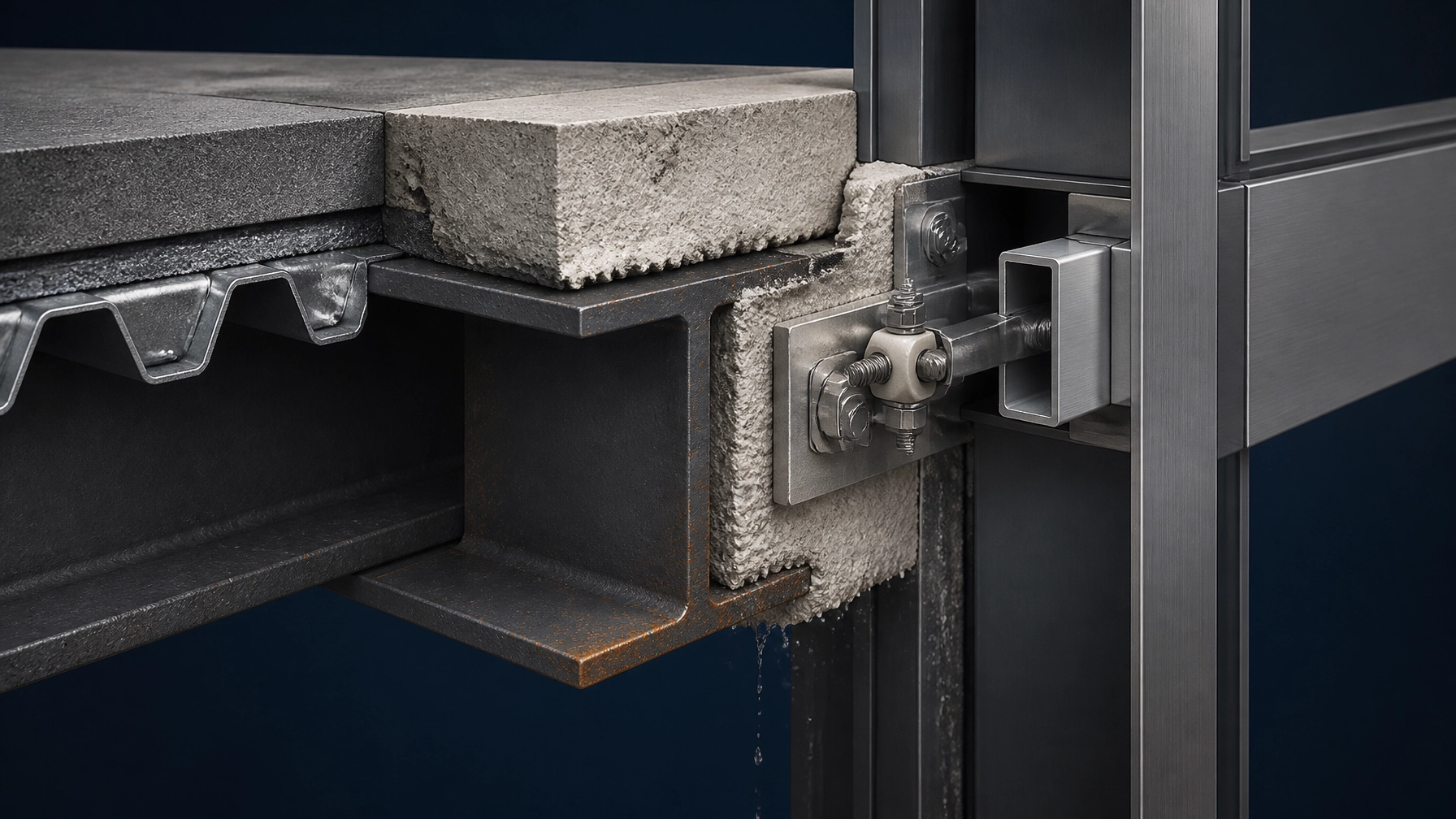
⚠️ The image in this post is used for illustration purposes only, designed to encourage thoughtful discussion. It is not intended to represent a prescriptive detail of any installation or construction method.