Construction
Jul 2, 2026
The Compliance Drift: Why Checklist Mentality Fails on Modern Sites
The Compliance Drift: Why Checklist Mentality Fails on Modern Sites

The Compliance Drift: Why Checklist Mentality Fails on Modern Sites
In the boardroom, the project looks bulletproof. The plans are signed off, the NCC (National Construction Code) pathways are clearly marked as Deemed-to-Satisfy (DtS), and the checklists are ready to be ticked. But between the architectural intent and the afternoon pour on a Friday, something happens.
We call it Compliance Drift.
It’s the subtle, often invisible widening of the gap between the written standard and the reality of on-site enforcement. It’s the delta where risk matures, and for many builders and homeowners, it’s where the liability vacuum begins. If you’re relying on a simple checkbox mentality to manage your construction compliance, you’re not managing risk: edging toward a systemic failure that only becomes visible under forensic scrutiny.
At Shoal Bay Projects, we don’t just look at the paper. We look through a forensic lens to ensure site execution aligns with performance requirements long before a dispute ever hits a lawyer's desk.
The NCC 2022 is a performance-based code. It tells you what a building must do, not necessarily how to do it: unless you follow the DtS provisions. The problem is that site teams often treat these standards as "suggestions" or "minimums" that can be adjusted based on local tradition or time pressure.
This divergence creates a dangerous precedent. A detail accepted by a certifier in one jurisdiction might be flagged as a catastrophic failure in another, despite the regulations being identical. Why? Because the "checkbox" was ticked, but the technical execution drifted from the reference standard.
Waterproofing remains one of the highest areas of building dispute and failure in Australia. AS 3740:2021 (Waterproofing of domestic wet areas) is the benchmark, but the drift here is rampant.

Checklists often ask: "Is the membrane applied?"
The forensic question is: "Is the membrane thickness consistent with the manufacturer's specification and AS 3740 requirements for that specific substrate and fall?"
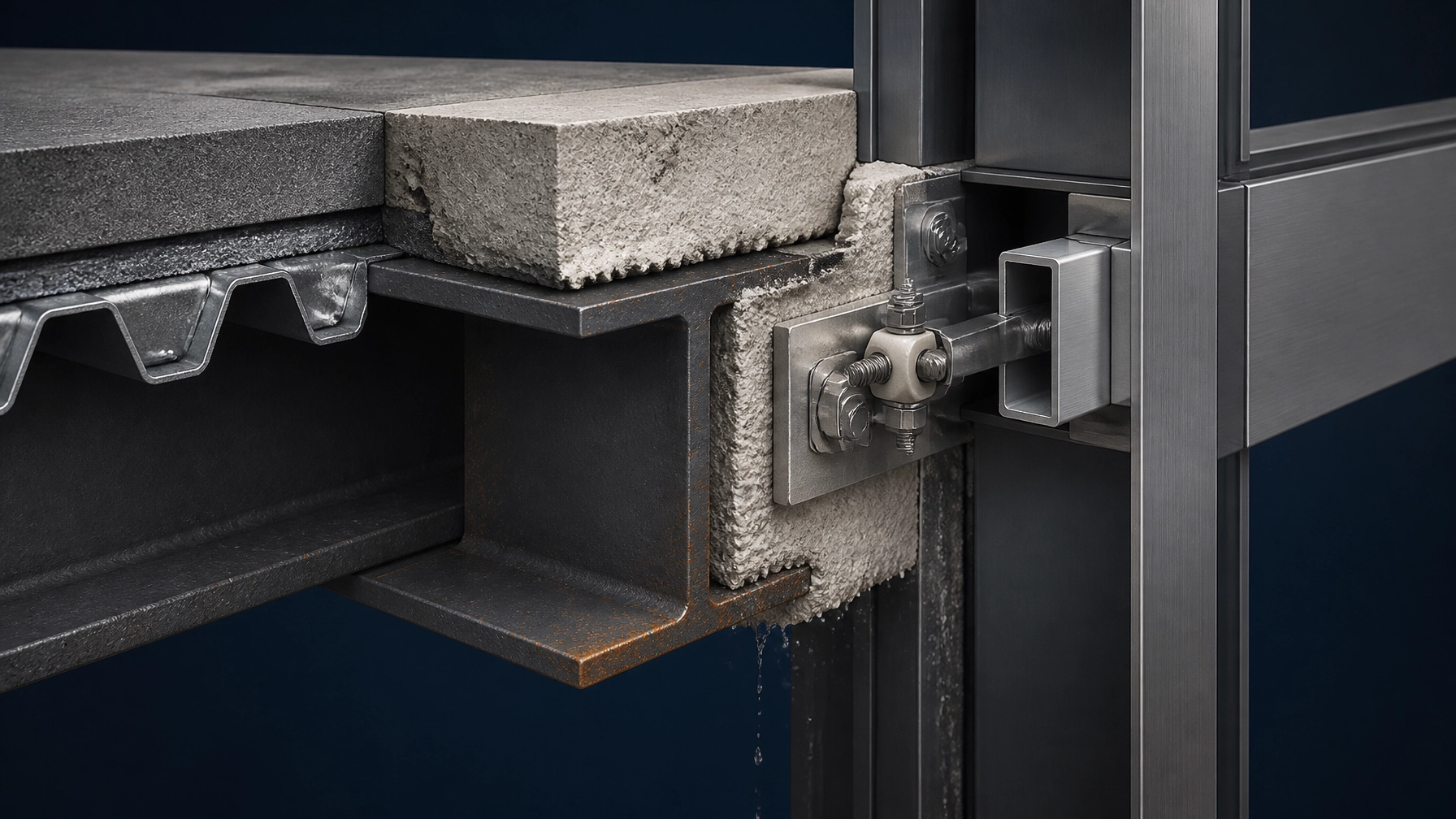
Compliance drift in waterproofing often looks like:
When a leak occurs three years later, a "ticked box" won't save you. Forensic scrutiny will look at the batch numbers, the millimetre thickness, and the termination details. If the site execution drifted from the standard, the builder carries the vacuum of liability.
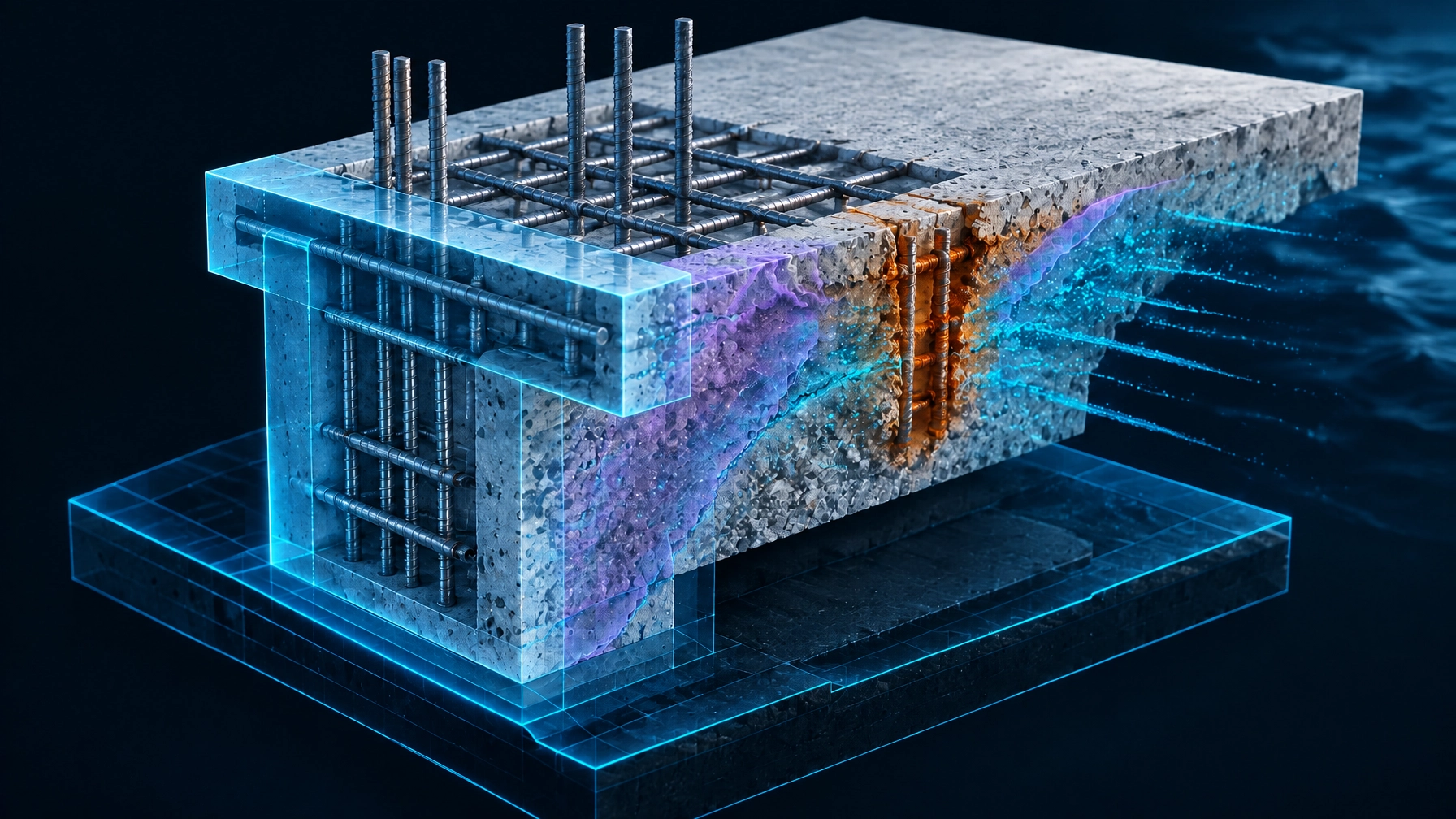
Compliance drift isn't limited to wet areas. It’s arguably more dangerous in structural concrete works. AS 3600 (Concrete structures) provides the framework for everything from residential slabs to mid-rise frames.

On a busy site, "close enough" often becomes the standard for reinforcement placement. But a 20mm drift in rebar position can fundamentally change the load-bearing capacity of a slab or beam.
Common points of drift include:
Relying on a subbie’s assurance that "it’s how we always do it" is a strategy for disaster. Construction risk management services require more than a site walk; they require a technical verification of the engineering intent.
One of the most frustrating aspects of compliance drift is the "Jurisdictional Mirage." We often see builders who have operated successfully in one region for years, only to face systemic failures when they move into a new area or face an independent audit.
The standards haven't changed, but the lens through which they are viewed has. A detail that "passed" for a decade might actually be a non-compliance that simply hadn't been caught yet. This is where building consultancy services become vital. We provide a national perspective, ensuring your projects are not just compliant by local habit, but survivable under the most rigorous forensic scrutiny.
If the checkbox mentality is dead, what replaces it? The answer is Active Governance.
Active Governance is the process of setting hard hold points and performing forensic-level audits at the junctions where risk is most likely to mature. It involves:
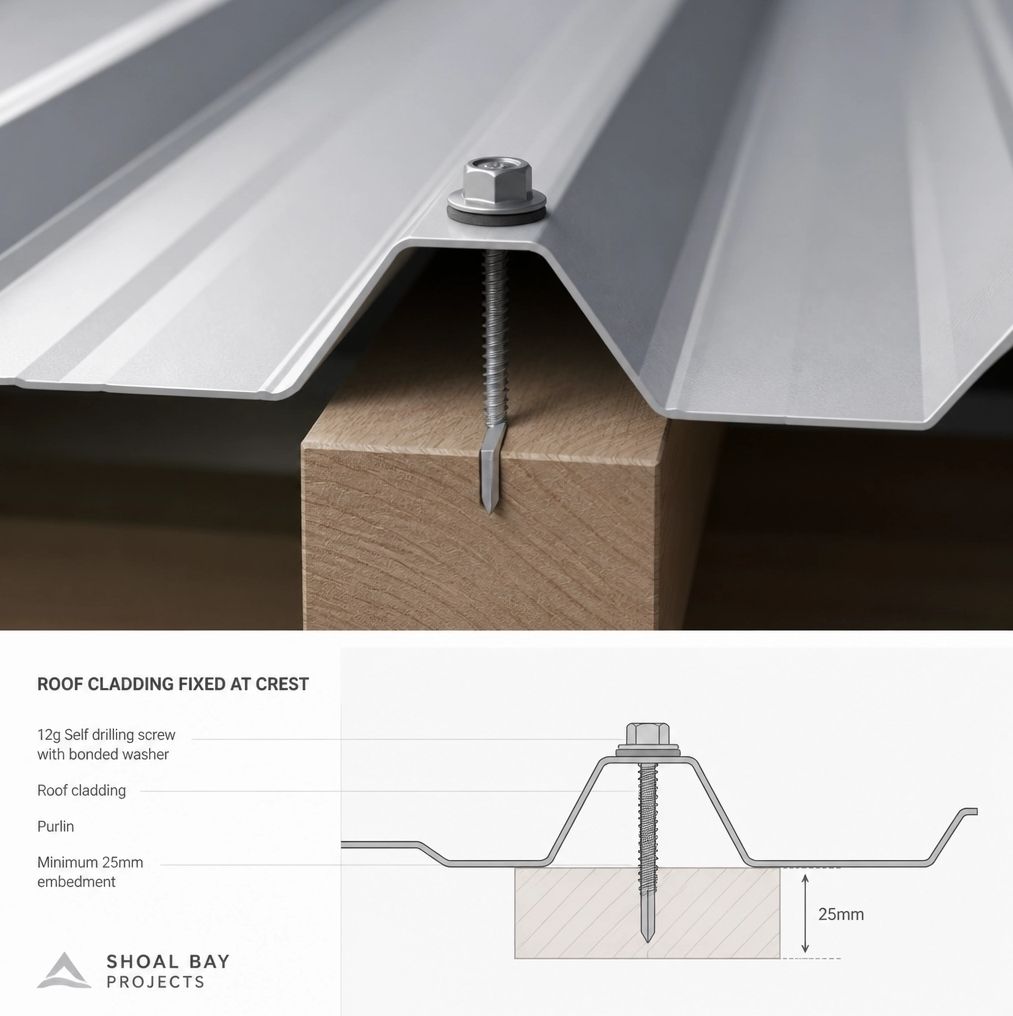
Construction is evolving, and the level of scrutiny from regulators and insurance providers is only going one way: up. To stay ahead of the curve, you need a community and a resource hub that understands the technical nuances of the industry.
We invite you to explore The Hive, our community hub for construction professionals who are serious about compliance and risk.
Check out "Welcome to the Hive" on YouTube
The "Compliance Drift" is a natural force on any construction site. Time, budget, and labor pressures will always push execution away from the theory. Your job as a builder or developer is to provide the counter-pressure.
Shoal Bay Projects provides the strategic oversight needed to close the gap. We don't just tell you what the standard says; we help you implement the systems to ensure those standards are met on the ground. Whether you are a custom home builder or a large-scale developer, our construction risk management services are designed to protect your reputation, your financial performance, and your peace of mind.
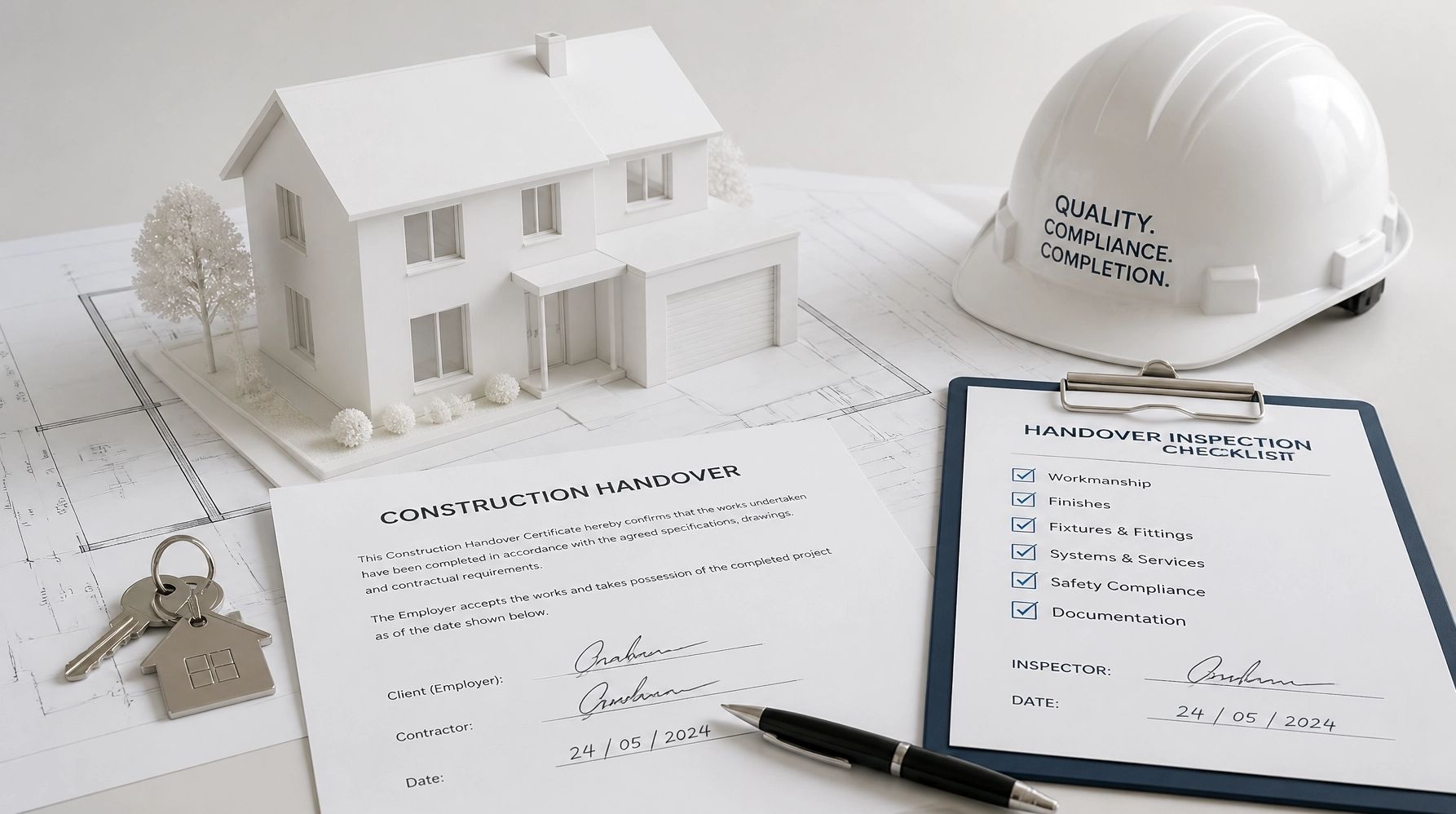
Don't wait for a defect claim to realize your site has drifted. Contact Shoal Bay Projects today for a strategic review of your project's compliance framework.
Stop ticking boxes. Start building certainty.