Construction
Jul 2, 2026
The 2025 NCC Transition: A Survival Guide for NSW Builders
The 2025 NCC Transition: A Survival Guide for NSW Builders

The 2025 NCC Transition: A Survival Guide for NSW Builders
It’s May 2026, and the dust has finally settled on the mandatory adoption of NCC 2022. For NSW builders, the last twelve months have been a crash course in 7-star thermal stringency, BASIX 70 targets, and the intricacies of the Sustainable Buildings SEPP.
However, the regulatory landscape doesn't stay still for long. With the NCC 2025 adoption date for New South Wales confirmed for 1 May 2027, we are officially in the "transition window." While the national building ministers have agreed to a general pause on new residential technical stringency until 2029, the administrative shift to the 2025 code: and the lingering complexities of the 2022 implementation: means builders cannot afford to be complacent.
At Shoal Bay Projects, we’re seeing a significant uptick in advisory requests from builders who are technically compliant but operationally exposed. Here is your survival guide to navigating the next 12 months of the transition.
As of today, Friday 29 May 2026, every new residential contract in NSW is bound by the requirements of NCC 2022 (which became mandatory on 1 May 2025). The most significant shift has been the move from 5.5 stars to a minimum 7-star NatHERS rating and the introduction of "Whole-of-Home" energy usage targets.
Achieving 7 stars is no longer a matter of simply adding a bit more "pink batts" in the ceiling. It requires a forensic look at the building envelope.

One of the most frequent points of confusion we address in our advisory sessions is the Livable Housing Design Standard. While Victoria, Queensland, and the ACT have moved toward mandatory silver-level accessibility (wider doorways, step-free entries, reinforced bathroom walls), NSW has notably opted out of these national residential provisions for the time being.
While this reduces the immediate design burden on NSW builders, it creates a trap for those working across state borders. If you are a builder with projects in both Albury and Wodonga, your compliance requirements are vastly different just a few kilometres apart.
Pro Tip: Even though it isn't mandatory in NSW, many high-end residential clients are requesting "future-proof" designs. Incorporating wall reinforcement for future grabrails (per the ABCB Livable Housing Design Standard) is a low-cost value-add that can save thousands in future renovations.
Because of the national "pause" on residential technical changes until 2029, NCC 2025 is largely being treated as an administrative and "clean-up" edition for the residential sector. However, the 1 May 2027 adoption in NSW will likely include:
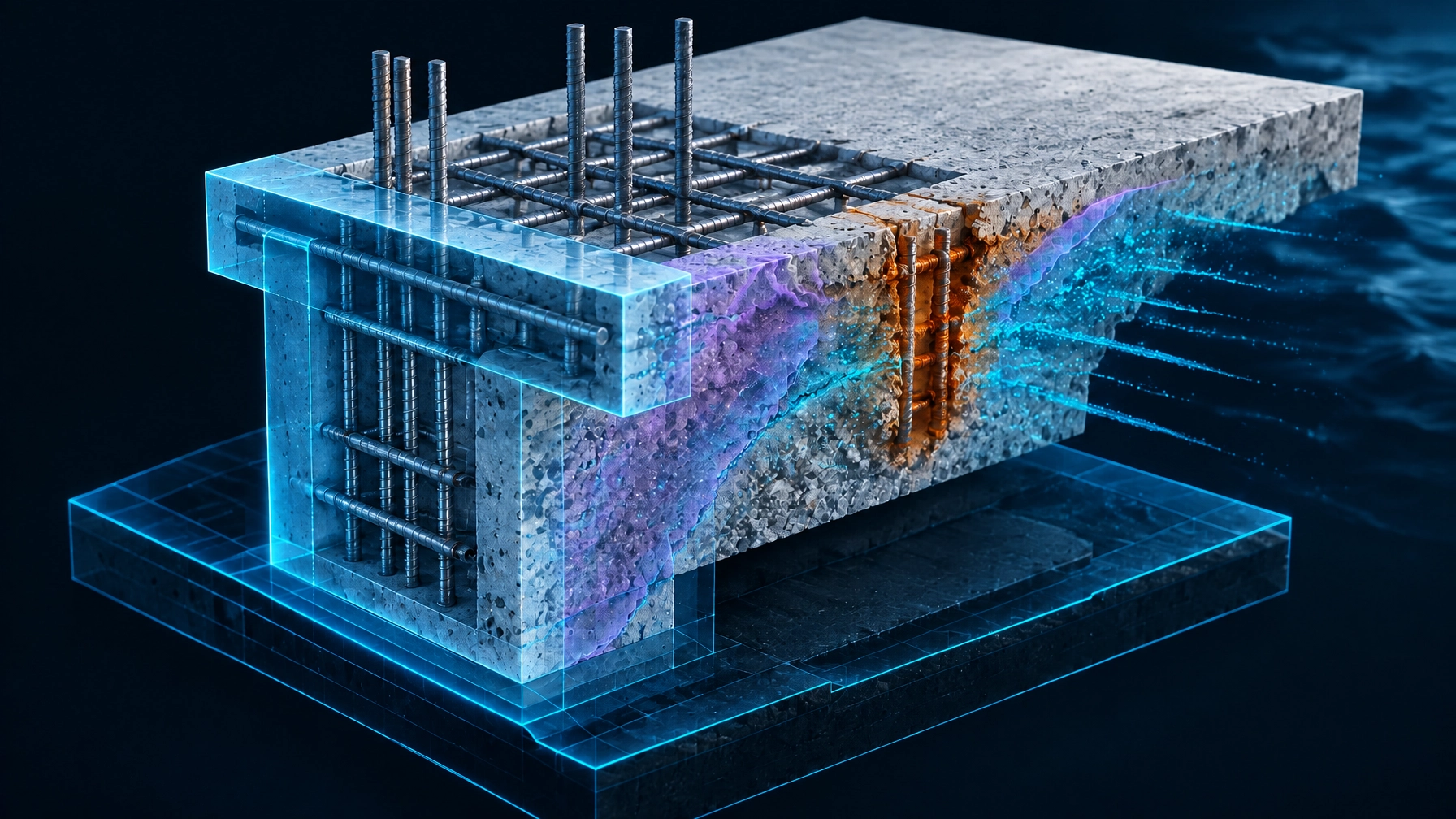
The unintended consequence of a 7-star, airtight home is the increased risk of condensation. If you build a "sealed box" to meet energy targets but fail to manage moisture, you are building a liability.
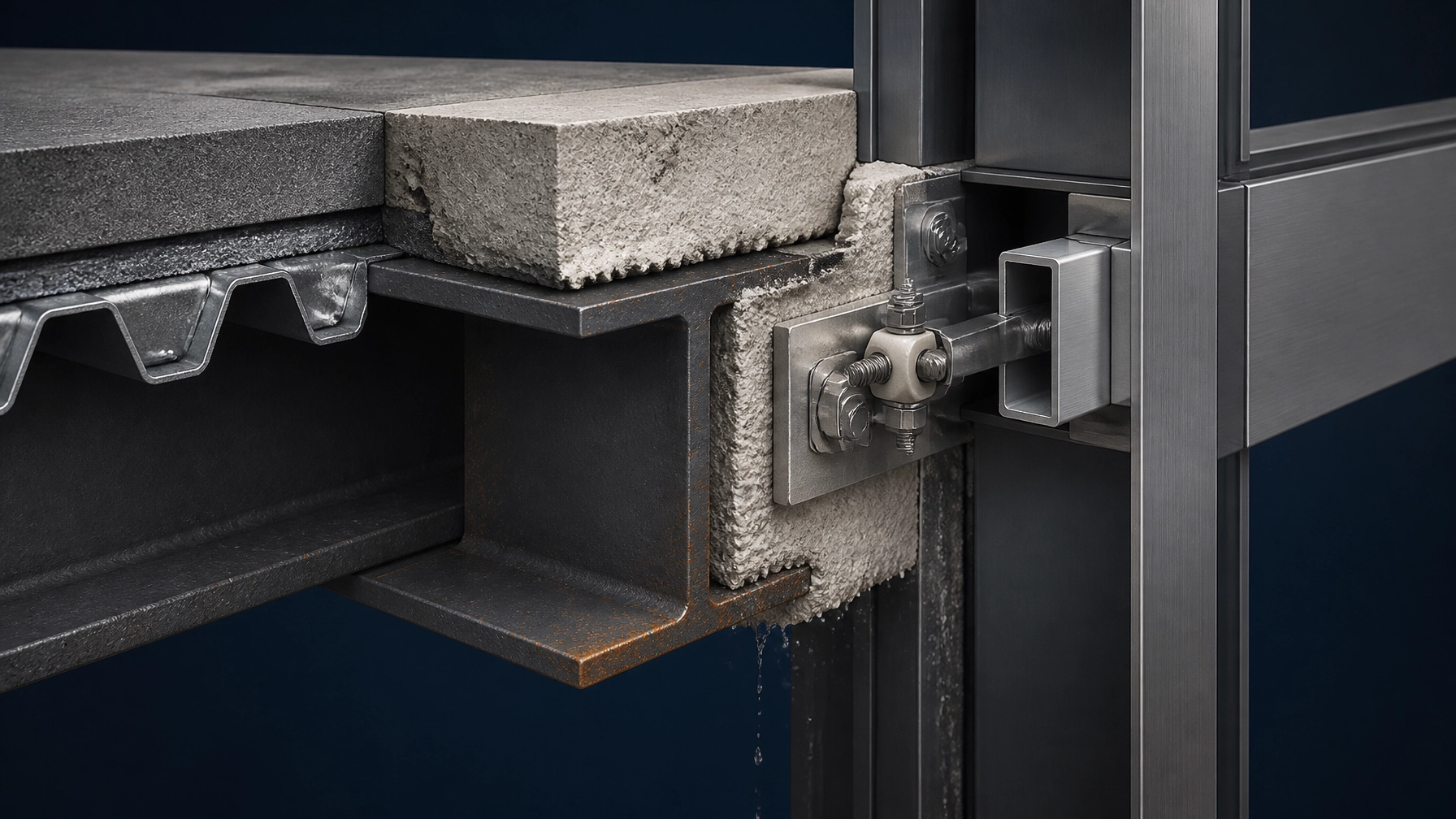
Specify the correct vapour permeability for your climate zone. In most NSW coastal regions, a "Vapour Permeable" (Class 3 or 4) membrane is essential to allow internal moisture to escape the wall cavity. Failure to do this leads to mould and structural rot: the kind of defects that the Building Commission NSW is currently targeting in their site audits.
With the increased complexity of wall systems, ensuring structural integrity remains paramount. Review your tie-down details against AS 1684.2 (Non-cyclonic areas) and ensure your site supervisors are photographing connections before they are covered by insulation and lining.
The "Survival" part of this guide isn't just about technical compliance; it's about regulatory survival. The Building Commission NSW has significantly increased its audit frequency. They are looking for a "Golden Thread" of information.
If you cannot prove compliance with a paper trail, you are at risk of a Prohibition Order or a Stop Work Order.

Navigating these transitions alone is a recipe for burnout and litigation. We’ve built a community specifically for builders and developers who want to stay ahead of the curve without spending hours reading building manuals.
Explore "The Vault" for our deep-dive technical resources, compliance checklists, and advisory templates designed to keep your projects on track and your reputation intact.
The transition to NCC 2025 isn't just a hurdle; it's an opportunity to professionalize and differentiate your business in a crowded market. Stay compliant, stay documented, and stay informed.