Construction
Jul 8, 2026
The 15mm Rule: Why Your Waterproofing Membrane Is Really Tearing
The 15mm Rule: Why Your Waterproofing Membrane Is Really Tearing

The 15mm Rule: Why Your Waterproofing Membrane Is Really Tearing
In the forensic post-mortem of a failed wet area, the culprit is rarely a lack of product. It is almost always a failure of physics. Specifically, the physics of a junction that was asked to move, but was never given the room to do so.
If you are a builder or site manager who thinks "extra coats" will save a corner from cracking, you are fundamentally misunderstanding how liquid-applied membranes function. In the world of AS 3740, the most critical dimension isn’t the thickness of the coating: it’s the width of the bond-breaker.
Welcome to the technical reality of the 15mm rule.
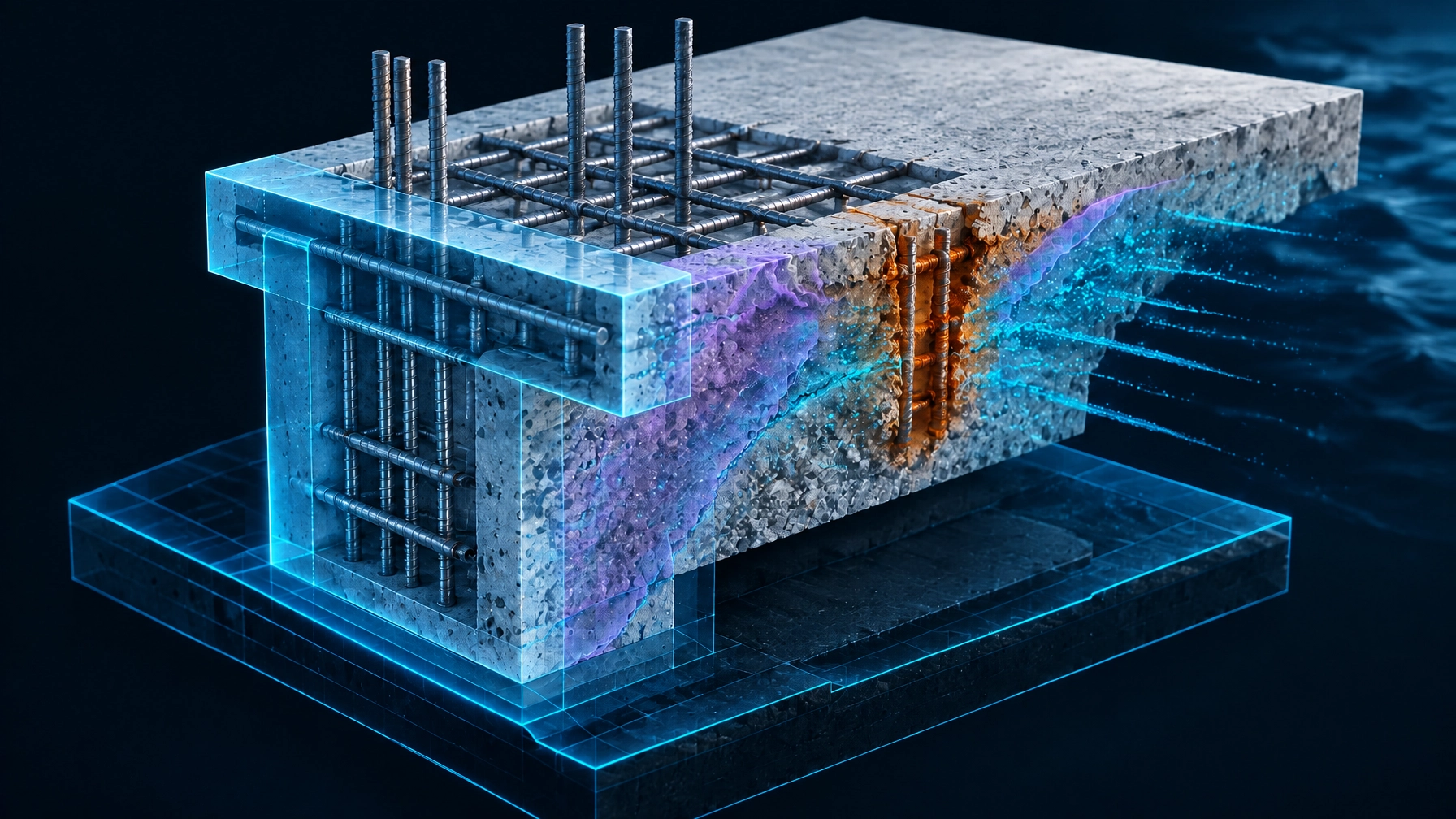
A waterproofing membrane is not paint. It is a structural skin designed to accommodate the inevitable movement of a building. When you bond a membrane directly to a substrate, you create a "tether." When the substrate moves: whether due to timber shrinkage, thermal expansion, or structural settling: that movement is concentrated at the exact point of the bond.
If a joint opens by 1mm and the membrane is bonded right up to the edge of that joint, the local strain at the point of the crack is effectively infinite. No membrane, regardless of its "Class III high-extensibility" marketing, can survive infinite strain. It will tear, and it will do so exactly where the two substrates meet.
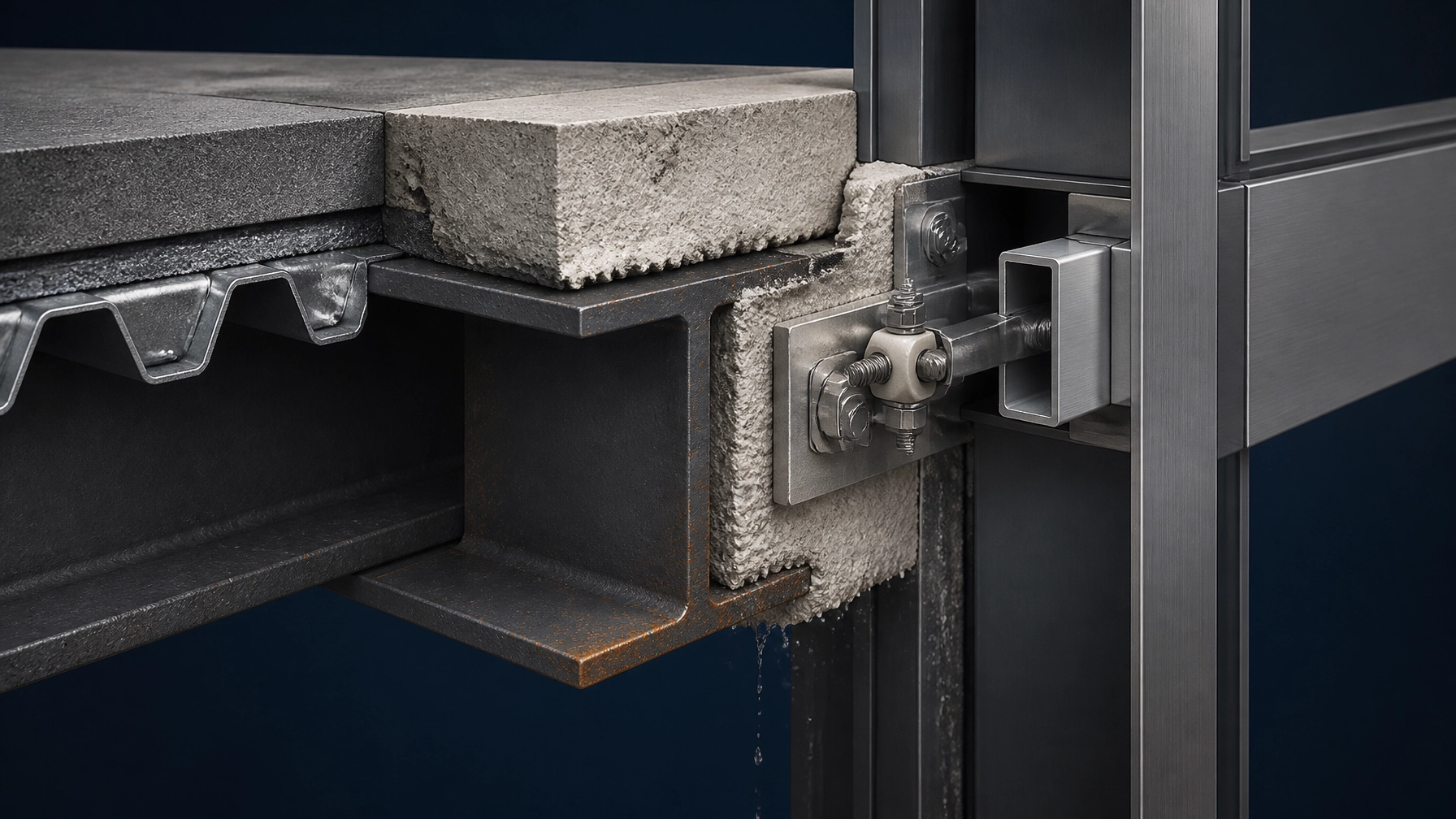
To prevent this, we use a bond-breaker. The goal is to "de-bond" the membrane over a specific width (the gauge length), turning that section into a "bridge."

Australian Standard AS 3740:2021 (Waterproofing of domestic wet areas) is explicit about the requirements for bond-breakers at junctions and changes in substrate. The "15mm rule" is a common industry shorthand for the debonded width required for Class III membranes, but the requirements vary significantly based on the product’s extensibility.
Most modern liquid-applied membranes used in residential bathrooms are Class III. According to Table 4.10 of AS 3740:2021, these require a bond-breaker width of approximately 12mm to 15mm.
If you are using a Class II membrane, the 15mm rule will lead to failure. Because these membranes have less "stretch," they require a much larger gauge length to distribute movement.
In forensic inspections, we frequently see "micro-fillets": tiny beads of sealant less than 5mm wide. From a clinical perspective, these are useless.
When a fillet is too small, it doesn't provide enough debonded surface area. The membrane remains effectively "tethered" to the corner. Furthermore, a sharp 90-degree internal corner acts as a stress concentrator. A 15mm bond-breaker (specifically a fillet) creates a radius, which transitions the stress from a sharp "hinge" into a gentle curve.
Specify: Ensure your waterproofing contractors are not just "sealing the gap" but are creating a defined 15mm debonded zone. If they are using tape, it must be the correct width and applied without creases, which can create pathways for moisture tracking (capillary action) under the membrane.
A common misconception among site supervisors is that if a corner looks "thin," the solution is to keep slapping more product on it. In reality, an excessively thick membrane in a corner can be less flexible than a thinner one.
Think of a rubber band. A thin rubber band stretches easily. A thick, heavy-duty industrial gasket requires significantly more force to move. If the membrane is too thick at a junction where the bond-breaker is undersized, the internal stresses within the coating can lead to "delamination" or "splitting" as the cured product struggles to accommodate the substrate's torque.
Document: Check the Dry Film Thickness (DFT) requirements. More is not always better; compliant is better.
To avoid the "tear and leak" cycle that ends in a $40,000 bathroom strip-out, adopt a forensic approach to your wet area inspections.
Waterproofing failure is the leading cause of building disputes in Australia. It’s not just about keeping water in the tray; it’s about understanding the structural dynamics of the building and ensuring your secondary systems (the membrane) can handle the reality of a moving substrate.
Ignoring the 15mm rule is a gamble against the laws of physics. And in construction, physics always wins.
If you’re looking to sharpen your compliance edge or need a forensic eye on your next high-end residential project, you belong in our community. Explore the technical vault and join the conversation with the industry's senior pros.