Construction
Jul 8, 2026
Preventing Concrete Cancer Through Design: NCC 2022 and AS 3600
Preventing Concrete Cancer Through Design: NCC 2022 and AS 3600

Preventing Concrete Cancer Through Design: NCC 2022 and AS 3600
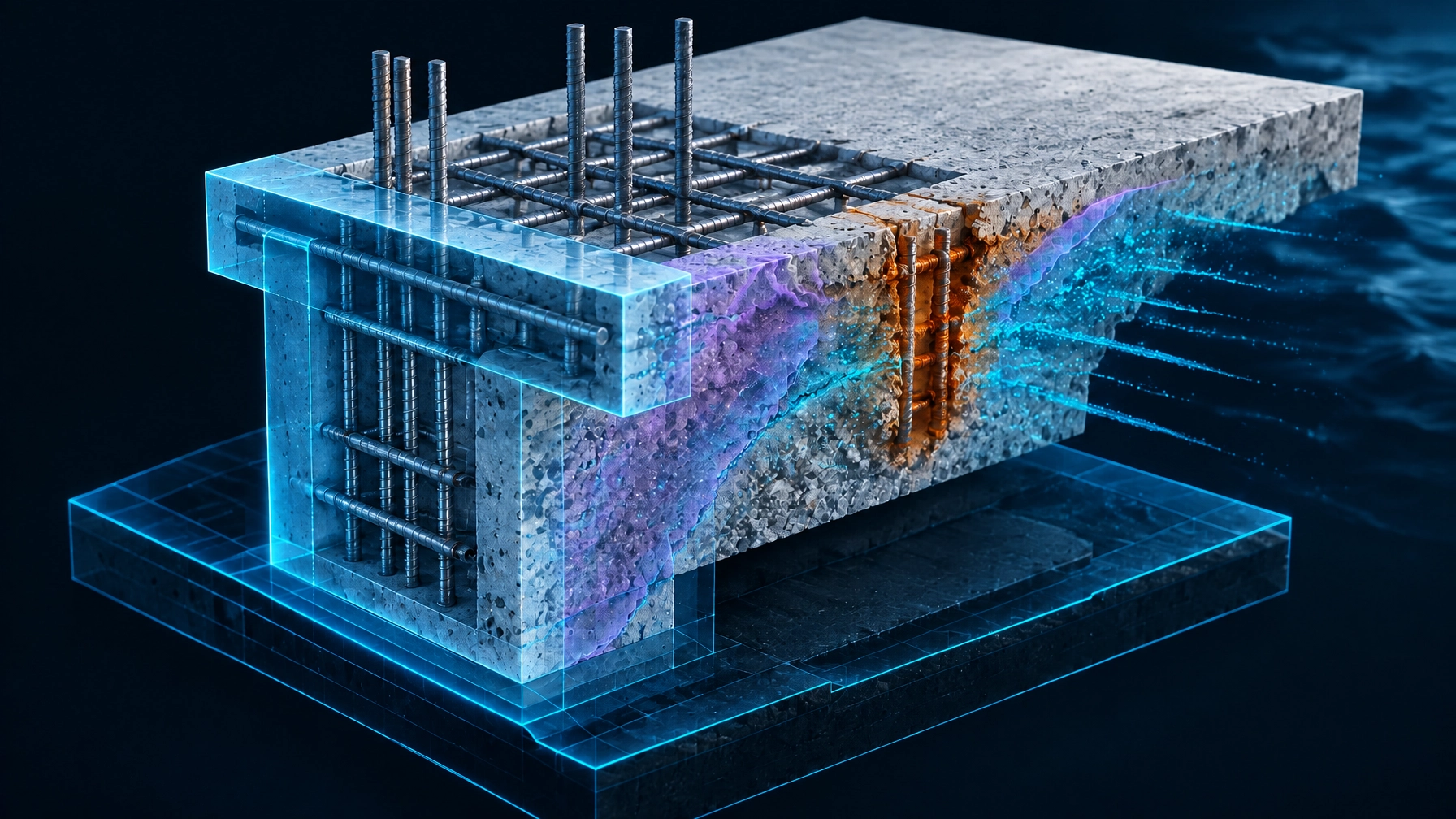
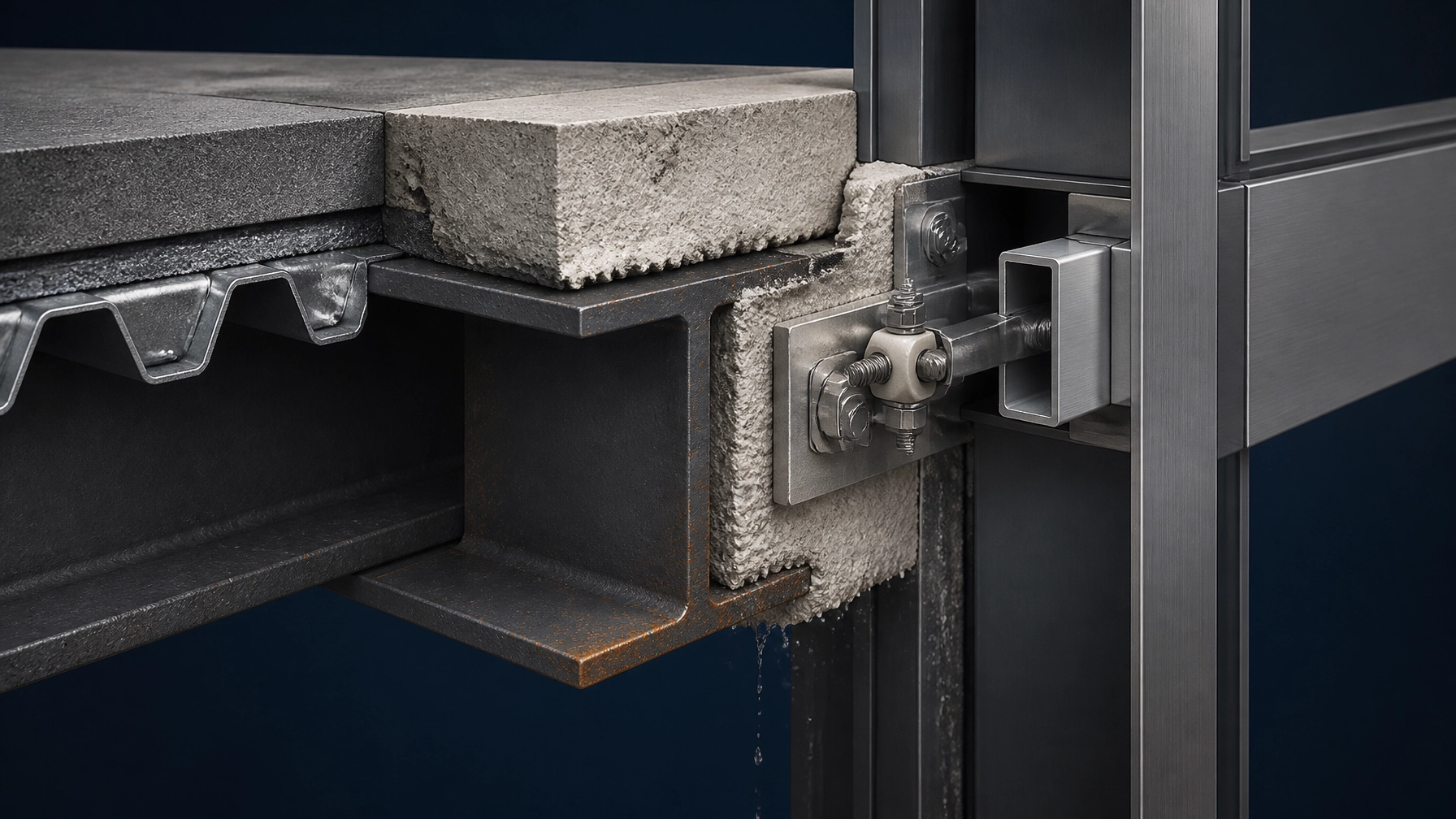
In the high-salinity environments of coastal Western Australia: from the spray zones of Cottesloe to the windswept blocks of Scarborough: concrete cancer is not a maintenance issue; it is a design failure. While often treated as a remediation problem, the forensic reality is that most reinforcement corrosion is "built-in" during the pre-construction phase.
Under the NCC 2022 framework, the reliance on AS 3600 (Concrete Structures) has become more stringent. For builders and designers in the Perth market, preventing chloride-induced corrosion requires moving beyond "standard" specs and adopting a forensic design-out strategy.
The first point of failure in many Perth projects is the misclassification of the exposure site. NCC 2022, through AS 3600, categorizes environments based on their proximity to the coast and the severity of salt airborne influence.
Designing with "Standard N25" in a B2 environment is a guaranteed pathway to structural remediation within 15 years. Forensic advisory ensures that these variables are locked into the IFC (Issued for Construction) drawings before the first pour.
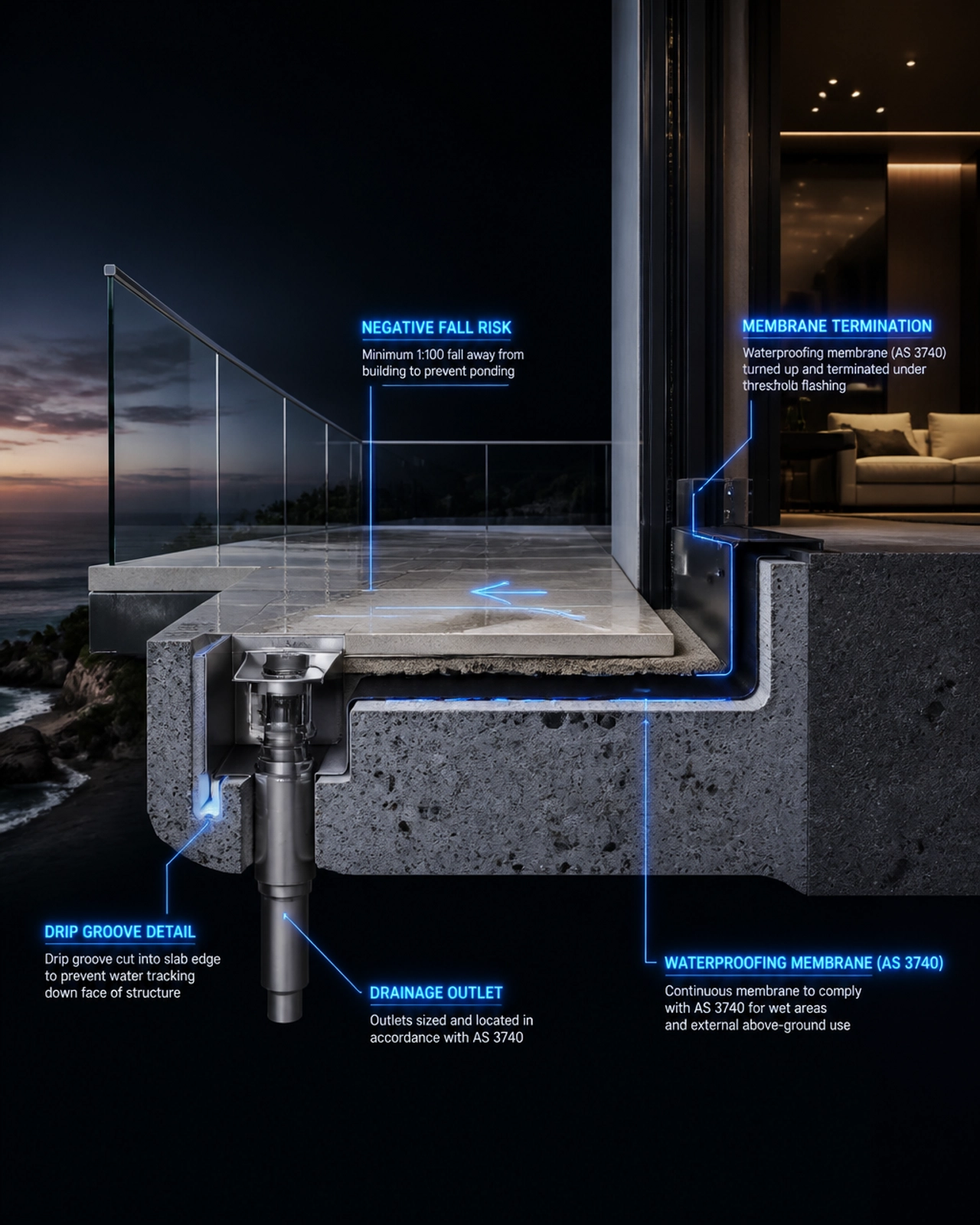
Strength grade is a proxy for density. High-strength concrete (N40+) has a lower water-cement ratio, creating a denser matrix that slows chloride ion diffusion. However, the density of the concrete is only as good as its curing protocol.
Uncured concrete develops high capillary porosity, essentially creating "highways" for salt and moisture to reach the steel reinforcement. Forensic standards require:
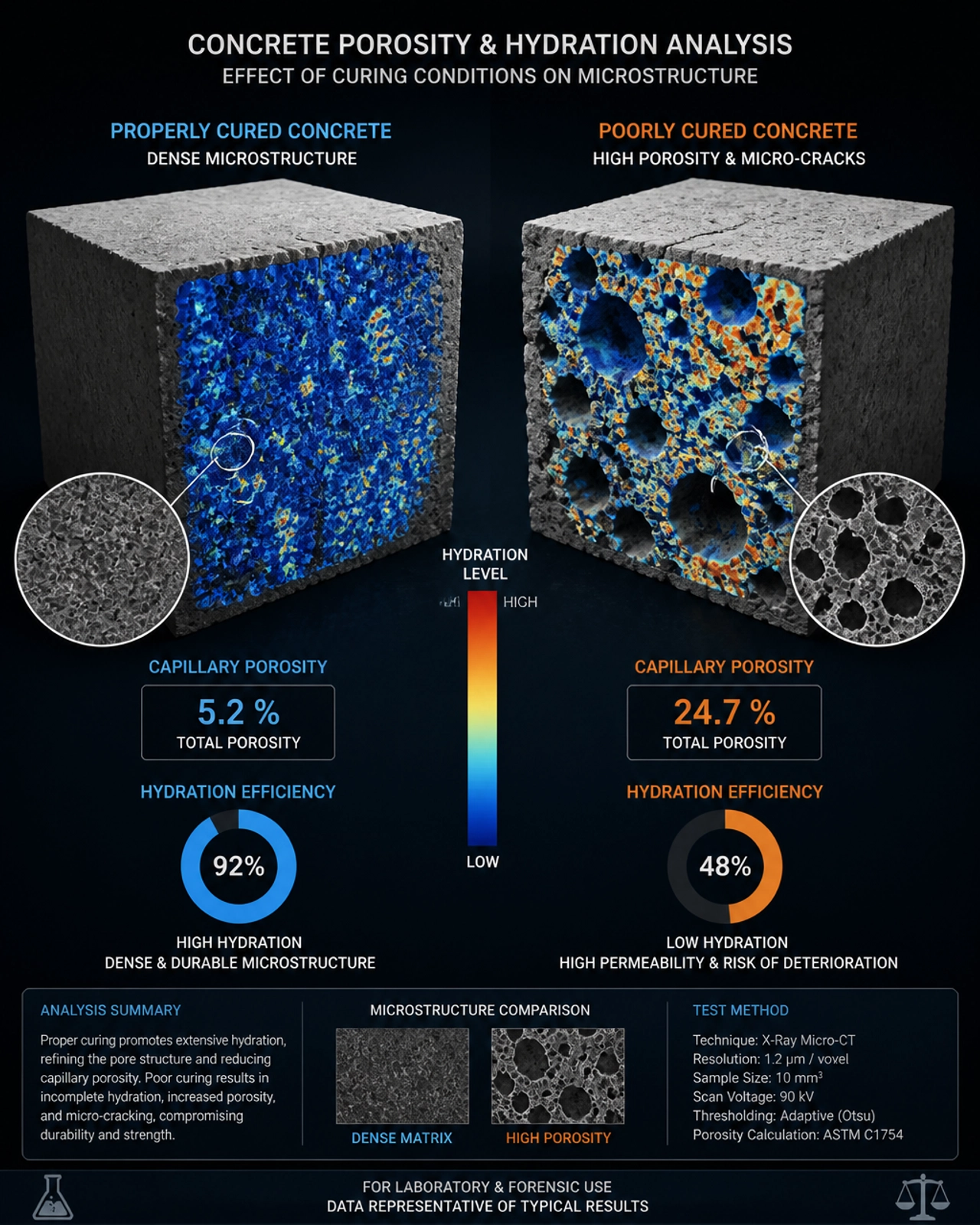
Concrete cancer frequently originates at the interface of different building elements. A failure in the waterproofing membrane (AS 3740) or a poorly detailed drainage fall leads to ponding water. In a coastal environment, this water is a concentrated brine.
Under NCC Spec 26, waterproofing is no longer just about preventing leaks into the room below; it is a structural protection layer. We advocate for:
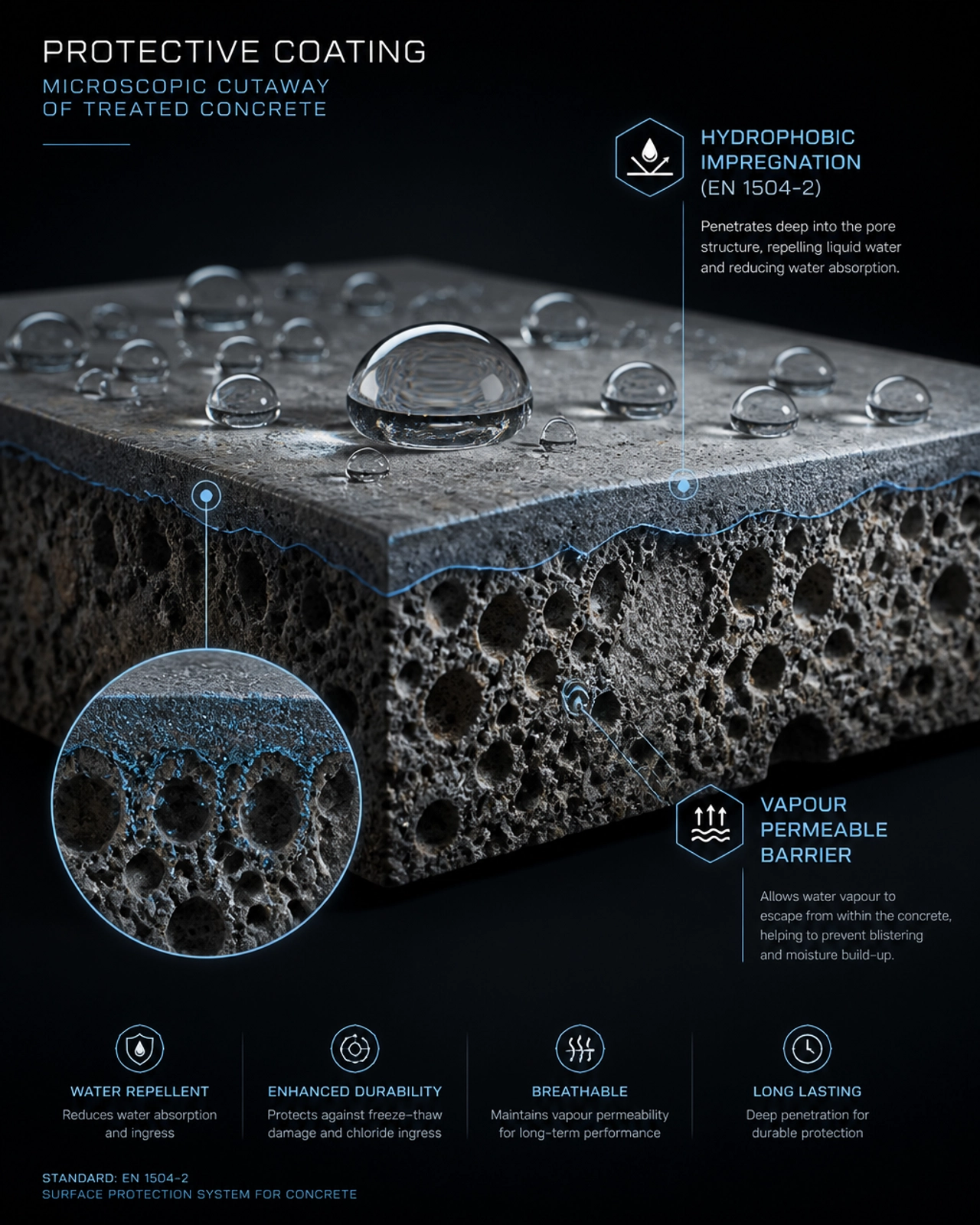
For projects in extreme coastal strips, we specify protective coatings under EN 1504-2. Hydrophobic impregnations (such as silanes or siloxanes) penetrate the concrete surface to create a water-repellent zone while remaining vapour-permeable.
Crucially, Shoal Bay Projects enforces a Zero-Substitution Protocol. In the current supply chain climate, builders often face pressure to substitute specified high-durability mixes or specialist coatings for "equivalent" products. In a forensic context, there is no such thing as an equivalent that hasn't been tested against the specific exposure class of the site.
The gap between a compliant design and a durable structure is where most risk resides. Shoal Bay Projects acts as the forensic bridge, ensuring that the structural intent of AS 3600 is not lost during site execution. We interpret the friction points between the Building Certifier’s structural requirements and the Builder’s on-site reality, providing the technical intelligence to prevent legal and financial disasters.
Before you pour, ensure your project is shielded by more than just luck. Explore our deeper resources and join the professional community focused on high-level construction compliance.
⚠️ The image in this post is used for illustration purposes only, designed to encourage thoughtful discussion. It is not intended to represent a prescriptive detail of any installation or construction method.