Construction
Jul 2, 2026
Performance Solutions Vs DTS: Which Is Better For Your High-End Residential Project?
Performance Solutions Vs DTS: Which Is Better For Your High-End Residential Project?

Performance Solutions Vs DTS: Which Is Better For Your High-End Residential Project?
When you are investing in a high-end residential build, the standard "off-the-shelf" compliance pathways often fail to keep up with the architectural vision. Whether it’s an expansive wall of glass overlooking the coast or a complex structural cantilever, the National Construction Code (NCC) offers two primary ways to prove your project is safe, functional, and compliant: Deemed-to-Satisfy (DTS) and Performance Solutions.
Choosing the wrong pathway early in the design phase can lead to significant cost blowouts, compromised aesthetics, or: worst of all: regulatory hurdles that stall your project at the final hurdle. At Shoal Bay Projects, we focus on the strategic advisory required to navigate these choices, ensuring your project meets both your expectations and the Australian Standards.
The Deemed-to-Satisfy (DTS) pathway is the most common method of compliance. It relies on a set of prescriptive rules found within the NCC and referenced Australian Standards. Think of it as a cookbook: if you follow the recipe exactly, the regulator "deems" that your building satisfies the mandatory Performance Requirements.
For a standard residential build, DTS is often the path of least resistance. It provides certainty for builders and building surveyors because the requirements are black and white.
However, for high-end projects, DTS can be a cage. It doesn't handle "special" very well. If your design includes double-height voids or glazing ratios that exceed the standard allowances, the DTS "recipe" might force you to install clunky shading or thicker walls that ruin the architectural intent.

A Performance Solution (formerly known as an Alternative Solution) is any compliance pathway that does not follow the prescriptive DTS provisions. Instead, it demonstrates through evidence and expert analysis that the building meets the NCC's high-level Performance Requirements.
In the luxury market, this is often where the magic happens. Performance Solutions allow architects to push boundaries that would be impossible under a strict DTS regime.
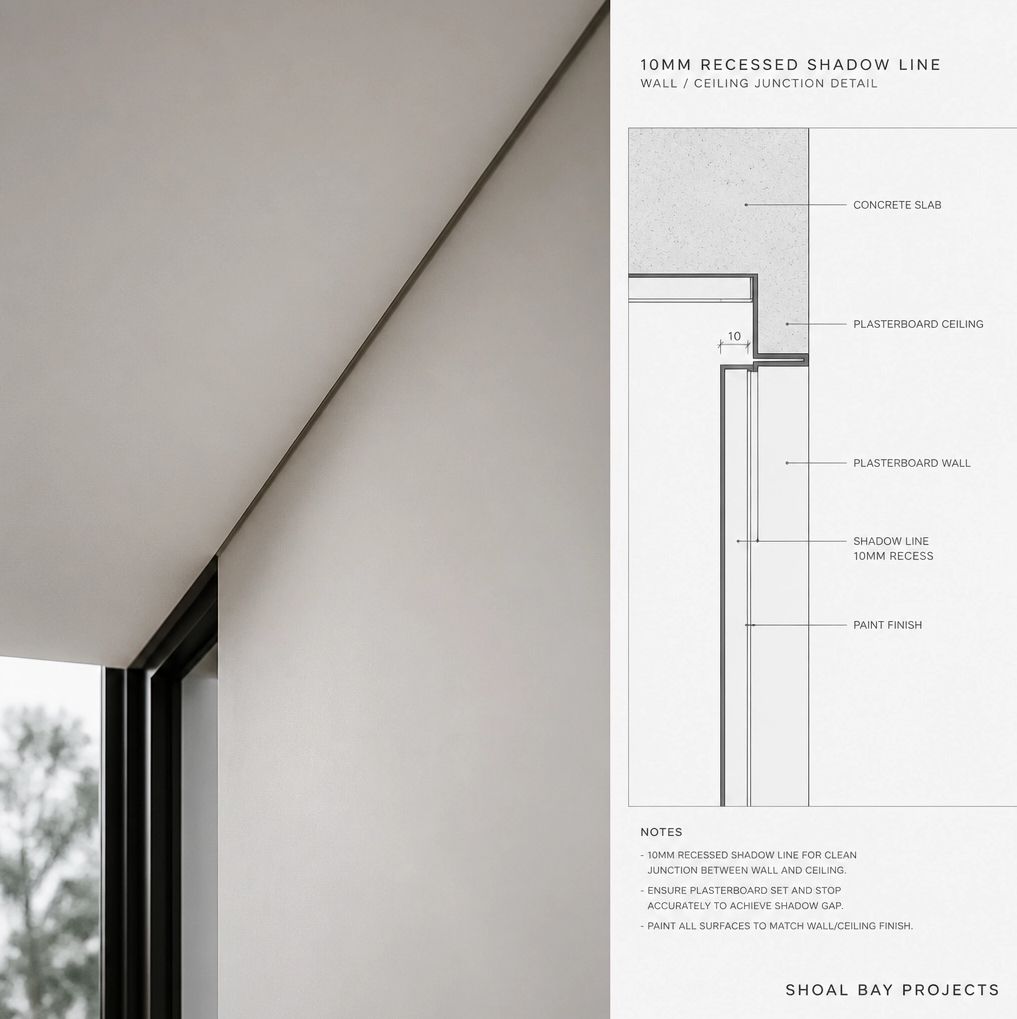
One of the most frequent battles in high-end residential construction is between "The View" and "The Code." High glazing-to-wall ratios are a hallmark of modern luxury, but they are the natural enemy of thermal efficiency.
Under a DTS pathway, you might be told you "can't have that much glass" without massive external shutters or specific, tinted glass that changes the look of the home. By opting for a Performance Solution, we can look at the building as a holistic system. We might prove that by increasing the airtightness of the building or using high-performance triple-glazing (compliant with AS 1288), we can maintain the massive windows without sacrificing comfort or compliance.
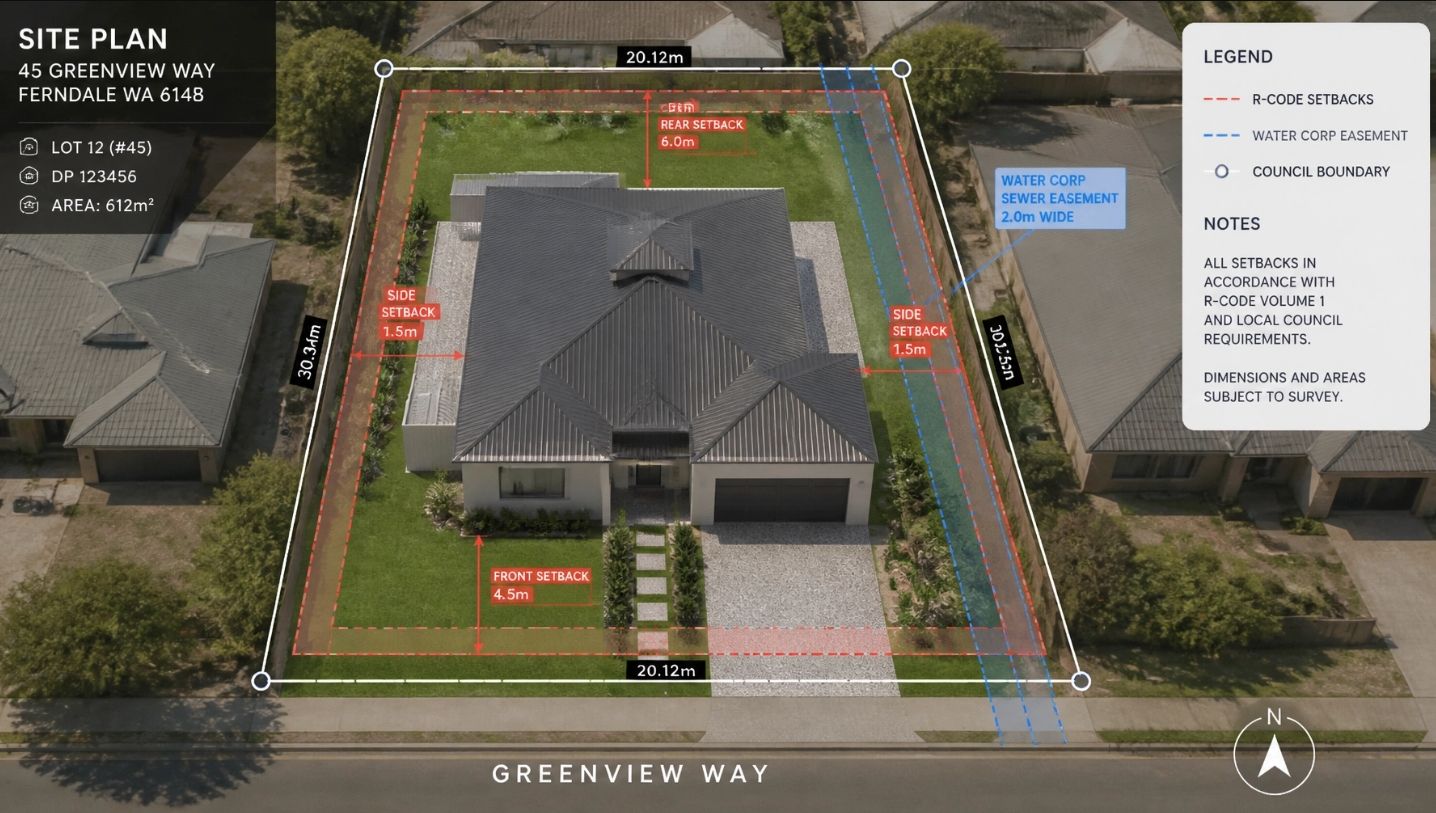
Before deciding on a compliance pathway, a thorough understanding of the site constraints is essential. Setbacks, easements, and zoning often dictate where a building can sit, which in turn affects orientation and energy performance.
A detailed site plan overview: like the one below: is the first step in determining whether a DTS approach is even feasible. If a house must be oriented poorly due to land constraints, a Performance Solution is often the only way to claw back the energy efficiency required to meet modern standards.
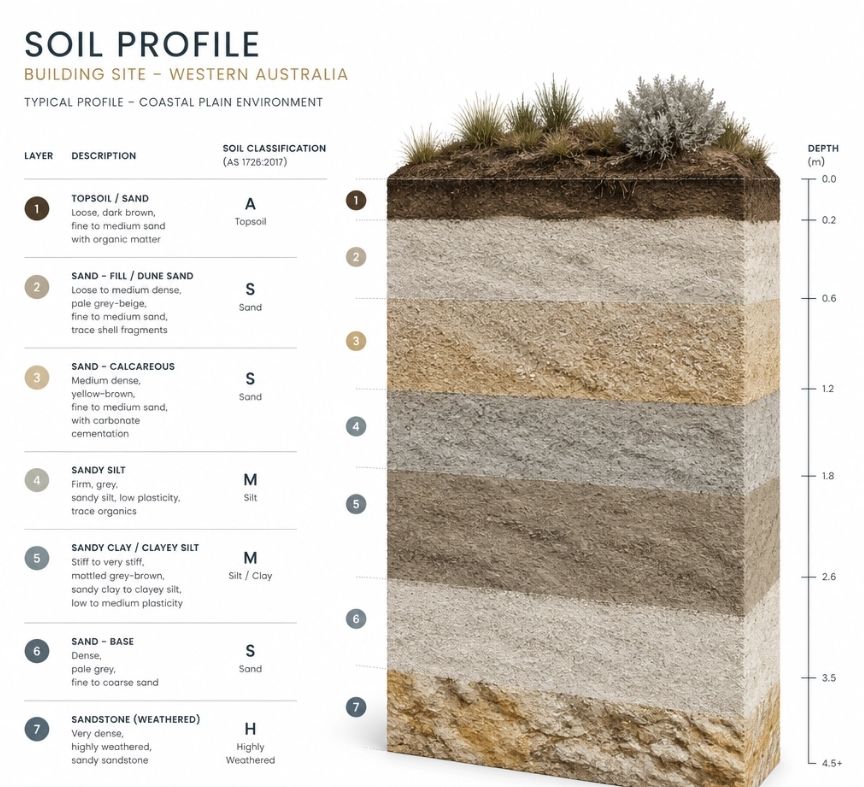
The flexibility of a Performance Solution comes with a higher administrative burden. Under NCC Clause A5, any Performance Solution must be supported by "Evidence of Suitability." This typically involves:
Check the documentation early. If your builder or architect suggests a Performance Solution but hasn't budgeted for the technical reports to back it up, you are looking at a major risk during the building approval (BA) stage.
So, which is better?
Choose DTS if: Your project is relatively conventional, your glazing is within reasonable limits, and you want to keep professional consulting fees to a minimum. It is the safe, predictable choice for many custom builds.
Choose a Performance Solution if: The design is the priority. If the architectural vision involves "impossible" structures, massive glass façades, or innovative materials, the investment in a Performance Solution will pay for itself by protecting the integrity of the design.
At Shoal Bay Projects, we don't just "check boxes." We provide the strategic advisory needed to weigh these two pathways against your project’s goals. We help residential builders and homeowners interpret compliance requirements before the first brick is laid.
Don't let compliance be an afterthought. Whether you are aiming for a 7-star NatHERS rating or a complex structural masterpiece, the right pathway makes all the difference.
Building a high-end home shouldn't feel like a constant battle with regulations. We invite you to explore "The Hive," our community hub designed for builders and homeowners who want to stay ahead of the curve in construction compliance and strategic planning.
Check out our community hub here: Welcome to the Hive
Join us in The Vault to access more technical guides and advisory resources tailored for the Australian residential market.
Phone: +61 8 6149 7396