Construction
Jul 2, 2026
Performance Solutions vs DTS - Mastering Compliance
Performance Solutions vs DTS - Mastering Compliance

Performance Solutions vs DTS - Mastering Compliance
In the world of custom residential construction, the path to compliance is rarely a straight line. If you are building a standard "off-the-plan" home on a flat suburban lot, the Deemed-to-Satisfy (DTS) provisions of the National Construction Code (NCC) are your best friend. They offer a prescriptive "cookbook" approach: follow the recipe, and you’re compliant.
However, once you step into high-end custom builds: featuring expansive cantilevers, floor-to-ceiling glass, or innovative materials: the DTS cookbook often runs out of pages. For custom homes, the DTS pathway can also start to feel like a rigid loop, where every design move pushes you back into prescriptive rework rather than forward into project resolution. This is where Performance Solutions become the strategic tool of choice for builders and consultants.
At Shoal Bay Projects, we specialize in navigating this regulatory divide. Understanding when to stick to the prescriptive path and when to engineer a bespoke compliance strategy is the difference between a project that stalls at the building permit stage and one that sets a new benchmark for quality.
Compliance with the NCC is mandatory, but the method of achieving it is flexible. Under the Governing Requirements of the NCC 2022, there are two primary pathways to compliance:
DTS provisions are the prescriptive requirements laid out in the NCC. They describe exactly how a building must be designed and constructed. For example, AS 1684 (Residential timber-framed construction) provides specific span tables and tie-down requirements. If you follow those tables exactly, the building is "deemed" to satisfy the safety requirements of the code.
A Performance Solution is a unique method of complying with the Performance Requirements of the NCC. Instead of following the prescriptive recipe, you prove that your "bespoke recipe" achieves the same (or better) level of safety, health, and amenity as a DTS solution.

Following the 2019 and 2022 updates to the NCC, the process for developing a Performance Solution has become strictly regulated. You can no longer just "get an engineer to sign it off" at the end of the build. According to the ABCB Performance Solution Process Handbook, there is a mandatory four-step pathway:
Before the design is finalized, all stakeholders (builder, consultant, building surveyor, and owner) must agree on the pathway. The PBDB defines what the performance solution is trying to achieve and how it will be measured.
This is where the heavy lifting happens. Using Assessment Methods: such as Expert Judgement, Evidence of Suitability, or Verification Methods: the proposed solution is tested against the NCC Performance Requirements.
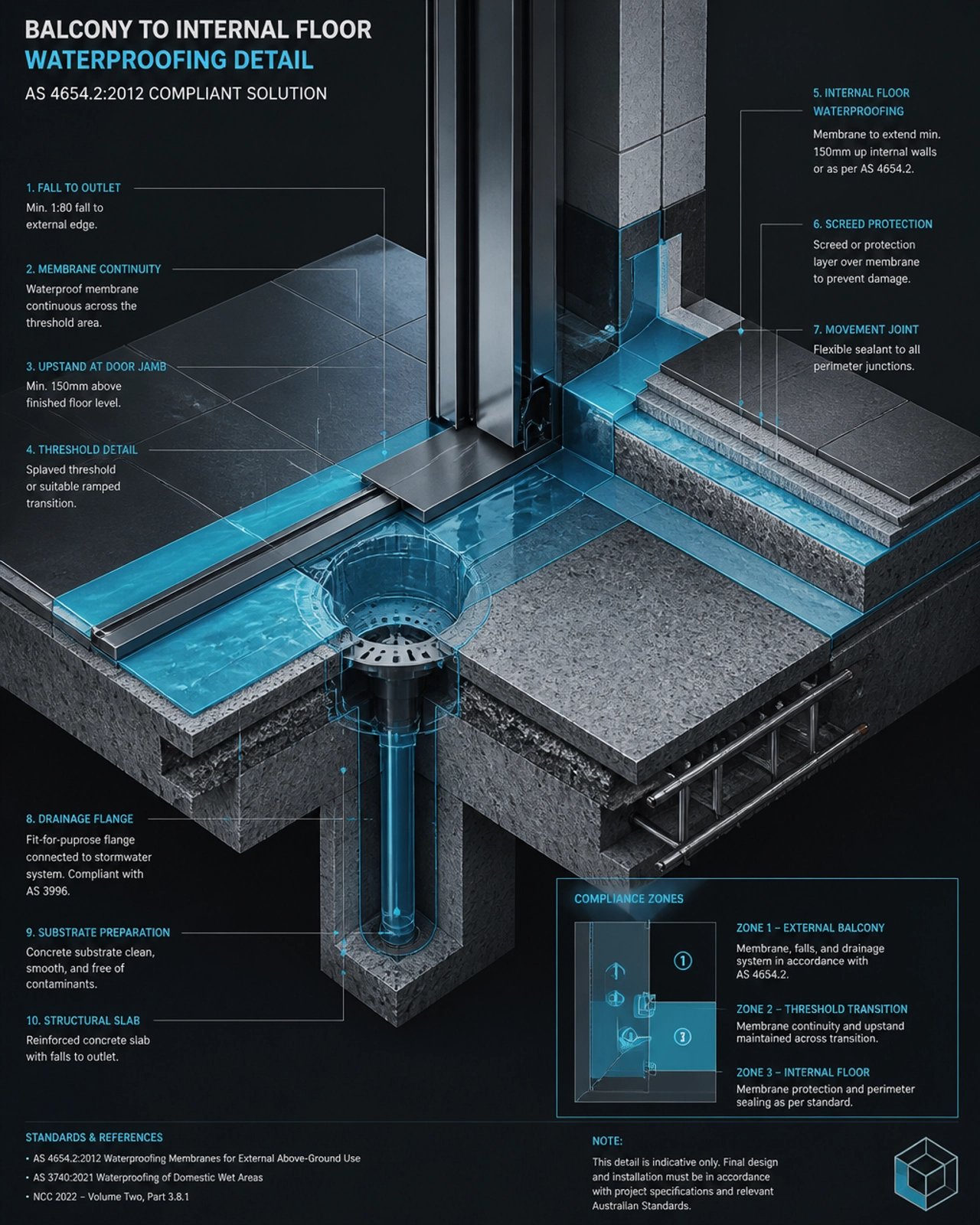
The data from the analysis is compared against the acceptance criteria agreed upon in the PBDB. Does the custom waterproofing detail for that recessed balcony really prevent moisture ingress as effectively as AS 3740?
A comprehensive report is issued that identifies the Performance Requirements met, the Assessment Methods used, and any limitations or conditions of the solution. This becomes a permanent part of the building’s compliance record.
Perhaps the most common trigger for a Performance Solution in 2026 is the NCC 2022 Energy Efficiency requirements. With the national move to a mandatory 7-star NatHERS thermal performance rating and the new Whole-of-Home Annual Energy Use Budget, many custom designs struggle to comply via the DTS pathway.
If a design features massive glazed areas facing West (to capture a view) or lacks the required insulation space in a slimline roof, a Verification Using a Reference Building (VURB) method is often employed. This is a Performance Solution where a computer model compares the "Proposed Building" against a "Reference Building" that perfectly meets DTS standards. If the proposed building uses less energy, it passes.
Check your thermal modelling early. Waiting until the slab is poured to realize your glazing doesn't comply is a recipe for a budget blowout.
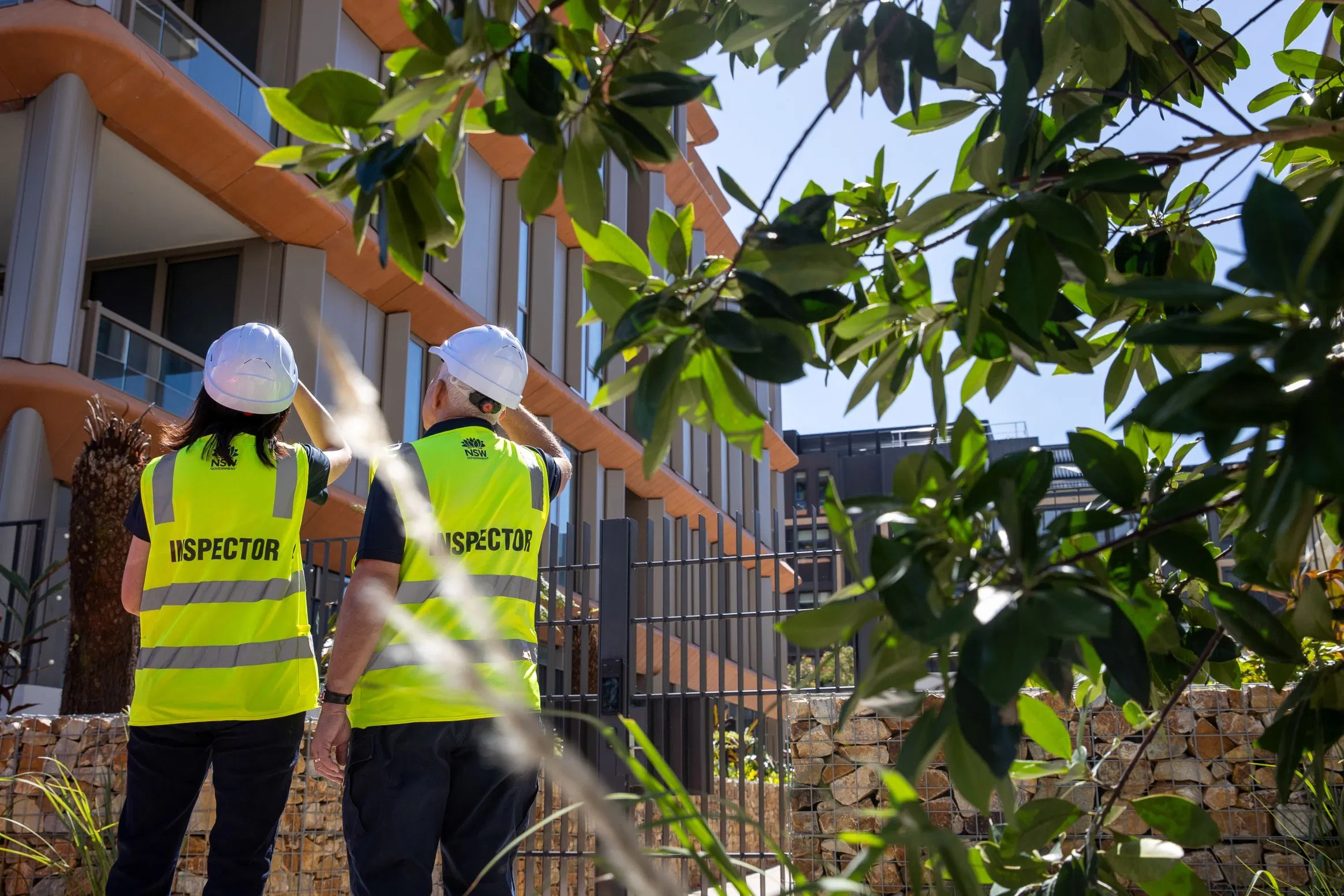
Navigating the gap between "good design" and "compliant design" is where most project friction occurs. For medium to high-end residential builders, especially those delivering custom homes through the NSW approval environment, a failed compliance check doesn't just mean a delay; it means reputational damage and potential legal disputes.
Document every decision. If you are deviating from the DTS provisions, ensure the PBDB is signed off before you order materials. Specify the expectations in your contracts and verify that the site team understands the difference between a standard build and a performance-based one.
At Shoal Bay Projects, we bridge the gap between the building code and the construction site. Our advisory services ensure that your custom projects are not only architecturally stunning but fully aligned with the regulatory landscape of the NCC.
If you’re looking for a deeper dive into the technicalities of the NCC, Australian Standards, and the latest in construction advisory, we invite you to explore our community.
Welcome to the Hive – Join the Community
Explore the Vault for structured compliance guides, technical deep-dives, and the tools you need to protect your projects, your profit, and your reputation.
Compliance shouldn't be a hurdle; it should be a framework for excellence. By mastering the balance between DTS and Performance Solutions, you ensure your custom builds are as durable as they are beautiful.