Construction
Jul 2, 2026
NZ Building Compliance 2026: Meth Testing, Liability Reform & Risk Strategy
NZ Building Compliance 2026: Meth Testing, Liability Reform & Risk Strategy

NZ Building Compliance 2026: Meth Testing, Liability Reform & Risk Strategy
The landscape for residential developers and landlords in New Zealand is shifting beneath our feet. As we move through 2026, the intersection of legislative reform and technical compliance has created a high-stakes environment where "getting it wrong" is no longer just a site-level headache: it’s a major financial and legal liability.
With the New Zealand Government actively moving toward proportionate liability and the introduction of mandatory home warranties, the "last man standing" era is coming to a close. This means the burden of risk is being redistributed, and for the savvy developer or property investor, your strategic risk management must evolve to keep pace.
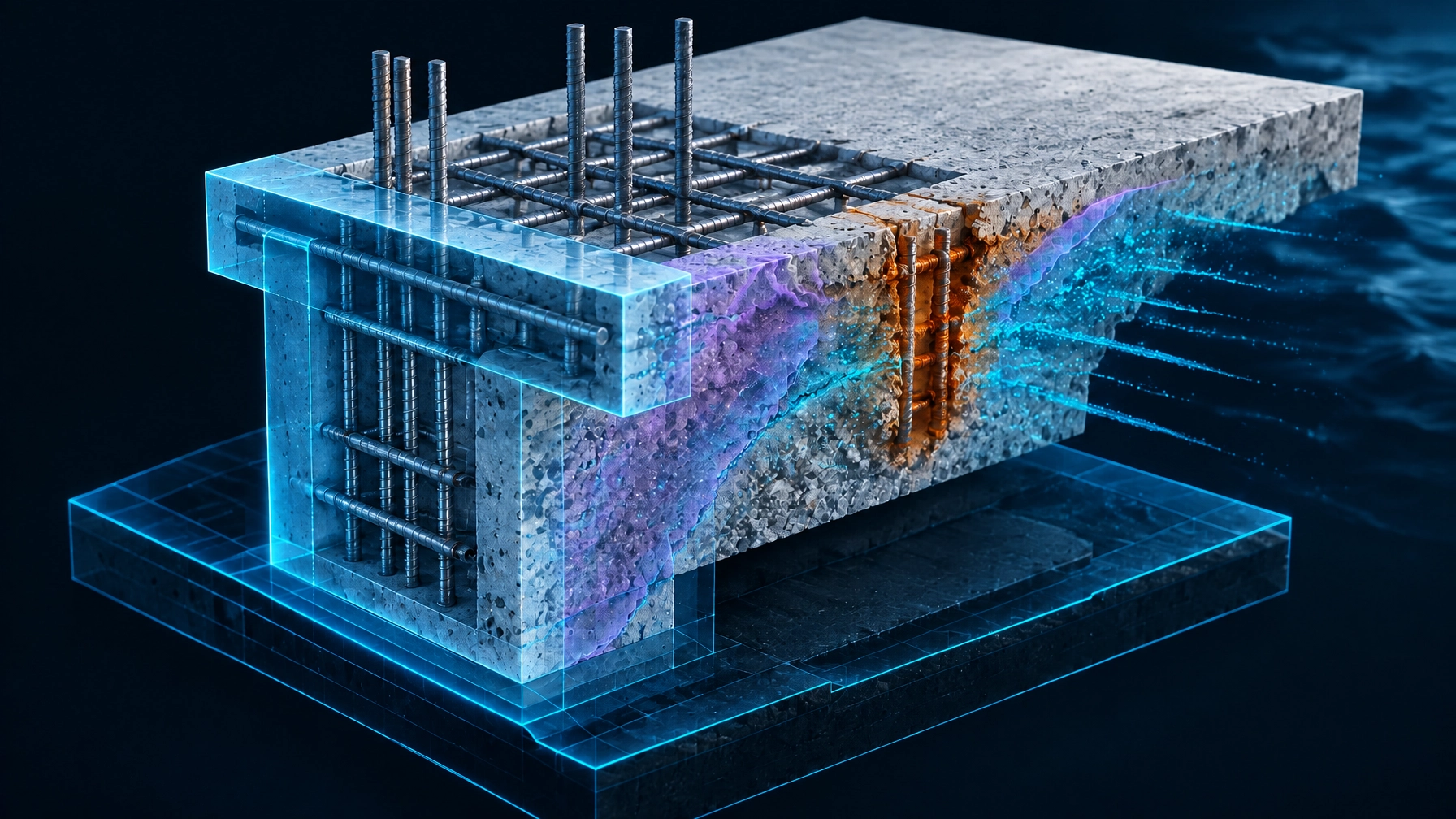
For decades, the "joint and several liability" model has been the bane of councils and solvent building contractors. Under this old system, if a building defect was found and three parties were responsible: but two were insolvent: the remaining party (often the local council or the lead developer) could be held liable for 100% of the damages.
In 2026, we are witnessing the implementation of the Building Amendment Bill, which transitions the industry toward Proportionate Liability.
Under the new regime, each party is only liable for the share of the loss attributable to their specific fault. While this sounds like a win for fairness, it introduces a significant "shortfall risk" for building owners. If a sub-contractor responsible for 30% of a defect goes under, the owner may find themselves unable to recover that portion of the loss.
Action items for your 2026 projects:

Methamphetamine contamination remains one of the most contentious issues in the NZ property sector. Whether you are selling a development or managing a rental portfolio, the risk of "P" contamination carries severe health, legal, and financial consequences.
While there is no blanket statutory requirement to test every single property before sale or lease, your "duty of care" under the Residential Tenancies Act (RTA) and the Real Estate Agents Act (REAA) effectively makes testing a non-negotiable step in your risk management strategy.
All testing and decontamination in New Zealand should be conducted in strict accordance with NZS 8510:2017. This standard provides the benchmark for sampling protocols, laboratory analysis, and acceptable contamination thresholds.
For Landlords:
The RTA requires you to provide a "reasonably clean" and safe premises. If a tenant moves in and later discovers contamination, you could be liable for significant damages and rent refunds.
For Developers & Sellers:
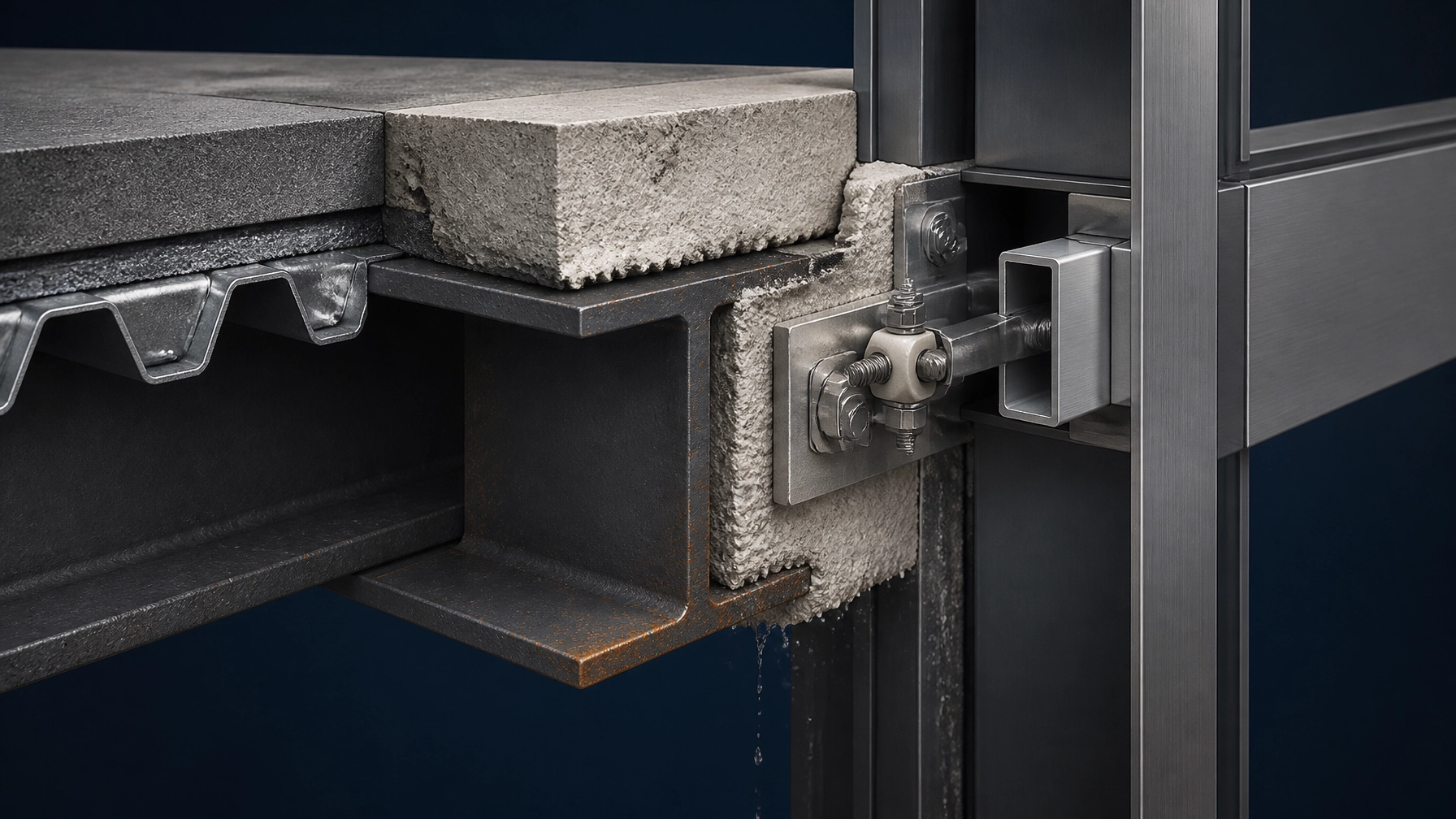
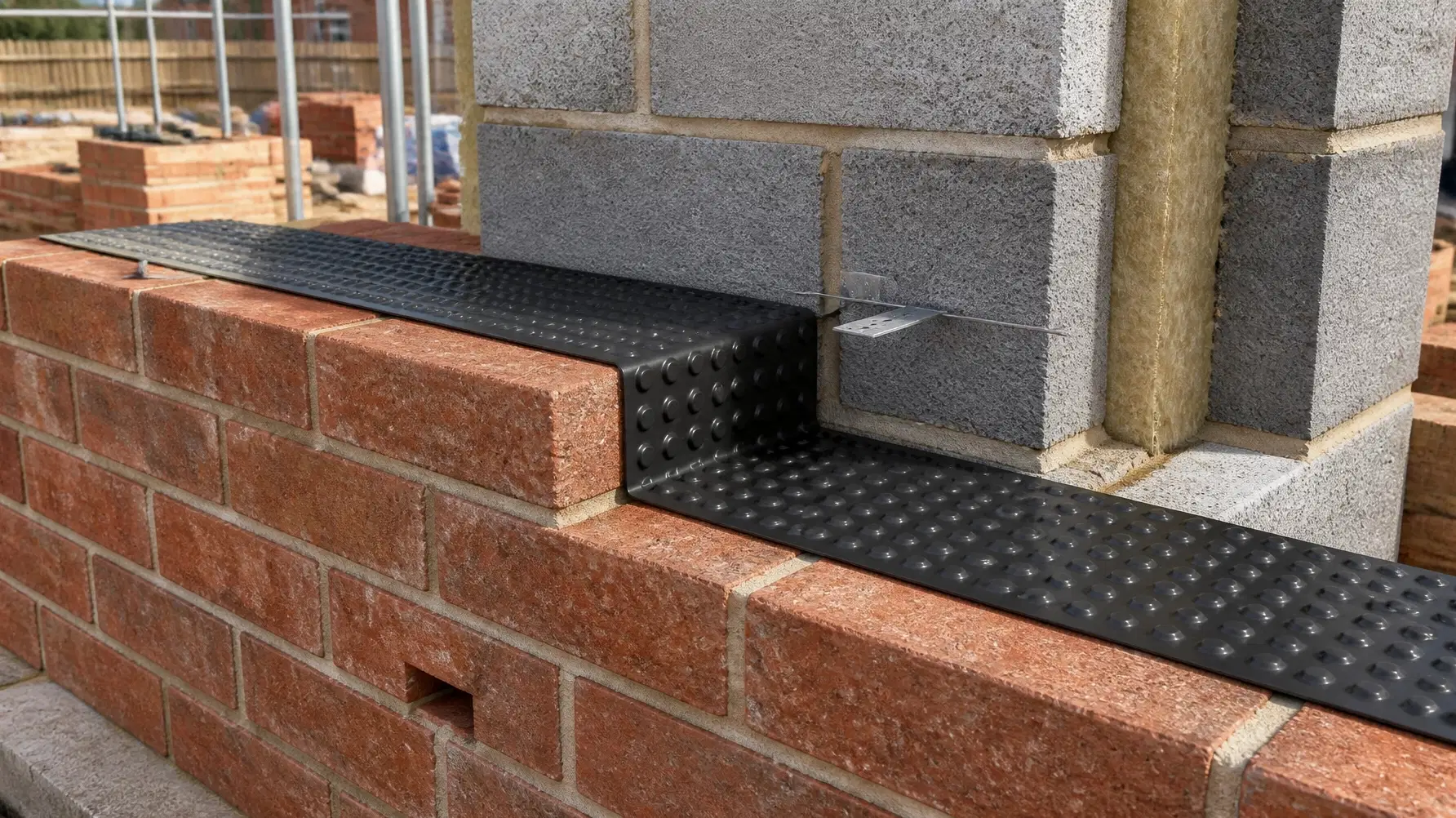
Weathertightness remains the single biggest technical risk in the New Zealand building industry. The Acceptable Solution E2/AS1 is your primary roadmap for ensuring your building envelope survives the Kiwi climate.
As we move into 2026, the focus has tightened on "high-risk" cladding systems and the transition to mandatory cavity systems.
Don't let your project become the next "leaky home" headline. Focus on these three critical areas:
Audit your site:
Compliance is not a "once-and-done" checkbox; it is a continuous process of advisory and oversight. For residential developers and landlords, your strategy should move away from reactive fixes toward proactive risk mitigation.
At Shoal Bay Projects, we specialize in high-level building consultancy that bridges the gap between technical standards and practical project delivery. Whether you are navigating the new proportionate liability laws or ensuring your latest development meets the rigorous E2/AS1 standards, our focus is on protecting your reputational and financial integrity.
Checklist for Residential Developers:
Staying ahead of the curve in the construction industry requires more than just reading the latest updates; it requires a community of like-minded professionals sharing insights and best practices.
Explore our hub for deeper dives into compliance, risk management, and construction advisory. Check out the link below to get started.
Watch: Welcome to the Hive
By focusing on technical accuracy, citing the correct standards: from NZS 8510:2017 for meth testing to E2/AS1 for weathertightness: and preparing for the shift to Proportionate Liability, you can ensure your New Zealand residential projects remain compliant, profitable, and protected in 2026 and beyond.