Construction
Jul 2, 2026
Lab Entry 06: Embodied Carbon Forensic Cost
Lab Entry 06: Embodied Carbon Forensic Cost

Lab Entry 06: Embodied Carbon Forensic Cost
In the current landscape of June 2026, the construction industry has reached a tipping point. Carbon is no longer an environmental "extra": it is a forensic liability. With the full implementation of the National Construction Code (NCC) 2025 standards and the now-mandatory NABERS Embodied Carbon Rating, the cost of a building is no longer measured solely in AUD, but in kilograms of CO2 equivalent (kgCO2e).
At Shoal Bay Projects, we treat carbon with the same forensic rigor as a structural defect. If you cannot measure the embodied carbon of your build, you cannot manage your project’s compliance, risk, or ultimate value. This is the new reality of the Digital Forensic Lab: calculating the forensic cost of construction through a Life Cycle Assessment (LCA).
As of early 2026, the industry has transitioned away from "green-washing" toward hard data. The voluntary standards introduced in previous years have been replaced by a "de facto" mandatory requirement for Tier 1 and mid-tier residential builders.
The NABERS Embodied Carbon Rating now requires a verified Bill of Quantities (BoQ) to accompany every major project submission. This isn't just about choosing "green" materials; it’s about the forensic verification of every element in the supply chain.
Government tenders and high-end residential contracts now operate under the "If Not, Why Not" framework. If you are not specifying low-carbon alternatives (such as fly-ash concrete blends or sustainably sourced mass timber), you must provide a forensic justification for that decision. Failure to document this can lead to project delays, loss of funding, or regulatory penalties under the updated sustainability SEPPs (State Environmental Planning Policies).
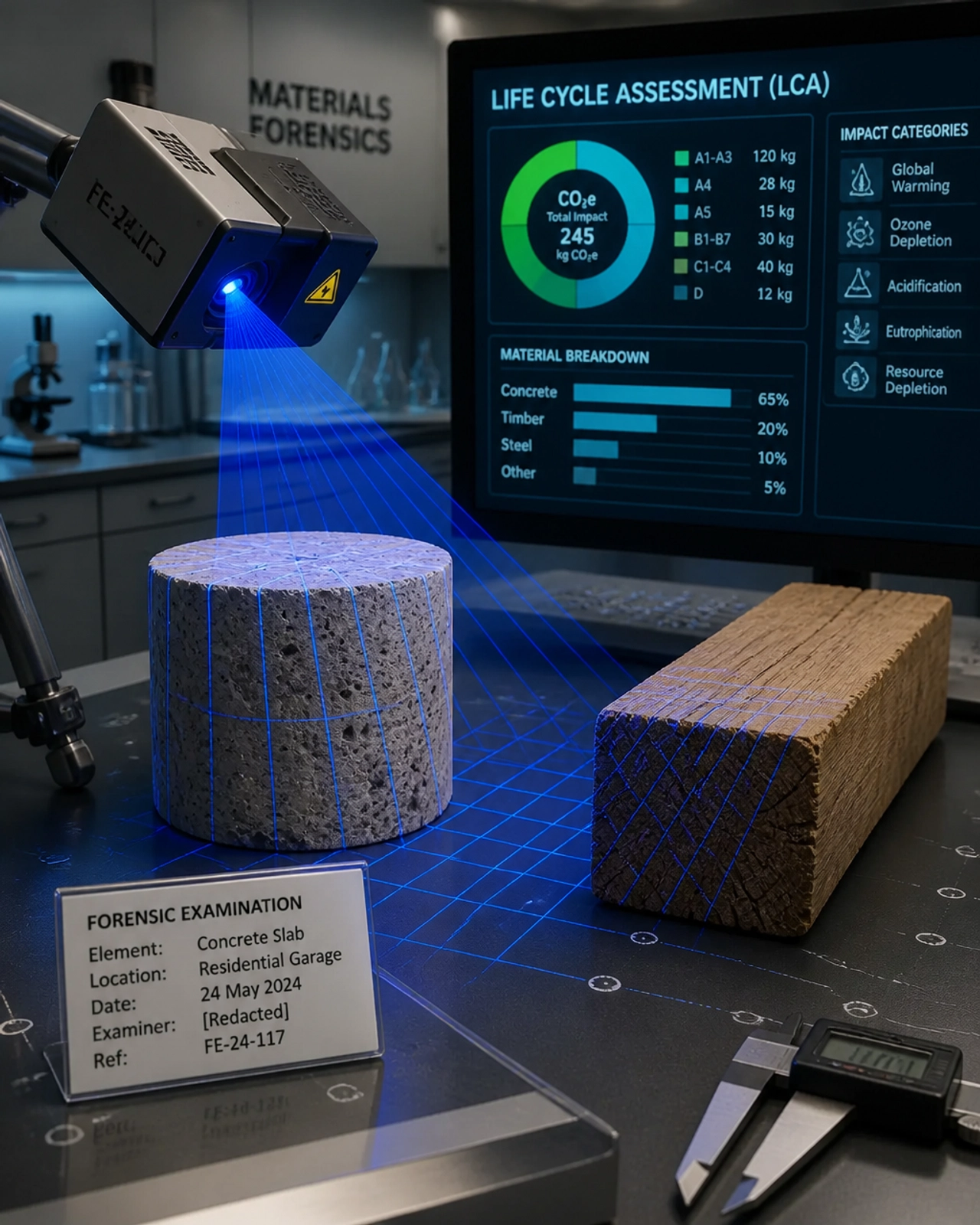
To calculate the forensic cost of carbon, we utilize the EN 15978 framework (the international standard for the environmental performance of buildings). This methodology breaks a building's life down into distinct modules. In the Digital Forensic Lab, we scrutinize three primary stages:
This is the "upfront carbon." It covers everything from raw material extraction to manufacturing.
This covers the transport of materials to the site and the energy used during construction.
What happens when the building is eventually decommissioned?
In our lab, we don't guess: we audit. A forensic carbon audit involves cross-referencing your project's material schedule against the Australian Life Cycle Inventory (AusLCI) database.
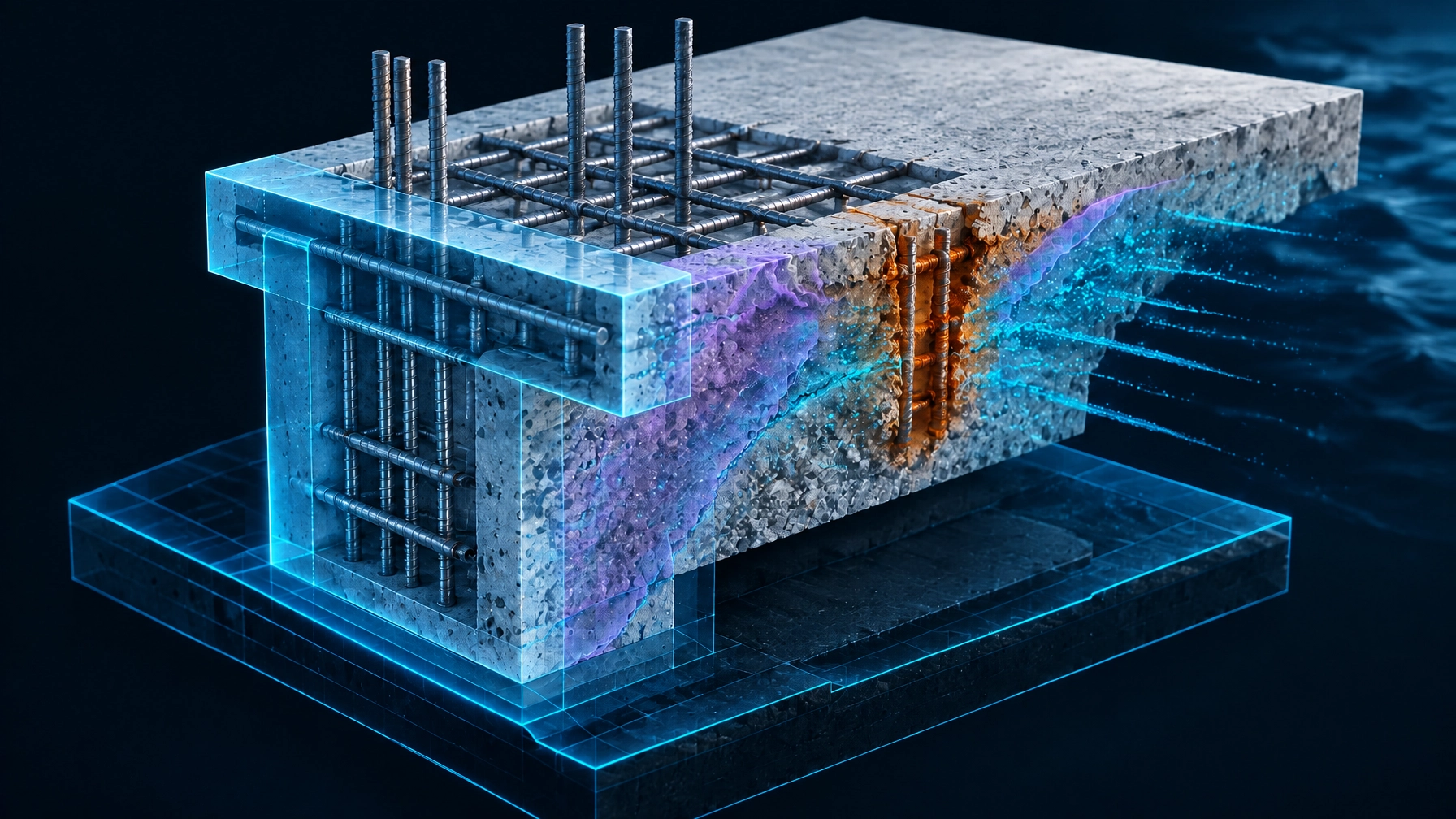
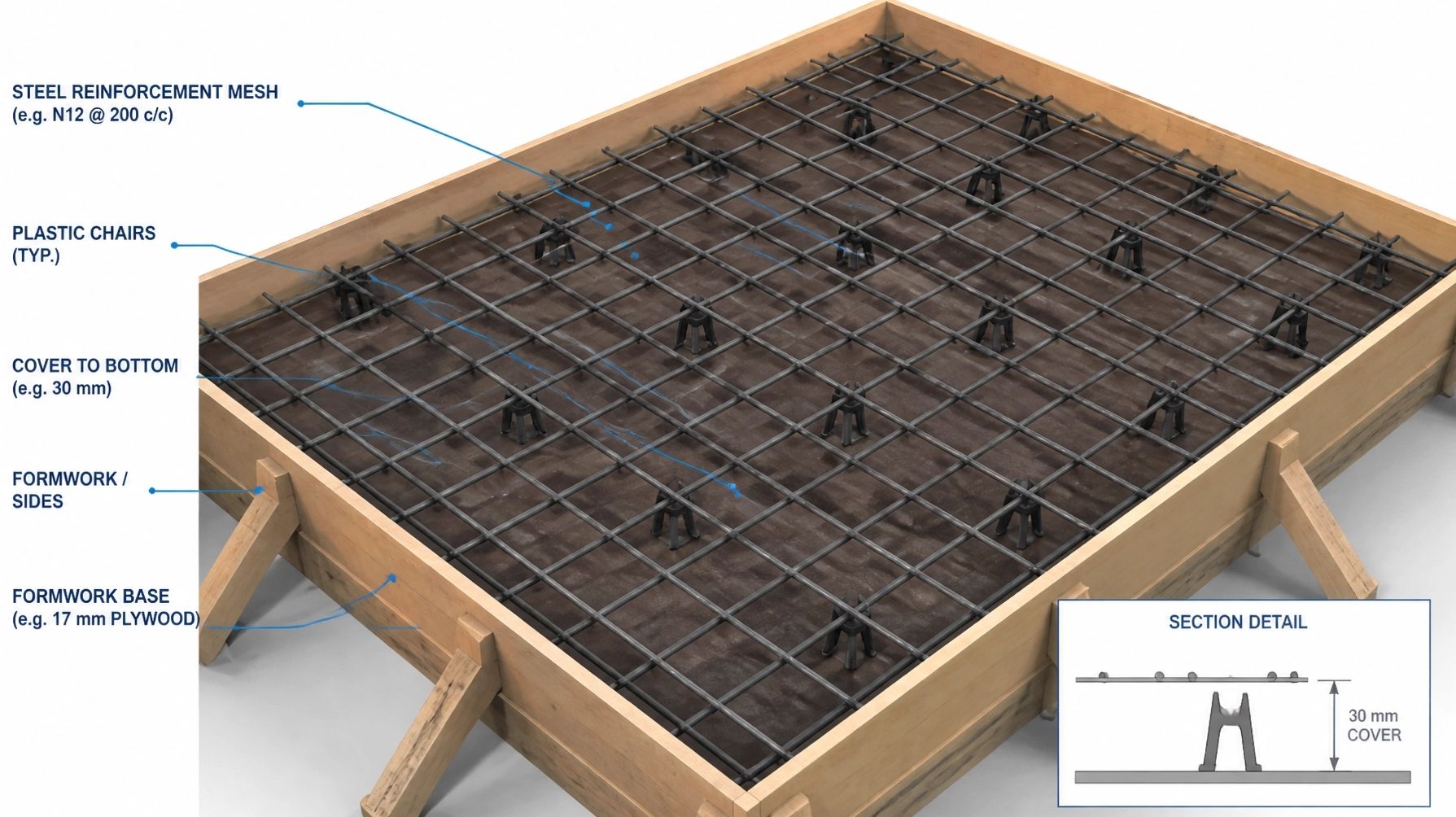
When we look at a reinforced concrete slab, we aren't just seeing N12 mesh at 200 c/c and 30mm cover (as per AS 3600 - Concrete structures). We are seeing a carbon profile.
If your documentation doesn't show these details, your carbon calculation is incomplete, and your project's forensic cost remains unknown.
To navigate this high-stakes environment, builders and homeowners must adopt an advisory-led approach:

For those who operate at the top tier of the industry, the "Hive Vanguard" is our exclusive intelligence tier within The Hive. This is where we share the most advanced forensic data, emerging LCA software tools, and deep-dives into the latest NCC 2025 compliance strategies.
Being a part of the Vanguard means staying ahead of the curve. While the rest of the industry is reacting to carbon regulations, the Vanguard is already optimizing for the 2030 targets.
The construction landscape is changing rapidly. Whether you are a builder navigating new regulations or a homeowner wanting to ensure your legacy project is future-proofed, you need a community of like-minded professionals.
We invite you to explore our community hub and stay informed on the forensic future of construction.
Welcome to the Hive – Watch the Video
The Digital Forensic Lab is more than just a series of articles; it is our commitment to technical excellence and risk management in an era of carbon transparency.
Document your impact. Specify your future. Protect your project.