Construction
Jul 2, 2026
Construction Compliance: Navigating NCC 2026
Construction Compliance: Navigating NCC 2026

Construction Compliance: Navigating NCC 2026
The Australian residential construction landscape in 2026 is no longer just about hammers and nails; it’s about navigating a labyrinth of regulatory frameworks, technical standards, and documentation requirements. If you’ve felt that getting a project out of the ground takes twice as long as it did five years ago, you aren’t imagining it. The National Construction Code (NCC) has grown in complexity, and with that growth has come a corresponding surge in approval delays.
However, there is light at the end of the tunnel. The Australian Government’s NCC Modernisation Project: backed by a 2026 Treasury Interim Report: is specifically designed to strip away the "regulatory friction" that is currently stalling housing delivery.
At Shoal Bay Projects, we operate at the advisory level to help builders and homeowners understand these shifts. Whether you are navigating the transition to NCC 2025 or preparing for the major reforms slated for the late 2020s, understanding the "Compliance 101" of this modernisation project is essential for keeping your project on track.
The NCC is Australia’s minimum technical standard for building safety, health, and sustainability. While these standards are vital, the sheer volume of regulation has reached a tipping point. Industry bodies like the Housing Industry Association (HIA) and Master Builders Australia have consistently argued that the code has become too fragmented and documentation-heavy.
Currently, even a simple residential build can require a mountain of evidence to prove compliance. This "one-size-fits-all" approach means that a small renovation often faces the same administrative scrutiny as a high-end custom home. The result? Bottlenecks at the certification level and a risk-averse culture that penalises innovation.
The NCC Modernisation Project is the federal response to this crisis. Its primary goal is to make the code simpler, more consistent, and: most importantly: cheaper to comply with.
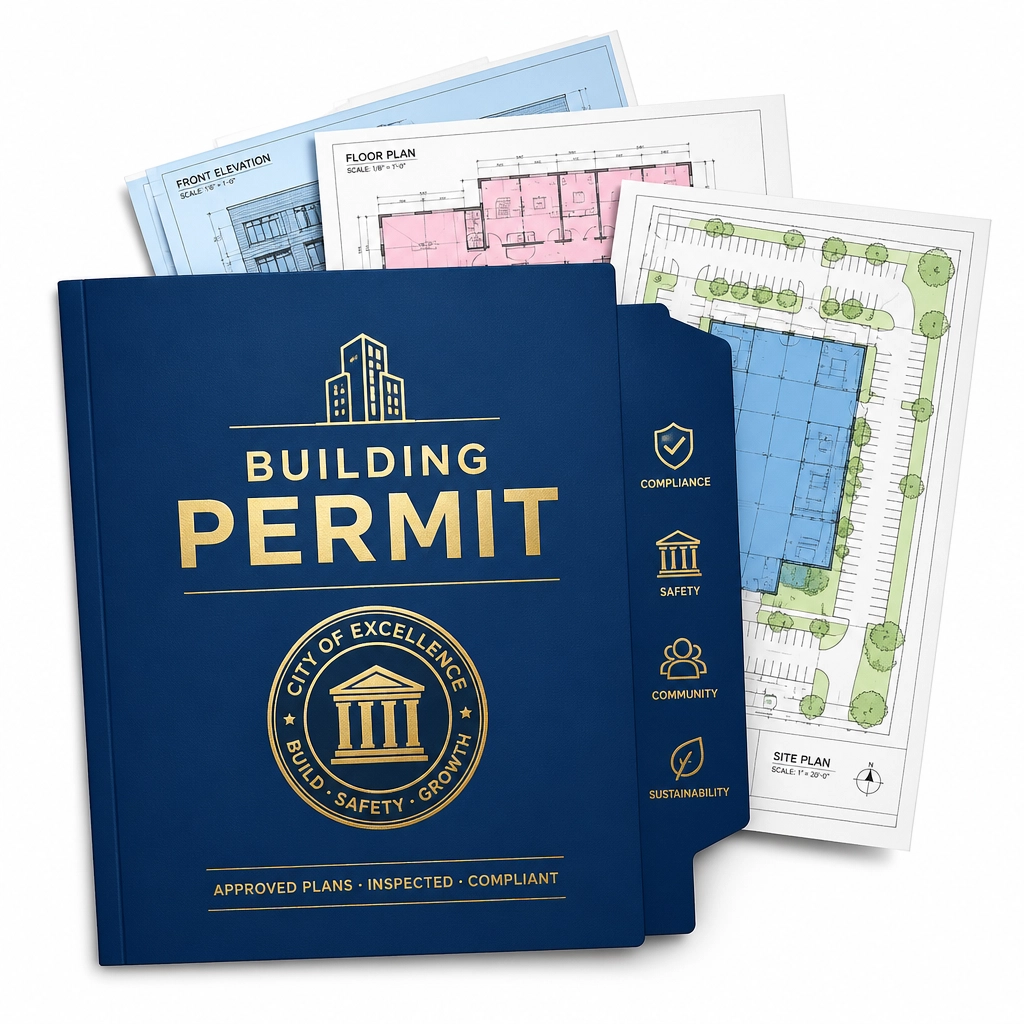
According to the 2026 Treasury Interim Report, the government has identified five core areas where the NCC must evolve to support the national target of 1.2 million new homes.
The code needs to be easier to read. For too long, the NCC has been written in "legalese" that requires a consultant to interpret. The modernization project aims to simplify the drafting and provide better guidance for practitioners. One major pain point is the cost of Australian Standards. Currently, many NCC provisions rely on standards (like AS 1684 for timber framing or AS 3959 for bushfire construction) that require paid access. Reformers are pushing for a model where these essential documents are more accessible to those who need them.
If you build in Perth, the rules should be substantially the same as if you build in Brisbane. Currently, state-specific variations create a "fragmented" market. This forces builders to maintain different supply chains and documentation sets for different regions, driving up costs. The project aims to harmonise these rules so the NCC operates as a truly national code.
Before any new regulation is added to the NCC, it will now undergo more robust financial analysis. The goal is to ensure that new requirements (such as energy efficiency or accessibility standards) don't push the cost of a home beyond the reach of the average Australian without providing a clear, measurable benefit.
The NCC is technically "performance-based," meaning you can achieve compliance through innovative designs rather than just following a "Deemed-to-Satisfy" (DTS) recipe. However, because certifiers and insurers are risk-averse, they often reject performance solutions in favour of the standard DTS path. The modernisation project is creating "streamlined administrative pathways" for proven innovative systems, making it faster to get new building methods approved.
This is perhaps the most critical pillar for residential builders. The project aims to reduce the sheer volume of paperwork required to "prove" a build is safe. By leveraging digital tools and BIM (Building Information Modelling), the vision is for compliance to be checked automatically during the design phase, rather than through a manual, retrospective review that causes late-stage delays.
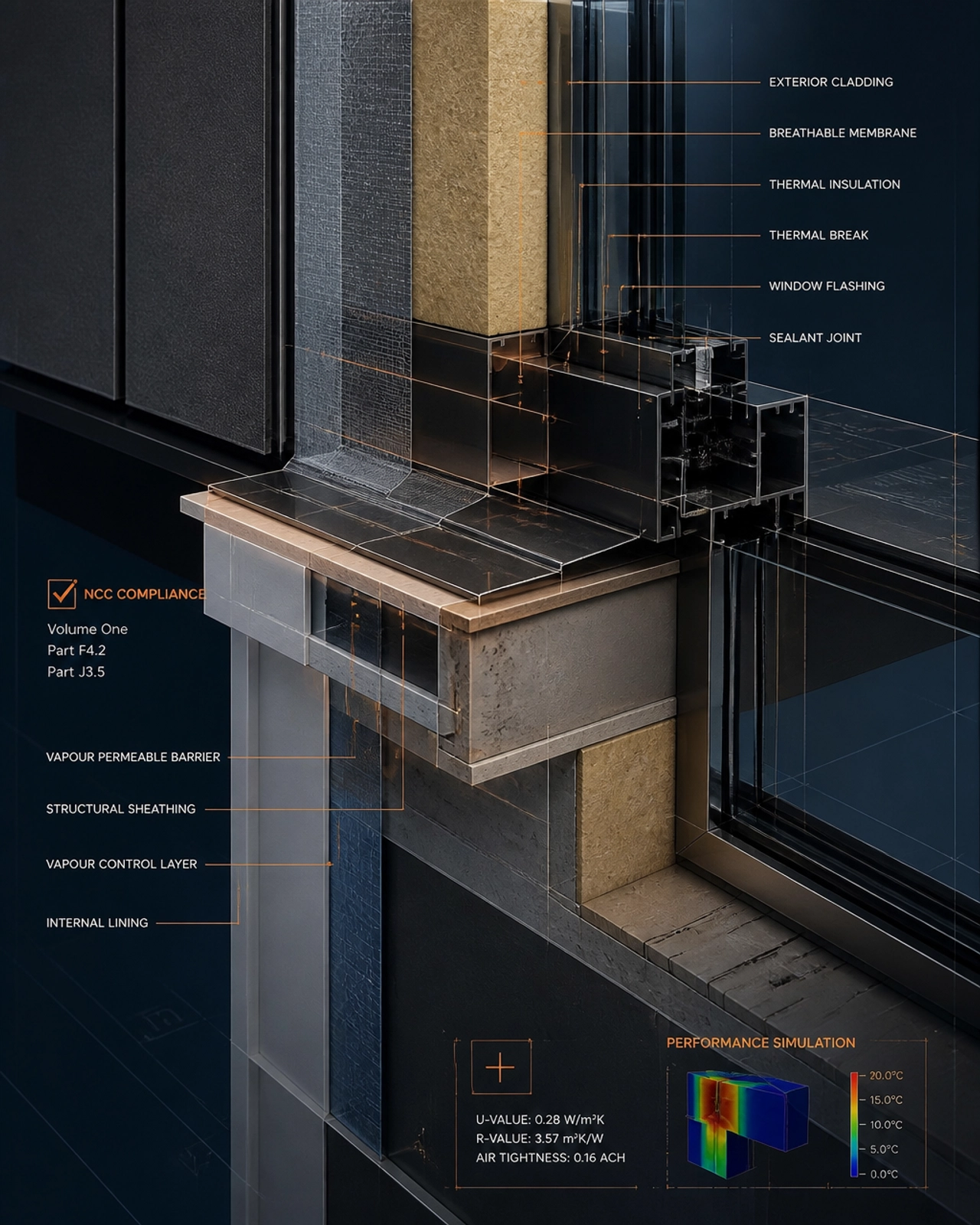
While the modernisation project promises a smoother future, we are currently in a transition period. Approval delays are still a reality. Here is how you can navigate the current climate to protect your project timelines.
Until the tiered assessment frameworks for performance solutions are fully implemented, sticking to DTS provisions remains the fastest route to approval. Certifiers are far more likely to sign off on a design that strictly follows the "recipe book" of the NCC. If you are using a performance solution, ensure you have an independent expert report ready before you submit for approval.
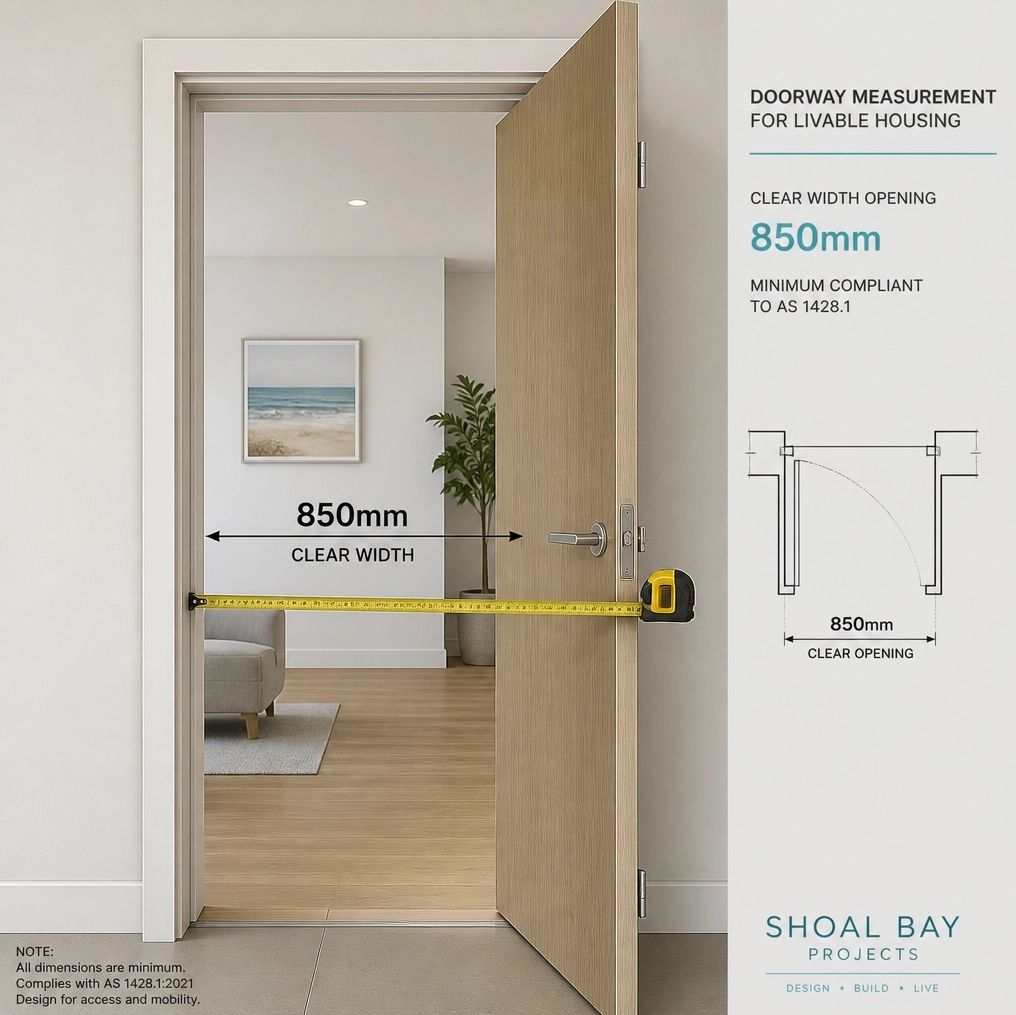
Don't wait for the final inspection to find out your doorways are too narrow or your setbacks are off. Use the current standards as a checklist during the design phase. For example, ensure all "livable" entries meet the AS 1428.1 requirement for a minimum 850mm clear opening. Small oversights in the design phase can lead to weeks of delays if the certifier demands a redesign mid-build.
Delays often occur because the design doesn't account for the reality of the lot. Check your R-Code setbacks, easements, and zoning overlays before finishing your plans. If you are building near a Water Corp sewer easement or in a vegetation protection zone, get your clearances in writing early. Documentation gaps in site planning are one of the leading causes of "requests for further information" from local councils.
In early 2026, the government announced a "pause" on major new technical requirements for the NCC until mid-2029. This is excellent news for the industry. It gives builders and manufacturers breathing space to catch up with the significant changes introduced in NCC 2022 and 2025.
During this pause, the focus will be on process reform rather than technical reform. This means the rules of "how" you build won't change drastically for a few years, but the "how" of getting approved should get easier as the modernisation project's digital tools and simplified pathways come online.
Navigating the complexities of the NCC and the 2026 modernisation reforms can feel like a full-time job. That is why we created The Hive. It’s our dedicated community hub where we break down technical standards, share compliance updates, and provide the advisory support residential builders need to stay ahead of the curve.
We invite you to explore our community and join the conversation.
Welcome to the Hive – Watch the Video
To ensure your build isn't caught in the "approval trap," follow these imperative steps:

The NCC Modernisation Project is a massive undertaking, but for the first time in a decade, the focus has shifted from "more regulation" to "better regulation." By staying informed and adopting a proactive approach to compliance, you can ensure that your projects move through the approval system with minimal friction.
If you are facing a complex compliance hurdle or an unexplained approval delay, Shoal Bay Projects is here to provide the structured, compliance-focused advisory you need. Let’s get your project moving.