Construction
Jul 2, 2026
Building the Future: NSW's Bold Move into Modern Methods of Construction (MMC)
Building the Future: NSW's Bold Move into Modern Methods of Construction (MMC)

Building the Future: NSW's Bold Move into Modern Methods of Construction (MMC)
The New South Wales construction landscape is currently undergoing its most significant regulatory pivot in decades. With the introduction of the Building (Approvals and Practitioners) Bill 2026, the state has officially signaled that "business as usual" is no longer enough to meet the 1.2M national housing target.
For builders and developers on the East Coast, this isn't just another piece of red tape. It’s a formal invitation: backed by legislative certainty: to move away from traditional "stick-build" methods and embrace Modern Methods of Construction (MMC).
At Shoal Bay Projects, we view these reforms as a critical turning point for residential project support. The move toward modular and prefabricated housing isn't just about speed; it's about shifting the risk profile of construction from the unpredictable site environment to the controlled reliability of the factory floor.
For years, the industry has struggled with a fragmented approval system spread across the Home Building Act 1989 and the Environmental Planning and Assessment Act 1979. The 2026 Bill aims to consolidate these into a "single source of truth."
Key legislative changes include:

The data coming out of the Commonwealth Productivity Commission is hard to ignore. When executed correctly, MMC can reduce overall construction costs by up to 20% and cut build times by 50%.
How does this work in practice?
However, "faster and cheaper" should never mean "lower quality." This is where strategic advisory becomes essential. Adopting MMC requires a shift in how we think about AS 5104:2017 (General principles on reliability for structures). Reliability is built into the manufacturing process, but it must be verified through rigorous documentation and compliance checks.
The Bill doesn't just offer carrots; it carries a very heavy stick. To ensure consumer confidence in these new methods, the NSW Government has increased penalties for certifiers who breach conflict-of-interest requirements from $33,000 to a staggering $1.1 million.
For builders, this means your certifiers will be more meticulous than ever. The days of "sorting it out on-site" are over. Under the 2026 framework, compliance must be front-loaded.
Check your documentation: Ensure your modular providers are aligned with the new digital environment for industry professionals.
Specify quality: Documentation must be clear on how factory-built components meet NCC Performance Requirements once integrated on-site.
Document everything: With the new "staged approval" system, the paper trail is your best defense against delays.
Transitioning to MMC is a significant strategic move. It requires a different contractual approach and a deeper focus on risk management. At Shoal Bay Projects, we guide builders through:
The goal is to protect your outcomes, your financial performance, and your reputational integrity. Whether you are a high-end residential builder or a developer looking at multi-unit projects, the 2026 reforms offer a pathway to scale that wasn't previously possible in the NSW market.
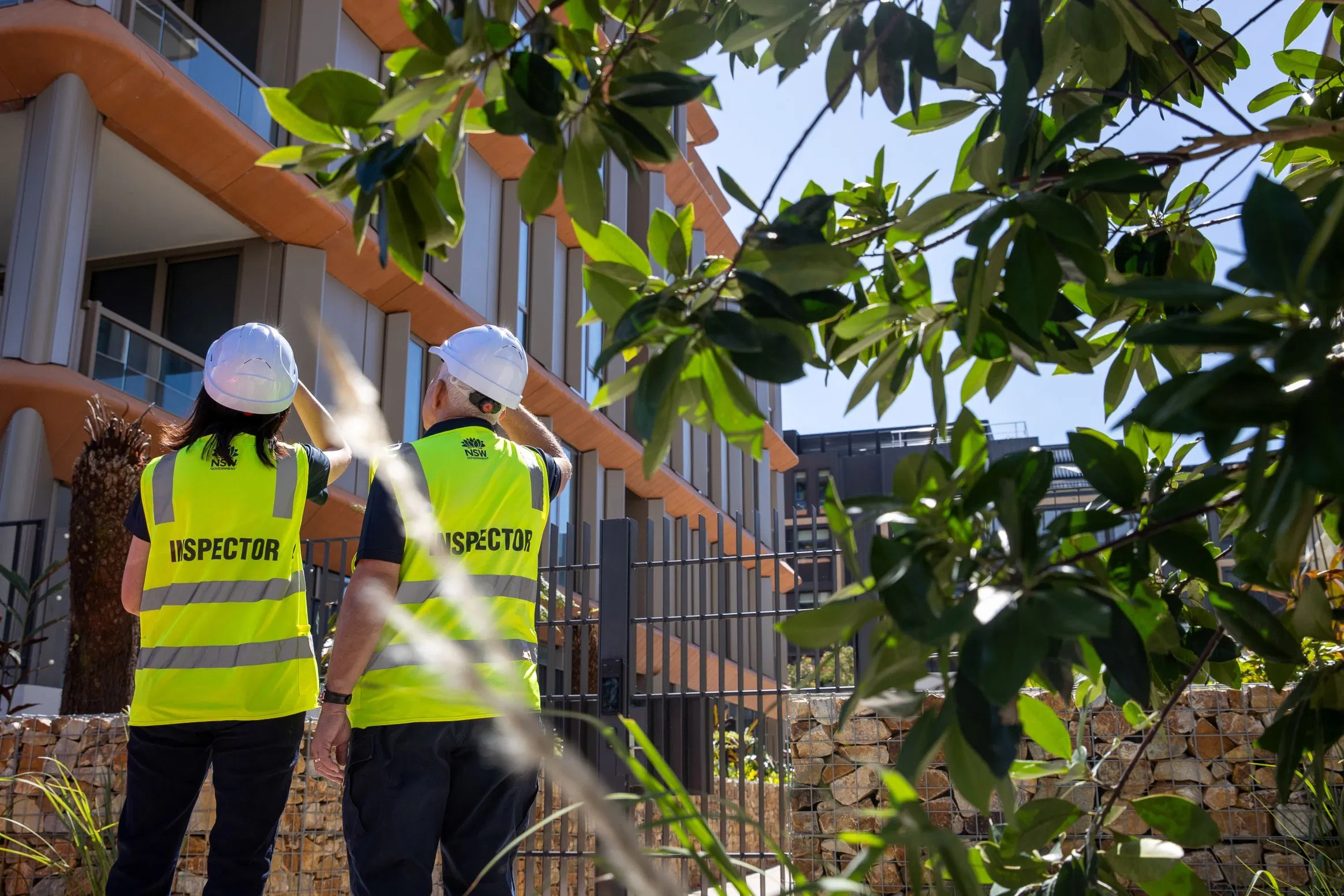
The shift toward Modern Methods of Construction is more than a trend: it is now a legislative reality in NSW. By embracing these changes, builders can significantly improve their delivery times and margins while maintaining the high standards of structural reliability that the Australian public expects.
If you’re looking to dive deeper into the technicalities of these reforms or need a strategic partner to help navigate your next modular project, we invite you to join our community.
Explore "The Hive" and "The Vault" to access more technical resources and industry insights:
Welcome to the Hive
Let's build smarter, not just harder.