Construction
Jul 7, 2026
Building Consultant Vs Project Manager: Which Is Better For Your Home Renovation?
Building Consultant Vs Project Manager: Which Is Better For Your Home Renovation?

Building Consultant Vs Project Manager: Which Is Better For Your Home Renovation?
In the high-stakes environment of premium residential renovations, the distinction between project delivery and technical compliance is often blurred: frequently to the detriment of the asset owner. For construction directors and senior practitioners, the question isn’t merely about who "runs the job," but who holds the forensic accountability for the structure's alignment with the National Construction Code (NCC) and relevant Australian Standards.
The choice between a Project Manager (PM) and a Building Consultant is not a matter of preference; it is a matter of risk allocation. While both roles are essential to a successful outcome, they operate on different planes of the construction lifecycle. Understanding the friction points between site execution and regulatory interpretation is critical to preventing a high-end renovation from devolving into a protracted legal or financial dispute.
A Project Manager is the architect of the "how" and "when." Their primary charter is the delivery of the project within the predefined parameters of time, cost, and scope. In the context of a major residential renovation, the PM functions as the central nervous system of the site.
However, the PM’s focus is inherently biased toward progress. Their performance metrics: completion dates and budget adherence: can occasionally create a cognitive blind spot regarding forensic compliance details that only manifest as failures years post-handover.
Conversely, a Specialist Building Consultant operates as the clinical observer. At Shoal Bay Projects, our advisory role is not to manage the sequence of trades, but to forensicly interrogate the quality of the execution against the NCC and Australian Standards (AS).

One of the most significant friction points in residential construction is the divergence between a builder’s "Standard of Workmanship" and the Certifier’s "Regulatory Compliance."
A Project Manager may accept a finish because it meets the aesthetic expectations of a high-end client. However, a Building Consultant looks beneath the render. A common clash involves the installation of floor wastes in wet areas. While the PM ensures the tiles are laid straight, the Building Consultant verifies that the falls to the waste satisfy the requirements of AS 3740 and that the membrane termination at the puddle flange is forensically correct.
The engagement model of the Building Certifier (Private vs. Local Government) also dictates the level of oversight. A Certifier is not a Clerk of Works; they are statutory officers who verify specific milestones. They do not provide the granular, day-to-day forensic oversight required to catch a non-compliant flashing detail or an incorrectly positioned expansion joint.
This is where the Building Consultant acts as the "Forensic Bridge." We provide the advisory intel that ensures when the Certifier arrives for a mandatory inspection, the work is not only compliant but documented to a standard that withstands future scrutiny.
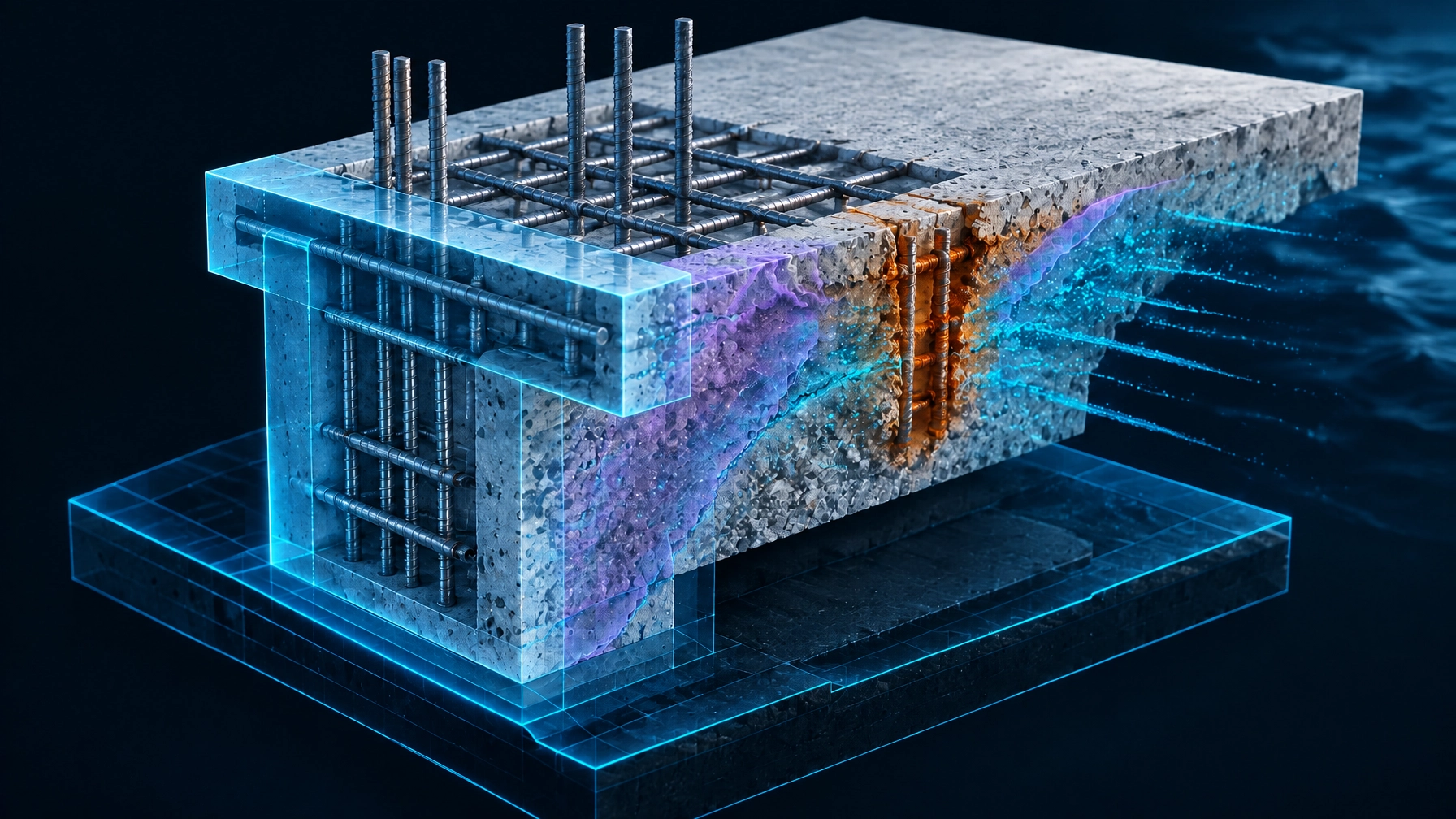
Renovations are inherently more complex than new builds due to the "Legacy Risk" of the existing structure. Integrating new structural loads into an aged foundation requires more than just a PM’s schedule; it requires a forensic understanding of soil-structure interaction.
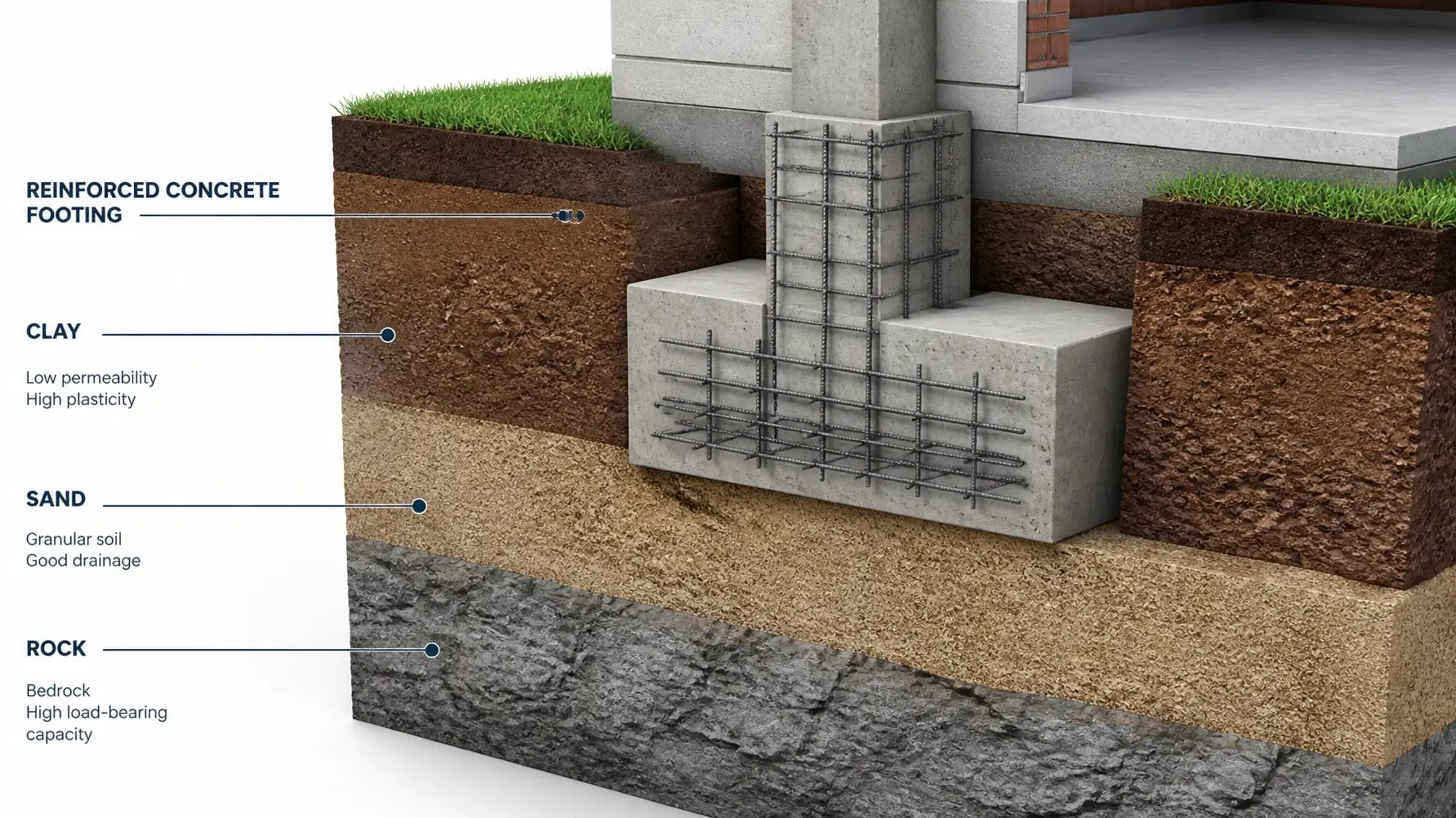
Check... the compatibility of new waterproofing systems with legacy substrates.
Specify... clear separation between existing timber framing and new masonry to prevent differential movement.
Document... every subsurface deviation from the original approved plans to prevent "variation creep" and future liability.
If your objective is to ensure that a 12-month renovation finishes on day 365 and stays within the $2M budget, you need a highly competent Project Manager.
However, if your objective is to ensure that the $2M investment is protected from latent defects, structural failure, and the catastrophic financial impact of NCC non-compliance, you require a Specialist Building Consultant.
At Shoal Bay Projects, we often work alongside PMs to provide the technical backbone for their delivery. We do not just look at the schedule; we look at the core samples, the membrane specifications, and the structural detailing.
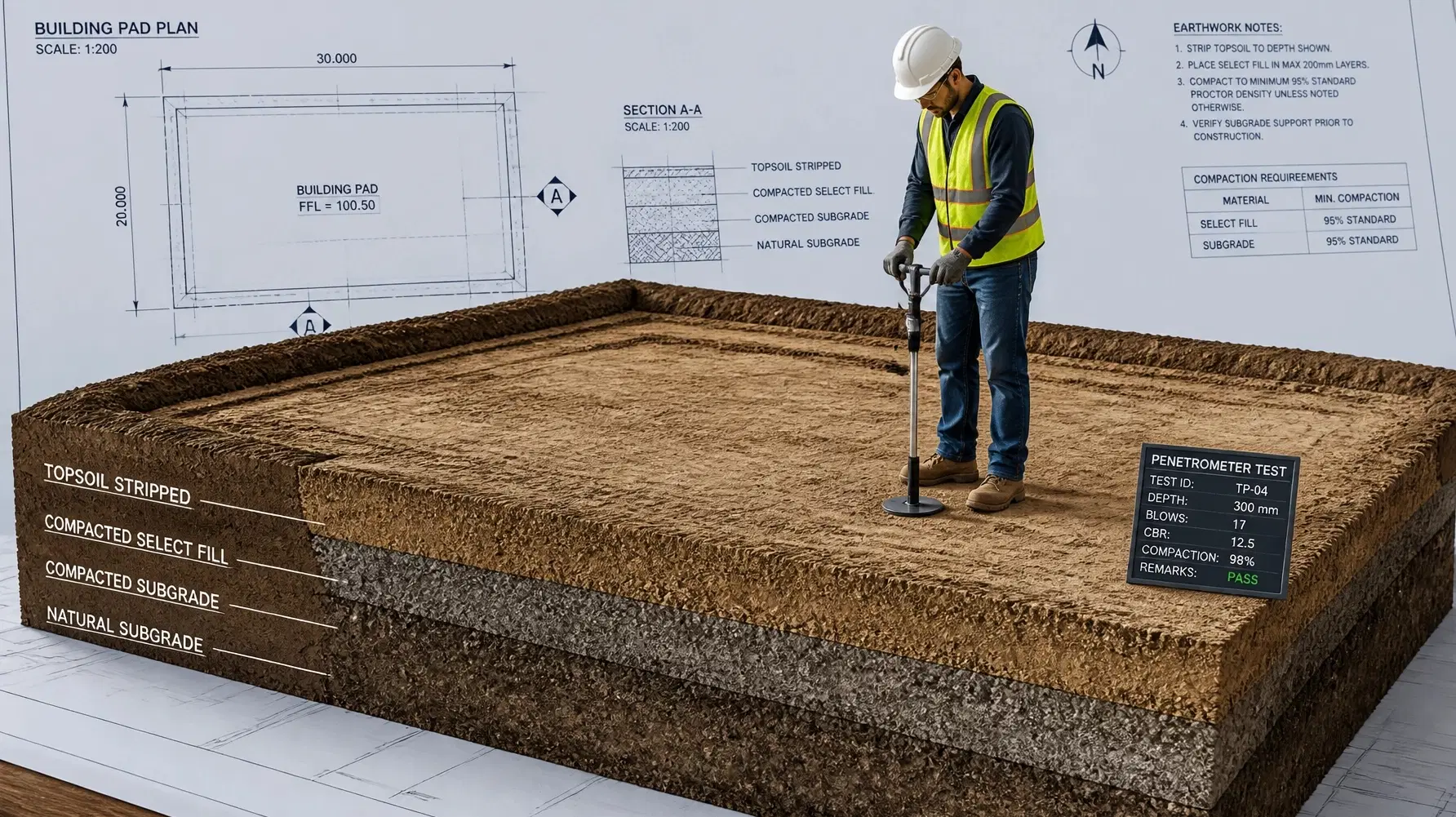
Navigating the complexities of senior-level construction requires more than just technical knowledge; it requires a community of like-minded professionals dedicated to elevating the standard of the Australian built environment.
We invite you to join the conversation at The Hive. This is our strategic hub where we deconstruct complex compliance issues, share forensic insights, and provide the advisory tools necessary to protect your projects and your professional reputation.
The "Project Manager vs. Building Consultant" debate is a false dichotomy. In the modern regulatory landscape, a successful residential renovation requires the PM's operational engine and the Consultant's forensic guidance. By engaging Shoal Bay Projects, you ensure that the friction between site reality and regulatory demand is managed strategically, rather than reactively.
Don't wait for the Occupation Certificate to discover a structural non-compliance. Engage the oversight. Protect the outcome.
⚠️ The image in this post is used for illustration purposes only, designed to encourage thoughtful discussion. It is not intended to represent a prescriptive detail of any installation or construction method.