Construction
Nov 8, 2026
Building Consultant vs Building Certifier: Which Is Actually Liable When Defects Appear?
Building Consultant vs Building Certifier: Which Is Actually Liable When Defects Appear?

Building Consultant vs Building Certifier: Which Is Actually Liable When Defects Appear?
A defect appears after handover: water enters around a window, a slab cracks, or a finish conceals a failure beneath. The owner finds a completion certificate in the project file and asks a direct question: who is responsible?
The certificate is often treated as if it were a clean bill of health. It is not. A certificate may confirm a specific approval or completion milestone, but it does not automatically prove that every contractual obligation was met, every element was inspected, or every concealed defect was absent.
The answer to “who is liable?” is therefore rarely just “the certifier” or “the builder.” Responsibility turns on the defect’s cause, the work each party undertook, the evidence available, and the contract and legal framework that apply. Those details vary between projects and jurisdictions, including the UK, Singapore and Dubai.
The practical risk is a gap between physical site execution and oversight. Contractors may focus on completing the work; oversight bodies may check defined regulatory requirements; and owners may expect a broader assessment of workmanship and performance. If those expectations are never aligned, defects can surface after the people, records and opportunities needed to resolve them have dispersed.
Start with the defect, not the certificate. Identify what failed, where it began, when it emerged, and which design, material, installation, maintenance or later alteration could explain it. Then map each party’s actual scope.
These are functional distinctions, not universal legal definitions. In some systems, a qualified professional has a formal design or supervision role; in others, an independent control body performs periodic checks. Neither arrangement makes one party the automatic guarantor of every finished element.
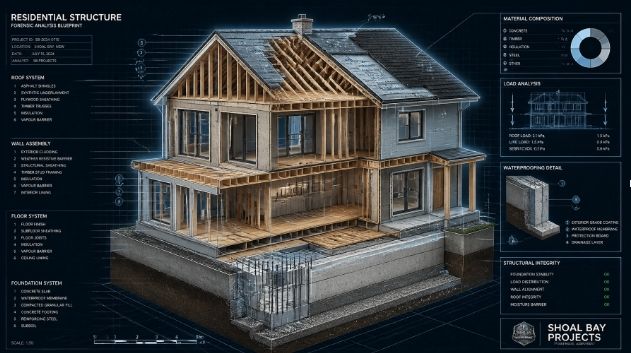
A completion or compliance certificate may be relevant evidence. Its value depends on its wording, purpose, inspection basis and the authority or professional who issued it. It may speak to a defined approval, permit, plan or occupancy milestone. It should not be read as proof of perfect finish, absence of latent defects, compliance with every private contract requirement, or future performance.
The distinction is critical in disputes. A certificate might show that a defined process was completed, while the defect claim concerns a concealed waterproofing failure, a design omission, or work that differed from approved information. A certificate does not, by itself, identify the cause of that failure or transfer another party’s responsibility.
Nor does “quality of finish” always mean “structural adequacy.” A surface can look acceptable while concealing a failure affecting durability or performance. Conversely, a visible cosmetic imperfection does not, by appearance alone, establish a structural nonconformity. Separate the observed condition from the technical requirement allegedly breached, then test the connection with evidence.
Audit engagement models create another friction point. A brief visual visit is not equivalent to intrusive testing, continuous observation or a comprehensive defect investigation. A periodic statutory inspection is not the same service as a consultant’s owner-side quality review. If the appointment does not define access, sampling, reporting, reliance and exclusions, parties may later disagree about what the inspection was supposed to detect.
International standards can help define sound processes, but they do not decide legal liability or turn a certificate into a warranty.
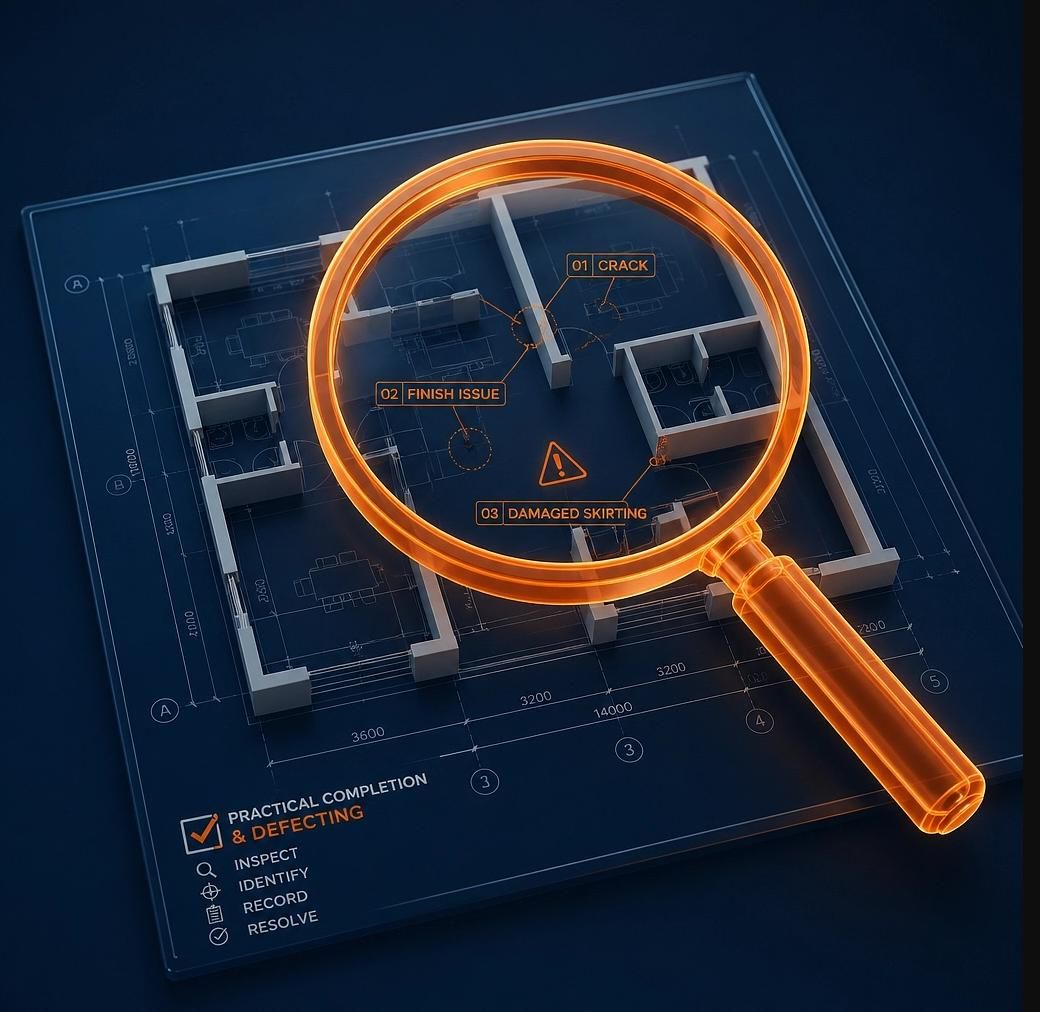
When defects appear, build a responsibility map before advancing a conclusion.

The strongest dispute record is built before positions harden. A residential building consultant engaged early defines inspection scope, access, sampling and reliance before work proceeds; owners seeking building dispute consultant support or construction advisory australia should expect the appointment to state those limits in writing. For builders comparing building consultancy services with residential project management, the same principle holds: a construction risk management services engagement is only as strong as the evidence it requires. Document what each appointment required, what each inspection covered and what the site evidence shows. Shoal Bay Projects can serve as a forensic advisory bridge between physical execution and compliance expectations: helping owners, builders and dispute teams organise evidence, test technical explanations and identify gaps before they escalate into avoidable legal or financial conflict.
For builders, see Construction Advisory; for homeowners, see Residential Project Support. For expert-network access, connect with The Hive to support evidence-led project decisions.
Watch more construction intelligence on the Shoal Bay Projects Hive YouTube channel.
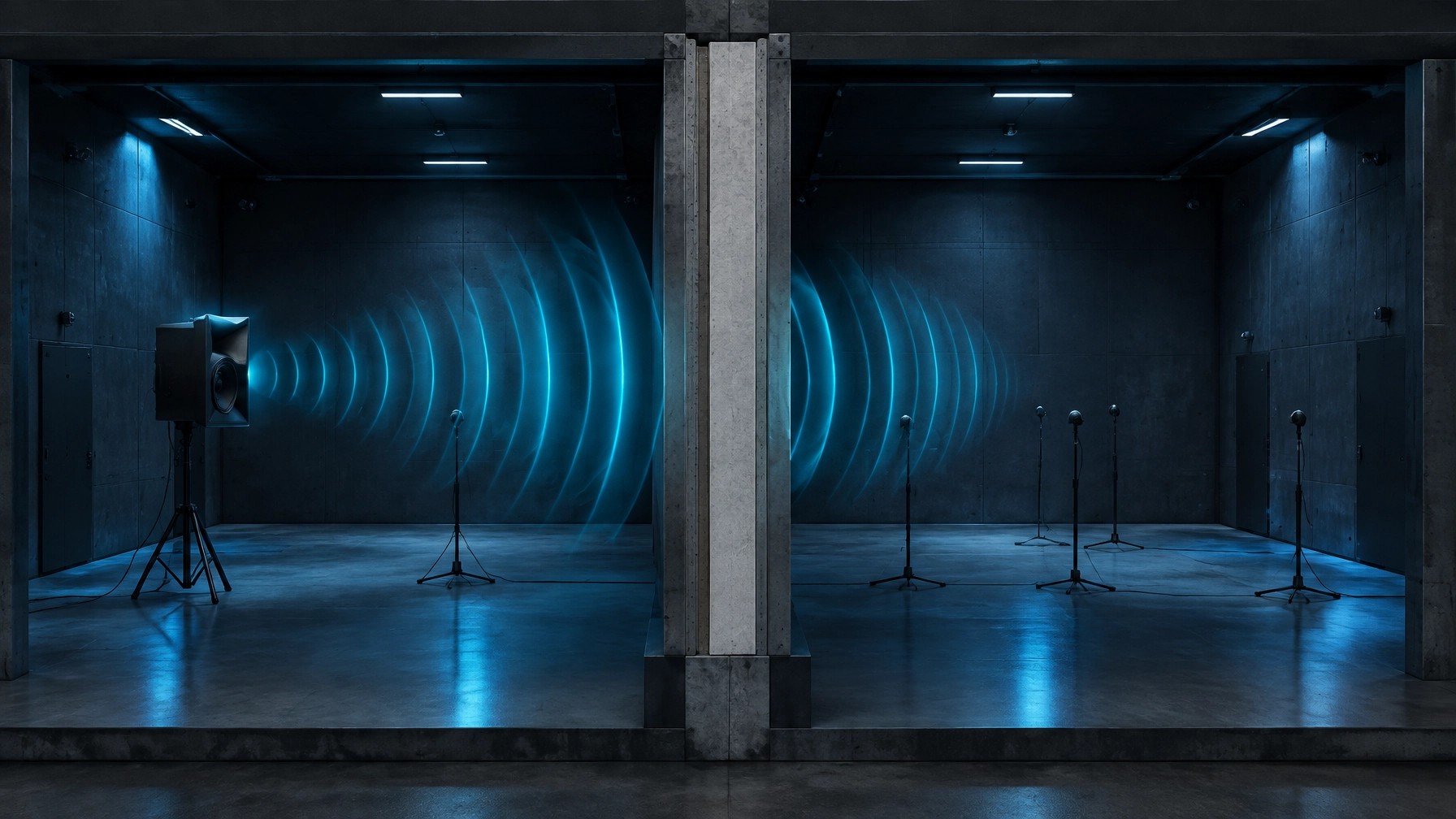
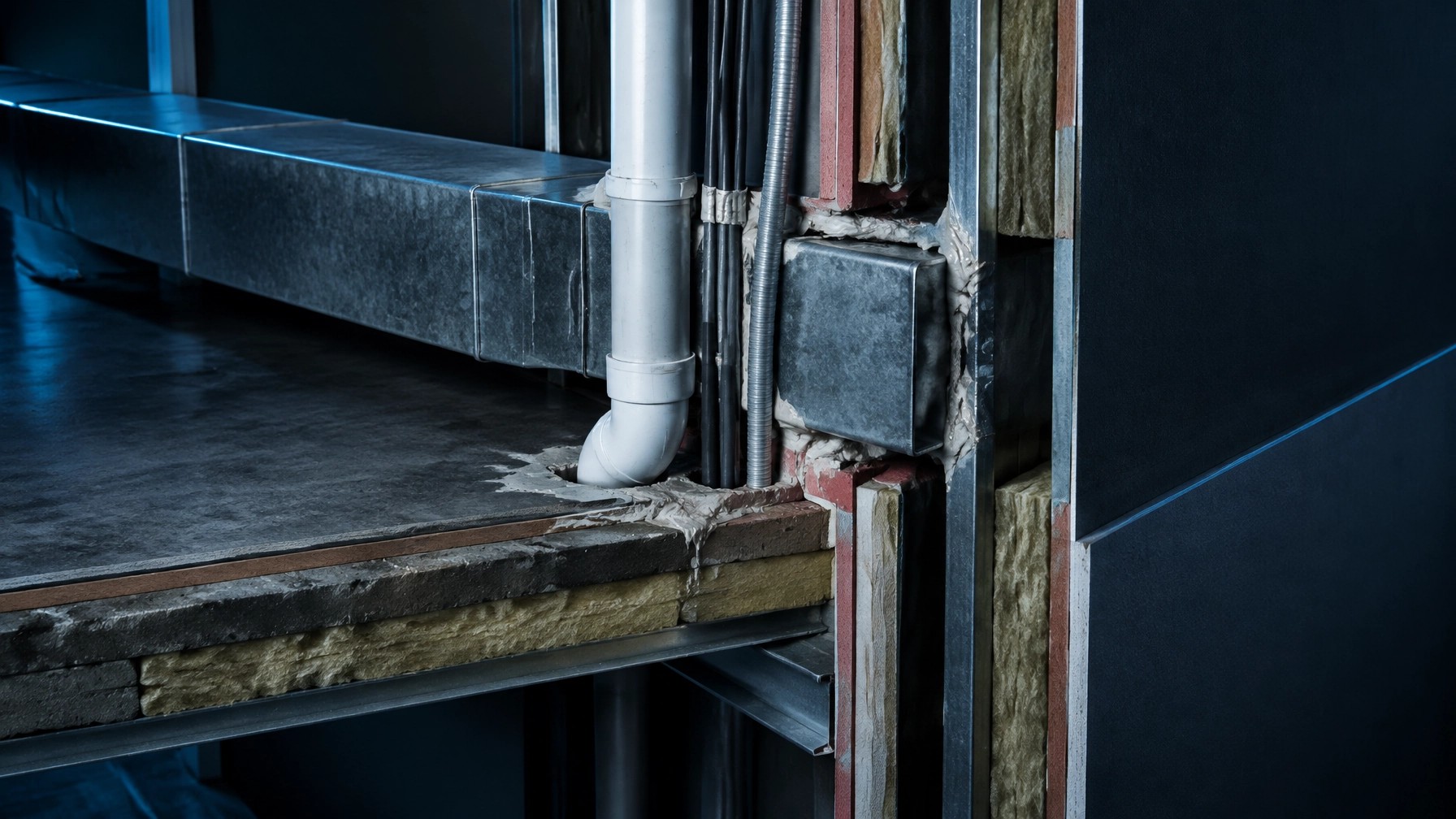
⚠️ The image in this post is used for illustration purposes only, designed to encourage thoughtful discussion. It is not intended to represent a prescriptive detail of any installation or construction method.
Claim Your Foundation Membership
The Vault. The App. The Community. We're opening the doors to a select group of Foundation Members. Free, for a limited time. Foundation Membership includes full access to The Vault (our forensic intelligence archive) and early access to the Hive app.
Once the charter window closes, this tier is gone permanently. Foundation Members retain access for life. This is not a trial: it's a permanent invitation to the founding cohort.
Claim Your Foundation Membership →
A certificate can confirm a milestone without resolving who is actually liable for the defect. This post separates the roles and builds an evidence-led responsibility map.
Building Consultant vs Building Certifier: Which Is Actually Liable When Defects Appear?
Image assets: Four original 3D forensic illustrations are included in the article: compliance review hero (https://cdn.marblism.com/UTesEv_f9vg.jpeg), forensic building cross-section (https://cdn.prod.website-files.com/6a0c278cc2a032010f1c4626/6a55b85c74d05a9c0d289d4e_YxyKWxJbvCs.jpeg), floor-plan defect visualisation (https://cdn.prod.website-files.com/6a0c278cc2a032010f1c4626/6a1ebf31c81bd0f2d64e2b28_U4Z7k7lor4s.jpeg), and cracked foundation render (https://cdn.prod.website-files.com/6a0c278cc2a032010f1c4626/6a10025d385413da2e2964e8_Fsn1NZacEZX.jpeg).