Construction
Jul 2, 2026
Beyond the Audit: Proactive Risk Management for High-End Construction
Beyond the Audit: Proactive Risk Management for High-End Construction

Beyond the Audit: Proactive Risk Management for High-End Construction
In the world of high-end residential construction, the word "audit" usually carries a heavy sense of dread. It implies that something has already gone wrong, and now we’re just here to count the cost. But as we look toward the national goal of delivering 1.2 million homes across Australia, the pressure on quality and compliance has never been higher. For medium to high-end builders and homeowners, the stakes aren’t just financial: they’re reputational.
The truth is, waiting for a final inspection or a post-completion audit is a reactive strategy that often leads to expensive "reconstructive surgery" on a building. To protect a project, you need to move beyond the audit and embrace proactive risk management.
At Shoal Bay Projects, we don't just point out defects; we provide the structured, compliance-focused advisory needed to prevent them before they’re buried behind plasterboard and high-end finishes.
Most risk management in construction is retrospective. A consultant walks through a finished house, finds a drummy tile or a leaking balcony, and writes a report. By that stage, the damage is done. You aren't just fixing a tile; you’re managing a dispute, delaying a handover, and potentially facing a massive insurance claim.
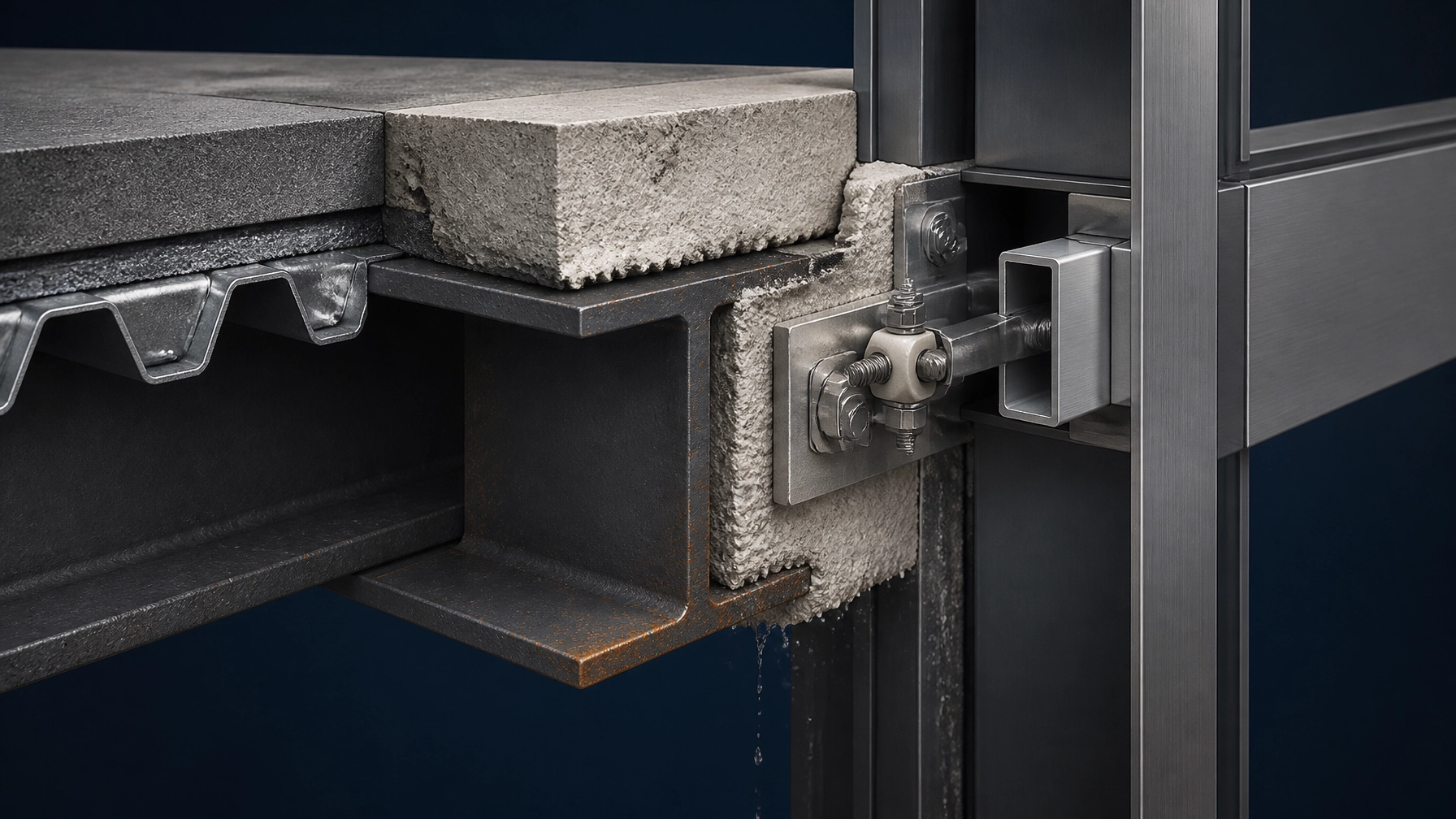
In the high-end sector, where custom designs often push the boundaries of "Deemed-to-Satisfy" (DTS) provisions, a reactive approach is a recipe for disaster. Proactive risk management means identifying the high-risk junctions: waterproofing, structural load paths, and thermal bridges: while they are still on paper or in the early stages of site works.
The National Construction Code (NCC) 2022 has fundamentally shifted the goalposts. Between new requirements for livable housing (Part G7) and significantly tighter energy efficiency standards (Section J and H6), the complexity of a modern build has skyrocketed.
Proactive management starts with a deep dive into these changes. It’s no longer enough to "build it the way we’ve always done it." You need to verify that your performance solutions are not only compliant but also robust enough to withstand the scrutiny of the Building Commissioner’s increasing powers.
If there is one area where high-end projects fail most frequently, it’s waterproofing. Whether it's an expansive rooftop terrace or a high-spec ensuite with zero-transition showers, the risk level is extreme.
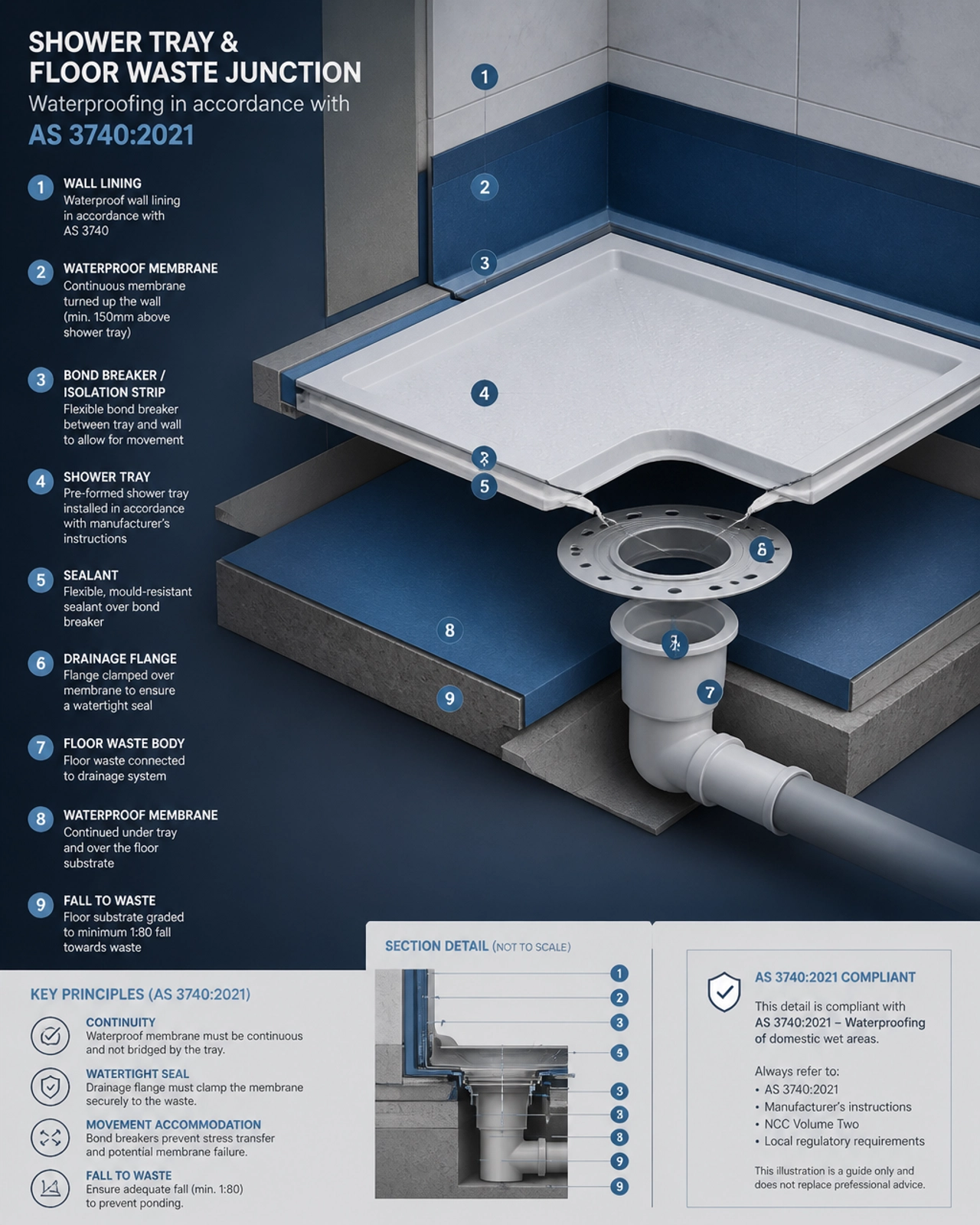
Under AS 3740-2010 (Waterproofing of domestic wet areas), the requirements for materials, designs, and installations are prescriptive for a reason. Proactive risk management involves:
In a luxury build, a $5,000 waterproofing failure can easily lead to a $50,000 remediation bill once you factor in the demolition of custom stonework and the replacement of specialized fixtures.
While the aesthetics sell the home, the structure keeps it standing. In high-end builds, we often see complex spans and mixed-material frames that require precise execution of AS 1684 (Residential timber-framed construction) and AS 3700 (Masonry structures).
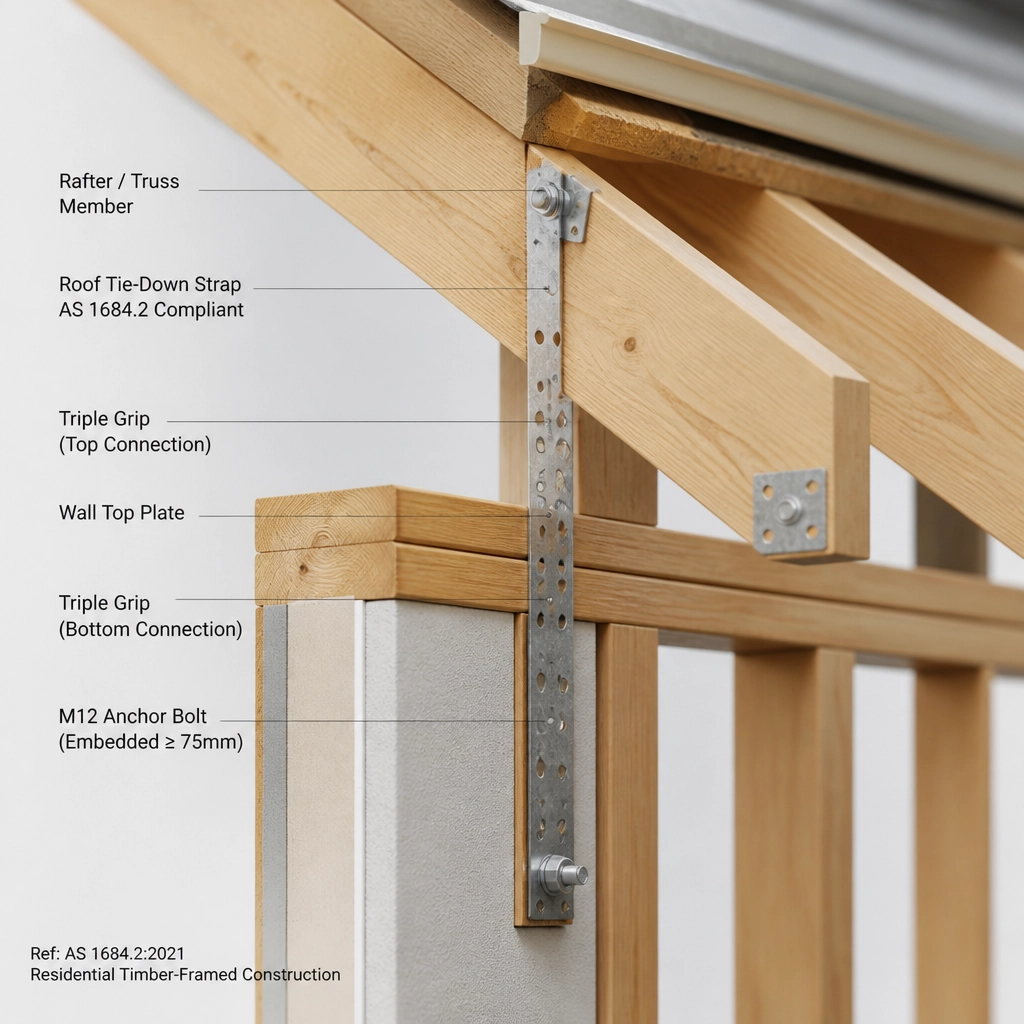
A proactive approach involves site verification of tie-downs, bracing, and point loads before the "big reveal." We often see tie-down straps missing or incorrectly installed in the rush to get a house to lock-up. In the context of our national housing targets, where speed is often prioritized over precision, these structural "minor" omissions can become major liabilities during a wind event or over the life of the building's maintenance cycle.
Shoal Bay Projects operates at the advisory level because that is where the most value is created. We support builders and homeowners by providing a "third eye" on the project. This isn't about policing; it's about partnership.
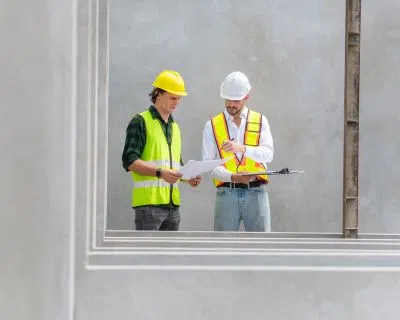
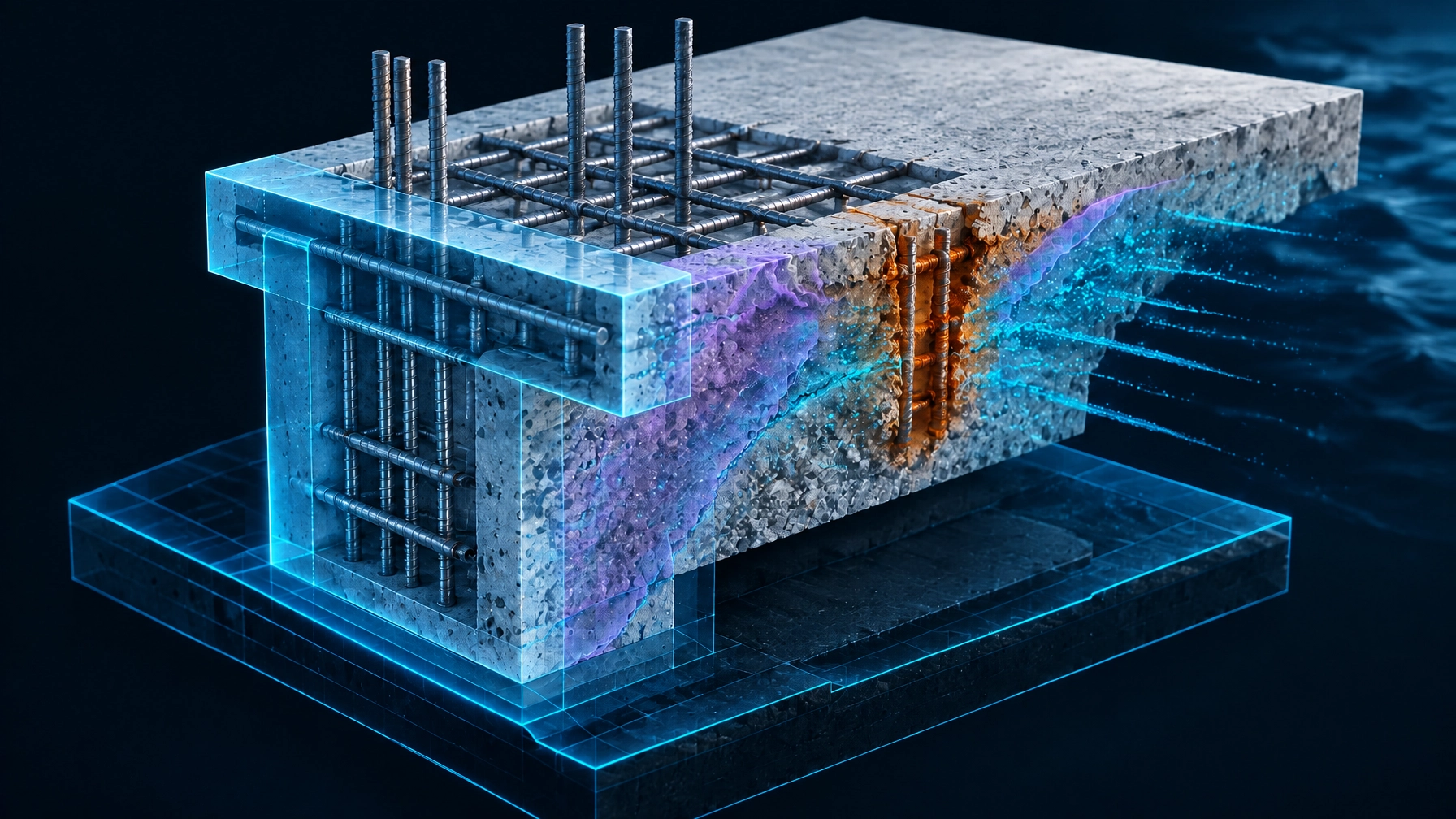
When we walk a site, we are looking for the "latent" risks: the things that aren't a problem today but will be in five years. This includes:
To move beyond the audit, we recommend a three-step protocol for every high-end residential project:
Don't assume the plans are perfect. Conduct a pre-construction compliance review. Identify where the "Deemed-to-Satisfy" solutions end and where a Performance Solution is required. If you are deviating from the standard, make sure the engineering and certification are locked in before the first shovel hits the ground.
The "Standard" is the minimum acceptable quality to not be illegal. For high-end construction, the standard is rarely enough. Specify higher-grade membranes, more robust thermal breaks, and stricter tolerances for finishes. Clearer specifications lead to fewer assumptions on site.
In 2026, data is your best defense. Use digital project platforms to capture "as-built" data in real-time. If a regulator or a future buyer questions a structural junction, having a timestamped, high-resolution photo of the reinforcement or the tie-down is worth its weight in gold.
Risk management isn't about being afraid of what might go wrong; it's about being confident in what has gone right. By shifting the focus from reactive auditing to proactive advisory, builders can protect their margins and homeowners can protect their investments.
At Shoal Bay Projects, we are committed to raising the bar of the Australian construction industry. We provide the expertise needed to navigate the complexities of modern building standards and ensure that "high-end" refers to the quality of the construction, not just the price tag.
If you’re looking to deepen your understanding of construction compliance or want to connect with a community of like-minded professionals dedicated to quality, we invite you to explore The Hive.
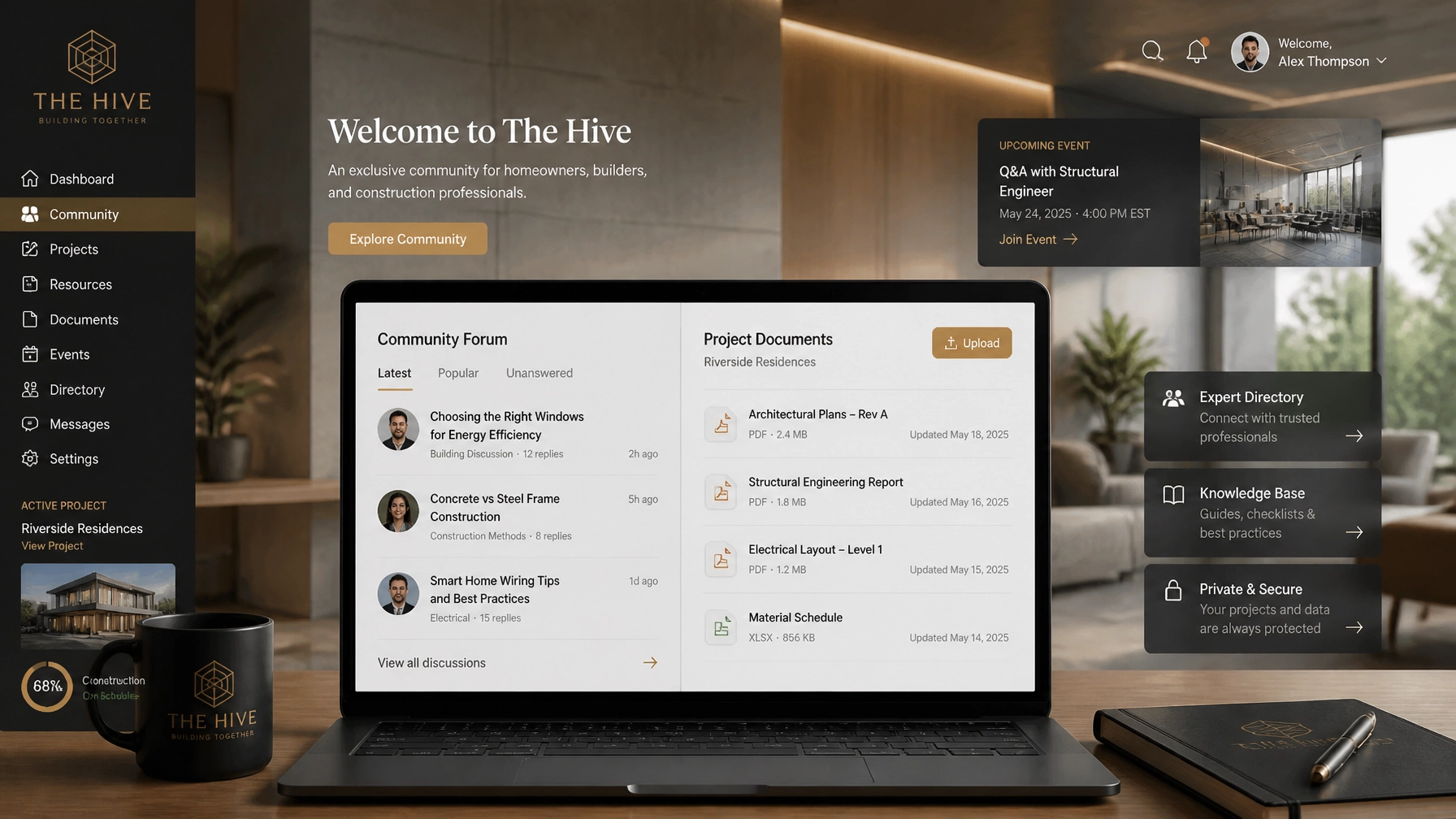
It’s our central hub for resources, technical deep-dives, and industry connection. Consider this your invitation to explore the community and take your project management to the next level.
Explore the Hub here: Welcome to the Hive