Construction
Jul 2, 2026
7 Mistakes You’re Making With Builder Selection (And How to Fix Them)
7 Mistakes You’re Making With Builder Selection (And How to Fix Them)

7 Mistakes You’re Making With Builder Selection (And How to Fix Them)
Choosing a builder for a custom home or a major renovation is arguably the most significant financial decision a homeowner will ever make. It is an investment in your future, your safety, and your peace of mind. However, the selection process is often clouded by emotion, slick marketing, and a misplaced focus on the "bottom line."
At Shoal Bay Projects, we see the fallout of poor builder selection every week. From structural defects that go unnoticed during the frame stage to cost blowouts that stall a project indefinitely, the root cause is almost always found in the initial vetting phase.
If you are currently shortlisting builders, stop. Before you sign a contract or pay a deposit, ensure you aren't making these seven critical mistakes. Here is how to fix them with a clinical, compliance-focused approach.
The most common mistake is the "Lowest Bidder" fallacy. In a competitive market, a quote that is significantly lower than its peers is rarely a sign of efficiency; it is a sign of risk.
Builders often achieve a low "headline price" by under-allowing for Provisional Sums (PS) and Prime Cost (PC) items. This is known as "front-loading" the sales process while "back-loading" the costs onto you through variations during construction. If a quote looks too good to be true, it likely excludes essential site works, high-quality finishes, or realistic subcontractor rates.
The Fix: Compare quotes on a like-for-like basis. Conduct a "Gap Analysis" to identify what is missing from the lower quotes. Standardise the specifications so you are comparing apples to apples. Remember, the cheapest builder on paper is often the most expensive by the time you reach Practical Completion.
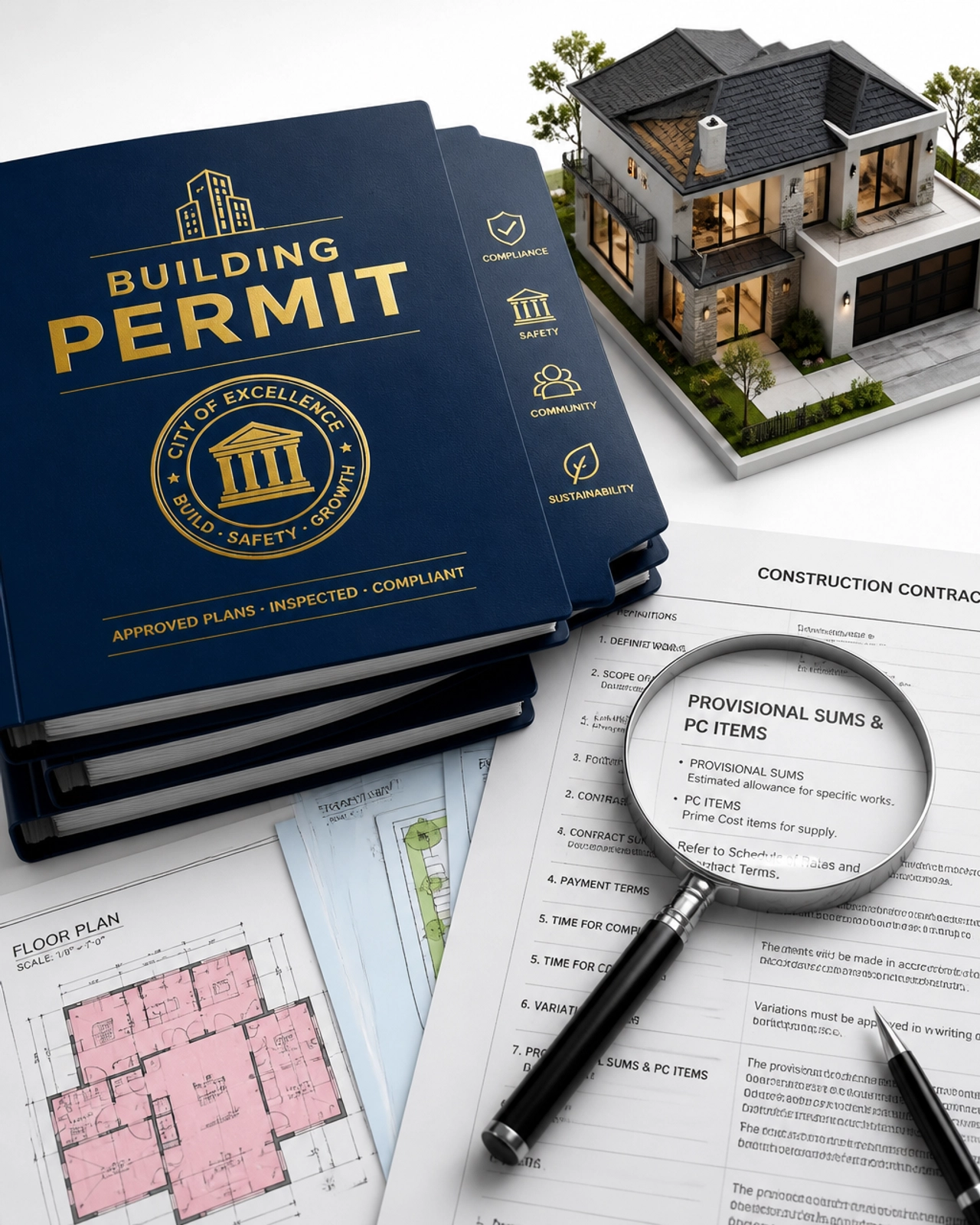
Never assume a professional-looking website or a recommendation from a friend equates to legal compliance. Each state in Australia has strict registration requirements for builders (e.g., the Practitioner Registration system). Engaging an unregistered builder: or one whose registration doesn't cover the specific scope of your project: leaves you without a legal safety net.
Furthermore, you must verify their Home Building Compensation (HBC) insurance (or your state's equivalent). This is your primary protection if the builder becomes insolvent, dies, or disappears before fixing major defects.
The Fix: Use the relevant state regulatory search tool to verify the builder’s current registration status and history. Check for any past disciplinary actions or caveats on their license. Ask for a copy of their current insurance certificates and call the provider to verify they are active for your specific site.
Many homeowners believe they can manage a builder themselves to save on fees. This is a false economy. A custom home build consultant in Australia acts as your professional advocate, providing a layer of technical oversight that the average homeowner simply doesn't possess.
Without an independent eye, you are reliant on the builder to self-certify their own work. This is where non-compliances with AS 4349.1-2007 (Inspection of buildings) or AS 3740 (Waterproofing) begin to creep in.
The Fix: Engage building consultancy services before you sign the contract. A consultant will review the technical specifications, vet the builder's track record, and provide structured, stage-by-stage inspections. This ensures that quality expectations are met and that payment claims align with actual work performed on site.
A builder’s technical skill is only half the equation. Their professional conduct: how they communicate, how they handle disputes, and how they treat their subcontractors: will define your construction experience.
Ignoring early red flags, such as slow response times, vague answers to technical questions, or a reluctance to provide a detailed project schedule, is a mistake that leads to friction later. A builder who ignores a professional Code of Conduct during the "dating phase" of selection will certainly ignore it when things get difficult on site.
The Fix: Document all early interactions. If a builder is evasive about providing references or refuses to discuss their site supervision model, move on. Professionalism is non-negotiable in residential project support.
Every site has its own set of "hidden" risks: soil stratification, drainage easements, and local planning overlays. Homeowners often select a builder based on a standard design without considering if that builder has the expertise to handle their specific site's requirements.
If your site requires complex earthworks or sits on highly reactive soil, you need a builder with a proven history in those conditions. Failure to account for this leads to massive variations once the first shovel hits the ground.
The Fix: Request a site investigation report and soil analysis early. Ensure the builder has reviewed these documents and included any necessary site-specific structural requirements (compliant with AS 2870) in their fixed-price quote.

Who will actually be on your site every day? In many larger building firms, the person who "sold" you the project is not the person who will manage it. This "Supervision Gap" often leads to a disconnect between the promised quality and the actual output of subcontractors.
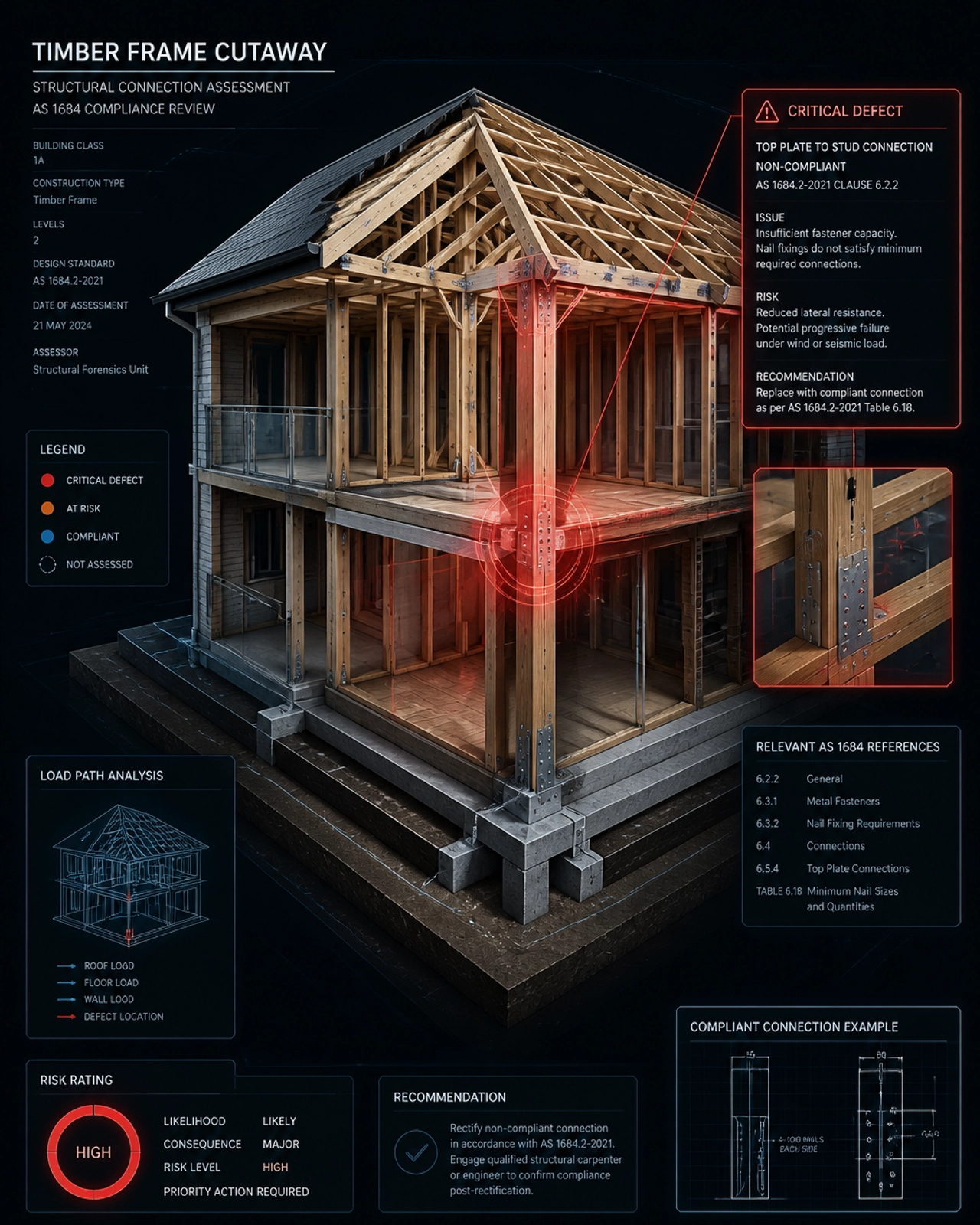
Without a dedicated Site Supervisor who understands the project’s specific architectural details and Australian Standard requirements (like AS 1684 for timber framing), the risk of systemic defects increases exponentially.
The Fix: Ask for the name and experience level of the specific Site Supervisor assigned to your project. Specify in the contract the frequency of their site visits and the process for documented quality checks. If the builder cannot guarantee a consistent supervisor, you have a problem.
Provisional Sums (PS) and Prime Cost (PC) items are "placeholders" in a contract. If these figures are intentionally low to make the contract price look attractive, you will be hit with an invoice for the difference later.
Vague allowances for items like kitchens, tiling, or landscaping are a breeding ground for disputes. Many builders use these to hide the true cost of a premium build.
The Fix: Specify everything. Work with a home renovation consultant to define every fixture, fitting, and finish before the contract is signed. Turn as many PC items into fixed-cost items as possible. This removes the builder’s ability to surprise you with "extra" costs for standard items.

Builder selection is not a race; it is a strategic exercise in risk mitigation. By avoiding these seven mistakes, you position your project for success before a single brick is laid.
The residential construction landscape is complex, but you don't have to navigate it alone. Structured advisory and independent oversight are the most effective tools for protecting your investment and ensuring your home meets the high standards of quality and compliance you deserve.
Building a home should be a rewarding journey, not a forensic recovery mission. We invite you to join our community hub, "The Hive," where we share deeper insights into construction planning, compliance, and risk management.
Explore the resources, connect with experts, and take control of your project’s outcome.